







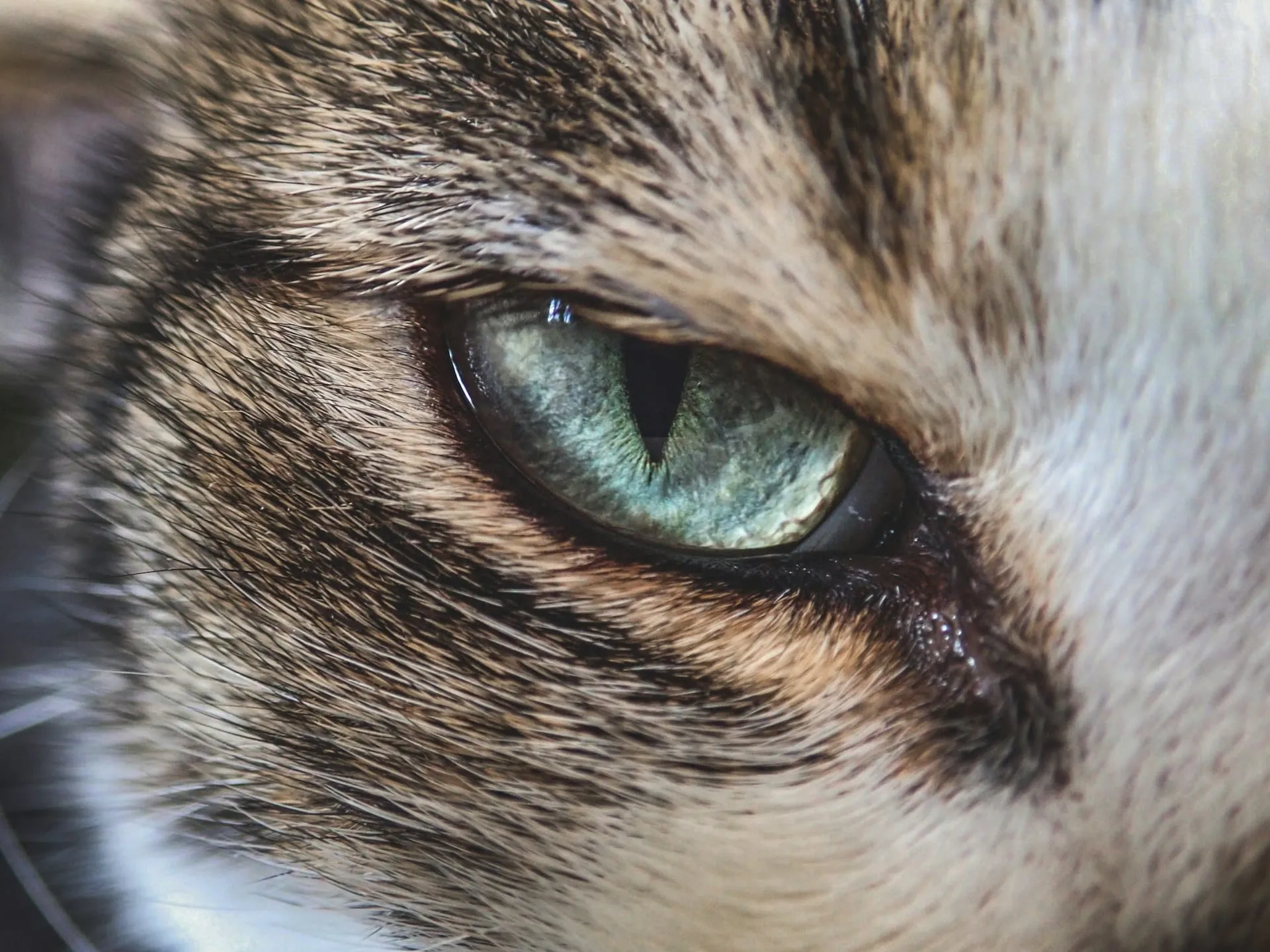
Watching your beloved feline companion enter their golden years brings a profound mix of emotions: deep love for the years you’ve shared together, growing concern about their changing needs, and countless questions about how to provide the very best care possible. At Love, Baxter, we understand this journey intimately. After losing our cherished Baxter in October 2024, we’ve dedicated ourselves to helping other pet families navigate the complexities of senior pet care with knowledge, compassion, and hope.
Through our work supporting grieving families and extensive research into senior cat care, we’ve compiled the most frequently asked questions from cat owners about their aging companions. Each question represents a genuine concern from loving cat parents seeking to provide the very best care possible for their senior felines. We’ve researched extensively and consulted with veterinary professionals to give you comprehensive, actionable answers that address everything you need to know about caring for your senior cat.
This comprehensive guide addresses everything cat owners want to know about senior cat care, from recognizing the first signs of aging to making difficult end-of-life decisions. Whether you’re wondering about diet changes, health warning signs, environmental modifications, or want to ensure you’re providing the best possible care, you’ll find detailed answers to help you navigate every aspect of your senior cat’s needs.
Table of Contents
- 1At What Age Is a Cat Considered Senior?
- 2What Health Problems Are Common in Senior Cats?
- 3How Should I Adjust My Senior Cat’s Diet?
- 4How Often Should Senior Cats Visit the Vet?
- 5What Environmental Changes Help Senior Cats?
- 6How Can I Tell If My Senior Cat Is in Pain?
- 7What Are Signs of Cognitive Dysfunction in Senior Cats?
- 8How Can I Help My Senior Cat Stay Comfortable and Active?
- 9How Do I Know When It’s Time to Consider End-of-Life Care?
- 10Where Can I Find Support for Senior Cat Care and Pet Loss?
- 11Frequently Asked Questions About Senior Cat Care
At What Age Is a Cat Considered Senior?
The question of when cats become seniors doesn’t have a one-size-fits-all answer, but understanding the general timeline helps you prepare for your feline friend’s changing needs. Most veterinary professionals consider cats to be seniors around 11 years of age, though this can vary significantly based on genetics, lifestyle, and overall health history. Cats between seven and ten years old are typically classified as mature adults or middle-aged, while those reaching 15 and beyond enter what veterinarians call the geriatric stage.
However, chronological age tells only part of the story. Some cats, like Maria Gonzalez’s fourteen-year-old Maine Coon named Chester, remain remarkably spry and playful well into their teens, while others may begin showing signs of aging as early as eight or nine years old. What matters most is recognizing that senior status signals a time for increased vigilance about health monitoring, more frequent veterinary checkups, and thoughtful adjustments to your cat’s environment and routine.
The transition into senior status often happens gradually. You might first notice that twelve-year-old Pepper takes a little longer to get comfortable when settling down for a nap, or that she’s become more particular about her sleeping spots, favoring warmer, softer locations. These subtle changes mark the beginning of a new chapter in your relationship, one that requires patience, understanding, and proactive care, but also offers opportunities for deeper connection and appreciation for the time you have together.
Read more: When Is a Cat Considered a Senior? Ages, Signs and Care
What Health Problems Are Common in Senior Cats?
Senior cats face a range of health challenges that become increasingly common with age, and early recognition of symptoms can dramatically improve treatment outcomes and quality of life. The most prevalent conditions we encounter through our work with grieving families include several key areas that every senior cat parent should understand.
Kidney disease stands as one of the most significant health concerns for aging cats, earning its reputation as a silent condition because symptoms often don’t appear until the disease has progressed substantially. Observe for increased thirst and urination, gradual weight loss despite normal or increased appetite, and subtle changes in energy levels. Linda Chen noticed her thirteen-year-old tabby, Muffin, drinking significantly more water and visiting the water bowl multiple times throughout the day, an early sign that led to a kidney disease diagnosis and successful management plan.
Hyperthyroidism frequently affects senior cats, causing an overactive thyroid gland that accelerates their metabolism. Cats with this condition often exhibit weight loss despite eating more than usual, increased restlessness or hyperactivity, and sometimes behavioral changes like increased vocalization. The condition is highly treatable when caught early, making regular blood work essential for senior cats.
Diabetes mellitus can develop in senior cats, particularly those who are overweight or have been fed high-carbohydrate diets throughout their lives. James Morrison’s eleven-year-old Persian, Duchess, developed diabetes and now thrives on a carefully managed diet and insulin regimen. Signs include excessive thirst, frequent urination, weight loss, and lethargy.
Arthritis and joint pain become increasingly common as cats age, though our feline friends are masters at hiding discomfort. You might notice reluctance to jump onto favorite perches, difficulty navigating stairs, or subtle changes in grooming habits. Ten-year-old Oliver, owned by the Rodriguez family, stopped jumping onto their bed until they provided a small set of steps, revealing joint stiffness they hadn’t initially recognized.
Dental disease affects the majority of senior cats and can significantly impact their quality of life. Years of wear, potential genetic predisposition, and varying levels of dental care throughout their lives can lead to painful conditions affecting eating, grooming, and overall comfort. Regular dental examinations become crucial during the senior years.
Cancer rates increase with age in cats, making routine veterinary examinations essential for early detection. Various forms of cancer can affect senior cats, from skin tumors to internal organ involvement, emphasizing the importance of not dismissing new lumps, bumps, or behavioral changes as simply part of aging.
Read more: Senior Cat Care Guide: Health Tips for Aging Cats
How Should I Adjust My Senior Cat’s Diet?
Proper nutrition becomes increasingly critical as cats age, and their dietary requirements often shift significantly from their younger years. Contrary to outdated beliefs about reducing protein for senior cats, healthy aging felines actually benefit from high-quality, easily digestible protein to maintain muscle mass and prevent the muscle wasting that can occur with age.
Senior cats often benefit from smaller, more frequent meals rather than the traditional twice-daily feeding schedule. This approach can be easier on their digestive systems and help maintain steady energy levels throughout the day. Sarah Kim found that dividing her fourteen-year-old Siamese cat Jasper’s daily food into four smaller portions helped improve his appetite and digestion significantly.
Food temperature and texture modifications can make meals more appealing to senior cats whose senses may be diminishing. Gently warming wet food enhances its aroma, making it more enticing to cats with reduced smell sensitivity. The Martinez family discovered that their twelve-year-old rescue cat, Cleo, showed renewed interest in eating when they started slightly warming her meals and adding a small amount of low-sodium chicken broth for extra moisture and flavor.
Hydration becomes increasingly important for senior cats, particularly those at risk for kidney disease. Incorporating wet food into the diet, providing multiple fresh water sources throughout the home, and considering water fountains that encourage drinking can help maintain proper hydration levels. Some families find success with adding water to dry food or offering ice cubes to encourage water consumption.
Consider the physical aspects of feeding as well. Elevated feeding stations can reduce strain on arthritic necks and backs, while shallow, wide bowls may be easier for cats with dental discomfort to navigate. The Thompson family installed raised feeders for their fifteen-year-old cats, Buddy and Belle, and noticed immediate improvement in their eating posture and comfort level.
Read more: Senior Cat Nutrition: Supporting Health in Their Golden Years
How Often Should Senior Cats Visit the Vet?
The traditional annual veterinary visit schedule requires significant adjustment for senior cats, as their health can change much more rapidly than that of younger animals. We recommend that cats between ten and fifteen years old receive comprehensive examinations every six months, while those over fifteen may benefit from quarterly visits. This increased frequency allows veterinarians to catch potential problems in their earliest, most treatable stages.
Senior wellness examinations should include comprehensive blood work to evaluate kidney function, liver health, thyroid levels, and blood sugar. These baseline measurements become crucial for tracking changes over time and identifying problems before symptoms become apparent. Dr. Jennifer Walsh, a veterinarian specializing in feline medicine, emphasizes that senior cats can maintain an excellent quality of life when health issues are identified and managed proactively.
Regular dental examinations take on increased importance during the senior years, as dental disease can significantly impact overall health and comfort. Many senior cats benefit from professional dental cleanings under anesthesia, despite concerns some owners have about anesthetic risk in older animals. Modern anesthetic protocols and careful pre-anesthetic screening make these procedures much safer than many pet parents realize.
Blood pressure monitoring becomes vital for senior cats, as high blood pressure can damage organs, including the kidneys, heart, and eyes. Some cats develop hypertension as a primary condition, while others experience elevated blood pressure secondary to other diseases like hyperthyroidism or kidney disease.
Read more: Senior Pet Behavior Changes: Normal vs. Concerning Signs
What Environmental Changes Help Senior Cats?
Small environmental modifications can dramatically improve your senior cat’s daily comfort and maintain their independence as they age. These changes don’t require major home renovations. Often, simple adjustments make the most significant difference in helping aging cats navigate their world with confidence and ease.
Litter box accessibility becomes crucial as cats develop arthritis or mobility limitations. Replace high-sided boxes with low-profile alternatives that require minimal effort to enter and exit. Consider placing additional litter boxes throughout your home to reduce the distance your cat needs to travel, particularly important for cats with joint pain or urgency issues. The Johnson family added a second litter box on their main floor when their thirteen-year-old cat, Smokey, began having difficulty climbing stairs to reach his usual bathroom spot.
Mobility assistance can help senior cats maintain access to favorite spots without pain or risk of injury. Install ramps or steps to help cats reach beds, couches, or sunny windowsills they’ve enjoyed throughout their lives. Cover these surfaces with carpet or non-slip material to provide a secure footing and prevent slipping. Sixteen-year-old Mittens, who lives with the Garcia family, regained access to her beloved window perch after they installed a carpeted ramp, allowing her to continue enjoying her favorite bird-watching spot.
Comfort enhancements make a significant difference in your senior cat’s quality of life. Orthopedic bedding that supports aging joints can provide relief from arthritis pain. At the same time, heated beds offer therapeutic warmth that many senior cats find soothing. Position comfortable resting spots in quiet areas where your cat can retreat when feeling overwhelmed or tired.
Lighting considerations help cats with declining vision navigate safely, particularly during nighttime hours. Install nightlights in hallways and near litter boxes, food stations, and sleeping areas. Keep your cat’s environment as consistent as possible. Avoid frequently rearranging furniture or moving essential items like food bowls and litter boxes, as this can be disorienting for cats with vision or cognitive changes.
Read more: Environmental Enrichment for Senior Pets: A Complete Guide
How Can I Tell If My Senior Cat Is in Pain?
Cats instinctively hide pain and illness, an evolutionary survival mechanism that makes it challenging for even the most attentive pet parents to recognize when their feline companions are suffering. However, subtle behavioral and physical changes often reveal what our cats cannot verbally communicate, and learning to read these signs becomes essential for providing appropriate care and pain management.
Physical manifestations of pain in senior cats include reluctance to jump onto furniture they previously accessed easily, difficulty climbing stairs, stiffness when rising from rest, or noticeable changes in their walking pattern. Fourteen-year-old Patches, who belongs to the Wilson family, began hesitating before jumping onto their bed and eventually stopped attempting the jump altogether, a clear sign of joint discomfort that responded well to pain management prescribed by their veterinarian.
Behavioral changes often provide the clearest indicators of pain in cats. Increased aggression when touched in specific areas, withdrawal from family activities they previously enjoyed, or changes in sleeping patterns can all signal discomfort. Some cats become more vocal when in pain, while others may become unusually quiet and withdrawn. The Anderson family noticed their twelve-year-old cat, Ginger, had stopped greeting them at the door and was spending more time hiding under the bed, behaviors that improved significantly once her arthritis was diagnosed and treated.
Grooming changes serve as particularly reliable indicators of pain or illness in cats. Cats experiencing pain often reduce their self-grooming efforts, leading to a dull, unkempt coat or matting in areas they can no longer comfortably reach. Conversely, some cats may over-groom specific areas that are causing them discomfort. Fifteen-year-old Tiger, owned by the Lee family, developed excessive grooming of his lower back, which led to the discovery of spinal arthritis affecting his comfort.
Changes in elimination habits can indicate pain, particularly if your cat associates the litter box with discomfort. Cats with arthritis may avoid litter boxes with high sides, while those with urinary tract issues might begin eliminating outside the box due to pain during urination. These changes should never be dismissed as behavioral issues without first ruling out underlying medical causes.
Old Cat Behavior Before Death: 7 Signs Your Senior Cat Needs You
What Are Signs of Cognitive Dysfunction in Senior Cats?
Feline cognitive dysfunction affects a significant percentage of cats over eleven years old, causing changes that can be distressing for both cats and their families. Understanding these changes helps distinguish between normal aging and cognitive dysfunction, enabling appropriate management strategies that can slow progression and maintain quality of life.
Disorientation and confusion in familiar environments often mark the early stages of cognitive dysfunction. Cats may appear lost in rooms they’ve navigated for years, or seem confused about the location of food bowls, litter boxes, or sleeping areas. Seventeen-year-old Whiskers, who lives with the Brown family, began wandering around the house at night, appearing confused about where she was despite living in the same home for over a decade.
Sleep-wake cycle disruptions commonly accompany cognitive dysfunction, with affected cats becoming restless during nighttime hours and sleeping more during the day. This can manifest as increased nighttime vocalization, wandering, or demands for attention during previously quiet hours. Some cats may reverse their standard sleep patterns entirely.
House soiling in cats with previously perfect litter box habits can indicate cognitive dysfunction, particularly when medical causes have been ruled out. Affected cats may forget the location of litter boxes, lose the association between the box and appropriate elimination, or become confused about proper bathroom behavior.
Social interaction changes vary among cats with cognitive dysfunction. Some become unusually clingy, following their owners constantly and demanding excessive attention, while others may withdraw from family activities and become more isolated. Vocal changes, including increased meowing or yowling, particularly at night, are common as cats may become more anxious or confused.
While there’s no cure for cognitive dysfunction, maintaining consistent routines, providing mental stimulation through gentle play and puzzle feeders, and creating a stable, predictable environment can help manage symptoms. The Roberts family found that maintaining the same feeding schedule and keeping furniture in consistent locations helped their cat, Luna, who has cognitive issues, navigate her confusion more successfully.
Read more: Understanding Pet Dementia: A Guide to Cognitive Dysfunction
How Can I Help My Senior Cat Stay Comfortable and Active?
Keeping senior cats comfortable while encouraging appropriate activity requires a delicate balance between respecting their limitations and providing stimulation that maintains both physical and mental health. The goal isn’t to return your cat to their kitten-like activity levels, but rather to adapt enrichment activities to their current capabilities and interests.
Gentle play sessions adapted to your cat’s abilities can maintain muscle tone, joint flexibility, and mental stimulation without causing overexertion or pain. Feather toys move slowly at ground level and work well for cats with arthritis who can no longer leap and pounce with their former agility. The Stevens family discovered that their thirteen-year-old cat, Max, still enjoyed chasing a feather toy, but preferred when they moved it along the floor rather than in the air, accommodating his reduced jumping ability.
Mental stimulation becomes increasingly important for senior cats, particularly those spending more time indoors or experiencing cognitive changes. Puzzle feeders that encourage natural hunting behaviors can provide mental engagement while making mealtime more interesting. Food-dispensing toys that require gentle manipulation rather than vigorous play work well for senior cats with mobility limitations.
Regular grooming assistance becomes increasingly important as cats age and may struggle to maintain their coats independently due to arthritis, obesity, or reduced flexibility. This care not only keeps them comfortable and healthy but also provides valuable bonding time and opportunities to check for lumps, bumps, skin issues, or other changes. Eleven-year-old Princess, who belongs to the Taylor family, developed a stronger bond with her owners through daily gentle brushing sessions that helped maintain her long coat as her self-grooming became less thorough.
Environmental enrichment should focus on comfort and accessibility rather than physical challenge. Provide multiple comfortable resting spots throughout your home, including some in sunny areas that many senior cats find soothing. Consider placing bird feeders outside windows where your cat can enjoy watching wildlife without physical exertion.
Read more: Senior Cat Care Guide: Health Tips for Aging Cats
How Do I Know When It’s Time to Consider End-of-Life Care?
The question of when to consider end-of-life care weighs heavily on every pet parent’s heart, and we at Love, Baxter understand this burden intimately. Having faced this devastating decision with our beloved Baxter in October 2024, we know firsthand the anguish of watching a cherished companion’s health decline and wondering when fighting becomes futile.
Quality of life assessments should be ongoing conversations with your veterinarian, considering multiple factors that contribute to your cat’s daily experience. Appetite changes, mobility limitations, pain levels that cannot be adequately managed, and your cat’s ability to engage in activities they’ve always enjoyed all factor into these difficult evaluations. The key is focusing on your cat’s comfort and dignity rather than prolonging life at any cost.
Some senior cats benefit from hospice care that emphasizes comfort rather than aggressive treatment, allowing them to remain in familiar surroundings while managing symptoms and maintaining the best possible quality of life. This approach can provide precious additional time together while ensuring your cat remains comfortable and pain-free.
The decision to pursue euthanasia represents the final act of love that many pet parents can offer their suffering companions. When medical interventions can no longer provide adequate comfort, and your cat’s daily experience involves more suffering than joy, choosing a peaceful goodbye prevents additional pain and preserves their dignity. There is no shame in making this choice: it requires tremendous courage and selfless love.
Read more: How to Know When It’s Time to Put Your Pet to Sleep
Where Can I Find Support for Senior Cat Care and Pet Loss?
Caring for a senior cat represents both a privilege and a responsibility that reflects the profound depth of the human-animal bond. Every question you ask, every concern you voice, and every adjustment you make to accommodate your aging companion demonstrates the extraordinary love that makes the relationship between humans and cats so special.
Remember that you don’t need to navigate this journey alone. Your veterinarian serves as your most important ally in maintaining your cat’s health and comfort throughout their senior years. Regular communication, honest discussions about quality of life, and proactive planning for potential challenges can help you make informed decisions that prioritize your cat’s wellbeing.
At Love, Baxter, we understand the complex emotions that accompany caring for senior cats: the joy of continued companionship mixed with growing awareness that time is precious. Our community provides support, resources, and understanding from others who’ve walked this challenging but rewarding path.
Whether your cat is just entering their senior years or you’re facing difficult end-of-life decisions, know that the love and care you’re providing makes an immeasurable difference in their life experience. The attention you’re giving to their changing needs, the research you’re doing to provide better care, and the commitment you’re showing to their comfort and dignity create a legacy of love that honors the special bond you’ve shared throughout their life.
When the time comes to say goodbye, our memorial collection at Love, Baxter offers meaningful ways to honor your cat’s memory and find comfort during the grief that follows. Because every beloved cat deserves to be remembered with the same intensity of love they brought to our lives every single day they shared our homes and hearts.
The information provided here is for educational purposes and should complement, not replace, professional veterinary advice. Always consult with your veterinarian regarding specific concerns about your cat’s health and care needs.
Frequently Asked Questions About Senior Cat Care
At what age is my cat considered a senior?
Most veterinary professionals consider cats to be seniors around 11 years of age, though this can vary significantly based on genetics, lifestyle, and overall health history. Cats between 7 and 10 years old are typically considered mature adults or middle-aged, while those reaching 15 and beyond enter the geriatric stage. However, chronological age tells only part of the story: some cats remain remarkably spry and playful well into their teens, while others may begin showing signs of aging as early as eight or nine years old. What matters most is recognizing that senior status signals a time for increased vigilance about health monitoring, more frequent veterinary checkups (typically twice annually instead of once), and thoughtful adjustments to your cat’s environment and routine. The transition into senior status often happens gradually through subtle changes, such as taking longer to get comfortable when settling in or becoming more particular about sleeping spots.
What are the most common health problems in senior cats?
Senior cats face several prevalent health challenges that increase with age. Kidney disease is one of the most significant concerns and often doesn’t show symptoms until it has substantially progressed. Watch for increased thirst and urination, weight loss, and energy changes. Hyperthyroidism frequently affects senior cats, causing weight loss despite increased appetite, restlessness, and behavioral changes. Diabetes mellitus can develop, particularly in overweight cats, causing excessive thirst, frequent urination, weight loss, and lethargy. Arthritis and joint pain become increasingly common, though cats are masters at hiding discomfort. Look for reluctance to jump, difficulty with stairs, or changes in grooming. Dental disease affects the majority of senior cats and can significantly impact eating and overall comfort. Cancer rates increase with age, making routine examinations essential. Cognitive dysfunction syndrome resembles dementia in humans, causing disorientation, confusion, and behavioral changes. Early recognition and regular veterinary care dramatically improve treatment outcomes and quality of life.
How should I adjust my senior cat’s diet?
Senior cats have different nutritional needs than younger cats. Healthy aging felines benefit from high-quality, easily digestible protein to maintain muscle mass and prevent age-related muscle wasting. Consider offering smaller, more frequent meals rather than twice-daily feeding, which can be easier on their digestive systems and help maintain steady energy levels. Make food more appealing by gently warming wet food to enhance its aroma (helpful for cats with reduced smell sensitivity) and adding small amounts of low-sodium chicken broth for extra moisture and flavor. Hydration becomes increasingly important, particularly for cats at risk for kidney disease. Incorporate wet food, provide multiple fresh water sources, and consider water fountains that encourage drinking. Pay attention to the physical aspects of feeding: elevated feeding stations reduce strain on arthritic necks and backs, while shallow, wide bowls are easier for cats with dental discomfort. Always consult your veterinarian about specific dietary recommendations based on your cat’s individual health conditions.
How do I know when it’s time to consider end-of-life care for my senior cat?
This tough question requires ongoing conversations with your veterinarian, considering multiple factors that contribute to your cat’s daily experience. Focus on quality-of-life assessments that evaluate appetite changes, mobility limitations, unmanaged pain, and your cat’s ability to engage in activities they’ve always enjoyed. The key is focusing on your cat’s comfort and dignity rather than prolonging life at any cost. Some senior cats benefit from hospice care that emphasizes comfort rather than aggressive treatment, allowing them to remain in familiar surroundings while managing symptoms. When medical interventions can no longer provide adequate comfort and your cat’s daily experience involves more suffering than joy, choosing euthanasia as a peaceful goodbye prevents additional pain and preserves their dignity. This decision represents a final act of love, requiring tremendous courage and selflessness. There is no shame in making this choice. Your veterinarian can provide an objective assessment and support whatever decision feels right for your family while prioritizing your cat’s wellbeing.
On this topic