





Exotic pets live anywhere from about 2 years to well over 50, depending entirely on the species. A hamster may share just 2 to 3 years with...

How Long Do Exotic Pets Live? A Lifespan Guide
read more
Start here
By topic
By pet

Not sure where to start?
Answer a few questions and a real person on our team will send resources picked for you.
Get personalized helpCare for older pets, serious illness and the end of life.
See all end-of-life carePeople who help before and after a loss.
Cremation, burial and ways to remember.
Also in Find Care

Start here
By topic
By pet
Not sure where to start?
Answer a few questions and a real person on our team will send resources picked for you.
Get personalized helpCare for older pets, serious illness and the end of life.
See all end-of-life carePeople who help before and after a loss.
Cremation, burial and ways to remember.
Also in Find Care
Rabbits, birds, guinea pigs, reptiles, ferrets, rats. For the people who love them, they are full-on relationships: daily companions with personalities, preferences, and histories. The grief of losing an exotic pet is the same grief as losing a cat or dog, even when the world around you does not treat it that way. This section helps you find veterinary providers who truly understand exotic species, recognize end-of-life signs across species, understand aftercare options for smaller animals, and navigate grief when it is not always validated by those around you.
Unsure where to start? Get personalized help from our team →
Exotic pets live anywhere from about 2 years to well over 50, depending entirely on the species. A hamster may share just 2 to 3 years with...
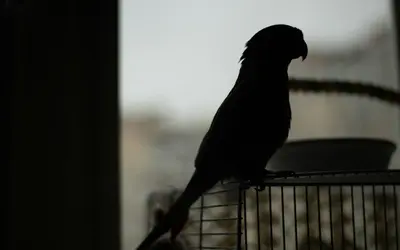
If you're reading this, your heart is probably heavy. The tiny companion who's filled your home with songs, chirps, and endless personality...

Caring for aging rabbits and guinea pigs requires adjustments, patience, and a deeper understanding of their changing needs. These precious...
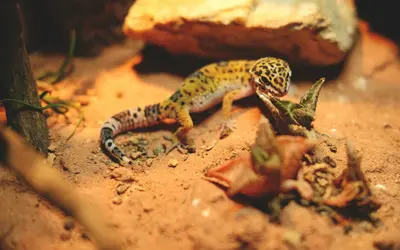
Whether you share your life with a gentle gecko, a wise old turtle, or a beloved snake, the bond you've formed is real, profound, and...

Watching your beloved rabbit enter their golden years brings both gratitude for the precious time you've shared and natural concern for...

Caring for an exotic pet brings unique joys and challenges that many people don't fully understand until they've experienced the deep bond...

If you can't stop crying after your pet died, you're not falling apart. You're not being dramatic. And you're not grieving the wrong way....

When we lose a beloved pet, the emptiness they leave behind can feel insurmountable. That precious companion who greeted you every morning,...

If you've caught yourself mid-sentence, about to mention your dog or cat, and then stopped because you weren't sure the other person wanted...
Exotic pets present specific challenges at the end of life. Their communication of pain and illness often differs dramatically from that of dogs and cats. Their veterinary needs require specialized training. Exotic pet lifespans vary enormously, from a rat’s two-year life to a parrot that may live 50 years or more. And the social support available to owners who lose exotic pets is often thinner than that available to those who lose more conventional companions.
Knowing these differences in advance helps you find the right resources and give your pet the best possible care, no matter what they are facing.
Rabbits are a prey species, which means they are exceptionally skilled at hiding illness and pain. By the time a rabbit shows obvious signs of distress, their condition may be quite advanced. Signs of significant decline in rabbits include reduced or absent fecal output, refusal to eat (which in rabbits can become life-threatening within 24 hours), tooth grinding, hunched posture, and labored breathing.
Common serious health conditions in senior rabbits include GI stasis, dental disease, uterine cancer (especially in unspayed females), and kidney disease. Finding a veterinarian who is specifically trained and experienced in rabbit medicine is important; general practice vets vary significantly in their expertise with rabbits.
Euthanasia for rabbits is available and is the same peaceful process as for cats and dogs. Many exotic-specialist vets can perform in-home euthanasia for rabbits. Aftercare options include cremation and home burial, and smaller pets can often be accommodated by standard pet cremation providers. Now, let’s consider the unique needs of birds at the end of life.
Birds are extraordinarily skilled at masking illness, an evolutionary survival trait that makes end-of-life care particularly challenging. A bird who appears fine can decline rapidly. Signs of serious illness in birds include puffed feathers, sitting on the cage bottom, changes in droppings, reduced vocalization, loss of balance, and changes in breathing.
Birds can live very long lives, particularly parrots, and the grief of losing a bird is often entangled with the grief of what might have been a decades-long relationship. Finding an avian veterinarian (ABVP Avian specialty certification is a useful credential to look for) is important for birds with serious illness.
Euthanasia and aftercare options for birds depend on size. Most avian vets can provide euthanasia, and cremation services that handle birds are available in most areas. The following section covers end-of-life care for small mammals, including guinea pigs, ferrets, and rats.
Guinea pigs, ferrets, rats, hamsters, and other small mammals have relatively short lifespans compared to larger pets, which means their owners often face loss more frequently. This does not reduce the loss.
Small mammals also require exotic-specialist veterinary care for the best outcomes. Common serious conditions include respiratory disease in ferrets, tumors in rats, bladder and kidney issues in guinea pigs, and dental disease across most small species. Pain management options have improved and are available for small mammals through exotic vets.
Euthanasia for small mammals is performed by exotic-specialist vets. Aftercare options include cremation, and, given their size, home burial is often feasible and meaningful.
Reptiles have specific physiological needs that make their end-of-life care distinct. Temperature regulation is critical, as reptiles with serious illness often cannot regulate their own body temperature effectively. Signs of serious decline include prolonged hiding, refusal to eat for extended periods, lethargy beyond their normal behavior, unusual postures, and visible physical changes.
Reptile veterinary medicine is a specialty. If you have a reptile with a serious health issue, a reptile-specialist vet (often board-certified in exotic animal medicine) will be able to give you the most accurate assessment of prognosis and options.
Euthanasia for reptiles can be performed by exotic-specialist vets. It is a humane and peaceful process. Aftercare options include cremation from exotic pet providers and home burial. Next, we’ll address how to find an exotic vet for your pet’s end-of-life needs.
The most important thing you can do for an exotic pet facing serious illness is find a vet who genuinely specializes in their species. Board certification in exotic animal medicine (ABVP Exotic Companion Mammal or Avian specialty) is a good indicator. Asking how many of your specific type of pet a vet sees in a month is also a useful question.
Exotic pet veterinary specialists are not in every area. Telehealth consultations from exotic specialist vets are increasingly available and can supplement care from a general vet closer to you. In the next section, we’ll talk about grief and support after the loss of an exotic pet.
The grief of losing an exotic pet is frequently dismissed by people who do not understand the depth of the relationship. Comments like "it was just a guinea pig" or "couldn't you get another one" are unfortunately common. They reflect a misunderstanding of the relationship rather than a correct assessment of its value.
Your grief is proportional to your relationship with the animal, not to the animal’s size or to social expectations about which pets are worth grieving. All of the resources in our grief and emotions section apply equally to exotic pet loss. You belong here, too.
Yes. Love, Baxter covers end-of-life care for rabbits, birds, small mammals, and reptiles, including recognizing signs of decline in each species, finding an exotic-specialist vet, understanding aftercare options for smaller animals, and navigating grief that may not be validated by the people around you. Our directory also includes exotic pet specialists.
Not all vets are equally trained in exotic animal medicine. A general practice vet may have very limited knowledge of your specific species. Finding a vet with board certification in exotic animal medicine or one who sees a high volume of your type of pet is one of the most important things you can do. Telehealth consultations from exotic specialists are increasingly available if local options are limited.
Rabbits are prey animals and are exceptional at hiding illness. By the time visible signs appear, their condition may be advanced. Signs of significant decline include reduced or absent fecal output, refusal to eat (which can become life-threatening within 24 hours in rabbits), tooth grinding, hunched posture, and labored breathing. Any of these signs warrants urgent veterinary attention.
Yes. Euthanasia for rabbits, birds, small mammals, and reptiles is available through exotic-specialist veterinarians and is the same peaceful process as for cats and dogs. Many exotic vets can also perform in-home euthanasia for rabbits and other small pets. Aftercare, including cremation, is available through exotic pet providers in most areas.
Completely. The grief of losing an exotic pet is the same grief as losing any companion animal. The relationship was real, the daily presence was real, and the loss is real. Comments like it was just a guinea pig reflect a misunderstanding of the relationship, not an accurate measure of its value. All of our grief resources apply equally to the loss of exotic pets.