




If you're here because you believe you accidentally caused your pet's death, take a breath. You're carrying something almost too heavy to...
When You Accidentally Caused Your Pet’s Death
read more
Start here
By topic
By pet
Not sure where to start?
Answer a few questions and a real person on our team will send resources picked for you.
Get personalized helpCare for older pets, serious illness and the end of life.
See all end-of-life carePeople who help before and after a loss.
Cremation, burial and ways to remember.
Also in Find Care

Start here
By topic
By pet
Not sure where to start?
Answer a few questions and a real person on our team will send resources picked for you.
Get personalized helpCare for older pets, serious illness and the end of life.
See all end-of-life carePeople who help before and after a loss.
Cremation, burial and ways to remember.
Also in Find Care
Sudden pet loss is its own category of grief. There was no preparation, no goodbye, no chance to brace for what was coming. This section is written specifically for that experience: shock, traumatic responses, guilt without context, and the absence of closure. If you are here in the immediate aftermath of a sudden loss, we are very sorry. You are not alone in this, and these resources are here for you whenever you are ready.
Unsure where to start? Get personalized help from our team →
If you're here because you believe you accidentally caused your pet's death, take a breath. You're carrying something almost too heavy to...
The hours at home between vet visits, when your pet is sick or recovering from treatment, tell you the most about how they're really doing....

Your pet is gone, and they weren't there with you when it happened. Maybe they died at the vet while you were working. Maybe they slipped...
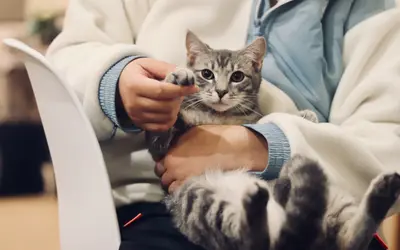
Finding out that your pet's death might have been caused by a veterinary mistake changes everything. Your grief mixes with anger, blame,...
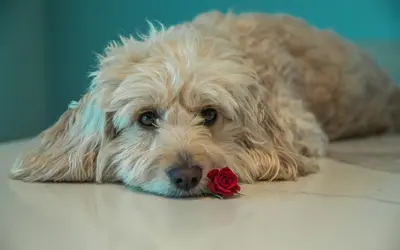
Many pet-safe flowers are on the ASPCA's non-toxic lists for both dogs and cats, including roses, zinnias, garden snapdragons, and African...
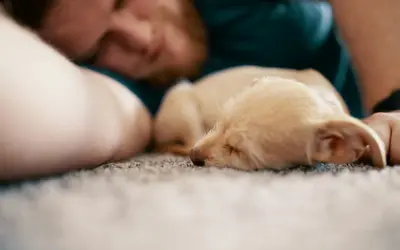
Losing your pet means grieving and, at the same time, facing decisions you may never have thought about. One of the hardest is also one of...
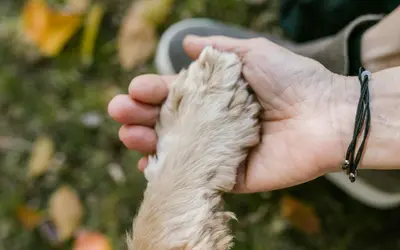
If your dog just got into the Benadryl, or you're standing in the kitchen about to give a dose and your stomach is in knots, here's the...

In partnership with Support Your Team Through Loss See how Bereave helps workplaces show up for grieving employees, with structured...
The moment you discover your beloved pet has passed away unexpectedly is unlike anything else in this world. The shock, disbelief, and...
Grief researchers note that sudden, unexpected loss tends to produce more acute initial grief than anticipated loss, regardless of the relationship. The absence of preparation removes the gradual adjustment that anticipatory grief provides. The mind has no framework for the new reality because the transition was abrupt.
Sudden pet loss can occur in many ways: an accident, an unexpected cardiac or organ failure, a rapid-onset illness, a traumatic event, or a loss that happened while you were not present. Each carries its own particular weight, but all share the fact that they were not something you were ready for.
Shock is not just an expression. It is a real physiological state that occurs after trauma or sudden, devastating news. It involves the nervous system flooding the body with stress hormones that affect perception, memory, cognition, and physical function. In the immediate aftermath of sudden pet loss, you may feel numb, unable to process what happened, strangely calm, or conversely overwhelmed in ways you cannot control.
Shock typically begins to lift within hours to days. As it does, the actual emotional weight of the loss becomes more present, and this transition can feel like a second wave of grief that is sometimes harder than the first.
One of the most painful aspects of sudden loss is the absence of a goodbye. With anticipated loss, there is often time to sit with your pet, to say what you need to say, to have one more afternoon on the couch or one last walk. Sudden loss removes this entirely.
Many people who have lost pets suddenly carry the pain of an unfinished goodbye for a long time. If this is where you are, we want to say this clearly: the goodbye that you did not get to have was already implicit in every day you cared for them. The love that was in the relationship did not require a final moment to be real and complete.
In some cases, the experience of sudden pet loss is compounded when it involves trauma. When sudden pet loss involves a traumatic element, such as an accident, an act of violence, or a death that was distressing to witness, the grief can take on features of trauma in addition to ordinary grief. This can include intrusive memories or images, hypervigilance, avoidance of reminders, flashbacks, and disrupted sleep.
If these experiences are present and persistent, they may indicate complicated grief with a traumatic component, which can benefit from working with a therapist trained in both grief and trauma. This is not a weakness. It is a recognition that your nervous system has absorbed something very difficult.
Guilt is common in pet loss, but sudden loss tends to amplify it in specific ways. If you were not there when it happened, you feel guilt about the absence. If an accident was involved, guilt about not preventing it. If a health issue came on quickly, guilt about not catching it sooner.
These feelings are real, but they are not accurate assessments of fault. Most sudden pet deaths are genuinely unforeseeable. Most accidents happen in seconds, not through neglect. Most rapid-onset illnesses show no warning signs until they have advanced significantly. Guilt is the mind's attempt to find control in a situation where there was none.
Sudden pet loss often requires practical decisions to be made very quickly, in the middle of shock: what to do with their body, who to call, and whether to involve children. These decisions can feel impossible when your capacity to think clearly has been compromised by shock and grief.
It is okay to ask for help with this. It is okay to say "I cannot do this right now" and ask someone else to make calls or handle logistics. If you have any time, most veterinary clinics can temporarily hold a pet's body while you take a few hours to breathe. You do not have to decide everything in the first hour.
Sudden loss can leave people feeling that they need closure before they can grieve fully, and that the absence of goodbye is a permanent barrier. Closure is a useful concept, but often misunderstood. It is not a door that shuts and stops grief. It is a gradual process of integrating what happened into your understanding of your life.
Some people create their own rituals of goodbye in the days or weeks after a sudden pet loss: writing a letter to their pet, creating a memorial, or holding a small ceremony. These acts are not compensating for something that was lost. They are grieving the way humans have always done. They are worth considering whenever you are ready.
Yes. Love, Baxter has a dedicated section on sudden pet loss with articles written for this specific experience. You will find content on the shock response, grief without a goodbye, traumatic loss and complicated grief, guilt after sudden loss, and how people find their way through grief when there was no time to prepare. If you are here in the immediate aftermath of an unexpected loss, take whatever time you need. The articles are here when you are ready.
Grief researchers have documented that sudden, unexpected loss tends to produce more acute initial grief because the mind has no framework for the new reality. With anticipated loss, anticipatory grief provides a gradual adjustment. Sudden loss removes that entirely. The absence of preparation also removes the opportunity to say goodbye, leaving a specific kind of pain that takes time to work through. These features are real and distinct, not a sign that something is wrong with how you are grieving.
Shock is a real physiological state, not just a figure of speech. It involves the nervous system flooding the body with stress hormones that affect perception, memory, cognition, and physical function. In the immediate aftermath, you may feel numb, unable to process what happened, strangely calm, or overwhelmed in ways you cannot control. Shock typically begins to lift within hours to days. As it does, the actual emotional weight of the loss becomes more present, and this can feel like a second wave that is sometimes harder than the first.
Guilt is common in pet loss generally, and sudden loss tends to amplify it in specific ways. If you were not there when it happened, you feel guilt about the absence. If an accident was involved, guilt about not preventing it. If a health issue came on quickly, guilt about not catching it sooner. These feelings are real, but they are not accurate assessments of fault. Most sudden pet deaths are genuinely unforeseeable. Guilt is often the mind's attempt to find control in a situation where there was none.
Closure is often misunderstood as a door that shuts and makes grief stop. It is actually a gradual process of integrating what happened into your understanding of your life. Many people who lost a pet suddenly create their own rituals of goodbye in the days or weeks afterward: writing a letter, creating a memorial, holding a small ceremony. These acts are not compensating for something lost. They are grieving the way humans have always done. The goodbye you did not get to have was already implicit in every day you cared for them.