







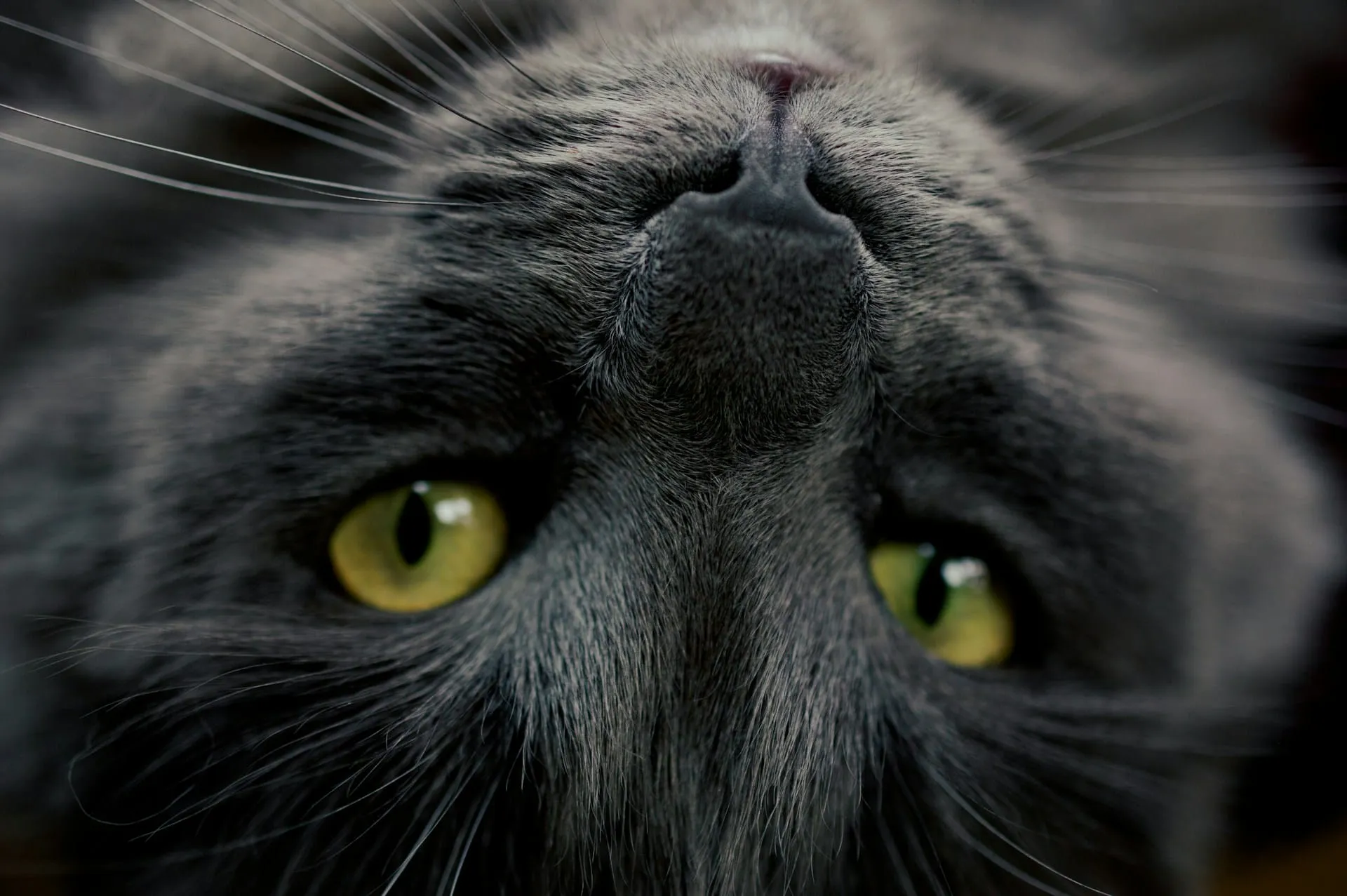
Watching our beloved feline companions enter their golden years brings both joy and concern to many pet parents. At Love, Baxter, we understand the deep bond you share with your cat and the importance of providing exceptional care throughout every stage of their life. Caring for a senior cat requires special attention and understanding, but with the proper knowledge and approach, these can be some of the most rewarding years you’ll share together.
Urinary problems often show up first as litter box changes, which we cover in urinary tract issues in senior pets, along with causes and care.
Senior cat care involves recognizing age-related changes, adapting your home environment, and working closely with your veterinarian to maintain your cat’s quality of life. While every cat ages differently, understanding what to expect and how to respond can help ensure your feline friend remains comfortable, healthy, and happy throughout their senior years. The love and dedication you show during this time create a foundation of care that honors the special relationship you’ve built together.
Table of Contents
- 1Understanding When Your Cat Becomes a Senior
- 2Physical Changes to Expect in Senior Cats
- 3Common Health Concerns in Aging Cats
- 4Creating a Senior-Friendly Home Environment
- 5Nutritional Needs for Senior Cats
- 6Veterinary Care for Aging Felines
- 7Supporting Your Senior Cat’s Quality of Life
- 8Emotional Support for Aging Cats
- 9Making Senior Cat Care Rewarding and Meaningful
- 10Frequently Asked Questions About Senior Cat Care
Understanding When Your Cat Becomes a Senior
Most veterinary professionals classify cats as seniors when they reach 7 to 10 years of age, though this timeline can vary significantly based on individual factors. Indoor cats typically enjoy longer lifespans than their outdoor counterparts, often living 12 to 18 years or more with proper senior cat care. However, we’ve learned that age is just a number for our feline companions.
Some cats begin showing signs of aging earlier in life, while others maintain their youthful energy and curiosity well into their teens. The key lies in paying close attention to your cat’s changing needs and adapting your care routine. Regular veterinary checkups have become increasingly important during these years, as early detection and management of age-related health issues can significantly improve outcomes and extend quality of life.
Understanding your cat’s transition into their senior years helps you prepare for the journey ahead. Rather than waiting for obvious signs of aging, proactive senior cat care allows you to create an environment that supports your cat’s changing needs before problems arise.
Physical Changes to Expect in Senior Cats
As cats age, various physical changes occur that are natural parts of the aging process. Recognizing these changes early allows you to adapt your senior cat care routine effectively and ensure your cat remains comfortable throughout their golden years.
Mobility and Joint Health Changes
Decreased mobility is one of the most common changes in senior cats, often resulting from arthritis or general joint stiffness. You might notice your cat hesitating before jumping onto furniture they once accessed easily or moving more slowly after periods of rest. Senior cats frequently show reluctance to navigate stairs or may spend more time in one comfortable location rather than exploring their environment as they once did.
Supporting your cat’s mobility requires thoughtful environmental modifications. The following adjustments can significantly improve your senior cat’s daily comfort:
- Provide ramps or pet steps to help your cat reach favorite perches and sleeping spots without strain on their joints
- Install orthopedic bedding that offers crucial joint support and pressure point relief during rest periods
- Ensure litter boxes have low sides to make elimination more comfortable and accessible for cats with limited mobility
- Place non-slip mats on smooth surfaces to prevent dangerous falls and provide stable footing
These adjustments demonstrate your commitment to maintaining your cat’s independence and dignity throughout their senior years while reducing physical discomfort associated with normal aging.
Vision and Hearing Adaptations
Gradual vision or hearing loss affects many senior cats, though these remarkable animals often adapt with surprising grace. You might occasionally observe your cat bumping into furniture or startling more easily when touched unexpectedly. Some senior cats have difficulty locating their food or water bowls, while others show changes in their response to familiar vocal cues.
Creating a supportive environment for cats with sensory changes requires consistent approaches and gentle modifications:
- Maintain consistent home layouts to help your cat navigate confidently using memory and remaining senses
- Install night lights in hallways and near feeding stations to assist cats with declining vision
- Speak softly and approach slowly to prevent startling cats with hearing loss
- Keep food and water bowls in the same locations to reduce confusion and ensure reliable access to essential resources
These environmental considerations help maintain your cat’s confidence and reduce anxiety associated with sensory changes commonly accompanying aging.
Coat and Skin Transformations
Senior cats often experience notable changes in their coat quality and skin condition. Thinning or graying fur becomes more apparent, while reduced grooming ability may lead to matted areas or an unkempt appearance. Dry or flaky skin can develop; overgrown claws may result from decreased natural scratching activity.
Regular grooming assistance becomes essential for senior cat care and provides opportunities for bonding:
- Brush your cat more frequently to prevent matting while distributing natural oils throughout their coat
- Use gentle, soft-bristled brushes that won’t irritate sensitive skin or cause discomfort during grooming sessions
- Trim claws regularly to ensure comfort and prevent ingrown nails, as older cats may not naturally wear down their claws
- Monitor for skin changes, including lumps, bumps, or areas of irritation that may require veterinary attention
This hands-on care allows you to monitor your cat’s overall condition while providing comfort and maintaining their appearance and hygiene.
Common Health Concerns in Aging Cats
While not every senior cat develops serious health problems, awareness of common age-related conditions helps you recognize early warning signs and seek appropriate veterinary intervention when necessary.
Kidney Disease Management
Unfortunately, chronic kidney disease affects a significant percentage of senior cats, with studies showing that up to 30% of cats over 10 years old develop some degree of kidney dysfunction. Early detection proves crucial for effective management and maintaining quality of life. Warning signs include increased drinking and urination, unexplained weight loss despite maintaining a good appetite, decreased energy levels, and deteriorating coat quality.
Managing kidney disease requires close collaboration with your veterinary team to develop a comprehensive care plan:
- Specialized diets designed to reduce kidney workload while maintaining proper nutrition and palatability
- Medications to support kidney function and manage related symptoms such as nausea or high blood pressure
- Regular monitoring through blood work and urinalysis to track disease progression and treatment effectiveness
- Hydration support through increased wet food feeding or subcutaneous fluid administration when recommended
Early intervention and consistent management can significantly slow disease progression and maintain quality of life for extended periods, allowing many cats to live comfortably with kidney disease for years. Those years are comfort-directed care in practice, and a practical guide to palliative care for cats covers how to build a routine you can keep.
Arthritis and Joint Health
Joint disease affects numerous senior cats, though these stoic animals excel at hiding discomfort from their human companions. Subtle signs include reduced jumping or climbing activity, occasional elimination outside the litter box when accessing it becomes uncomfortable, decreased grooming, particularly in hard-to-reach areas, and changes in preferred sleeping locations or positions.
Arthritis management in senior cats often involves multiple approaches working together for optimal comfort:
- Pain management medications specifically formulated for feline use to reduce inflammation and discomfort safely
- Joint supplements containing glucosamine and chondroitin to support cartilage health and joint function
- Alternative therapies such as acupuncture or therapeutic massage provide additional pain relief and improve mobility
- Environmental modifications, including ramps, heated beds, and easily accessible resources to reduce joint stress
Working with your veterinary team ensures appropriate pain management while monitoring for potential side effects of medications in senior cats.
Dental Health Challenges
Dental disease becomes increasingly prevalent with age and can significantly impact your senior cat’s overall health and comfort. Warning signs include persistent bad breath that worsens over time, difficulty eating or showing preference for soft foods, pawing at the face or mouth area, and drooling or dropping food while attempting to eat.
Maintaining dental health in senior cats requires professional veterinary care combined with home management strategies:
- Regular dental cleanings performed under anesthesia allow thorough evaluation and treatment of dental disease
- Home dental care routines help maintain oral health between professional cleanings using cat-safe toothpaste and brushes
- Dental diets or treats formulated to reduce tartar buildup and support overall oral health
- Pain management for cats with existing dental disease to ensure comfort while eating and maintaining nutrition
Untreated dental disease can lead to significant pain and may contribute to other health problems throughout the body, making proactive dental care essential for senior cat health.
Creating a Senior-Friendly Home Environment
Adapting your living space to meet your senior cat’s changing needs demonstrates love and commitment while significantly improving their daily comfort and independence.
Essential Accessibility Modifications
Creating an accessible environment involves thoughtfully placing essential resources and removing potential obstacles. These modifications help maintain your cat’s independence while ensuring safety and comfort throughout your home.
Feeding station improvements can significantly impact your senior cat’s daily comfort:
- Lower food and water stations or use elevated bowls to reduce neck strain for arthritic cats during meals
- Multiple feeding locations throughout your home ensure easy access regardless of your cat’s current location
- Non-slip mats under food and water bowls prevent sliding and provide stable eating surfaces
- Fresh water availability in multiple locations encourages proper hydration, which is especially important for cats with kidney concerns
Litter box accessibility becomes increasingly crucial as cats age and mobility decreases:
- Multiple litter boxes placed throughout your home, particularly on every floor, ensure easy access when mobility becomes limited
- Low-sided boxes feature comfortable entry and exit for cats with arthritis or other mobility issues
- Non-clumping litter may be easier for some senior cats to navigate and creates less dust for respiratory comfort
- Regular cleaning becomes even more critical as some senior cats become more particular about litter box cleanliness
Navigation and safety improvements help prevent injuries and maintain confidence:
- Ramps or pet steps near favorite furniture help maintain access to preferred resting spots without painful jumping
- Non-slip surfaces, such as rugs or textured mat,s prevent dangerous slips on smooth flooring
- Adequate lighting helps cats with vision changes navigate safely throughout your home
- Clear pathways free from obstacles reduce the risk of bumps and falls for cats with sensory impairments
Comfort Enhancement Strategies
Senior cats often seek additional warmth and comfort to manage age-related changes and maintain optimal wellbeing. Providing these comfort enhancements shows dedication to your cat’s happiness during their golden years.
Temperature and bedding considerations become increasingly important:
- Heated pet beds or warming pads designed for animal use provide therapeutic comfort during rest periods
- Orthopedic or memory foam bedding offers superior support for aging joints and pressure points
- Multiple comfortable resting areas throughout your home allow your cat to choose preferred locations
- Draft-free sleeping areas help maintain a comfortable body temperature for cats who may have difficulty regulating heat
Activity and enrichment adaptations ensure your senior cat maintains mental stimulation:
- Easily accessible scratching options accommodate cats with limited mobility while allowing natural scratching behaviors
- Shorter scratching posts or horizontal scratching pads work well for cats who can no longer stretch to full height
- Interactive toys adapted for senior cats provide mental stimulation without requiring excessive physical activity
- Quiet retreat spaces away from household activity give senior cats peaceful areas for undisturbed rest and relaxation
These environmental enhancements create a supportive atmosphere that adapts to your cat’s changing needs while maintaining their quality of life and independence.
Nutritional Needs for Senior Cats
Proper nutrition is fundamental in maintaining your senior cat’s health, energy levels, and overall quality of life. As cats age, their nutritional requirements often change, necessitating diet and feeding routine adjustments.
Senior cats frequently benefit from dietary modifications that support their changing physiological needs:
- Higher protein diets help maintain muscle mass and support overall body condition as metabolism changes with age
- Easily digestible food formulations support aging digestive systems that may not process nutrients as efficiently as in younger years
- Increased moisture content through wet food or adding water to dry kibble helps maintain hydration, which is particularly important for cats with kidney concerns
- Smaller, more frequent meals may be easier for senior cats to digest and can help maintain stable energy levels throughout the day
Working with your veterinary team ensures optimal nutrition for your individual cat’s specific needs and health conditions. Some senior cats require specialized diets formulated for particular health concerns such as kidney disease, diabetes, or urinary tract health. Others may benefit from supplements that support joint health, cognitive function, or overall immune system strength.
Feeding routine adaptations can significantly improve your senior cat’s eating experience:
- Consistent meal times provide security and routine that many senior cats find comforting
- Easily accessible food locations ensure your cat can reach their meals without discomfort or difficulty
- Puzzle feeders can provide mental stimulation during mealtime for cats who remain food-motivated and cognitively active
- Temperature considerations, such as slightly warming wet food, can make meals more appealing to cats with decreased appetite
Veterinary Care for Aging Felines
Regular veterinary care becomes increasingly crucial for senior cats, as health conditions can develop rapidly in older animals. We recommend wellness examinations every six months for cats over seven years of age, allowing early detection and management of age-related health concerns.
Comprehensive senior wellness exams provide a thorough evaluation of your cat’s overall health status:
- Complete physical examinations assess all body systems and identify potential areas of concern
- Weight and body condition monitoring helps track changes that may indicate developing health issues
- Blood work screening detects early signs of kidney disease, diabetes, hyperthyroidism, and other common senior cat conditions
- Blood pressure measurements identify hypertension that commonly affects older cats and can impact multiple organ systems
Diagnostic testing becomes more comprehensive for senior cats and may include additional screenings:
- Urinalysis provides essential information about kidney function and urinary tract health
- Thyroid function testing screens for hyperthyroidism, a common condition in senior cats
- Dental examinations assess oral health and identify potential sources of pain or infection
- Vision and hearing assessments help identify sensory changes that may require environmental modifications
Maintaining open communication with your veterinary team about any changes you observe in your cat’s behavior, appetite, or daily routines helps ensure prompt attention to developing health concerns. Early intervention often leads to better treatment outcomes and improved long-term quality of life for senior cats.
Supporting Your Senior Cat’s Quality of Life
Maintaining quality of life becomes the primary focus of senior cat care, involving a careful balance between medical treatment and daily comfort. Quality of life considerations encompass multiple aspects of your cat’s daily experience and overall wellbeing.
Physical comfort management forms the foundation of quality senior cat care:
- Effective pain management through appropriate medications and alternative therapies ensures your cat remains comfortable
- Regular monitoring for signs of discomfort helps identify when treatment adjustments may be necessary
- Environmental modifications that reduce physical stress and support your cat’s changing abilities
- Gentle handling during daily care activities to prevent discomfort or anxiety
Mental and emotional wellbeing requires ongoing attention and adaptation:
- Appropriate mental stimulation through age-suitable activities and interactive toys maintains cognitive function
- Continued social interaction and bonding time strengthen your relationship and provide emotional support
- Consistent daily routines provide security and comfort during a time when many things may be changing
- Respect for changing preferences in activity level, interaction style, and environmental needs
Quality of life assessments help guide care decisions and treatment choices throughout your cat’s senior years. Your veterinary team can guide you in evaluating your cat’s comfort level and help you understand when medical interventions enhance rather than burden your cat’s daily experience. These ongoing evaluations ensure that care decisions align with your cat’s best interests and maintain their dignity throughout aging.
Emotional Support for Aging Cats
Senior cats require emotional support alongside physical care, as aging can create stress and anxiety, particularly when dealing with health issues or sensory changes. Understanding and addressing these emotional needs contributes significantly to your cat’s overall quality of life and happiness.
Supporting your cat’s emotional wellbeing involves multiple approaches tailored to their individual personality and changing needs:
- Maintaining familiar routines that provide comfort and security during times of physical and environmental change
- Offering gentle affection adapted to your cat’s current comfort preferences and physical limitations
- Providing appropriate mental stimulation through puzzle toys and interactive games that match their current ability level
- Recognizing signs of anxiety or stress and making environmental adjustments to reduce these feelings
Creating safe, quiet spaces where your senior cat can retreat when feeling overwhelmed or tired becomes increasingly essential. Many senior cats appreciate having designated areas to rest undisturbed, away from household activity and noise. These retreat spaces should include comfortable bedding, easy access to water, and proximity to a litter box if mobility is limited.
Remember that senior cats typically require more rest and may not display the same activity levels as in their younger years. Adjusting your expectations and interaction style helps reduce stress for you and your beloved companion. This might mean shorter play sessions, gentler handling during grooming, or simply spending quiet time together rather than engaging in active games.
Patience becomes essential when caring for senior cats, as they may need more time to respond to calls, move between locations, or complete daily activities. This patience demonstrates your love and understanding while helping maintain their confidence and dignity throughout the aging process.
Making Senior Cat Care Rewarding and Meaningful
Caring for a senior cat is a privilege and a responsibility that deepens the extraordinary bond you share with your feline companion. While the changes accompanying aging may sometimes feel overwhelming, remember that you’re not navigating this journey alone. Proper senior cat care, regular veterinary support, and abundant love can help your cat enjoy its golden years with dignity, comfort, and happiness.
At Love, Baxter, we believe every moment with our beloved pets carries precious value. The care and attention you provide during your cat’s senior years create a foundation of love that will bring comfort regardless of the future. Your dedication to understanding and meeting your aging cat’s evolving needs demonstrates the profound love that makes the human-animal bond extraordinary and meaningful.
If you feel overwhelmed by your senior cat’s changing needs, remember that seeking support reflects love, not inadequacy. Whether consulting with your veterinary team, connecting with other pet parents facing similar challenges, or simply taking time to appreciate quiet moments with your feline friend, every step you take in caring for your senior cat honors the beautiful relationship you’ve built together throughout the years.
The senior years often bring unexpected gifts in the form of deeper connection, increased appreciation for simple moments, and the satisfaction of providing comfort to a beloved companion who has brought joy to your life. Embracing this phase with knowledge, compassion, and dedication creates a meaningful experience that celebrates your special bond while ensuring your cat’s continued happiness and wellbeing.
Frequently Asked Questions About Senior Cat Care
When is my cat considered a senior, and what physical changes should I expect?
Most veterinary professionals classify cats as seniors when they reach 7 to 10 years of age, though this timeline varies significantly based on individual factors, with indoor cats typically enjoying longer lifespans of 12 to 18 years or more with proper care. Age is just a number for feline companions. Some cats show aging signs earlier. In contrast, others maintain youthful energy well into their teens, making close attention to changing needs more important than specific age milestones. Physical changes include decreased mobility often resulting from arthritis or joint stiffness, with cats hesitating before jumping onto furniture, moving more slowly after rest, showing reluctance to navigate stairs, or spending more time in comfortable locations. Vision and hearing adaptations affect many senior cats. However, they often adapt with surprising grace. You might observe occasional furniture bumping, easier startling when touched unexpectedly, difficulty locating food bowls, or changes in response to vocal cues. Coat and skin transformations include thinning or graying fur, reduced grooming ability leading to matted areas, dry or flaky skin development, and overgrown claws from decreased natural scratching activity. Supporting these changes requires environmental modifications like providing ramps or pet steps, orthopedic bedding, low-sided litter boxes, non-slip mats, consistent home layouts, night lights, and regular grooming assistance to maintain your cat’s independence and dignity throughout their senior years.
What are the most common health concerns in aging cats, and how can I recognize early warning signs?
Chronic kidney disease affects up to 30% of cats over 10 years old, making it one of the most significant senior cat health concerns, with warning signs including increased drinking and urination, unexplained weight loss despite good appetite, decreased energy levels, and deteriorating coat quality. Management requires specialized diets to reduce kidney workload, medications to support function and manage symptoms, regular monitoring through blood work, and hydration support through increased wet food or subcutaneous fluids when recommended. Arthritis and joint disease affect numerous senior cats who excel at hiding discomfort. Subtle signs include reduced jumping or climbing, occasional elimination outside the litter box when access becomes uncomfortable, decreased grooming in hard-to-reach areas, and changes in preferred sleeping locations. Arthritis management involves pain medications specifically formulated for cats, joint supplements containing glucosamine and chondroitin, alternative therapies like acupuncture or massage, and environmental modifications, including ramps and heated beds. Dental health challenges become increasingly prevalent with age, with warning signs including persistent bad breath that worsens, difficulty eating or preference for soft foods, pawing at face or mouth, and drooling or dropping food. Maintaining dental health requires regular professional cleanings under anesthesia, home dental care routines using cat-safe products, dental diets or treats, and pain management for existing disease to ensure eating comfort.
How should I modify my home environment to support my senior cat’s changing needs?
Creating a senior-friendly environment involves thoughtful accessibility modifications and comfort enhancements that maintain your cat’s independence while ensuring safety. Essential feeding station improvements include lower food and water stations or elevated bowls to reduce neck strain, multiple feeding locations throughout your home for easy access, non-slip mats under bowls to prevent sliding, and fresh water availability in various locations to encourage proper hydration. Litter box accessibility becomes increasingly crucial. To ensure this, provide multiple boxes throughout your home (particularly on every floor), use low-sided boxes for comfortable entry and exit, consider non-clumping litter that’s easier to navigate with less dust, and maintain regular cleaning as senior cats become more particular about cleanliness. Navigation and safety improvements include ramps or pet steps near favorite furniture to maintain access without painful jumping, non-slip surfaces like rugs on smooth flooring to prevent falls, adequate lighting to help cats with vision changes navigate safely, and clear pathways free from obstacles to reduce bump and fall risks. Comfort enhancements focus on temperature and bedding considerations through heated pet beds or warming pads for therapeutic comfort, orthopedic or memory foam bedding for superior joint support, multiple comfortable resting areas for location choice, and draft-free sleeping areas for temperature regulation. Activity and enrichment adaptations include easily accessible scratching options, shorter posts or horizontal pads for limited mobility, interactive toys adapted for senior cats, and quiet retreat spaces for undisturbed rest.
What veterinary care and nutritional considerations are critical for senior cats?
Regular veterinary care becomes increasingly crucial, with wellness examinations recommended every six months for cats over seven years old to allow early detection and management of age-related health concerns. Comprehensive senior wellness exams include complete physical examinations assessing all body systems, weight and body condition monitoring to track changes indicating health issues, blood work screening for kidney disease, diabetes, and hyperthyroidism, and blood pressure measurements to identify hypertension affecting older cats. Additional diagnostic testing includes urinalysis for kidney and urinary tract health information, thyroid function testing for hyperthyroidism screening, dental examinations to assess oral health and identify pain sources, and vision and hearing assessments to identify sensory changes requiring environmental modifications. Nutritional needs change with age, often requiring dietary modifications. These include higher protein diets to maintain muscle mass as metabolism changes, easily digestible food formulations to support aging digestive systems, increased moisture content through wet food or water additions to support hydration, and smaller, more frequent meals that are easier to digest. Working with your veterinary team ensures optimal nutrition for individual needs and specific health conditions, with some cats requiring specialized diets for kidney disease, diabetes, or urinary tract health, while others benefit from supplements supporting joint health, cognitive function, or immune system strength. Feeding routine adaptations include consistent meal times for security, easily accessible food locations, puzzle feeders for mental stimulation, and temperature considerations like slightly warming wet food to increase appeal.
On this topic