





If your cat has been given a diagnosis that isn't going to be cured, palliative care is the name for everything you do from here. Keeping...

Palliative Care for Cats, and How to Do It at Home
read more
Start here
By topic
By pet

Not sure where to start?
Answer a few questions and a real person on our team will send resources picked for you.
Get personalized helpCare for older pets, serious illness and the end of life.
See all end-of-life carePeople who help before and after a loss.
Cremation, burial and ways to remember.
Also in Find Care

Start here
By topic
By pet
Not sure where to start?
Answer a few questions and a real person on our team will send resources picked for you.
Get personalized helpCare for older pets, serious illness and the end of life.
See all end-of-life carePeople who help before and after a loss.
Cremation, burial and ways to remember.
Also in Find Care
Your dog moves a little slower in the morning. Your cat sleeps more than she used to. The gray creeping into their muzzle is beautiful and hard to look at all at once. We built this section for exactly this season: managing chronic conditions, keeping your pet comfortable, adapting your routine to their changing needs, and preparing for what comes next, whether that is a few more good years or something more immediate. Many people describe this period as one of the most loving things they have ever done.
Unsure where to start? Get personalized help from our team →
If your cat has been given a diagnosis that isn't going to be cured, palliative care is the name for everything you do from here. Keeping...
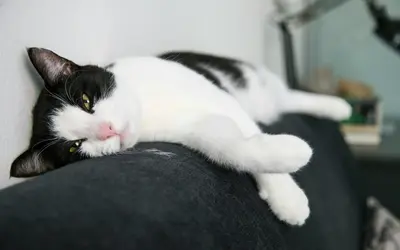
Getting a hyperthyroidism diagnosis for your cat can feel disorienting. You've probably been watching them change for a while: eating more...

Your dog has been diagnosed with hypothyroidism, or you've started noticing symptoms that line up with what you've been reading about....

What pet parents notice first isn't usually something dramatic. It's the small things: a cat who starts sitting in the litter box longer...
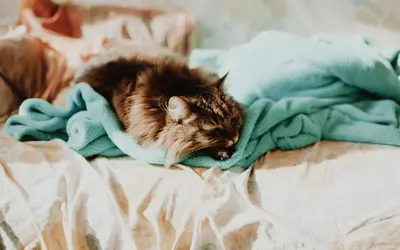
You just got the call, or you're still in the parking lot outside the vet's office. Your cat has kidney disease. The vet explained it...

For a lot of pet parents, the road to an IBD diagnosis is a long one. Months of chronic vomiting were attributed to hairballs. Weight that...

There's a moment most people recognize: you're sitting with your senior dog or cat, they've finally settled in close, and you're just...

Getting a cancer diagnosis for your pet is one of the hardest things a pet parent can hear. And then treatment starts, and suddenly you're...

If you've watched a senior pet move stiffly, seen them manage pain, or noticed fading energy, acupuncture might have crossed your mind....
The answer depends on the species and, for dogs, on the animal's size. Large and giant breeds often enter their senior years around 7 or 8, while small breeds may not show significant signs of aging until 10 to 12 years old. Cats are typically considered senior around age 11, though many remain active well into their teens. Rabbits are considered senior around 5 to 6 years old. Birds and small mammals vary considerably by species.
What matters more than any specific age is what you are noticing. Changes in sleep, energy, mobility, appetite, and behavior are often more reliable indicators of a pet entering their senior phase than a single birthday. If something feels different, it is worth paying attention to.
Senior pets do not always announce the shift in a dramatic way. More often, the changes are gradual and easy to dismiss. Some of the most common signs to watch for:
Your dog takes longer to get up from a nap. Your cat no longer jumps to the high shelf she once claimed. These changes in mobility are often among the first signs of aging and can indicate arthritis or joint stiffness, which are very manageable with the right support.
Senior pets often sleep more than they did when younger. They may also seem disoriented when they wake or begin sleeping in spots different from usual.
Some senior pets eat less; others develop an increased appetite. Unexplained weight loss or gain in an older pet deserves a veterinary conversation sooner rather than later.
A senior pet's coat may become thinner, coarser, or develop new textures. Lumps and skin tags become more common with age and should be monitored and shown to your vet during regular checkups.
Cloudy eyes, difficulty navigating familiar spaces in low light, or failure to respond to sounds they once reacted to can all signal age-related sensory changes. These are worth flagging, and many pets adapt to them well.
Some older pets become clingier; others become more withdrawn. Confusion, aimless pacing, or forgetting trained behaviors may indicate cognitive dysfunction syndrome, a condition similar to dementia that affects many senior dogs and cats. It is underdiagnosed and more manageable than most people realize.
Senior pets are more vulnerable to a range of health conditions. Knowing what to watch for helps you catch problems early and work with your vet on a plan that fits your pet's specific situation. Let's look at some of the most common health concerns to watch for as pets age.
Arthritis affects a significant percentage of senior dogs and many senior cats. Pain management options have expanded considerably and include medications, joint supplements, acupuncture, laser therapy, and physical rehabilitation. If your pet is moving differently, this is worth investigating.
Dental disease is one of the most common and undertreated conditions in older pets. Dental pain affects appetite, behavior, and quality of life in ways that are easy to miss. Regular dental checkups and periodic cleanings make a meaningful difference in how your pet feels day to day.
Kidney disease is especially common in senior cats. Early detection through routine bloodwork and urinalysis is key, as dietary and medical management can significantly slow its progression when caught early.
Heart disease is common in senior dogs, particularly certain breeds. Regular veterinary exams that include listening to the heart, along with imaging when indicated, can catch changes before they become emergencies.
Cognitive dysfunction can affect many dogs and cats over age 11. Signs include confusion, changes in sleep patterns, reduced interaction with family, and household accidents. If you are noticing these signs, talk to your veterinarian. There are ways to manage and support pets going through this.
Senior pets often have different nutritional needs than younger animals. Their digestion may be less efficient, their activity level may be lower, and certain organ systems may be working harder to maintain balance.
Diets for seniors are created to support some of these changes, though not every older pet needs them. The best way to make adjustments is by talking with your veterinarian about your pet's weight, health conditions, and recent test results.
A few principles that often apply: protein remains important for senior pets, and contrary to older veterinary thinking, healthy senior dogs and cats typically do not need protein restriction unless kidney disease is present. Hydration becomes increasingly important, especially for senior cats, many of whom benefit from wet food, pet water fountains, or both. Omega-3 fatty acids and joint support supplements may benefit senior pets, though quality and evidence vary, and your vet can help you identify what is worth trying.
Senior pets still need movement. Regular, gentle exercise helps maintain muscle mass, supports joint health, and keeps your pet mentally engaged. The goal is to adapt the activity to what they can comfortably handle, not eliminating it.
Short, frequent walks tend to work better than long ones for senior dogs. Swimming is excellent for dogs with arthritis. Puzzle feeders and gentle interactive play keep senior cats and smaller pets mentally active without placing physical strain on them.
Simple changes around the home can make a real difference: orthopedic beds, ramps in place of stairs, non-slip mats on hard floors, and raised food and water bowls all reduce daily strain for aging bodies. As your pet's needs evolve, evaluating their overall quality of life becomes increasingly important.
At some point in senior pet care, the most important question shifts from what treatments are available to what a good day actually looks like for your pet.
Quality-of-life scales, like the Villalobos Quality of Life Scale used by many veterinary professionals, provide a structured way to assess your pet's day-to-day quality of life. They look at factors such as pain levels, appetite, hydration, hygiene, mobility, and the ratio of good days to harder days. These tools are not meant to give you a number that tells you what to do. They are meant to help you see clearly when grief and hope are making clear sight difficult.
We have articles specifically about quality-of-life assessment in the senior pet care blog above and in our end-of-life planning section. If you are at this stage, you do not have to navigate it alone.
End-of-life planning does not have to wait for a crisis. Having honest conversations with your veterinarian before things become urgent gives you more options and more time to make thoughtful decisions.
Topics worth raising at a senior wellness visit include your pet's prognosis for current conditions, what palliative or hospice care might look like, which signs indicate a decline in quality of life, and what your options are when that time comes. Many vets welcome these conversations but do not initiate them unless asked.
If end-of-life care is on your mind, our pet end-of-life planning section covers these conversations in depth, including how to prepare for them and what questions to bring. Just as these decisions are personal, so is the emotional journey of caring for a senior pet, which can feel both rewarding and difficult.
Caring for a senior pet is a full-time emotional experience, even when the day-to-day care tasks are manageable. Many pet owners describe this period as marked by both deep tenderness and quiet dread. Both of those feelings are real, and both deserve space.
Anticipatory grief, the grief that begins before loss actually happens, is common among people caring for aging pets. It can feel isolating because most people around you may not understand why you are already grieving someone who is still here. We understand it, and we take it seriously.
Browse the articles above or use the search bar to find what you need today. And if you want to connect with others who are in the same season, our community and grief support resources are here for you, too.
Yes. Love, Baxter has a dedicated senior pet care section with articles on recognizing the signs of aging, managing common health conditions, nutrition for older pets, quality-of-life assessment, and preparing for end-of-life decisions before a crisis arises. The section is written for people in the tender, complicated season of caring for an aging animal, not just as a clinical reference.
For dogs, it depends on size. Large and giant breeds often enter their senior years around 7 or 8, while small breeds may not show significant signs of aging until 10 to 12 years old. Cats are typically considered senior around age 11, though many remain active well into their teens. More important than any specific age is what you are observing: changes in sleep, mobility, appetite, and behavior are often more reliable indicators than a birthday number.
The most common include arthritis and joint disease, dental disease, kidney disease (especially in cats), heart disease (especially in dogs), and cognitive dysfunction syndrome, which is similar to dementia and affects many dogs and cats over age 11. Most of these conditions are significantly more manageable when caught early, which is why regular senior wellness exams and routine bloodwork matter.
Orthopedic beds reduce joint pressure for pets with arthritis. Ramps or steps in place of jumping routes protect aging joints. Non-slip mats on hard floors help pets with reduced traction. Raised food and water bowls reduce neck and shoulder strain. Short, frequent walks work better than long ones for senior dogs. Puzzle feeders and gentle play keep senior cats and smaller pets mentally engaged without physical overload.
Quality of life scales like the Villalobos Quality of Life Scale provide a structured way to assess where your pet is day to day. They evaluate factors such as pain levels, appetite, hydration, hygiene, mobility, and the ratio of good days to harder days. These tools are not meant to give you a single answer about what to do. They are designed to help you see your pet's situation clearly when grief and hope make that difficult. Your veterinarian can walk you through how to use them.