





If your cat has been given a diagnosis that isn't going to be cured, palliative care is the name for everything you do from here. Keeping...

Palliative Care for Cats, and How to Do It at Home
read more
Start here
By topic
By pet

Not sure where to start?
Answer a few questions and a real person on our team will send resources picked for you.
Get personalized helpCare for older pets, serious illness and the end of life.
See all end-of-life carePeople who help before and after a loss.
Cremation, burial and ways to remember.
Also in Find Care

Start here
By topic
By pet
Not sure where to start?
Answer a few questions and a real person on our team will send resources picked for you.
Get personalized helpCare for older pets, serious illness and the end of life.
See all end-of-life carePeople who help before and after a loss.
Cremation, burial and ways to remember.
Also in Find Care
Anticipatory grief is grief that begins before a loss happens. It is the grief of watching your pet decline, of knowing what is coming and living with that knowledge every day. You are not grieving their death specifically. You are grieving the losses that are already happening: the abilities they no longer have, the routines that have already changed, the version of your relationship that existed before the illness. It is real grief, fully documented in clinical research, and this section is written specifically for it.
Unsure where to start? Get personalized help from our team →
If your cat has been given a diagnosis that isn't going to be cured, palliative care is the name for everything you do from here. Keeping...

What to say to someone whose pet is sick starts with saying anything at all. Use the animal's name. Leave the prognosis alone. Offer one...

When your vet tells you your cat has tested positive for FIV or FeLV, the weight of that diagnosis can feel heavy. You might wonder what it...
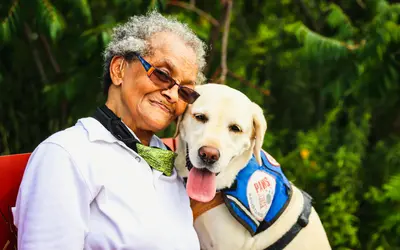
An emotional support animal isn't a pet. They're medicine. A living, breathing, furry medication that works 24/7. They regulate your...

Exotic pets live anywhere from about 2 years to well over 50, depending entirely on the species. A hamster may share just 2 to 3 years with...

Most cats live between 12 and 18 years, and many reach their late teens or early twenties with good care. Breed shifts the number: some...
When you welcome a dog into your life, you're making a promise to love them for their entire journey, however long or short it may be. We...

This post is inspired by a conversation with a friend about their beloved Molly. "I still remember the knot in my stomach when our...

In partnership with Support Your Team Through Loss See how Bereave helps workplaces show up for grieving employees, with structured...
Anticipatory grief was first described by psychiatrist Erich Lindemann in the 1940s in the context of human loss. It has since been documented across virtually every kind of attachment relationship, including the human-animal bond. It is not a disorder. It is a natural response to awareness of impending loss.
When your pet receives a serious diagnosis or enters a period of significant decline, you begin to grieve, often without realizing that is what is happening. You may find yourself crying more than seems warranted, withdrawing from normal activities, feeling a persistent underlying sadness, or being more emotionally raw than usual. These are signs of anticipatory grief, and they are real.
One of the hardest things about anticipatory grief is that it happens while your pet is still alive, which means most people around you do not understand why you are already grieving. You may get responses like "but they are still here" or "you should focus on enjoying the time you have left." These are well-meaning but miss the point.
Anticipatory grief is not the same as giving up hope or writing your pet off prematurely. It is the experience of someone who loves their pet and is aware of their mortality. The two can coexist. You can be fully present and still grieving. You can hope for more time and still be sad about what is already changing.
Anticipatory grief involves the full range of emotions associated with loss, often compressed into a period when you are also actively caregiving. Sadness is the most expected. But anticipatory grief also commonly includes:
Anxiety about what comes next, how you will know when it is time, and whether you are making the right decisions.
Guilt about grieving while your pet still needs you to be present, or about acknowledging what is coming.
Loneliness from carrying something heavy that the people around you may not fully understand.
Exhaustion from the emotional labor of caregiving, managing your own grief, and navigating decisions simultaneously.
You may experience moments of genuine joy during anticipatory grief, sometimes followed by guilt. Feeling happiness now is not a contradiction; it brings deeper meaning to the time you have left.
All of these responses are valid. Naming them honestly, rather than pushing them down, tends to make them easier to carry.
A common fear in anticipatory grief is that letting yourself grieve will make it harder to be present with your pet. However, research shows that feeling and processing grief can actually increase your ability to be present. Acknowledging grief first allows for a more genuine connection afterward.
Practically, presence and preparation can coexist. For example, you might set aside time each day just to feel your emotions, separate from caregiving. You might also talk with someone who can witness your grief without trying to fix it. By recognizing difficult moments without chasing a specific outcome, you can be fully present for the meaningful times that do arise.
One way people channel anticipatory grief productively is by focusing on their pet's quality of life in the time they have left. Making sure your pet is comfortable, engaged, and not in unmanaged pain is both practically important and emotionally grounding.
Ask your vet specific questions about what your pet can still enjoy and what they may be finding difficult. Adapt your routines to what your pet can handle today. Let them set the pace. These acts of attention are some of the most loving things you can do, and they also give you something concrete to focus on in a period that can feel helpless.
Naming what you are going through can help. Saying to someone, "I am grieving my pet even though they are still here, and I am struggling with it," gives people the chance to show up for you. Some will. Some will not know how. But giving people the language tends to get better responses than leaving them to guess why you seem sad.
If the people in your life are not providing the support you need, pet loss communities and grief counselors who specialize in anticipatory pet loss are available. You should not have to minimize what you are going through to make others more comfortable.
If anticipatory grief is significantly affecting your ability to function, sleep, work, or care for yourself or your family, that is worth taking seriously. Grief, including anticipatory grief, can reach a level that benefits from professional support.
Pet loss grief counselors and therapists who specialize in grief can work specifically with anticipatory grief. You do not have to wait until after the loss to seek support. In fact, building that support in advance often makes the loss itself slightly less isolating.
Yes. Love, Baxter has a dedicated section on anticipatory grief for pets, with articles written specifically for this experience. You will find content on what anticipatory grief is, why it can feel isolating, how to stay present with your pet while also processing what is coming, and when to seek professional support. If you are already grieving a pet who is still alive, you are in the right place.
Anticipatory grief is grief that begins before a loss happens. When your pet receives a serious diagnosis or enters a period of significant decline, you start to grieve before they have died. You may be grieving abilities they no longer have, routines that have already changed, and the version of your relationship that existed before the illness. It is real grief, clinically documented, and it is one of the least recognized experiences in the pet loss world.
Yes. Anticipatory grief is a well-documented psychological response to awareness of impending loss. It is not the same as giving up on your pet or writing them off prematurely. You can be fully present and still grieve. You can hope for more time and still feel sad about what is already changing. The confusion and shame people sometimes feel about anticipatory grief are common, but the grief itself is completely natural.
Research on anticipatory grief suggests that allowing yourself to feel and process the grief tends to create more genuine presence, not less. Practically, this can mean giving yourself time each day to feel what you are feeling, separate from your caregiving time. Talking to someone who can hold space for your grief without trying to fix it also helps. Being intentional with your pet means following their lead rather than trying to manufacture a specific kind of moment.
If anticipatory grief is significantly affecting your ability to function, sleep, work, or care for yourself or others, that is worth taking seriously. Pet loss grief counselors and therapists who specialize in grief work with anticipatory grief specifically. You do not have to wait until after the loss to seek support. Building support in advance often makes the loss itself less isolating when it comes.