







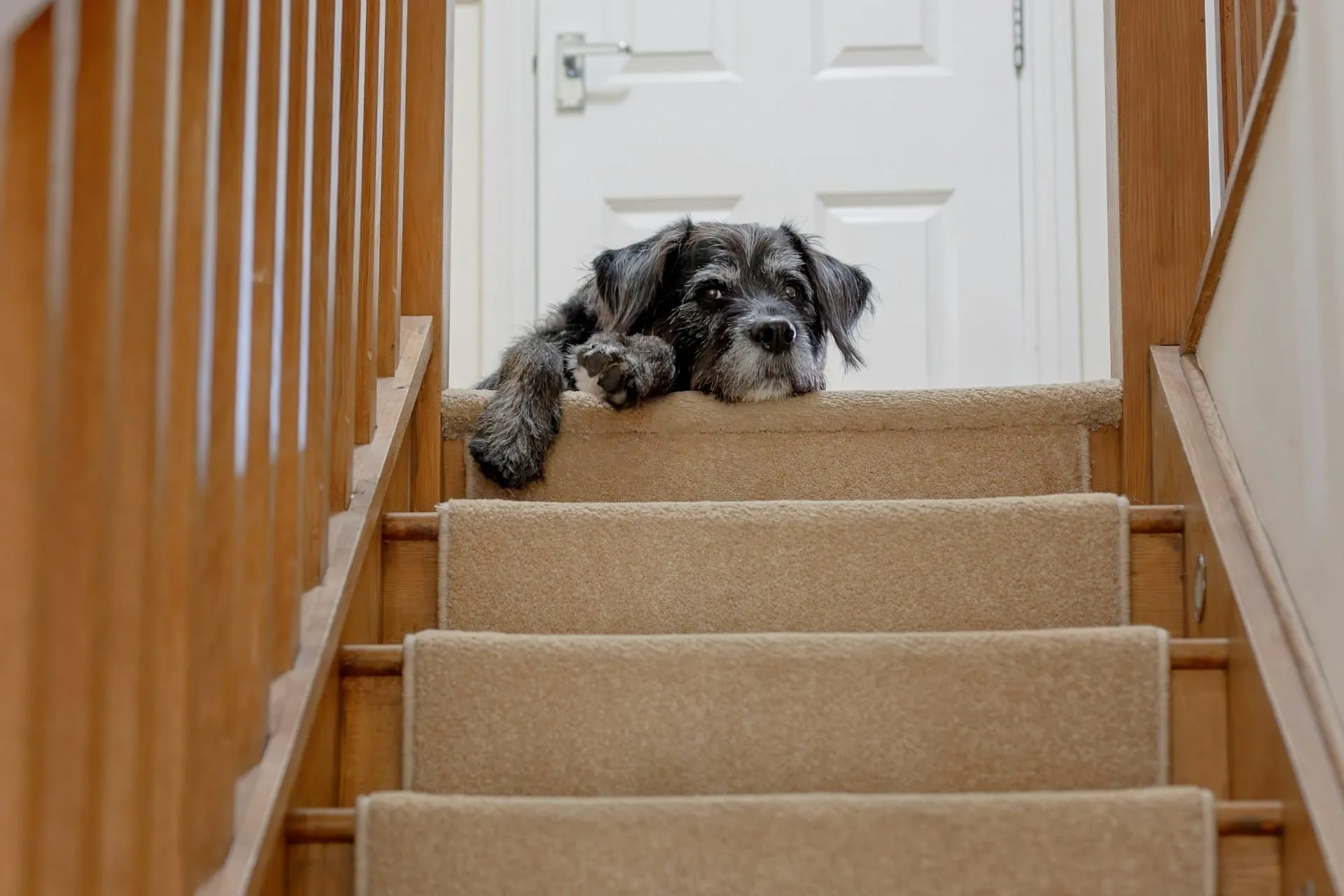
As pet parents watch their beloved companions enter their golden years, we at Love, Baxter understand the deep desire to make every day as meaningful and comfortable as possible. Your senior pet has given you years of unconditional love, and now it’s time to give back.
Environmental enrichment for senior pets isn’t just about keeping them busy: it’s about maintaining their dignity and supporting their physical comfort. It’s about nurturing the mental engagement that keeps their eyes bright and their tails wagging.
When we witnessed Baxter’s transition into his senior years, our team learned firsthand how thoughtful environmental changes could transform his daily experience. Senior pets need environmental enrichment just as much as younger animals. However, their requirements shift toward comfort, accessibility, and gentle stimulation rather than high-energy challenges.
Every minor adjustment you make to support your aging companion is an act of love that honors the incredible bond you’ve built together.
Table of Contents
- 1Understanding Your Senior Pet’s Evolving Needs
- 2Creating a Comfort-First Physical Environment
- 3Mental Stimulation That Honors Their Pace
- 4Social Enrichment for Aging Companions
- 5Sensory Considerations for Older Pets
- 6Building Supportive Daily Routines
- 7When to Adjust Your Enrichment Approach
- 8Creating Lasting Comfort and Joy
- 9Frequently Asked Questions About Environmental Enrichment for Senior Pets
Understanding Your Senior Pet’s Evolving Needs
Your senior pet’s world is changing in ways that might not be immediately visible. While they may still enthusiastically greet you at the door, their bodies tell a different story.
Physical Changes That Matter:
- Decreased mobility making stairs and furniture access challenging
- Arthritis and muscle weakness affecting daily movement
- Reduced energy levels requiring more extended rest periods
- Joint pain that impacts their willingness to engage in activities
Cognitive Considerations: Many older pets experience some degree of cognitive decline, similar to human dementia. This can show up as confusion about familiar routines or increased anxiety in new situations.
However, the good news is that appropriate mental stimulation through environmental enrichment can help slow cognitive decline and maintain mental sharpness well into their senior years.
Sensory Changes: Diminished sight, hearing, or smell significantly impacts how your pet experiences their environment. What once provided joy through visual stimulation may need to shift toward tactile or scent-based enrichment activities.
Consider Margaret from San Diego, whose 13-year-old Golden Retriever, Charlie, began showing signs of confusion during their evening walks. Charlie regained confidence by implementing simple environmental enrichment modifications like consistent lighting and familiar scent markers along their route and continued enjoying his daily adventures.
Creating a Comfort-First Physical Environment
The physical environment forms the foundation of successful environmental enrichment for senior pets. Every modification should prioritize three things: safety, accessibility, and comfort.
Mobility Support Solutions
Ramps and Steps: Replace jumping requirements with gentle ramps or pet steps. These allow your senior companion to maintain independence in accessing favorite sleeping spots, furniture, or outdoor areas.
Look for ramps with non-slip surfaces and consider the ideal angle, typically no steeper than 18-20 degrees for comfort. These modifications prevent injury while preserving your pet’s autonomy.
Orthopedic Comfort Zones: Create multiple comfortable resting spots throughout your home. This means:
- High-quality orthopedic bedding that supports aging joints
- Heated pet mats for arthritic companions
- Raised feeding stations that reduce neck strain
- Easy access to fresh water in multiple locations
Flooring Safety: Add non-slip rugs or mats to smooth surfaces where your pet frequently walks. This prevents slipping and builds confidence in movement.
Consider the texture carefully. Some senior pets develop sensitivity to certain materials. Observe your pet’s preferences and adjust accordingly.
Environmental Safety Adaptations
Lighting Improvements: Enhance lighting in areas where your senior pet spends time. Focus primarily on pathways to food, water, and outdoor access.
Night lights help pets with declining vision navigate safely during evening bathroom breaks or midnight water trips. This reduces anxiety and prevents accidents.
Temperature Control: Senior pets often struggle with temperature regulation. Provide both warm and cool zones throughout your home:
- Heated beds for chilly pets
- Cooling mats for overheated seniors
- Multiple water stations for easy hydration
Take David from Phoenix, whose 11-year-old Tabby cat, Whiskers, stopped using her favorite sunny windowsill after developing arthritis. By installing a gentle ramp and adding an orthopedic cushion, Whiskers returned to her beloved spot and even began spending more time there than before.
Mental Stimulation That Honors Their Pace
Mental enrichment for senior pets requires a delicate balance. You want to provide enough stimulation to keep their minds engaged while respecting their reduced energy levels and potentially shorter attention spans.
Gentle Puzzle Activities
Modified Food Puzzles: Adapt traditional puzzle feeders for senior accessibility:
- Choose puzzles with larger openings
- Look for smoother textures that don’t hurt sensitive gums
Select simpler solutions that provide engagement without frustration - Try lick mats spread with soft treats for extended, gentle mental stimulation
Scent Work Adventures: Engage your senior pet’s strongest remaining sense: smell. Hide small treats around the house at accessible heights.
Start with obvious locations and gradually increase difficulty based on your pet’s interest and ability. This activity provides mental stimulation while encouraging gentle movement.
Senior-Friendly Interactive Toys: Select toys that respond to gentle interaction rather than vigorous play:
- Soft toys that make interesting sounds when touched
- Treat-dispensing balls that roll slowly
- Toys with different textures for sensory exploration
Cognitive Exercises
Routine Variations: Introduce small, positive changes to daily routines. Take slightly different walking routes or present meals in new locations. These minor variations provide mental stimulation while maintaining the security of familiar patterns.
Adapted Training Sessions: Continue training using positive reinforcement, but adapt for senior capabilities:
- Focus on mental exercises like “find it” games
- Practice gentle trick training
- Work on existing commands in new locations
- Keep sessions short, 5 to 10 minutes, to prevent fatigue
Consider Sarah from Atlanta, whose 14-year-old Beagle mix, Bailey, seemed withdrawn and uninterested in his surroundings. By introducing a rotation of scent-based puzzles and treat-hiding games throughout their home, Bailey rediscovered his enthusiasm for exploration and mental challenges.
Social Enrichment for Aging Companions
Social interaction remains crucial for senior pets, though their preferences and tolerance levels may shift significantly as they age.
Human Interaction Adaptations
Quality Over Quantity: Your senior pet may prefer quieter bonding activities:
- Extended gentle grooming sessions
- Calm petting while watching television
- Simply sitting together in comfortable silence
Please pay attention to their preferred interaction times. Many senior pets enjoy morning or evening quiet time when household activity levels are lower.
Visitor Management: Some senior pets become less tolerant of strangers or chaotic social situations as they age. Create quiet retreat spaces where your pet can observe social activities without feeling pressured to participate.
This allows them to remain part of the family dynamic while respecting their comfort levels.
Multi-Pet Household Considerations
Managing Pack Dynamics: Ensure your senior companion maintains their social position without stress:
- Provide separate feeding areas
- Schedule individual attention time
- Create safe spaces for retreat from younger, more energetic animals
New Pet Introductions: If you are considering adding a new pet to your household, approach introductions very gradually. Senior pets may need significantly more time to adjust to new animals, and some may prefer to remain the only pet during their golden years.
Robert from Denver discovered this when his 12-year-old Border Collie, Luna, began hiding during family gatherings. By creating a comfortable observation post in an adjacent room with visual access to the main area, Luna could participate socially without feeling overwhelmed.
Sensory Considerations for Older Pets
As your pet’s senses change with age, environmental enrichment must adapt to work with their remaining sensory strengths while compensating for declining abilities.
Supporting Declining Vision
Tactile Pathways: Create tactile guides using different textured runners or mats that lead to important areas:
- Food and water bowls
- Outdoor access points
- Favorite resting spots
These physical cues help visually impaired pets navigate confidently while maintaining their independence.
Consistent Layout: Maintain furniture placement and important resource locations. Moving food bowls or rearranging furniture can disorient pets with vision loss and increase anxiety.
When changes are necessary, introduce them gradually with plenty of positive reinforcement.
Hearing Loss Adaptations
Visual Communication: Develop hand signals for pets experiencing hearing loss. Many senior pets can learn basic visual cues for common commands or routines.
Use consistent gestures and positive rewards to maintain communication and keep your enrichment activities interactive.
Alternative Communication: Consider vibration collars or light signals to communicate with hearing-impaired pets during outdoor activities. These tools help maintain connection and provide important safety communication.
Scent-Based Enrichment
Natural Behaviors: Allow your senior pet to engage in natural scent-marking behaviors during walks or outdoor time. These activities provide mental stimulation and help maintain their sense of territory and identity.
Safe Aromatherapy: Some senior pets enjoy gentle aromatherapy using pet-safe scents. Lavender can promote relaxation, while other mild scents can provide environmental interest. Always research pet safety and introduce new scents gradually.
Linda from Seattle learned this lesson when her 13-year-old Persian cat, Mittens, began bumping into furniture after developing cataracts. By maintaining consistent pathways and adding textured carpet runners, Mittens navigated confidently and seemed more relaxed than before.
Building Supportive Daily Routines
Consistent, thoughtful routines provide security for senior pets while incorporating environmental enrichment opportunities throughout the day.
Morning Activation
Gentle Wake-Up: Allow extra time for morning stretching and slow awakening. Some senior pets experience morning stiffness and benefit from gentle encouragement rather than rushed activity.
Consider light massage or gentle stretching exercises recommended by your veterinarian.
Enriched Breakfast: Transform morning feeding into an enrichment opportunity:
- Use slow-feeder bowls
- Try snuffle mats for foraging
- Introduce simple food puzzles appropriate for your pet’s abilities
This provides mental stimulation while supporting a healthy eating pace.
Midday Comfort
Optimized Rest Periods: Ensure your senior pet has access to comfortable, quiet spaces during typical rest periods:
- Darkened rooms for deep sleep
- Comfortable temperature control
- Minimal household disruption during preferred nap times
Optional Activities: Provide low-energy activities for pets who remain alert:
- Bird watching from a comfortable perch
- Gentle interactive toys
- Simply relocating to different comfortable spots throughout the house
Evening Wind-Down
Calming Routines: Establish consistent evening routines that signal bedtime:
- Gentle grooming sessions
- Quiet interaction time
- Settling into nighttime sleeping arrangements
Overnight Considerations: Consider your senior pet’s overnight needs:
- Easily accessible water stations
- Soft lighting for navigation
- Sleeping arrangements closer to family members if separation anxiety develops
James from Miami found that his 10-year-old Labrador, Max, seemed sluggish in the mornings until he introduced a gentle wake-up routine with light stretching and a puzzle feeder breakfast. Max’s energy levels improved significantly, and he looked forward to mornings again.
When to Adjust Your Enrichment Approach
Recognizing when to modify environmental enrichment strategies ensures your approach evolves with your pet’s changing needs.
Regular Assessment
Weekly Evaluation: Regularly assess your senior pet’s response to enrichment activities. What brought joy last month might now cause frustration or fatigue as abilities change.
Stay flexible and willing to adjust based on their current capabilities and interests.
Professional Guidance: Work closely with your veterinarian to understand how age-related health changes might impact environmental enrichment needs. Conditions like arthritis, diabetes, or cognitive dysfunction may require specific environmental modifications.
Progressive Changes
Gradual Modifications: As your pet’s needs change, implement modifications gradually. Sudden environmental changes can increase anxiety in senior pets.
Introduce new supportive elements slowly while maintaining familiar, comforting aspects of their environment.
Individual Preferences: Remember that every senior pet is unique. Some remain playful and active well into their golden years, while others prefer calm, comfort-focused enrichment.
Honor your individual companion’s personality and preferences rather than following rigid guidelines.
Creating Lasting Comfort and Joy
Environmental enrichment for senior pets ultimately honors the magnificent spirit that has shared your life while adapting to their evolving needs. Each thoughtful modification to their environment is a gift of comfort, dignity, and continued engagement with the world they love.
At Love, Baxter, we believe your senior pet’s golden years can be filled with peaceful joy, gentle adventures, and deep contentment. The key lies in understanding that environmental enrichment doesn’t always mean activity.
Sometimes, it means creating the perfect sunny spot for afternoon naps, ensuring easy access to favorite family gathering areas, or simply maintaining the routines that provide security and comfort.
Your senior companion has given you years of unconditional love, boundless enthusiasm, and unwavering loyalty. Now, as they navigate the changes that come with aging, your thoughtful environmental enrichment becomes a beautiful way to give back.
Every ramp you install, orthopedic bed you provide, and gentle adaptation you make are testaments to the extraordinary bond you share. The golden years don’t have to mean the end of joy. They can mean the beginning of a deeper, more precious type of companionship.
Environmental enrichment for senior pets represents one of the most meaningful ways to honor the bond you’ve built while ensuring their remaining years are filled with comfort, engagement, and love. At Love, Baxter, we’re honored to support you in creating these special moments that celebrate the incredible journey you’ve shared together.
Frequently Asked Questions About Environmental Enrichment for Senior Pets
How do I adapt my senior pet’s environment to accommodate their changing physical and cognitive needs?
Senior pets experience significant changes requiring thoughtful environmental adaptations focusing on safety, accessibility, and comfort. Physical changes include decreased mobility, which makes accessing stairs and furniture challenging; arthritis and muscle weakness affect daily movement; reduced energy levels require more extended rest periods; and joint pain impacts willingness to engage in activities. Create mobility support through ramps and steps, replacing jumping requirements with gentle access (no steeper than 18-20 degrees), orthopedic comfort zones with high-quality bedding supporting aging joints, heated pet mats for arthritic companions, raised feeding stations reducing neck strain, and multiple fresh water locations. Environmental safety adaptations include enhanced lighting in pathways to food, water, and outdoor access, night lights helping pets with declining vision navigate safely, non-slip rugs on smooth surfaces preventing slipping and building movement confidence, and temperature control providing both warm and cool zones throughout your home. Cognitive considerations involve some degree of decline similar to human dementia, showing up as confusion about familiar routines or increased anxiety in new situations. However, appropriate mental stimulation through environmental enrichment can help slow cognitive decline and maintain mental sharpness well into senior years.
What types of mental stimulation are appropriate for senior pets with reduced energy levels?
Mental enrichment for senior pets requires balancing engagement with respect for reduced energy and potentially shorter attention spans. Gentle puzzle activities include modified food puzzles with larger openings, smoother textures that don’t hurt sensitive gums, simpler solutions providing engagement without frustration, and lick mats spread with soft treats for extended, gentle mental stimulation. Scent work adventures engage your senior pet’s strongest remaining sense by hiding small treats around the house at accessible heights, starting with obvious locations and gradually increasing difficulty based on interest and ability. Senior-friendly interactive toys should respond to gentle interaction rather than vigorous play: soft toys making interesting sounds when touched, treat-dispensing balls that roll slowly, and toys with different textures for sensory exploration. Cognitive exercises include routine variations with small, positive changes, such as slightly different walking routes or presenting meals in new locations, and adapted training sessions using positive reinforcement. These sessions focus on mental exercises like “find it” games, gentle trick training, and practicing existing commands in new locations. Keep sessions short (5-10 minutes) to prevent fatigue while maintaining the security of familiar patterns that provide mental stimulation without overwhelming senior capabilities.
How should I modify social interactions and manage sensory changes in my aging pet?
Social enrichment remains crucial, though preferences and tolerance levels shift significantly with age. Human interaction adaptations should emphasize quality over quantity through extended gentle grooming sessions, calm petting while watching television, and simply sitting together in comfortable silence, paying attention to preferred interaction times when household activity levels are lower. Create quiet retreat spaces where pets can observe social activities without feeling pressured to participate, allowing them to remain part of family dynamics while respecting comfort levels. For multi-pet households, manage pack dynamics by providing separate feeding areas, scheduling individual attention time, and creating safe retreat spaces from younger, more energetic animals. Sensory considerations require adaptation as abilities change. To support declining vision, use tactile pathways with different textured runners leading to critical areas. Maintain consistent furniture placement and resource locations, and introduce necessary changes gradually with positive reinforcement. Hearing loss adaptations include developing hand signals for basic visual cues, using consistent gestures with positive rewards, and considering vibration collars or light signals for outdoor safety communication. Scent-based enrichment enables engagement in natural scent-marking behaviors during walks and provides safe aromatherapy with pet-safe scents like lavender, promoting relaxation. Safety is always a priority, with new scents introduced gradually.
How can I create supportive daily routines that incorporate enrichment while honoring my senior pet’s pace?
Building supportive daily routines provides security while incorporating enrichment opportunities throughout the day. Morning activation should allow extra time for gentle wake-up with slow awakening, accommodating morning stiffness through gentle encouragement rather than rushed activity, and consider light massage or veterinarian-recommended stretching exercises. Transform morning feeding into enrichment using slow-feeder bowls, snuffle mats for foraging, or simple food puzzles appropriate for your pet’s abilities, providing mental stimulation while supporting a healthy eating pace. Midday comfort requires optimized rest periods with comfortable, quiet spaces, including darkened rooms for deep sleep, comfortable temperature control, and minimal household disruption during preferred nap times. Provide optional low-energy activities for alert pets, such as bird watching from comfortable perches, gentle interactive toys, or simply relocating to different comfortable spots. Evening wind-down should establish consistent routines signaling bedtime through gentle grooming sessions, quiet interaction time, and settling into nighttime arrangements, considering overnight needs like easily accessible water stations, soft lighting for navigation, and sleeping arrangements closer to family members if separation anxiety develops. Regular assessment through weekly evaluation of your pet’s response to enrichment activities ensures approaches evolve with changing needs, staying flexible and willing to adjust based on current capabilities and interests while working with your veterinarian to understand how age-related health changes impact environmental enrichment requirements.
On this topic