







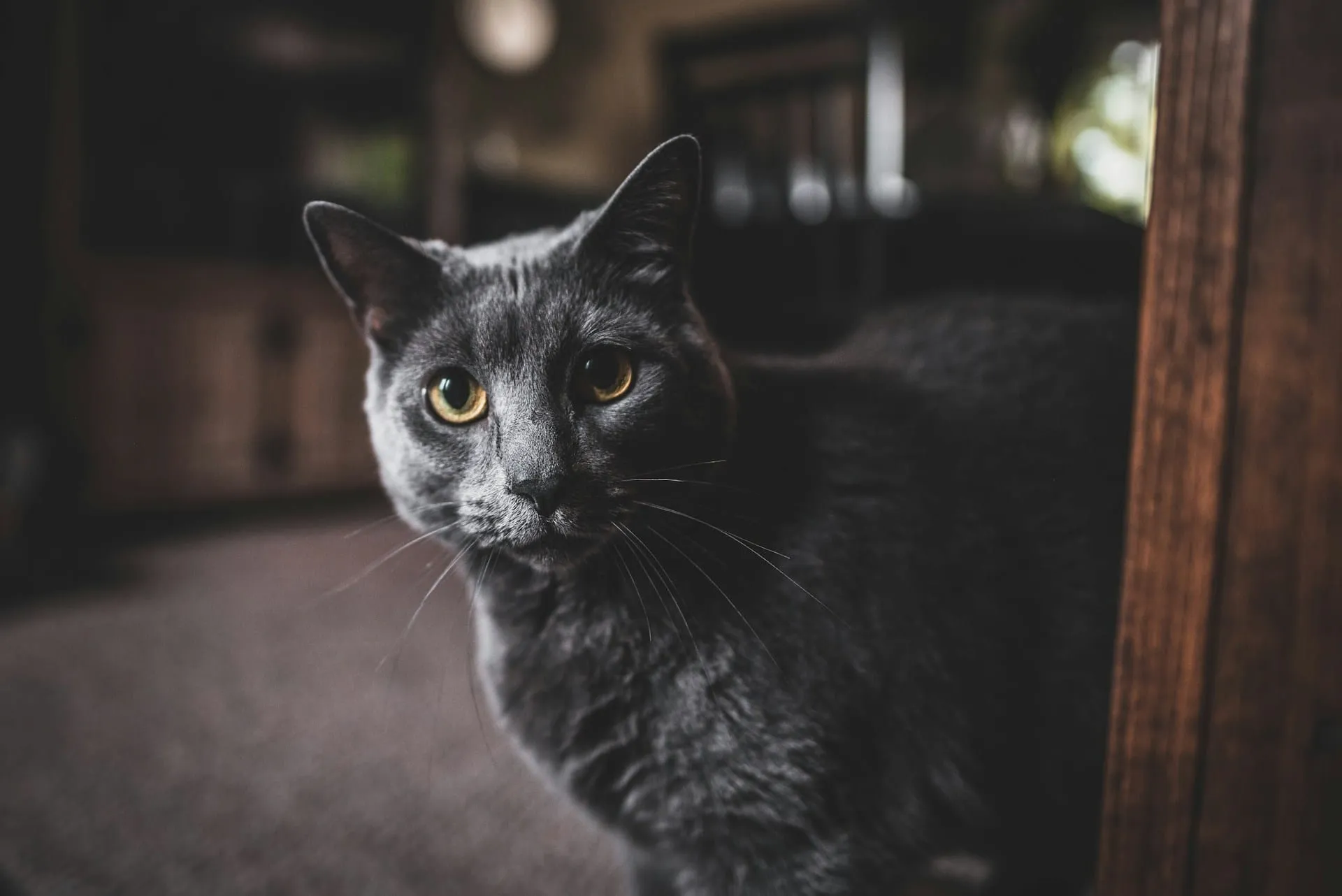
Watching your cat enter their senior years brings a mix of emotions. Those playful kitten days feel like yesterday, yet here you are, noticing the gray around their whiskers and the slower pace of their morning stretch. At Love, Baxter, we understand this journey intimately because we’ve been there too. As your cat ages, their nutritional needs shift dramatically, and what worked for them at three years old may no longer serve them at thirteen. The good news? With the right senior cat nutrition plan, you can help your aging feline thrive, not just survive, through their golden years. This isn’t about adding years to their life as much as it’s about adding life to their years, and nutrition is the foundation of that mission.
Around age seven, cats officially enter their senior years, though many don’t show obvious signs of aging until closer to ten or eleven. But inside, significant changes are already happening. Their metabolism slows, making weight management more challenging. Their digestive system becomes less efficient at absorbing nutrients. Their kidneys, liver, and other organs begin working harder to maintain normal function. Their immune system weakens, making them more susceptible to illness. These internal shifts mean your senior cat needs different fuel: premium care tailored to their specific needs.
The protein paradox is real for aging cats. While some might assume older cats need less protein, the opposite is often true. Senior cats actually require more high-quality protein to maintain muscle mass and support organ function. However, if your cat has been diagnosed with kidney disease, your veterinarian may recommend a modified protein approach. This is why individualized senior cat nutrition plans matter so much. There’s no universal formula that works for every aging feline.
Table of Contents
- 1What Changes in Your Senior Cat’s Body
- 2Essential Nutrients for Aging Cats
- 3Choosing the Best Food for Your Senior Cat
- 4Senior Cat Nutrition for Common Health Conditions
- 5How to Transition Your Senior Cat to New Food
- 6Feeding Schedules and Portion Control for Senior Cats
- 7Do Senior Cats Need Supplements
- 8Monitoring Your Senior Cat’s Nutritional Status
- 9Our Commitment to Supporting Your Senior Cat’s Journey
- 10Frequently Asked Questions About Senior Cat Nutrition
What Changes in Your Senior Cat’s Body
The aging process affects every system in your cat’s body, and understanding these changes helps you make better nutritional decisions. Your cat’s metabolism slows significantly after age seven, which means they burn fewer calories during normal daily activities. At the same time, their ability to digest and absorb nutrients from food decreases, creating a paradoxical situation in which they need more nutritional support from less food.
Muscle mass naturally declines as cats age, a condition called sarcopenia. This isn’t just cosmetic. Muscle loss affects everything from their ability to jump onto their favorite perch to their body’s capacity to fight off illness and recover from stress. Their organ function gradually declines, with the kidneys particularly vulnerable. Studies show that up to 30-40% of cats over age ten develop some degree of chronic kidney disease, making kidney-supportive nutrition critical even before diagnosis.
Essential Nutrients for Aging Cats
As your cat ages, specific nutrients become increasingly crucial for maintaining health, vitality, and quality of life. Understanding which nutrients matter most, and why, helps you make informed decisions about your senior cat’s diet. These essential components work together to support everything from muscle maintenance to organ function, and getting the balance right can make a significant difference in how your cat feels and functions during their golden years.
High-Quality Protein for Muscle Maintenance
Senior cats need easily digestible, high-quality protein to combat age-related muscle loss. Look for foods where real meat, poultry, or fish are listed as the first ingredients. Chicken, turkey, salmon, and lean beef are excellent choices. The protein should come from whole sources rather than by-products when possible, as these are more bioavailable and easier for aging digestive systems to process.
Aim for cat foods with at least 30-35% protein content for healthy senior cats. This helps maintain lean body mass as their metabolism naturally slows. The quality of protein matters just as much as the quantity. Your senior cat’s body needs amino acids that are readily absorbed and utilized for tissue repair and immune function.
Controlled Phosphorus for Kidney Health
Kidney disease affects a significant percentage of senior cats, making controlled phosphorus intake one of the most important aspects of senior cat nutrition. Even before diagnosis, feeding a diet with moderate phosphorus levels can support kidney health and potentially slow the progression of early kidney changes that occur naturally with aging.
Senior cat foods typically contain controlled phosphorus levels, usually between 0.5% and 0.7% on a dry matter basis. We’ve learned through our work with countless pet parents that early intervention matters. You don’t need to wait for a kidney disease diagnosis to start thinking about kidney-supportive nutrition. Talk with your veterinarian about whether a kidney-support formula makes sense for your cat’s individual situation and current health status.
Omega-3 Fatty Acids for Joint and Organ Support
Those stiff joints and that slightly duller coat you’ve noticed? Omega-3 fatty acids can help with both. EPA and DHA, found primarily in fish oil, provide powerful anti-inflammatory benefits that support joint health, kidney function, brain health, and skin condition. Senior cat foods often contain higher levels of these essential fatty acids than adult maintenance formulas.
Look for foods with added fish oil, salmon oil, or algae-based omega-3s listed in the ingredients. Some senior cats benefit from additional omega-3 supplementation beyond what’s in their food. Your veterinarian can recommend appropriate dosing if supplements seem beneficial for your cat’s specific needs, particularly if they’re showing signs of arthritis or cognitive decline.
Increased Moisture Content for Hydration
Senior cats are notorious for not drinking enough water, which puts them at higher risk of urinary tract issues and kidney problems. This is where wet food becomes incredibly important in senior cat nutrition. Canned or fresh food options can contain 70-80% moisture, compared to only 10% in dry kibble. This difference is substantial when you consider that many older cats have diminished thirst drive.
We always encourage senior cat parents to prioritize wet food. Even if your cat has eaten dry food their entire life, transitioning to primarily wet food in their senior years can make a significant difference in their hydration status and overall health. The additional moisture supports kidney function, helps prevent urinary crystals, and makes digestion easier for aging systems.
Antioxidants and Vitamins for Immune Support
Vitamins E and C, along with antioxidants such as lutein and beta-carotene, help combat cellular damage associated with aging. These nutrients support immune function, which naturally declines as cats age. Quality senior cat foods are fortified with these protective compounds to give your aging feline’s body additional defense against age-related damage.
B vitamins become especially important for senior cats, as they support energy metabolism and nervous system function. Many older cats show improved vitality when their B vitamin intake is optimized through targeted senior nutrition. These vitamins also support cognitive function, potentially helping delay or minimize age-related mental decline.
Adjusted Calorie Levels Based on Activity
Senior cats often become less active, burning fewer calories throughout the day. At the same time, some seniors struggle to maintain weight due to dental issues, reduced appetite, or underlying health conditions. The key is monitoring your individual cat’s body condition and adjusting their caloric intake accordingly, rather than following a one-size-fits-all approach.
For overweight senior cats, controlled-calorie formulas help achieve gradual, safe weight loss without compromising protein intake for muscle maintenance. For thin seniors, calorie-dense, palatable foods encourage adequate intake to prevent dangerous weight loss. Your cat’s ideal nutrition plan depends entirely on their specific body condition, activity level, and health status.
Choosing the Best Food for Your Senior Cat
Selecting the right food for your senior cat involves more than just grabbing a bag labeled “senior” from the pet store shelf. The quality of ingredients, the format of the food, and how well it matches your cat’s specific needs all play crucial roles in supporting their health. Understanding what to look for and what to avoid empowers you to make choices that truly benefit your aging feline companion.
Why Wet Food Wins for Senior Cat Nutrition
We can’t stress this enough: wet food is generally superior for senior cats. The high moisture content supports kidney function, urinary tract health, and overall hydration in ways that dry food cannot match. Wet food is also easier for cats with dental disease to chew, which affects the majority of senior felines to some degree.
The palatability of wet food tends to be higher than dry kibble, which matters when dealing with senior cats who may have decreased appetite or diminished sense of smell. The texture and aroma of canned or fresh food stimulate appetite better in many aging cats. Plus, the variety of textures available (from pate to chunks in gravy to shredded options) means you can find something that appeals to even the pickiest senior eater.
That said, some cats strongly prefer dry food. If your senior cat refuses wet food despite your best efforts, look for senior-specific dry formulas and consider adding water to the kibble or offering a pet fountain to encourage drinking. Some pet parents have success by mixing a small amount of wet food into dry kibble to increase moisture intake while gradually respecting their cat’s preferences.
Understanding Pet Food Labels for Senior Cats
Navigating pet food labels can feel overwhelming when you’re trying to optimize senior cat nutrition. Here’s what matters most when evaluating options for your aging feline:
- AAFCO statement: Look for foods that meet nutritional standards for adult maintenance or specifically for senior cats
- Named protein sources: “Chicken” or “salmon” as the first ingredient is better than vague terms like “poultry meal” or “meat by-products”
- Moderate phosphorus: Ideally between 0.5-0.7% on a dry matter basis for kidney support
- Added omega-3s: Fish oil, salmon oil, or specific EPA/DHA content listed in ingredients
- Limited fillers: Minimize corn, wheat, and soy, which provide less nutritional value for obligate carnivores
The first five ingredients tell you the most about what’s actually in the food, since ingredients are listed by weight. Watch out for excessive fillers that take up space that could be filled with more beneficial nutrients. Senior cats need nutrient-dense food, not empty calories.
When Prescription Diets Become Necessary
Many senior cats develop health conditions that benefit from prescription nutrition formulated for specific disease management. Kidney disease, hyperthyroidism, diabetes, and inflammatory bowel disease all have targeted dietary strategies that can significantly slow disease progression and improve quality of life.
If your veterinarian recommends a prescription diet, it’s typically because your cat’s condition will respond more favorably to targeted nutrition than to even the highest-quality over-the-counter senior food. Prescription diets aren’t more expensive for no reason. They’re formulated with specific nutrient profiles designed to manage disease at the metabolic level.
We’ve seen countless cats gain quality time and comfort through appropriate prescription nutrition. Kidney support diets with restricted phosphorus and sodium can slow the progression of chronic kidney disease by months or even years. Diabetic formulas with high protein and low carbohydrates help regulate blood sugar and may reduce insulin requirements. Don’t hesitate to ask your vet whether a prescription formula would benefit your senior cat’s specific health situation.
Senior Cat Nutrition for Common Health Conditions
Certain health conditions become increasingly common as cats age, and nutrition plays a critical role in managing these diseases. While medication may still be necessary, the proper diet can slow disease progression, reduce symptoms, and significantly improve your cat’s quality of life. Understanding how nutrition supports specific conditions helps you work effectively with your veterinarian to create a comprehensive care plan for your senior cat.
Managing Chronic Kidney Disease Through Diet
Chronic kidney disease requires careful nutritional management to slow progression and maintain quality of life. These specialized diets are lower in phosphorus and sodium while maintaining adequate high-quality protein. This is a delicate balance that’s difficult to achieve without veterinary formulas. Enhanced omega-3 fatty acids and B vitamins provide additional kidney support by reducing inflammation and supporting remaining kidney function.
Many cats with early-stage kidney disease do well on senior formulas with kidney-supportive nutrients, while moderate to advanced cases benefit most from prescription renal diets. The goal is to slow disease progression while maintaining your cat’s muscle mass, energy level, and overall quality of life. Hydration becomes even more critical in cats with kidney disease, making wet food essential.
Nutrition for Hyperthyroid Cats
Overactive thyroid glands cause increased metabolism, leading to weight loss despite ravenous appetite. This is a common scenario in senior cat nutrition challenges. Some veterinary diets limit iodine to help manage thyroid hormone production, though this approach doesn’t work for all cats. Calorie-dense foods help affected cats maintain a healthy body weight while their condition is being medically managed.
Hyperthyroid cats often benefit from more frequent, smaller meals throughout the day to help them maintain adequate calorie intake despite their revved-up metabolism. The high-quality protein in senior cat foods supports these cats well, helping preserve muscle mass that’s being rapidly burned due to their metabolic state.
Diet Strategies for Diabetic Senior Cats
Diabetic cats need high-protein, low-carbohydrate diets to help regulate blood sugar levels and reduce insulin requirements. Many senior cat foods naturally fit this profile since cats are obligate carnivores with minimal carbohydrate needs. However, prescription diabetic formulas optimize the nutrient balance specifically for glucose control.
Consistent feeding schedules become crucial for diabetic cats, especially those receiving insulin injections. The timing and composition of meals directly affect blood sugar levels, making senior cat nutrition a critical component of diabetes management alongside medication.
Feeding Cats with Dental Disease
When chewing becomes painful, many senior cats reduce their food intake, which can lead to dangerous weight loss. Soft, palatable foods become essential for maintaining adequate nutrition. Some pet parents puree food or add warm water to make it easier to consume without painful chewing. Pain management through dental care and medication, alongside appropriate nutrition, helps these cats maintain adequate calorie intake and a high quality of life.
Dental disease affects the vast majority of senior cats to some degree, making texture an essential consideration in senior cat nutrition. Even cats who previously loved crunchy kibble may need to transition to softer options as dental problems develop. This transition supports both their comfort and their nutritional intake.
How to Transition Your Senior Cat to New Food
Cats are creatures of habit, and seniors can be especially resistant to dietary changes. A slow transition is essential to avoid digestive upset and give your cat time to accept the new flavors and textures. Start by mixing just 10-25% of the new food with their current food. Every few days, gradually increase the proportion of new food while decreasing the proportion of old food.
A complete transition might take two to four weeks for particularly stubborn cats, and that’s perfectly fine. Patience wins when it comes to changing senior cat nutrition. Some helpful strategies include:
- Warming wet food slightly to enhance aroma and appeal
- Adding a small amount of low-sodium chicken broth for extra flavor
- Offering food at room temperature rather than straight from the refrigerator
- Trying different textures if your cat rejects one type
- Being patient and persistent without forcing or creating stress
If your cat refuses to eat for more than 24 hours, consult your veterinarian immediately. Cats, especially overweight ones, can develop serious liver problems called hepatic lipidosis if they stop eating suddenly. This medical emergency can be avoided by carefully monitoring intake during food transitions and seeking help promptly if your cat refuses food.
Feeding Schedules and Portion Control for Senior Cats
Many senior cats do better with smaller, more frequent meals. Think three or four small meals daily rather than one or two large ones. This approach supports digestion, helps maintain steady energy levels throughout the day, and can improve nutrient absorption in aging digestive systems. Smaller meals are also easier on cats with conditions like inflammatory bowel disease or megacolon.
Measure portions carefully when implementing your senior cat nutrition plan. It’s easy to overfeed when you’re not tracking amounts, especially if multiple family members are involved in feeding. Use an actual measuring cup rather than eyeballing portions. Follow the feeding guidelines on your cat food package as a starting point, then adjust based on your cat’s body condition and weight trends over time.
Free-feeding (leaving food out all day) often leads to obesity in senior cats with reduced activity levels. Scheduled mealtimes help you monitor intake and notice changes in appetite, both of which are significant health indicators. A sudden decrease in appetite can signal dental pain, nausea from kidney disease, or other medical issues that need veterinary attention.
Do Senior Cats Need Supplements
A high-quality senior cat food should provide complete nutrition for most healthy aging cats. However, certain supplements may benefit cats with specific needs or health conditions:
- Joint supplements with glucosamine and chondroitin may help cats with arthritis
- Probiotics can support digestive health, especially in cats with sensitive stomachs
- Additional omega-3 fatty acids beyond food may benefit cats with inflammatory conditions
- Appetite stimulants or nutritional supplements can help cats struggling to maintain weight
Never start supplements without consulting your veterinarian. Some supplements can interact with medications or exacerbate health conditions. What works for one cat might not be appropriate for another. Your vet can guide you on which supplements, if any, would genuinely benefit your senior cat’s specific health situation rather than just emptying your wallet.
Monitoring Your Senior Cat’s Nutritional Status
Regular body condition assessments help you catch problems early and adjust your senior cat’s nutrition plan accordingly. You should be able to feel your cat’s ribs with gentle pressure but not see them prominently. A visible waist when viewed from above indicates a healthy body condition. An abdominal tuck, when viewed from the side, is normal for cats at an ideal weight.
Watch for these warning signs that indicate your senior cat’s nutrition plan may need adjustment or that health issues are developing:
- Unexplained weight loss or gain over a few weeks
- Decreased appetite lasting more than a day
- Increased thirst or urination frequency
- Vomiting or diarrhea occurring regularly
- Changes in litter box habits or accidents outside the box
- Dull coat, excessive shedding, or poor grooming habits
- Decreased energy or activity level beyond normal aging
- Difficulty jumping or climbing stairs
Senior cats should visit their veterinarian at least twice yearly for wellness checks. Annual or semiannual blood work helps detect kidney disease, diabetes, hyperthyroidism, and other conditions in early stages, when dietary management and medical intervention are most effective. Early detection gives you more time and more options for managing age-related conditions.
Our Commitment to Supporting Your Senior Cat’s Journey
At Love, Baxter, we believe that every meal you serve your senior cat is an act of love. You’re not just filling their bowl. You’re supporting their body through the natural changes of aging, giving them comfort, and potentially adding precious months or years to your time together. Senior cat nutrition isn’t just science. It’s one of the most tangible ways you show up for your aging cat every single day.
We’ve walked this path ourselves, understanding the late-night research sessions trying to find the perfect food, the worry when they turn their nose up at something new, the relief when you finally find something that works. We know the guilt that creeps in when you wonder if you’re doing enough, and we want you to know that your dedication to optimizing your senior cat’s nutrition shows tremendous love and commitment.
Your senior cat has given you years of companionship, comfort, and unconditional love. Now it’s your turn to support them through their golden years with the nutrition their changing body needs. Every meal is a gift. It’s a chance to say, “I see you, I love you, and I’m here to help you thrive for as long as possible.”
This journey is about more than just extending life. It’s about enriching it. It’s about preventing disease where possible and promoting vitality and comfort for as long as we can. Your senior cat deserves nothing less, and with the proper nutritional approach, you’re giving them the best possible chance to enjoy their golden years with dignity, comfort, and the energy to still occasionally chase that laser pointer across the room.
Senior cat nutrition is complex because every cat is different, every health situation is unique, and what works today may need adjustment tomorrow. Stay observant, work closely with your veterinarian, and trust your instincts when something seems off. You know your cat better than anyone else. That knowledge is invaluable in making the nutritional decisions that will support them through their final years by your side.
Frequently Asked Questions About Senior Cat Nutrition
My senior cat is overweight, but my vet says they also need more protein. How do I help them lose weight without losing muscle mass?
This is one of the most challenging aspects of senior cat nutrition because you’re trying to achieve two seemingly contradictory goals simultaneously: reducing overall calorie intake to promote weight loss while maintaining or even increasing high-quality protein to preserve muscle mass during the aging process. The key to success lies in understanding that weight loss in senior cats must be gradual, strategic, and focused on fat loss rather than muscle loss, which requires a carefully balanced approach rather than simply reducing food quantity. First, understand why this dual challenge exists: as cats age, they naturally lose muscle mass (sarcopenia) even without calorie restriction, increasing their protein needs compared to younger cats. However, reduced activity levels and slowed metabolism mean senior cats burn fewer calories daily, making weight gain or maintenance of excess weight common. When you reduce calories to promote weight loss without adjusting protein intake appropriately, you risk accelerating muscle loss, which worsens overall health, reduces metabolic rate further (making future weight management harder), and decreases quality of life by limiting mobility and strength. The solution is feeding a diet that’s high in protein but moderate in overall calories, essentially more protein per calorie than typical adult cat foods provide. Look for senior or weight management formulas that list a protein content of 40-45% on a dry matter basis (your vet can help you calculate this from the guaranteed analysis on the label), while keeping fat moderate (around 10-15% on a dry matter basis) to control calories. These formulas provide the muscle-supporting protein your senior cat needs while limiting the fat that contributes excess calories. Work with your veterinarian to establish a safe weight loss target, generally no more than 1-2% of body weight per week for cats, which might mean losing only a few ounces per week for a typical overweight senior cat. Rapid weight loss in cats is dangerous and can trigger hepatic lipidosis (fatty liver disease), making a gradual reduction essential, even when you’re eager to see progress. Measure food portions precisely using a measuring cup or scale rather than eyeballing amounts, as it’s incredibly easy to overfeed when estimating. Calculate your cat’s daily calorie needs for weight loss (your vet can provide this target) and divide this into 3-4 small meals throughout the day rather than one or two large meals, which helps maintain stable metabolism and energy levels. Choose high-protein, low-carbohydrate wet foods as your primary option, as they naturally provide better satiety per calorie than dry foods, helping your cat feel fuller on fewer calories. The high moisture content also adds volume without adding calories, helping your cat feel satisfied. Consider adding low-calorie “bulk” to meals if your cat seems constantly hungry. A tablespoon of plain canned pumpkin (not pumpkin pie filling) or steamed green beans can add stomach-filling volume with minimal calories, though not all cats will accept these additions. Incorporate gentle play and movement encouragement to help burn calories and maintain muscle mass. Even five minutes of laser-pointer or feather-toy play twice daily can make a difference for senior cats who still have some mobility and interest. Never restrict food severely or put your cat on a crash diet, as this dramatically increases the risk of hepatic lipidosis and often results in muscle loss rather than fat loss. If your cat isn’t losing weight on the plan you’ve established, don’t further restrict food without veterinary guidance. Instead, your vet might recommend adjusting the food formula, adding specific supplements, or investigating underlying conditions, such as hypothyroidism, that can make weight loss difficult. Monitor both weight and body condition throughout the weight loss process. You want to see gradual fat reduction while maintaining muscle tone, which you can assess by feeling your cat’s shoulders, hips, and spine for muscle coverage. If you feel bones becoming more prominent without seeing waist definition improve, you may be losing muscle rather than fat, requiring dietary adjustment. Remember that the goal isn’t reaching an arbitrary number on the scale but rather achieving a body condition where you can easily feel ribs without excessive fat covering, see a defined waist when viewing from above, and notice good muscle tone throughout the body. For some cats, this might mean they remain slightly heavier than textbook ideal but are much healthier than they were at their peak weight.
My 15-year-old cat’s blood work shows early kidney disease, but they absolutely refuse to eat the prescription kidney diet my vet recommended. What are my options?
This scenario is heartbreakingly common and represents one of the most frustrating aspects of managing feline kidney disease: the foods scientifically proven to slow disease progression are often the very foods cats refuse to eat, creating an impossible dilemma between optimal medical nutrition and getting any nutrition into your cat at all. Understanding why cats reject kidney diets, what alternatives exist, and how to balance medical ideals with real-world feeding challenges helps you navigate this difficult situation while still supporting your cat’s health. First, understand why kidney diets are often rejected: prescription kidney formulas typically have restricted protein, lower phosphorus, and modified taste profiles that many cats find unappealing, especially compared to the highly palatable foods they’ve eaten their entire lives. Cats with early kidney disease often don’t feel sick yet, meaning they have no internal motivation to accept less-tasty food. They feel fine and don’t understand why you’re suddenly serving “weird” food. Additionally, kidney disease itself can cause nausea and altered taste perception, making even normally palatable foods less appealing. The absolute worst outcome is your cat refusing to eat anything at all, because prolonged food refusal (more than 24-48 hours) can trigger hepatic lipidosis, a life-threatening liver condition, making “any food eaten” better than “perfect food refused” in the short term. Your options for managing early kidney disease when prescription diets are refused include several strategic approaches. For early-stage kidney disease, high-quality over-the-counter senior cat foods with moderate phosphorus levels (0.5-0.7% on a dry matter basis) may provide adequate kidney support without the palatability issues of prescription formulas. Have your vet review specific over-the-counter options to identify those closest to therapeutic phosphorus levels. Focus on what you can control, even without prescription food: prioritize wet food to maximize hydration, which significantly supports kidney function regardless of specific formula. Some veterinarians argue that hydration matters more than protein restriction for early kidney disease, making moisture-rich feeding crucial. Consider phosphorus binders that can be added to any food to reduce phosphorus absorption, allowing you to feed more palatable foods while still controlling this kidney-damaging mineral. Products like aluminum hydroxide can be mixed with regular food under veterinary supervision. Add omega-3 fatty acid supplements, which provide anti-inflammatory benefits supporting kidney health independently of protein or phosphorus restriction. Work with your veterinarian to try different prescription kidney formulas, as taste and texture vary significantly between brands. What your cat refuses from one manufacturer might be acceptable from another. Royal Canin, Hill’s, and Purina all make renal diets with different flavor profiles and textures. Try gradual transitions over weeks rather than abrupt changes, mixing tiny amounts of the kidney diet into the current food and increasing the proportion extremely slowly. Some cats will eventually accept new food if the change is imperceptible. Warm the food to body temperature and add palatability enhancers, such as low-sodium chicken broth, bonito flakes, or FortiFlora probiotic powder, which many cats find irresistible. Offer the kidney diet at peak hunger times, and remove it after 15-20 minutes if it is refused; then offer regular food later. This creates mild hunger motivation without leading to prolonged food refusal. Some cats are food-motivated enough that they’ll eventually try the new food when hungry. Consider home-prepared kidney diets formulated by a veterinary nutritionist, which allows customization of ingredients and flavors your cat prefers while still achieving appropriate nutrient profiles for kidney support. Services like BalanceIT.com can create customized recipes. If your cat absolutely refuses any kidney-supportive diet after weeks of effort, focus on the next best option: high-quality, highly digestible protein in moderate amounts through premium wet foods, while managing other aspects of kidney disease through subcutaneous fluids, phosphorus binders, and medications. This isn’t ideal, but it’s far better than food refusal or the stress of forced feeding. Have an honest conversation with your veterinarian about priorities. For early-stage kidney disease, some vets prioritize quality of life and stress reduction over rigid dietary compliance, especially if forcing the issue causes significant conflict and anxiety for both you and your cat. As the disease progresses and your cat begins feeling symptoms from kidney failure, appetite often improves for therapeutic diets because they genuinely feel better eating food that reduces nausea and other uremic symptoms. Cats who refuse kidney diets when feeling fine may accept them when the disease makes them feel unwell. Monitor kidney values through regular blood work (typically every 3-6 months) to assess whether your alternative approach is adequately managing disease progression or whether more aggressive intervention is necessary.
How do I know if my senior cat is just being picky or if they’re actually sick? When should decreased appetite become a vet emergency?
Distinguishing between normal senior pickiness and appetite changes signaling illness is one of the most critical skills for cat parents because cats are masters at hiding illness, and by the time appetite loss is obvious, underlying conditions may have progressed significantly. Understanding what constitutes normal variation versus concerning changes, and knowing the urgent red flags that require immediate veterinary attention, can literally save your cat’s life. First, understand that true “pickiness” in cats typically means they’re willing to eat but are selective about what, when, or how they eat. They turn down their regular food but show interest in treats, they eat if you hand-feed but not from the bowl, or they prefer certain textures or temperatures. True pickiness occurs without other symptoms and without complete food refusal lasting more than a few hours. In contrast, illness-related appetite loss usually involves general disinterest in all food, including previously irresistible favorites, eating significantly less than normal for multiple consecutive meals, or complete refusal to eat for 12-24+ hours regardless of what’s offered. Red flags requiring immediate veterinary attention (same-day or emergency clinic if after hours) include complete refusal to eat for 24 hours or more in any cat, especially in overweight cats, where hepatic lipidosis risk is higher. Decreased appetite accompanied by other symptoms like vomiting, diarrhea, lethargy, hiding, increased water consumption, difficulty urinating, or labored breathing. Any cat who acts interested in food (approaching the bowl, sniffing) but then walks away without eating, which often indicates nausea or oral pain. Sudden, dramatic appetite loss in a cat who’s always been a good eater, dropping from normal consumption to almost nothing within a day or two. Drooling, pawing at the mouth, or obvious discomfort when eating indicate dental pain or oral disease. Weight loss despite normal eating signals metabolic disease or malabsorption. Less urgent but still concerning situations requiring veterinary appointment within a few days include gradually decreasing appetite over a week or two, eating significantly less than normal but still consuming some food daily, increased pickiness where the cat refuses regular food but accepts treats or special foods, and changes in eating speed or style (eating more slowly, chewing on one side, dropping food). When evaluating your senior cat’s appetite, track specific observations rather than relying on impressions: measure and record exactly how much food you’re offering and how much remains uneaten, note which specific foods are accepted versus refused, document any patterns regarding time of day, location, or circumstances affecting eating, watch for subtle signs of oral discomfort like head shaking while eating or preferring soft foods, and monitor litter box output because decreased eating typically means decreased elimination. Common medical causes of appetite loss in senior cats include dental disease, causing pain that makes eating uncomfortable; kidney disease, causing nausea that makes food unappealing; hyperthyroidism, paradoxically sometimes causing decreased appetite in advanced stages; gastrointestinal issues like inflammatory bowel disease or pancreatitis; cancer affecting various organ systems; and infections or other acute illnesses. Even when illness causes appetite changes, you can often improve intake through strategic interventions while waiting for veterinary appointment: warm wet food to body temperature to enhance aroma, offer strong-smelling foods like fish-based options or foods with added bonito flakes, try different textures since oral pain might make cats avoid certain consistencies, offer food by hand or from your finger which some cats find more appealing, ensure feeding areas are quiet and stress-free, and provide fresh water in multiple locations. The “wait and see” approach that might work for young, healthy cats is dangerous for seniors. Their reduced physiological reserves mean they decompensate more quickly, and early intervention almost always produces better outcomes than delayed treatment. When in doubt, call your veterinarian’s office and describe the situation. They can help you determine whether immediate examination is needed or if scheduled monitoring is appropriate. Trust your instincts about your cat. You know their normal behavior better than anyone, and if something feels wrong even without obvious symptoms, that intuition often proves correct. Senior cats deserve the benefit of the doubt, with prompt veterinary evaluation for appetite changes rather than assuming “they’re just being difficult” and risking delayed diagnosis of treatable conditions.
Is it okay to give my senior cat treats, or should their diet be strictly their senior formula food for optimal health?
The question of treats for senior cats involves balancing nutritional optimality with quality of life, recognizing that food provides not just calories and nutrients but also pleasure, enrichment, and bonding opportunities that contribute to overall wellbeing. The answer isn’t a simple yes or no; it’s a thoughtful approach to incorporating treats appropriately while maintaining a balanced diet. The general rule veterinary nutritionists recommend is the “90/10 rule”: 90% of your cat’s daily calories should come from nutritionally complete and balanced food (their senior formula), while up to 10% can come from treats, toppers, or other “extras” without significantly compromising nutritional adequacy. This guideline allows for treats and food enrichment while ensuring your cat still receives the nutrients their aging body needs. For a typical senior cat consuming about 200 calories daily, this means roughly 20 calories can come from treats, which equals approximately 2-3 standard cat treats or a teaspoon of plain cooked chicken. Understanding why moderate treats are generally acceptable while excessive treats become problematic helps you make good decisions. Benefits of appropriate treat use include strengthening your bond through positive interactions around food, providing mental stimulation and enrichment through food variety, facilitating medication administration by hiding pills in highly palatable treats, encouraging eating in cats with reduced appetite by making mealtime more interesting, and supporting quality of life by allowing your senior cat to enjoy food rather than viewing eating as purely medical necessity. However, excessive treats create problems, including nutritional imbalance if treats displace too much of the complete diet, weight gain if treat calories aren’t accounted for in total daily intake, rejection of regular food when cats learn to hold out for tastier treats, and interference with medical nutrition plans for cats requiring therapeutic diets. Smart treat choices for senior cats include small pieces of cooked chicken, turkey, or fish (plain, no seasoning, bones, or skin), as well as commercial cat treats formulated specifically for seniors with appropriate nutrients. These freeze-dried meat treats are pure protein, with no fillers, small amounts of cooked egg, and probiotic supplements like FortiFlora, which count as treats but provide health benefits. Treats to avoid for senior cats include dairy products (many cats are lactose intolerant), fatty meat scraps or table scraps with seasonings, tuna in excessive amounts (can cause thiamine deficiency and mercury exposure), any foods toxic to cats (onions, garlic, grapes, chocolate, xylitol), and hard, crunchy treats if dental disease is present. Strategies for incorporating treats wisely include using treats as meal toppers mixed into regular food rather than given separately, which reduces the risk of your cat holding out for treats, breaking treats into tiny pieces so your cat gets the sensory reward without excessive calories, offering treats at specific times (perhaps after medication) rather than throughout the day to avoid grazing patterns, choosing treats that align with any health conditions (for kidney cats, use the renal treats; for diabetics, choose low-carb options), and accounting for treat calories in total daily intake by slightly reducing regular food on days when treats are given. For senior cats on prescription therapeutic diets, discuss treats with your veterinarian since some conditions require stricter dietary management. Cats with advanced kidney disease, severe diabetes, or food allergies may need to avoid treats entirely or stick to very specific options that won’t interfere with medical management. If your cat refuses their prescription diet but eats treats enthusiastically, use treats strategically to improve acceptance. Mix tiny amounts of treats into the therapeutic food or use treat-based reward training to create positive associations with the new food. The ultimate goal is to find a balance that supports both your senior cat’s physical health through appropriate nutrition and their emotional wellbeing through food enjoyment and bonding. A senior cat eating optimal nutrition but miserable because food has become joyless isn’t truly healthy, while a cat eating whatever they want without regard for their aging body’s needs isn’t receiving responsible care. The middle path (prioritizing nutritionally complete senior food while allowing moderate, thoughtful treat inclusion) typically serves aging cats best by honoring both their biological needs and their capacity for pleasure.
On this topic