





What to say to someone whose pet is sick starts with saying anything at all. Use the animal's name. Leave the prognosis alone. Offer one...

What to Say to Someone Whose Pet Is Sick or Dying: 25 Texts
read more
Start here
By topic
By pet

Not sure where to start?
Answer a few questions and a real person on our team will send resources picked for you.
Get personalized helpCare for older pets, serious illness and the end of life.
See all end-of-life carePeople who help before and after a loss.
Cremation, burial and ways to remember.
Also in Find Care

Start here
By topic
By pet
Not sure where to start?
Answer a few questions and a real person on our team will send resources picked for you.
Get personalized helpCare for older pets, serious illness and the end of life.
See all end-of-life carePeople who help before and after a loss.
Cremation, burial and ways to remember.
Also in Find Care
Pets are embedded in family life, in relationships, in households. When they die, their absence is felt by multiple people simultaneously, and those people often grieve in different ways, at different speeds, with different needs. This section is about the relational dimension of pet loss: grief within families, supporting children through loss, navigating relationships when grief is not shared equally, and handling the people who do not understand or do not try to.
Unsure where to start? Get personalized help from our team →
What to say to someone whose pet is sick starts with saying anything at all. Use the animal's name. Leave the prognosis alone. Offer one...

Most people who start a pet loss support group didn't plan to. They went looking for one, couldn't find it, and eventually decided they'd...

When you lose a pet, you lose a living, breathing being. You lose routines. You lose the small moments. You lose the particular way that...
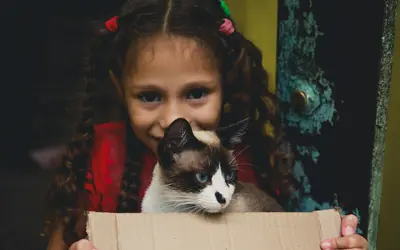
Losing a pet is difficult. If your child blames you, it can add guilt to your grief and make you worry about your relationship with them....

You're pregnant, your pet has died or is dying, and somewhere underneath the grief is a question you may not have said out loud. Is crying...

When Baxter passed away in October 2024, the grief was deeper than expected. We heard familiar phrases: "It was just a dog." "You can get...
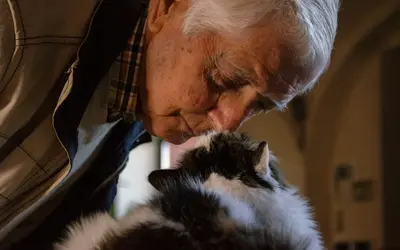
Pet loss grief is grief. Full stop. When your animal dies, you lose a family member, a daily presence, a life that depended on you....

When a beloved pet dies, the grief can feel overwhelming for any child. But when your child has special needs (whether autism, ADHD, Down...

This content was created in partnership with: Click here to see how Bereave helps workplaces show up for grieving employees. The email...
It is rare for two people to grieve the same loss to the same depth and at the same pace. One partner may have had a closer daily bond with the pet. One may have more experience with loss and a more developed framework for moving through it. One may use action to cope, while the other needs stillness.
These differences can generate conflict when they are not named. The person who is grieving more intensely can feel abandoned or judged. The person moving through it more quickly may feel criticized for not grieving more. Neither experience is wrong.
Naming the difference openly and without judgment tends to help. Saying "I know we are in different places with this, and that is okay, but I need you to understand where I am" is more useful than letting the difference fester into resentment.
Pet loss is often a child's first experience of death, and how it is handled can shape how they understand loss for years. Most child development experts recommend age-appropriate honesty over euphemism. Telling a child their pet "went to sleep" or "went away" can create confusion and fear about sleep or travel.
Saying something like "Maple was very sick, and her body stopped working. She died, and that means we will not see her again, and it is okay to feel very sad about that" gives children something real to hold. Allowing them to ask questions, cry, or draw a picture is better than redirecting them away from their feelings.
Children under age 5 do not fully understand that death is permanent. They may repeatedly ask where the pet has gone. Use simple, honest answers such as "They died, and we won't see them again," focus on naming the feelings (like sad or missing), and try to maintain their routine as much as possible.
Children ages 5 to 9 are beginning to grasp that death is permanent. They may ask questions such as what dying feels like, where the pet is now, or if others they love could die. Give honest answers at the level of their questions and provide reassurance as needed.
Older children and teenagers often grieve more like adults, but may feel self-conscious about it. Some may become quiet or withdraw. Creating space for conversation without pressure, being willing to sit with them in their sadness, and not rushing them toward feeling better is usually the most helpful approach.
Decisions about euthanasia, aftercare, and their timing can cause conflict in families. One person may feel euthanasia is compassionate, while another disagrees. One may want to keep ashes; another may not. These differences can be challenging.
When possible, having these conversations before a crisis is helpful. It is much harder to negotiate a fundamental disagreement in the middle of acute grief. If you are anticipating a loss, starting the conversation about what each person needs from the process can prevent significant conflict later.
"You can get another one." "At least it was not a person." "They were just a cat." If you have experienced any version of this, you know how deeply it can sting in a moment of real pain.
The people who say these things are usually not being intentionally unkind. They are reflecting a cultural norm that does not fully recognize the depth of the human-animal bond. They may also be uncomfortable with grief in general and reach for something that will make it resolve faster.
You don't have to educate everyone who minimizes your pet loss grief. Protecting your emotional space is reasonable. With people who matter, clearly state what you need: often, just to be heard without being told how to feel.
Most workplaces do not offer bereavement leave for pet loss, which means many people are expected to function normally in the days immediately following the death of an animal they loved deeply. This disconnect between the size of the loss and the social structures around it can feel alienating.
If you have a relationship with your manager that allows for honesty, sharing what happened and asking for a small adjustment can be worth it. Some workplaces are more understanding than you might expect. If that is not possible, knowing that the difficulty you are experiencing is real and not a sign of weakness is its own kind of support.
Not everyone in your life will be able to show up for you in the way you need after a pet loss. That is not a reflection of how much your loss matters. It reflects the limits of their experience and understanding.
Finding even one or two people who genuinely get it makes a significant difference. This might be a friend who has been through it, an online or in-person pet loss support community, or a grief counselor who specializes in this kind of loss. You do not have to grieve in isolation to be polite to people who do not understand.
Yes. Love, Baxter has a dedicated section on the relational dimensions of pet loss, including how to support children through loss, how to navigate grief when partners are in different places, and how to handle family members or colleagues who minimize your experience. Our grief support resources and professional directory also include counselors who work with families through this kind of loss.
Most child development experts recommend age-appropriate honesty over euphemism. Telling a child that their pet has gone to sleep or gone away can create confusion and fear. Saying something like their pet died and it is okay to feel very sad gives children something real to hold. Allowing them to ask questions, cry, or draw a picture is better than redirecting them away from their feelings. The approach varies by age: very young children need simple, honest answers and routine; older children and teenagers benefit from space to talk without pressure.
Comments like 'you can get another one,' or 'at least it wasn't a person' are usually not intentionally unkind. They reflect a cultural norm that does not fully recognize the depth of the human-animal bond. You are not obligated to educate every person who responds this way. Protecting your own emotional space is a reasonable priority. With people who matter to you, naming clearly what you need, usually just to be heard without being told how to feel, tends to get better responses than leaving them to guess.
It is rare for two people to grieve the same loss at the same depth or on the same timeline. One partner may have had a closer daily bond. One may use action to cope, while the other needs stillness. These differences can generate real conflict when they are not acknowledged. The person grieving more intensely can feel abandoned. The person moving through it more quickly can feel criticized. Naming the difference openly and without judgment tends to reduce that friction.
Most workplaces do not offer bereavement leave for pet loss, which means many people are expected to function normally immediately after a loss they are feeling deeply. This disconnect between the scale of the grief and the social structures around it can feel alienating. If you have a manager relationship that allows for honesty, asking for a small accommodation can be worth it. Some workplaces are more understanding than you might expect.