





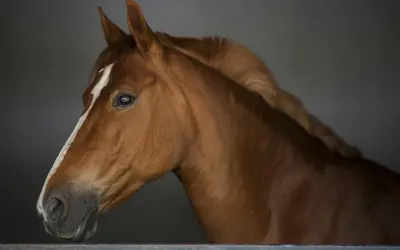
Horses are masters at hiding pain. As prey animals, they evolved to conceal weakness because showing vulnerability meant danger in the...
Horse Pain Signs: Reading Your Horse’s Body Language
read more
Start here
By topic
By pet
Not sure where to start?
Answer a few questions and a real person on our team will send resources picked for you.
Get personalized helpCare for older pets, serious illness and the end of life.
See all end-of-life carePeople who help before and after a loss.
Cremation, burial and ways to remember.
Also in Find Care

Start here
By topic
By pet
Not sure where to start?
Answer a few questions and a real person on our team will send resources picked for you.
Get personalized helpCare for older pets, serious illness and the end of life.
See all end-of-life carePeople who help before and after a loss.
Cremation, burial and ways to remember.
Also in Find Care
They have been there through decades of your life, through your hardest seasons and your best days. They know you in a physical and intuitive way that few relationships can match. End-of-life care for horses is also among the most logistically complex for any animal, and this section covers all of it: the medical, the logistical, and the emotional. You will find resources on recognizing end-of-life signs, managing chronic conditions in senior horses, the euthanasia decision and process, aftercare options, and the distinctive grief that follows the loss of a horse.
Unsure where to start? Get personalized help from our team →
Horses are masters at hiding pain. As prey animals, they evolved to conceal weakness because showing vulnerability meant danger in the...
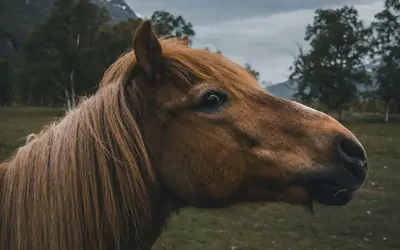
The barn feels impossibly quiet now. Where once the familiar sound of nickering greeted you each morning, there's only silence. The empty...
Losing a beloved pet creates an emptiness that feels impossible to fill. When we lost our precious Baxter in October 2024, we discovered...
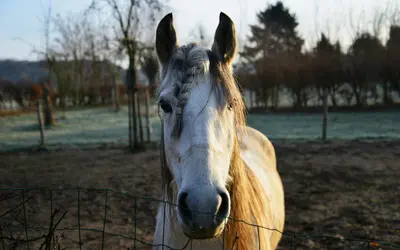
At Love, Baxter, we understand the profound bond between horses and their humans—a connection that deepens with every passing year....

If you can't stop crying after your pet died, you're not falling apart. You're not being dramatic. And you're not grieving the wrong way....
When we lose a beloved pet, the emptiness they leave behind can feel insurmountable. That precious companion who greeted you every morning,...
If you've caught yourself mid-sentence, about to mention your dog or cat, and then stopped because you weren't sure the other person wanted...

You lost someone who mattered deeply to you. And then you started losing something else. The strain on relationships from pet loss is one...
If you're reading this, chances are you've noticed some changes in your beloved companion—maybe they're sleeping a bit more, moving a...
Senior horses often show a gradual decline over months or years.
Changes to watch for include:
Pain in horses can manifest as pawing, frequent rolling (particularly if accompanied by other signs of colic), grinding teeth, or an unusual posture. Horses in significant pain do not always vocalize. Knowing your horse’s normal baseline is enormously important.
Laminitis is one of the most common and serious conditions affecting older horses. Laminitis involves inflammation of the sensitive laminae, the thin layers of tissue inside the hoof that secure the hoof wall to the underlying bone. This can cause severe pain and structural changes to the hoof itself. Severe or recurring cases of laminitis that do not respond to treatment are among the most common reasons horses are humanely euthanized.
Pituitary pars intermedia dysfunction, commonly called Cushing’s disease, is very common in horses over age 15. Signs include a long, curly coat that does not shed, increased drinking and urination, muscle wasting, a pot-bellied appearance, and increased susceptibility to laminitis. It is manageable with medication, but it is a lifelong condition.
Colic refers to abdominal pain in horses and ranges from mild and self-resolving to severe and life-threatening. Horses with recurrent or surgical colic that does not respond to treatment may reach a point where quality of life is no longer sustainable.
Arthritis and other joint conditions are common in senior horses, especially those with active careers. Pain management includes NSAIDs, joint injections, and regenerative therapies. Still, advanced joint disease may progress until the horse can no longer be kept comfortable.
Palliative care for horses centers on managing pain and maintaining quality of life for as long as possible. NSAIDs like phenylbutazone and flunixin are commonly used, but long-term NSAID use carries risks, including gastric ulcers. Working with your veterinarian to develop a pain management plan that balances comfort with safety is important.
Additional palliative tools include therapeutic shoeing (special hoof trimming or custom shoes to relieve pain and support the hoof) and hoof support for laminitis. Other options are joint injections and acupuncture (the use of fine needles at specific points to relieve pain). Environmental modifications include deeper bedding, shelter from extreme temperatures, and reduced movement requirements. Some horses respond well to these interventions for extended periods.
Making the euthanasia decision for a horse is complicated by the same factors as any beloved animal, but with additional dimensions. Horses are often insured, which can affect decision-making. They may live in a barn where your decision is visible to the community. Their size means their death is a more visible and physically significant event than that of a smaller animal.
The core of the decision is the same regardless of these factors: Is your horse’s quality of life sustainable? Are they having more good days than hard ones? Is their pain manageable without causing other harm? Your veterinarian’s assessment, combined with your knowledge of your horse, is the right starting point.
Many equine vets are experienced with end-of-life conversations and can be invaluable guides through this process. If your regular vet is not comfortable, it is appropriate to ask for a referral to an equine end-of-life care specialist.
Horse euthanasia is typically performed by a veterinarian on-site at the barn or property where the horse lives. The process involves an intravenous injection of a large dose of barbiturate, typically preceded by a sedative. The horse loses consciousness quickly and peacefully.
Because of their size, horses fall when they lose consciousness. Discussing the logistics of where this will happen with your vet in advance is important, both for your preparation and for the safety of those present. Most vets who perform equine euthanasia are experienced with managing these practical aspects and can walk you through what to expect.
Aftercare for horses is more logistically complex than for smaller animals. The main options are burial on the property (where land and local regulations permit), rendering, burial at a pet cemetery that accepts large animals, cremation (available through some equine cremation providers but limited by availability and cost), and water cremation (aquamation), where available.
The logistics of body removal require planning. Your vet can typically help coordinate or connect you with a livestock removal service. These conversations are worth having before the day arrives.
Losing a horse is understood within the equestrian community more than outside it. Your horse may have been present for decades of your life, and their death disrupts daily care, a physical partnership, and the barn community.
The grief that follows a horse’s passing is rarely straightforward. The barn grows quieter; long-time friends and fellow riders feel the space your horse once filled. There may be financial worries, the abrupt end to dreams built for two, and the silent ache of a routine suddenly lost. Every aspect of your daily life shifts, and each deserves to be acknowledged.
There are horse loss communities, both in-person and online, where the specific nature of this loss is understood. Our grief resources and professional directory include support options relevant to equine loss.
Yes. Love, Baxter has a dedicated section on horse end-of-life covering medical, logistical, and emotional aspects. You'll find articles on recognizing decline, managing chronic conditions, the euthanasia process, aftercare, and the grief that follows. You can also connect with counselors and other horse owners via our professional directory.
The most common reasons include severe or unmanageable laminitis or founder, colic that does not respond to medical or surgical treatment, advanced degenerative joint disease that can no longer be managed for comfort, and catastrophic injury. In each case, the decision centers on whether the horse's quality of life can be adequately maintained. Your equine veterinarian is the right person to assess that alongside your own observations.
Horse euthanasia is performed by a veterinarian, typically on the property where the horse lives. The process begins with a sedative injection, followed by a large-dose barbiturate administered intravenously. The horse loses consciousness quickly and peacefully. Because of their size, horses fall when they lose consciousness. Discussing the location and logistics with your vet in advance helps ensure you and others present know what to expect.
Aftercare options include burial on the property where local regulations and land permit it, rendering, burial at a large-animal pet cemetery, cremation through equine cremation providers where available, and water cremation (aquamation). Availability varies significantly by region. Your veterinarian can typically help coordinate or connect you with a livestock removal service. These conversations are worth having before the end-of-life day arrives.
Losing a horse involves layers that are specific to this relationship. Horses often span decades of a person's life. Their death involves the barn community, the end of a riding partnership, and, in some cases, financial stress from end-of-life costs. The logistics of their death are more visible than those of a smaller animal. And the outside world often underestimates the depth of the equestrian bond. There are horse-loss communities and grief resources that specifically recognize this experience.