





At Love, Baxter, we understand the profound depth of the human-animal bond through our own experience with beloved pets who have touched...

Why Adopt a Senior Pet: 8 Life-Changing Reasons
read more
Start here
By topic
By pet

Not sure where to start?
Answer a few questions and a real person on our team will send resources picked for you.
Get personalized helpCare for older pets, serious illness and the end of life.
See all end-of-life carePeople who help before and after a loss.
Cremation, burial and ways to remember.
Also in Find Care

Start here
By topic
By pet
Not sure where to start?
Answer a few questions and a real person on our team will send resources picked for you.
Get personalized helpCare for older pets, serious illness and the end of life.
See all end-of-life carePeople who help before and after a loss.
Cremation, burial and ways to remember.
Also in Find Care
Cats are private creatures, and that privacy extends to how they experience decline. They often hide pain, mask illness, and retreat when they are struggling. Whether your cat has just been diagnosed with a serious illness, is showing signs of aging, or you are in the final days and trying to understand what is happening, the resources here give you real, specific information: the most common conditions in senior cats, how to recognize pain in an animal that works hard not to show it, palliative and hospice care, what euthanasia looks like in practice, and the grief that follows.
Unsure where to start? Get personalized help from our team →
At Love, Baxter, we understand the profound depth of the human-animal bond through our own experience with beloved pets who have touched...

Water cremation for pets uses heated water and a small amount of alkali instead of fire. It takes most of a day, and with a private water...
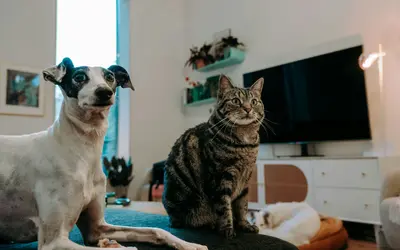
Senior pet care costs for an older dog run $2,475 to $5,200 a year, according to Rover's 2026 cost report, before any end-of-life care. An...

The silence can be deafening. You've just lost your beloved companion: your confidant, your source of unconditional love, your family...

Immediate crisis resources – help is available now! If you're having thoughts of suicide or self-harm, please reach out immediately: You're...
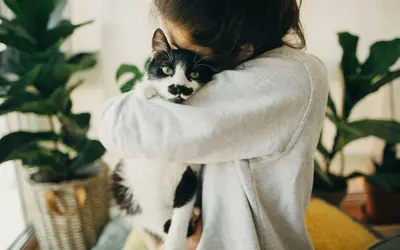
The weight of grief sits heavy on your chest as you look at that empty dog bed or unused food bowl. The house feels quieter, emptier, and...
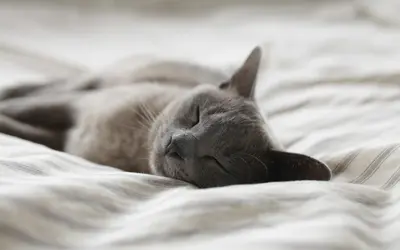
If your cat just died, here's what actually has to happen in the first 48 hours: care for their body, and let yourself feel this. That's...
Cats are among the most stoic animals in domestic life. Their instinct to hide vulnerability is so strong that signs of serious illness or decline can be subtle until the animal is significantly compromised. Knowing what to look for helps you catch changes earlier.
Common signs that a cat may be in serious decline include:
Any one of these signs warrants a conversation with a veterinarian. Several together warrant urgent attention.
Chronic kidney disease is the most common serious illness in senior cats. It is progressive, manageable in its early stages, and eventually fatal. Cats with CKD often show increased thirst and urination early on, followed by weight loss, decreased appetite, and eventually nausea and lethargy. Dietary management, fluid support, and medications can significantly extend a comfortable life when CKD is caught early. When it reaches its final stage, our guide to end-stage kidney failure in cats covers the signs, comfort care, and the decision.
Hyperthyroidism causes the thyroid gland to overproduce hormones, leading to weight loss despite a good or increased appetite, hyperactivity, vomiting, and sometimes heart complications. It is very treatable in earlier stages through medication, radioactive iodine, or surgery. Untreated, it strains the heart and kidneys.
Cancer in cats can take many forms. Lymphoma is among the most common in older cats and can affect the intestinal tract, causing weight loss, vomiting, and diarrhea. Some forms of feline cancer respond well to treatment; others progress quickly. Your vet can help you understand the specific prognosis for your cat’s particular diagnosis.
Feline hypertrophic cardiomyopathy is the most common heart disease in cats. It thickens the heart muscle and can cause breathing difficulties, clot formation, and sudden death in some cases. Regular cardiac screening for cats over age 8 can help catch it early.
Cats rarely vocalize pain the way dogs do. Instead, signs of pain in cats include changes in posture, reluctance to jump or use stairs, a hunched appearance, dilated pupils, changes in facial expression (the Feline Grimace Scale is a useful reference), reduced grooming, and withdrawal.
Pain management for cats has improved considerably and now includes NSAIDs formulated specifically for cats, gabapentin, buprenorphine, and complementary approaches such as acupuncture and laser therapy. If you believe your cat is in pain, a direct conversation with your vet about pain management options is warranted.
Palliative care for cats focuses on comfort rather than cure. It can include pain management, appetite support, anti-nausea medications, subcutaneous fluid therapy (which owners can often learn to do at home), and modifications to the home environment to reduce physical strain.
Some veterinary practices offer hospice-level care for cats, involving a dedicated care plan and regular check-ins. In-home hospice veterinarians are available in many areas and can be particularly valuable for cats who become stressed by veterinary clinic visits.
The decision to euthanize a cat is one that most cat owners describe as among the hardest of their lives. The combination of a cat’s stoicism, which makes it hard to know how much they are suffering, and the deep but sometimes socially undervalued nature of cat-human bonds, can make this particularly isolating.
Quality-of-life frameworks like the Villalobos Scale can help provide structure to what is otherwise a very difficult emotional assessment. Your vet’s perspective matters, but so does your knowledge of your specific cat. You know them better than anyone.
Euthanasia for cats is typically a two-step process. First, a sedative is given to help the cat relax completely. Then a second medication gently and quickly stops the heart. The process is peaceful. Most cats simply fall asleep.
In-home euthanasia is widely available for cats and allows them to pass in their own environment, on their favorite blanket, surrounded by the people they love. Many cat owners prefer this option precisely because cats are so home-oriented. You can find in-home euthanasia providers in our directory.
Cat owners sometimes experience their grief being minimized because some people perceive cats as less emotionally connected than dogs. This perception does not reflect reality. Research on the human-cat bond documents the same depth of attachment and grief responses as those observed in bonds with other companion animals.
Your grief over your cat is real, and it deserves real support. Pet loss grief counselors, cat-specific loss communities, and resources in our grief and emotions section are all here for you.
Love, Baxter covers the full arc of cat end-of-life care, including recognizing decline, common end-of-life conditions, pain management, palliative and hospice options, the euthanasia decision, and grief after loss. Our directory includes in-home euthanasia providers and hospice vets who work with cats, and our grief resources are fully available for cat owners.
Cats are exceptionally skilled at masking illness and pain. Signs of serious decline include significant weight loss, changes in grooming, increased hiding or withdrawal, labored or open-mouth breathing, changes in litter box use, glassy eyes, and a general stillness that feels different from normal rest. Any cluster of these signs warrants a prompt conversation with a veterinarian.
Chronic kidney disease is the most common serious illness in senior cats. It is progressive, manageable in early stages with dietary changes and supportive care, and eventually fatal. Other very common conditions include hyperthyroidism, which is highly treatable, and various forms of cancer. Regular bloodwork for senior cats helps catch these conditions before clinical signs appear.
Cats rarely vocalize pain the way dogs do. Signs of pain in cats include changes in posture, reluctance to jump or use stairs, a hunched appearance, dilated pupils, reduced grooming, and withdrawal from family. The Feline Grimace Scale is a useful reference for identifying pain through facial expression. If you suspect your cat is in pain, talk directly to your vet about management options.
In-home euthanasia allows your cat to pass in their own environment, on their own blanket, with familiar smells and the people they love around them. The process involves a sedative first, followed by a medication that gently stops the heart. Most cats simply fall asleep. Many cat owners prefer this option because cats are so home-oriented. You can find in-home providers through our directory.