







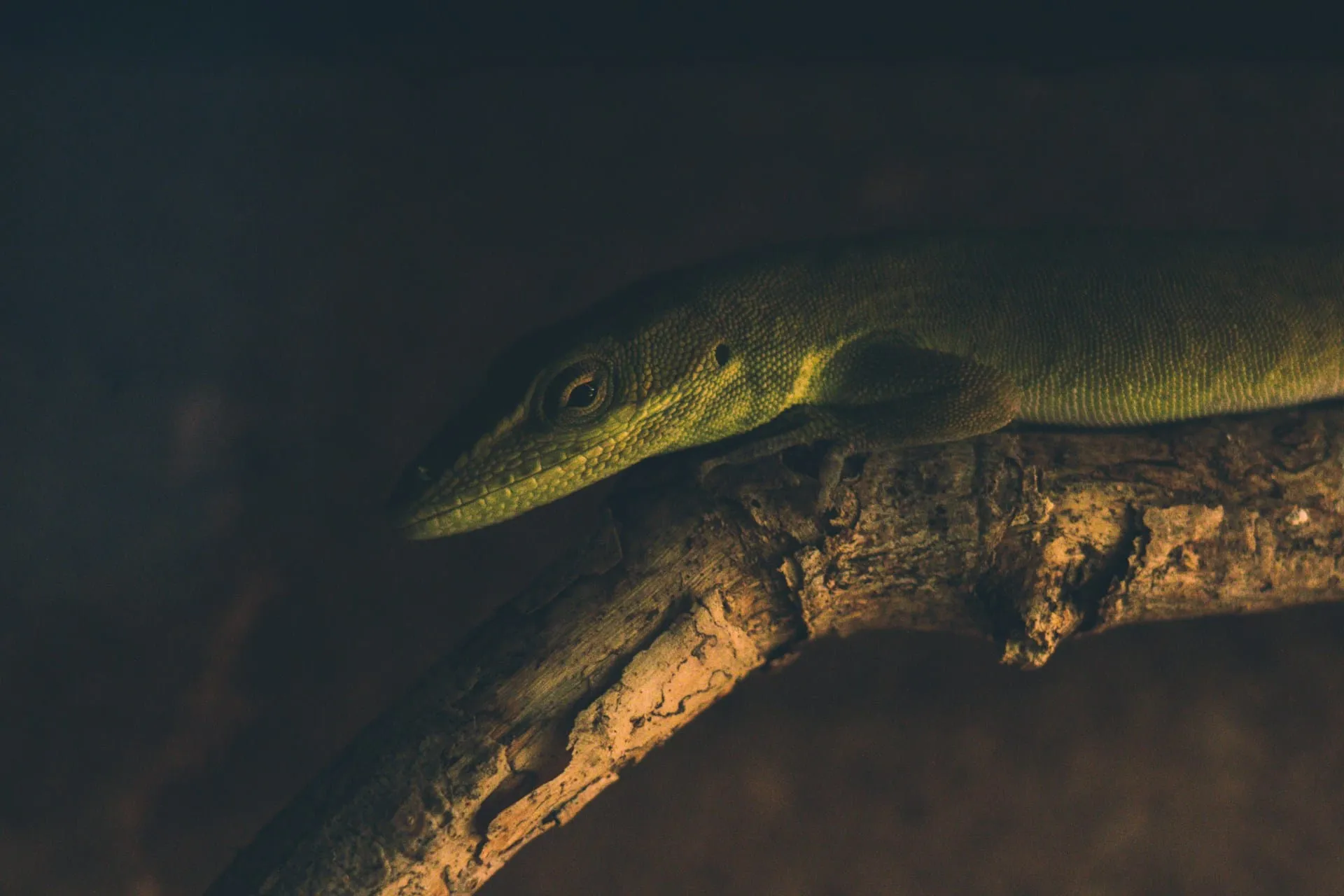
The bond we form with our reptile companions runs deep. Whether it’s a bearded dragon who’s been your faithful desk buddy for years, a ball python who’s grown alongside your children, or a chameleon whose colorful personality brightened your days, these remarkable creatures become family. When facing the difficult decision of euthanasia, the weight of saying goodbye can feel overwhelming, especially when you don’t know what to expect.
As someone who understands the unique and profound connection between humans and their reptile companions, I want to guide you through what happens during a reptile euthanasia appointment with clarity and compassion. This comprehensive guide covers everything from making the initial decision to aftercare options and coping with grief. My hope is that by removing some of the unknowns, you might find a small measure of peace during this painful journey.
Table of Contents
- 1Understanding the Decision to Euthanize a Reptile Companion
- 2Preparing for the Reptile Euthanasia Appointment
- 3What to Expect During the Reptile Euthanasia Process
- 4Saying Goodbye to Your Reptile Companion
- 5After the Euthanasia Appointment
- 6Coping with Grief After Losing Your Reptile Companion
- 7Finding Peace After a Reptile Euthanasia Appointment
- 8Frequently Asked Questions About Reptile Euthanasia
Understanding the Decision to Euthanize a Reptile Companion
Deciding to euthanize your reptile companion is one of the hardest choices you’ll face as a pet parent. Unlike mammals, who might show obvious signs of distress, reptiles are masters at hiding their discomfort. This evolutionary adaptation would protect them in the wild but can make end-of-life decisions particularly challenging for their human caregivers. Learning to recognize the subtle signs of suffering in your specific species of reptile is crucial to making this difficult but compassionate choice.
Signs That May Indicate It’s Time to Consider Euthanasia
Reptiles communicate their suffering differently from furry pets. Some indications that your reptile may be suffering include:
- Significant weight loss despite proper feeding attempts and environmental conditions
- Prolonged lack of appetite extending beyond normal fasting periods for the species
- Inability to maintain adequate body temperature regardless of an appropriate habitat setup
- Chronic or severe respiratory issues that don’t respond to veterinary treatment
- Untreatable infections or diseases that significantly impact quality of life
- Mobility issues preventing normal movement, basking, or access to food and water
- Severe deformities affecting basic functions like eating or breathing
- Tumors that can’t be treated and affect the quality of life
These signs must be evaluated in the context of your reptile’s specific species, age, and overall condition. What might be concerning in a young bearded dragon could be a normal aging sign in an elderly tortoise.
Consulting with a Reptile Veterinarian
A crucial step before scheduling a euthanasia appointment is consulting with a veterinarian who specializes in reptiles. Not all vets have experience with cold-blooded pets, so it’s important to seek out a specialized exotic animal veterinarian.
During this consultation, the vet will:
- Perform a thorough examination of your reptile’s condition
- Discuss potential treatment options and their likelihood of success
- Help assess your reptile’s quality of life using species-specific criteria
- Offer professional guidance on whether euthanasia is appropriate, given your pet’s condition
Many exotic animal veterinarians use specialized quality-of-life scales designed specifically for reptiles. When making these assessments, they consider natural behaviors, pain indicators, and species-specific needs.
Making the Decision as a Family
If your reptile is part of a family, including everyone in the decision-making process can be important, especially for children who may be experiencing pet loss for the first time. Having family discussions about:
- Your reptile’s current quality of life and how it has changed over time
- What treatments have been tried and their effectiveness
- Why euthanasia might be the most compassionate choice in this specific situation
- Any religious or philosophical perspectives on death and compassion that are important to your family
These conversations, while difficult, can help everyone process the decision and begin preparing for the loss. For children especially, being included in an age-appropriate way can help them develop healthy understandings of death, loss, and compassionate decision-making.
Preparing for the Reptile Euthanasia Appointment
Once you’ve decided to proceed with euthanasia, there are several steps you can take to prepare both practically and emotionally for the appointment itself. Proper preparation can help ensure the process goes as smoothly as possible during this difficult time and may provide some comfort knowing you’ve arranged everything with your reptile’s comfort in mind.
Finding the Right Veterinarian for Reptile Euthanasia
If your regular exotic vet doesn’t perform euthanasia services or if you don’t already have a reptile-specific veterinarian, take time to find someone with:
- Experience with your specific reptile species and their unique physiological needs
- A compassionate approach to end-of-life care for exotic pets
- A facility that offers privacy during the procedure for your comfort
- Options for aftercare that align with your wishes for your reptile’s remains
Don’t hesitate to call veterinary offices and ask specific questions about their reptile euthanasia procedures. A vet who takes time to answer your questions before the appointment will likely show the same care during this difficult experience. Ask about their experience with your specific species, as euthanasia methods can vary depending on whether you have a snake, lizard, turtle, or other reptile.
Scheduling Considerations for Reptile Euthanasia
Unlike emergencies with mammals, reptile euthanasia is often scheduled in advance, allowing you time to make thoughtful arrangements. Consider:
- Scheduling when the clinic is less busy (first or last appointment of the day) for a more peaceful experience
- Allowing yourself time off work before and after the appointment to process emotions
- Arranging transportation if you’re concerned about driving while emotional after the appointment
- Planning for what you’ll do immediately after the appointment to provide self-care
- Checking if the veterinarian can accommodate any special requests you might have
Some veterinarians even offer at-home euthanasia services for reptiles, which can reduce stress for both you and your pet by allowing them to remain in their familiar environment with their proper temperature and habitat elements. This option may be particularly beneficial for reptiles who become stressed by travel or unfamiliar surroundings.
What to Bring to the Reptile Euthanasia Appointment
Consider bringing these items to make the experience more comfortable for both you and your reptile companion:
- Your reptile’s favorite basking item or hide to provide comfort and familiarity
- A special blanket or piece of substrate they enjoy resting on
- A portable heat source or hot water bottle to keep them comfortable (especially important for reptiles)
- Any comfort items for yourself (tissues, stress ball, photos, support person)
- A container appropriate for transport after the procedure, if you plan to bury your pet
- Payment method (discussing costs beforehand can prevent added stress at an emotional time)
- Another adult for emotional support and possibly driving you home afterward
If you have specific wishes for how your reptile’s body will be handled after the procedure, bring any necessary items (e.g., a special box, burial cloth, etc.). Discussing these wishes with the veterinary staff ahead of time can ensure everything goes according to your preferences during this difficult experience.
Emotional Preparation for Reptile Euthanasia
Preparing emotionally may be the most challenging aspect of the euthanasia process. In the days leading up to the appointment, consider:
- Speaking with friends who understand your bond with your reptile and can provide support
- Journaling your feelings and favorite memories with your pet to process emotions
- Taking photos or videos in your reptile’s final days to preserve memories
- Creating a small ritual to honor your time together before the appointment
- Preparing what you might want to say as a final goodbye
- Reading about the grief process specifically related to pet loss
- Taking time off work or reducing commitments to give yourself space
Remember that grief for a reptile companion is just as valid as grief for any other pet. If others don’t understand, seek out communities of reptile enthusiasts who recognize the deep bonds that form with these special animals. Online forums and social media groups dedicated to specific reptile species often have members who have experienced similar losses and can provide understanding support.
What to Expect During the Reptile Euthanasia Process
Understanding the actual procedure can help reduce anxiety about the unknown and allow you to be more present during these final moments with your reptile companion. While each veterinary practice may have slightly different protocols, most follow a general process when performing euthanasia for reptiles.
Arrival and Initial Procedures at the Euthanasia Appointment
When you arrive for the reptile euthanasia appointment:
- You’ll likely be taken to a private room rather than waiting in the lobby with other clients
- The room may be prepared with comfortable seating, tissues, and a quiet atmosphere
- The veterinarian may discuss the process again in detail and answer any last-minute questions
- You’ll be asked to sign consent forms documenting your agreement to the procedure
- The vet team will explain payment processes (often handled before the procedure, so you can leave immediately after if desired)
- You’ll have time to settle your reptile in a comfortable position before the procedure begins
- Some veterinarians may offer special accommodations like dimmed lights or background music
Many veterinary clinics specializing in exotic pets create a calm, quiet environment with dimmed lights and soft voices to reduce stress for you and your reptile. If you have specific environmental preferences, don’t hesitate to ask if they can be accommodated.
The Euthanasia Method for Reptiles
The euthanasia process for reptiles differs somewhat from that used for mammals, primarily because of their unique physiology and metabolic processes.
For most reptiles, the process typically involves:
- Sedation or anesthesia – First, the veterinarian will administer a sedative or anesthetic agent through injection or gas (for smaller species). This ensures your reptile is not aware of or feeling any discomfort during the procedure. The method of administration will depend on the species, size, and condition of your reptile.
- Allowing time for sedation to take effect – Unlike with mammals, this step may take longer with reptiles due to their slower metabolism. The vet will ensure your pet is fully sedated before proceeding with the next step. This waiting period ensures your reptile experiences no stress or discomfort.
- Administration of euthanasia solution – Once your reptile is fully sedated and unaware, the veterinarian will administer the euthanasia solution. This is typically injected into a vein, heart, or body cavity, depending on the species and what is most appropriate and humane for your particular reptile.
Michela Torres, whose 18-year-old iguana Verde underwent euthanasia last year, shares: “I was worried about how the procedure would go since reptiles are so different from dogs and cats. My vet took time to explain each step and made sure Verde was completely comfortable before moving forward. It was peaceful—nothing like I had feared.”
What Your Reptile Will Experience During Euthanasia
It’s important to understand that when performed properly by an experienced exotic veterinarian, reptile euthanasia is designed to be:
- Pain-free throughout the entire process
- Stress-minimized with appropriate handling and sedation techniques
- Quick to induce unconsciousness before any final procedures
The sedation ensures your reptile will not experience the final moments with any awareness or discomfort. They will drift from sedated sleep to passing, without distress or awareness of what is happening. Veterinarians specializing in reptiles understand their unique physiology and will use appropriate medications and techniques specifically designed for cold-blooded animals.
How Long the Euthanasia Process Takes for Reptiles
The euthanasia process for reptiles typically takes longer than for mammals due to their unique physiology and metabolic processes:
- Sedation may take 15-30 minutes to take full effect due to reptiles’ slower metabolism
- The veterinarian will wait until your pet is completely unresponsive before proceeding
- The euthanasia itself usually takes only a few minutes once sedation is complete
- The veterinarian will take additional time to confirm that your pet has passed using multiple methods
You should expect to be in the appointment for 30-45 minutes, though this varies based on species, size, and individual circumstances. Smaller reptiles may process the medications more quickly, while larger reptiles might require more time. Your veterinarian should explain the expected timeline for your specific pet so you can be prepared.
Saying Goodbye to Your Reptile Companion
This difficult moment deserves time and space for a proper farewell. Saying goodbye to your reptile friend is an intensely personal experience, and there’s no single right way to handle this emotional time. Most veterinarians who specialize in exotic pets understand the significance of this moment and will do everything they can to accommodate your wishes.
Creating a Meaningful Farewell for Your Reptile
During the euthanasia appointment, you may wish to create a meaningful moment of farewell:
- Speak softly to your reptile (they recognize your voice, even when sedated, and this can be calming)
- Hold them if appropriate for the species and if the veterinarian approves as safe
- Play gentle music that has been part of their environment at home
- Place them on or with a favorite basking item or hide for comfort
- Have a moment of silence or prayer if that aligns with your beliefs
- Tell them what they’ve meant to you and the impact they’ve had on your life
- Remind them of favorite memories or special times you’ve shared
No way to say goodbye to your reptile companion is right or wrong. Most importantly, the moment feels meaningful to you and honors the relationship you shared. The veterinary team should respect your needs during this time and accommodate reasonable requests that don’t interfere with your pet’s comfort.
Options for Being Present During Reptile Euthanasia
You have several choices regarding your presence during the euthanasia procedure, and there is no single “right” approach:
- Stay throughout the entire procedure from sedation through final confirmation
- Be present for the sedation, but step out for the final injection if that feels more comfortable
- Say goodbye before the procedure begins and wait in another room
- Have someone else bring your reptile if being present is too emotionally difficult for you
- Attend virtually via video call if the veterinary practice allows this option
All of these choices are valid and deeply personal. The best option is what brings you the most peace and what you feel you can handle emotionally. Some people find closure in being present for the entire process, while others prefer to remember their pet before the procedure. Discuss your preferences with the veterinary team beforehand so they can support your decision.
Final Moments Together With Your Reptile
After your reptile has passed, most veterinarians specializing in exotic pets will:
- Give you privacy with your pet if you wish to have a final moment alone
- Carefully clean any discharge that may have occurred during the process
- Place your reptile in a comfortable, dignified position
- Allow you as much time as you need for final goodbyes without rushing you
- Provide a comfortable, quiet space for this intimate moment
- Offer tissues and support while respecting your privacy
- Answer any questions you may have about what happened or what comes next
Some people find comfort in wrapping their reptile in a special cloth, placing meaningful items with them, or performing a small ritual before leaving. Your veterinarian should accommodate reasonable requests during this time as long as they comply with any legal requirements regarding animal remains. This final goodbye can be an important part of the grieving process and the beginning of healing.
After the Euthanasia Appointment
The journey doesn’t end when you leave the veterinary clinic. The hours and days following your reptile’s euthanasia can be particularly challenging as you adjust to their absence and process your grief. Having a plan for this time can help you navigate these difficult emotions and honor your reptile’s memory meaningfully.
Body Care Options
You’ll need to decide how to care for your reptile’s remains:
Cremation options:
- Private cremation (your pet is cremated individually, and remains returned to you in an urn or container of your choice)
- Communal cremation (cremated with other pets, remains not returned but disposed of respectfully)
- Specialty reptile cremation services (available in some areas that cater specifically to exotic pets)
Burial options:
- Home burial (check local regulations first, as some areas restrict pet burials)
- Pet cemetery burial (dedicated spaces where your reptile can have a permanent resting place)
- Natural burial in specialized preserves (where available for a more ecological approach)
Alternative options:
- Preservation through taxidermy (if legal for the species and not protected by regulations)
- Professional skeleton articulation for education or memorial purposes
- Special containers designed specifically for reptile remains that honor their unique physiology
When Gabriella’s beloved leopard gecko Pebbles passed away at age 14, she chose a small, private cremation: “Having Pebbles’ ashes in a special urn shaped like a small rock feels fitting for her name and allows me to keep her close, even though she’s gone.”
Returning Home Without Your Reptile Companion
The return home after euthanasia can be challenging as you face the physical absence of your pet:
- Consider whether to remove habitat items immediately or gradually based on what feels right for you
- Decide if and when to clean and store or repurpose the enclosure (there’s no rush to make this decision)
- Plan a small ritual for when you return home (lighting a candle, looking at photos, writing a letter)
- Consider having a friend help with dismantling the habitat when you’re ready
- Allow yourself to take breaks if cleaning out the enclosure becomes too emotional
- Save special items like favorite hides or decorations as keepsakes if they are meaningful to you
Some find it painful to see the empty habitat, while others benefit from keeping it set up for a while as a memorial space. There’s no single correct approach—only what feels right to you in your unique grief journey. Permit yourself to handle this transition in whatever way brings the most comfort, even if others don’t understand.
Memorialization Ideas for Reptile Companions
Finding ways to honor your reptile’s memory can be an important part of the healing process:
- Create a photo book or digital memorial showcasing your reptile throughout their life
- Commission artwork featuring your reptile in their favorite basking spot or habitat
- Plant a garden in their honor (especially fitting for tortoises and herbivorous species)
- Donate to reptile conservation organizations that protect wild populations of your pet’s species
- Create or purchase a custom ornament, jewelry piece, or other keepsake with their image
- Name a star after them (like the memorial that inspired Love, Baxter)
- Volunteer at a reptile rescue or sanctuary to help other reptiles in need
- Create a memory box with items like a favorite hide, special toys, or shed skins you’ve kept
The size of the pet doesn’t dictate the size of the loss. Your grief deserves acknowledgment, and your reptile’s life deserves celebration, regardless of their species or how others might perceive the depth of your bond.
Coping with Grief After Losing Your Reptile Companion
The days and weeks following your loss will bring waves of grief that deserve attention and care. Grieving the loss of a reptile companion can present unique challenges that differ from the loss of more conventional pets. Yet, the emotional impact can be just as profound and deserving of recognition.
Understanding Reptile-Specific Grief
Grieving a reptile companion can come with unique challenges that differ from the loss of more conventional pets:
- Others may not understand the depth of your bond (“it was just a lizard”) or invalidate your feelings
- You might question your own grief or feel you need to justify your emotions (“Should I be this upset?”)
- The length of your relationship (many reptiles live decades) can deepen the loss significantly
- The specialized care you provided created unique bonds of dependency and trust that others may not recognize
- The quieter, more observational nature of reptile companionship creates a different but equally meaningful connection
Know that your grief is valid, regardless of your pet’s species. Your love and connection with your reptile companion was real, meaningful, and worthy of mourning. Your time, dedication, and care in understanding their unique needs created a special bond that deserves recognition and respect.
Self-Care Strategies During Mourning
During this difficult time:
- Allow yourself to feel your emotions without judgment or timeline expectations
- Connect with other reptile enthusiasts online who understand the unique bond with these animals
- Share memories and stories about your pet with supportive friends and family
- Create a small memorial space in your home with photos or items that remind you of your reptile
- Take breaks from grief when needed to avoid emotional exhaustion
- Maintain basic self-care (sleep, nutrition, movement) even when it’s difficult
- Consider journaling about your experience and the special memories you shared
Jonathan, who lost his corn snake after 15 years together, shares: “I found myself apologizing when I got emotional about losing Copper. Then I realized—he was with me through college, my first job, a cross-country move, and a divorce. Of course, I was devastated. Once I permitted myself to grieve openly, I started to heal.”
When to Seek Additional Support for Grief
Consider reaching out for more support if:
- Grief remains overwhelming after several weeks and interferes with daily functioning
- You’re having difficulty performing normal activities or maintaining your routine
- You feel isolated in your grief with no one who understands your connection with your reptile
- You’re experiencing persistent guilt about the euthanasia decision that doesn’t resolve
- The loss triggers other unresolved grief or emotional challenges
- You find yourself unable to think about your reptile without being overwhelmed by sadness
Options for additional support include:
- Pet loss support groups (in-person or online) where others understand the depth of animal bonds
- Therapists who specialize in pet loss and grief counseling
- Online communities specifically for reptile enthusiasts who understand these unique relationships
- Grief counseling services that validate all types of loss
- Books on pet loss that acknowledge the significant impact of losing any animal companion
Remember that seeking support is a sign of strength, not weakness, and can help you process your grief in healthy ways.
Finding Peace After a Reptile Euthanasia Appointment
The decision to euthanize a reptile companion comes from a place of deep love and compassion. When we choose to end suffering, we take on the emotional pain ourselves instead of allowing our pets to bear it any longer. While extraordinarily difficult, this final act of caregiving is also one of the purest expressions of the bond you shared with your scaly friend.
Remember that healing isn’t linear. Some days will be easier than others, and certain triggers—like finding a shed skin months later or reaching the anniversary of their passing—may bring grief back to the surface. This ebbing and flowing of emotion is normal as you process your loss.
As you navigate this journey, I hope you’ll be gentle with yourself. Your reptile brought unique joy to your life, and your grief honors your special relationship. Though your scaly friend may no longer be physically present, the love you shared lives on in your heart and memories.
If you’re reading this while preparing for an upcoming euthanasia appointment, please know that countless others have walked this path before you. Though each journey is unique, you are not alone in your love for your reptile companion or in your grief.
Larger animals raise their own questions, and our guide to what happens during horse euthanasia covers that process and the burial choices after.
Some reptile owners also consider preservation, and our pet taxidermy guide covers the costs and process.
Grief doesn’t scale to the size of the animal. Our exotic pet end-of-life collection takes these losses seriously.
Frequently Asked Questions About Reptile Euthanasia
How do I know when it’s time to euthanize my reptile?
Recognizing suffering in reptiles can be particularly challenging since they naturally hide discomfort as a survival adaptation. Key signs to watch for include significant weight loss despite proper feeding, prolonged appetite loss beyond normal fasting periods, inability to maintain body temperature, chronic respiratory issues unresponsive to treatment, untreatable infections, mobility problems preventing access to basic needs, or severe deformities affecting vital functions. It’s crucial to consult an exotic animal veterinarian specializing in reptiles, as what’s concerning in one species may be normal aging in another. These specialists use reptile-specific quality-of-life assessments that consider natural behaviors, pain indicators, and species-specific needs to help guide this difficult decision.
Is the euthanasia process different for reptiles than for dogs or cats?
Yes, reptile euthanasia requires specialized techniques because of their unique physiology. Reptiles have slower metabolisms and different nervous systems than mammals, so the process involves species-specific protocols. Most veterinarians use a two-step approach: first administering a sedative or anesthetic (often through injection into specific locations depending on the species), followed by an overdose of euthanasia solution once your reptile is deeply unconscious. The process may take slightly longer than with mammals due to reptiles’ slower circulation and metabolism. It’s essential to work with a veterinarian experienced in reptile euthanasia who understands these physiological differences and can ensure a peaceful, pain-free passing for your specific species.
Can I stay with my reptile during the euthanasia procedure?
Most veterinarians who perform reptile euthanasia welcome and encourage pet parents to stay with their companions throughout the procedure. Your presence can provide comfort to both you and your reptile, allowing you to say goodbye and ensuring your pet isn’t alone in an unfamiliar environment. Some pet parents find it healing to be there, while others prefer to say goodbye beforehand. There’s no right or wrong choice. It’s entirely personal. If you choose to stay, the veterinary team will explain each step, give you time before and after, and support you through the process. Don’t hesitate to discuss your preferences with your vet when scheduling the appointment.
Why don’t people understand my grief over losing my reptile?
Unfortunately, reptile loss often faces invalidation from others who don’t understand the deep bond formed with these unique companions. Comments like “it was just a lizard” reflect a lack of understanding about the meaningful connections possible with reptiles. The truth is, the specialized care you provided (maintaining proper temperatures, understanding their subtle behaviors, earning their trust) created a profound bond. Many reptiles live for decades, making the loss even more significant. Your grief is completely valid regardless of your pet’s species. The quieter, more observational nature of reptile companionship creates a different but equally meaningful connection. Connect with online reptile communities or pet loss support groups where others understand these unique relationships and will validate your feelings without judgment.
On this topic