







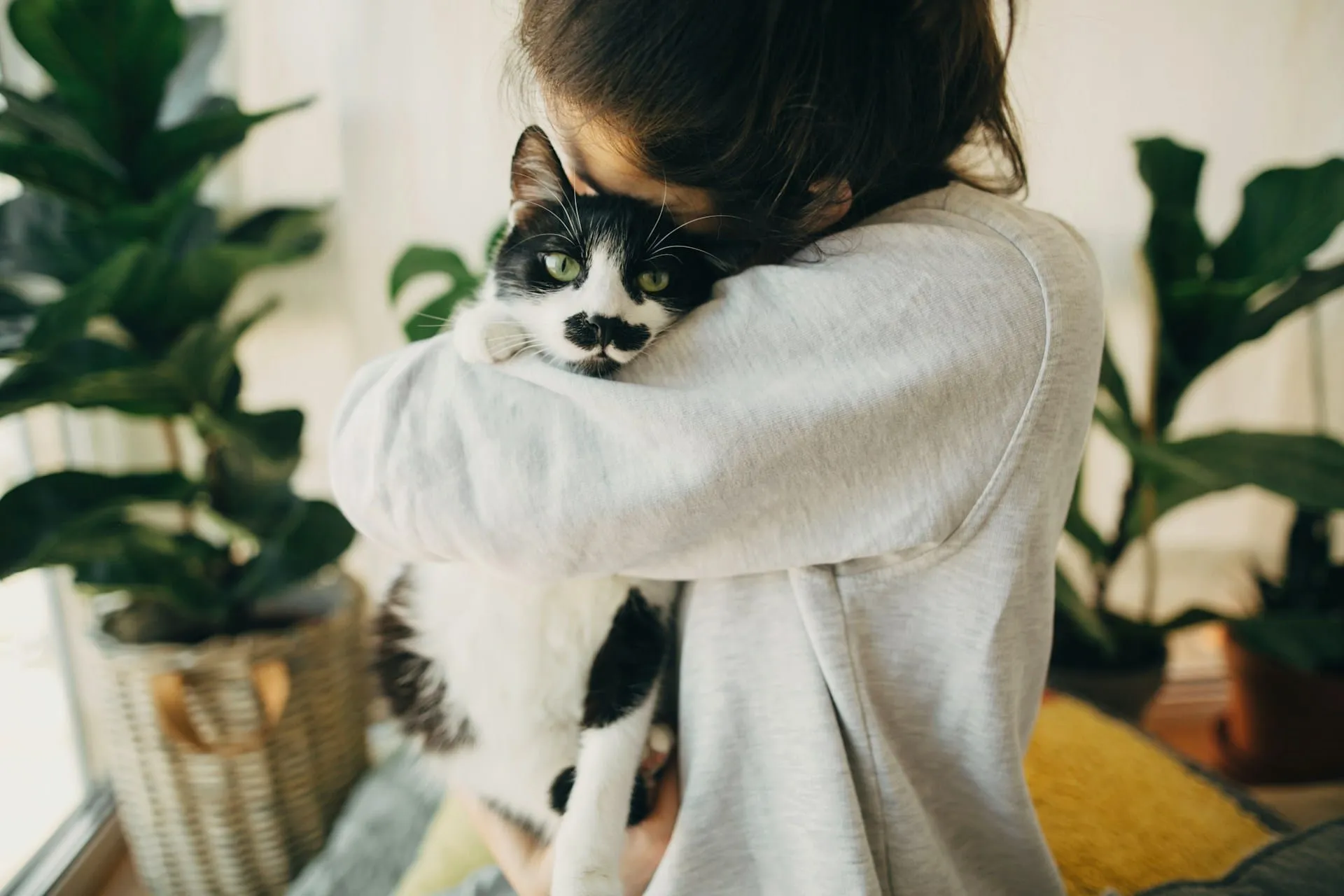
The weight of grief sits heavy on your chest as you look at that empty dog bed or unused food bowl. The house feels quieter, emptier, and somehow larger without your beloved companion. In these raw moments of pet loss, the pain can feel insurmountable, leaving you wondering if this overwhelming sadness will ever subside. As someone who has walked this painful path, I understand that burning question: Does pet loss get easier with time?
The short answer is yes, but not in the way you might expect. The journey through pet grief isn’t about the pain disappearing; it’s about learning to carry it differently as time passes.
Table of Contents
- 1The Unique Nature of Pet Loss Grief
- 2The Truth About Time and Healing
- 3What Research Tells Us About Pet Loss and Time
- 4Factors That Influence How Grief Changes Over Time
- 5Signs That Pet Loss Is Getting Easier Over Time
- 6When Pet Loss Doesn’t Seem to Get Easier
- 7Practical Ways to Help Grief Evolve
- 8The Role of New Pets in the Healing Journey
- 9A Personal Perspective on Time and Pet Grief
- 10Conclusion: The Transformation of Grief Over Time
- 11The Unconditional Love of Pets Creates Deeper Grief
- 12The Guardian Role Intensifies Pet Loss Grief
- 13Society Often Dismisses Pet Grief as Less Important
- 14Pet Loss Hurts More Because of Their Innocence and Purity
- 15How to Cope When Pet Loss Feels Overwhelming
- 16The Science Confirms Why Pet Grief Hurts So Intensely
- 17Healing from Intense Pet Loss Grief Takes Time
- 18Why Pet Loss Often Hurts More Than Human Loss: What Science Tells Us
- 19Frequently Asked Questions About Pet Loss Getting Easier With Time
The Unique Nature of Pet Loss Grief
The bond between humans and their animal companions creates a relationship unlike any other. Our pets offer unconditional love, unwavering loyalty, and a presence that becomes interwoven with our daily routines. When they leave us, the void they leave behind can feel catastrophic.
“The grief experienced after losing a pet can be just as intense as that following the loss of a human loved one,” explains Dr. Susan Cohen, a veterinary social worker specializing in pet loss counseling. “Yet society often doesn’t validate this grief in the same way.”
This lack of validation—hearing comments like “it was just a dog” or “you can always get another cat”—can compound your suffering and make you question whether your profound grief is warranted. Let me assure you: it absolutely is.
Why Pet Loss Hits So Hard
Several factors make pet loss particularly challenging to process and overcome:
- Daily presence: Your pet was likely part of your everyday routine—greeting you at the door, sleeping beside you, needing walks or feeding at specific times. This consistent companionship creates deep neural pathways that take time to rewire after loss.
- Unconditional relationship: Unlike human relationships, which can be complicated, pet relationships are straightforward and based on mutual care and affection. This pure bond often feels irreplaceable, intensifying the grief experience.
- Decision-making burden: Many pet parents face the heart-wrenching decision of euthanasia, adding layers of guilt and questioning to their grief. This moral responsibility creates a complex emotional landscape that requires significant processing time.
- Physical comfort: Pets provide tactile comfort through touch, petting, and physical closeness that suddenly disappears. The absence of this physical connection can trigger profound feelings of emptiness that evolve gradually over time.
When Baxter passed away in October 2024, the physical absence was one of the hardest aspects to endure. The missing weight of him curled against me, the silence where his breathing should have been—these sensory losses intensified the emotional pain in ways I wasn’t prepared for.
The Truth About Time and Healing
What “Getting Easier” Actually Means
Time doesn’t erase the loss of a beloved pet—and that’s not what healing looks like. Rather than diminishing your love or erasing their memory, healthy grieving integrates your pet’s absence into your new reality. Getting easier doesn’t mean forgetting; it means finding ways to honor their memory while continuing your life journey.
Here’s what you might experience as time passes:
The First Days and Weeks
The initial period after pet loss is often characterized by acute grief. You may experience:
- Overwhelming waves of emotion that seem to come from nowhere
- Difficulty focusing on daily tasks
- Sleep disturbances or changes in appetite
- Physical sensations of pain or emptiness
- Expecting to see or hear your pet in their usual places
During this phase, simply getting through each day takes tremendous energy. Self-care becomes essential, though it may feel impossible or even unimportant.
The Following Months
As weeks turn into months, most people notice subtle shifts:
- The waves of grief become less frequent, though they may remain just as intense
- Moments of remembering your pet with joy begin to intermingle with the pain
- Sleep and appetite typically begin to normalize
- Daily routines start to feel less empty and more manageable
- The ability to talk about your pet without immediately breaking down increases
This doesn’t mean you’re “over it”—merely that your mind and heart are beginning to adapt to your loss.
The Longer Journey
In the longer term, many pet parents report:
- The ability to revisit happy memories without being overwhelmed by sadness
- Finding meaning in their pet’s life and death
- Developing rituals or ways to honor their pet’s memory
- Potentially opening their heart to new animal companions (when ready)
- A deeper appreciation for the human-animal bond
What Research Tells Us About Pet Loss and Time
Studies on pet bereavement support the idea that time does bring changes to grief, though the timeline varies significantly between individuals. Research published in the Journal of Veterinary Medical Education found that intense grief symptoms typically begin to subside within 6-12 months for most people, though some experience longer periods of acute grief.
However, this doesn’t mean grief disappears after a year. Instead, it transforms. A 2018 study in the Journal of Loss and Trauma revealed that many pet owners continue to feel the impact of their loss years later, but with less interference in their daily functioning.
Factors That Influence How Grief Changes Over Time
Individual Circumstances Matter
How your grief evolves depends on several personal factors:
Your Relationship With Your Pet
The depth and nature of your bond significantly impact your grief journey. If your pet was your primary emotional support, lived with you for many years, or helped you through difficult life periods, your grief may be more complex and require more time to process.
Available Support Systems
People with supportive friends, family members, or access to pet loss support groups often find their grief becomes more manageable sooner. Having others who validate your feelings rather than minimize them creates space for healthy grieving.
Previous Loss Experiences
Your history with loss—both human and animal—shapes how you process new grief. Sometimes, the loss of a pet can trigger unresolved grief from previous losses, creating a more complicated healing journey.
Self-Care Practices
Those who actively engage in self-care—whether through physical activity, creative expression, mindfulness practices, or seeking professional support when needed—typically find that their grief becomes more manageable with time.
Signs That Pet Loss Is Getting Easier Over Time
How to Recognize Healing in Your Pet Grief Journey
While everyone’s grief path is unique, these vital signs often indicate that your pet loss grief is evolving in healthy ways:
- Finding emotional balance: You can think about your pet and simultaneously feel sadness and joy. This emotional complexity represents a significant healing milestone as your brain processes the loss more completely.
- Functional restoration: You’ve returned to daily activities and routines with reasonable engagement. The initial fog of grief lifts gradually, allowing you to reconnect with life’s responsibilities and pleasures.
- Memory integration: Memories of your pet bring comfort alongside sadness. You can revisit photos, videos, and stories without being overwhelmed by grief, finding solace in the love you shared.
- Meaning-making: You can identify ways your pet enriched your life and perhaps how their loss has changed you. This perspective helps transform raw grief into a meaningful narrative that honors your pet’s legacy.
- Forward movement: You can imagine a future that honors your pet’s memory while embracing new possibilities. This doesn’t mean forgetting but incorporating their impact as you move forward in life.
When Pet Loss Doesn’t Seem to Get Easier
Recognizing Complicated Grief
For some, pet grief remains intensely painful for extended periods, significantly impacting daily functioning. If you’re experiencing the following after several months, you may be dealing with complicated grief:
- Persistent intense yearning or longing that doesn’t diminish
- Inability to accept the reality of the loss
- Excessive avoidance of reminders
- Persistent bitterness, anger, or guilt
- Feeling that life is meaningless without your pet
- Significant impairment in social or occupational functioning
In these cases, professional support can be invaluable. Counselors or therapists specializing in pet loss can provide strategies and support for navigating complicated grief.
Practical Ways to Help Grief Evolve
Actions That Support Healing
While time provides the framework for healing, your active participation in the grief process influences how that journey unfolds:
Honor Your Pet’s Memory
Creating meaningful tributes helps transition acute grief into a more manageable form:
- Create a memorial garden or plant a tree
- Make a photo album or digital slideshow
- Donate to an animal charity in their name
- Establish a remembrance ritual on special dates
When we lost Baxter, naming a star after him provided immense comfort—a permanent, beautiful reminder that his light continues to shine. This gesture inspired the creation of Love, Baxter, to help others find similar comfort in their darkest moments of pet loss.
Connect With Understanding Others
Sharing your grief with those who understand its depth can be profoundly healing:
- Join pet loss support groups (online or in-person)
- Connect with friends who have experienced similar losses
- Participate in pet remembrance ceremonies
- Share stories about your pet with compassionate listeners
Express Your Feelings
Emotional expression facilitates the natural evolution of grief:
- Journal about your feelings and memories
- Create art, music, or poetry inspired by your pet
- Write a letter to your pet expressing unspoken thoughts
- Allow yourself to cry when needed
Practice Self-Compassion
Being gentle with yourself creates space for natural healing:
- Acknowledge the validity of your grief without judgment
- Give yourself permission to grieve at your own pace
- Recognize grief’s unpredictable nature
- Treat yourself with the kindness you’d offer a friend
The Role of New Pets in the Healing Journey
When and If to Welcome Another Animal Companion
Many grieving pet owners wonder if adopting another pet will make their grief easier. This deeply personal decision depends on numerous factors, including:
- Your readiness to form a new bond
- Your living situation and lifestyle
- Whether you’re seeking a replacement or a new relationship
- The needs of other pets in your household
There’s no universal “right time” to adopt again. Some find that a new pet helps their heart heal, while others need significant time before they’re ready. Both choices are valid.
What’s most important is recognizing that a new pet doesn’t replace the one you’ve lost—it occupies a new, different space in your heart. Each animal companion brings its unique personality and relationship dynamic into your life.
A Personal Perspective on Time and Pet Grief
In the months following Baxter’s passing, I discovered that grief isn’t something you “get over”—it’s something you learn to carry. The sharp edges of pain gradually softened, not because I was forgetting him, but because I was learning to integrate his absence into my new reality.
Certain triggers—finding one of his toys tucked behind furniture, hearing a similar-sounding bark, or passing his favorite walking spot—can still bring waves of sadness even months later. But these moments no longer completely derail me as they once did.
What’s changed most significantly is my ability to recall the joyful moments we shared without being immediately overwhelmed by the pain of his absence. I can look at photos, tell stories about his antics, and even laugh at memories of his mischievous moments. This ability to hold both love and loss simultaneously is perhaps the clearest indication that time has indeed changed my grief.
Conclusion: The Transformation of Grief Over Time
Does pet loss get easier with time? Yes—but not through forgetting or “moving on.” Instead, time allows us to develop a new relationship with our grief. The pain doesn’t disappear; it transforms. What once felt like a crushing weight becomes more like a companion that walks alongside you, sometimes making its presence known more strongly, other times fading into the background.
The acute, overwhelming grief gradually gives way to a gentler sadness interwoven with gratitude for the time you shared. You don’t stop missing them—you learn to carry that missing in a way that allows you to also have joy, purpose, and eventually, new love.
If you’re in the depths of pet loss grief right now, please know that while the pain may feel insurmountable, it will not always be this intense. The love you shared with your pet has permanently changed you, and in time, that love—not just the pain of its physical ending—will define your memories.
Your grief journey is uniquely yours. Honor it, respect its timeline, and be gentle with yourself as you navigate this difficult path. And remember that reaching out for support—whether from friends, support groups, or professional counselors—isn’t a sign of weakness but rather a testament to the depth of your love for your pet, but rather highlights the unique and special bond we share with our pets. If you’re feeling this way, you’re not wrong, strange, or overreacting – you’re experiencing a legitimate form of grief that deserves acknowledgment and respect.
The Unconditional Love of Pets Creates Deeper Grief
Pets Offer Pure, Judgment-Free Relationships
Our relationships with our animal companions exist without the complexities that often complicate human connections. Unlike people, pets never hold grudges, judge our life choices, or bring up past mistakes. They offer us something increasingly rare in human relationships—pure, unconditional love without emotional baggage.
Our pets witness us at our most vulnerable moments – in ratty pajamas, with messy hair, sobbing through difficult times – and their affection remains steadfast. This complete acceptance creates a unique emotional safety that many people rarely experience elsewhere, making the severing of this bond particularly painful.
Daily Routines Amplify the Absence After Loss
For most pet parents, our animal companions become deeply integrated into our everyday lives in ways that even close family members aren’t. They participate in our morning rituals, enthusiastically welcome us home daily, and provide a comforting presence throughout our nights. Their consistent companionship becomes a cornerstone of our daily existence.
When a pet dies, these established routines are abruptly shattered. The empty food bowl sits as a stark reminder. The unused leash hangs by the door like a painful memorial. The bed feels unnaturally vacant without their familiar weight and warmth. These constant, physical reminders of absence can make pet grief particularly acute and long-lasting.
The Guardian Role Intensifies Pet Loss Grief
Pets Depend on Us Completely for Everything
Our animal companions rely on us entirely for their survival and happiness, from daily feeding to veterinary care, exercise, safety, and emotional nurturing. This complete dependence fosters a profound connection. We become their entire universe; they place absolute trust in our care.
When a pet is lost, we’re not merely losing a companion—we’re losing a being who needed us fundamentally for their existence. This often creates a distinct grief experience intertwined with a profound sense of emptiness where caregiving responsibilities once existed.
Euthanasia Decisions Create Additional Emotional Complexity
Unlike most human losses, pet parents frequently shoulder the overwhelming responsibility of making end-of-life decisions for their beloved animals. The immense weight of determining when to end a pet’s suffering through euthanasia introduces layers of guilt, questioning, and grief beyond what’s typically experienced in human loss.
This additional emotional burden – repeatedly asking yourself “Did I choose the right time?” or “Could I have done more?” – makes pet grief uniquely complicated and often more difficult to resolve than other types of loss.
Society Often Dismisses Pet Grief as Less Important
Pet Loss Creates Disenfranchised Grief Experiences
One exceptionally painful aspect of losing a pet is how society frequently fails to validate it as “legitimate” grief. While human losses typically generate sympathy cards, funeral attendance, and workplace bereavement leave, pet parents rarely receive similar acknowledgment or support when their animal companion dies.
This societal dismissal – what grief experts specifically term “disenfranchised grief” – often leaves pet parents feeling profoundly isolated in their suffering. When well-meaning people dismiss your pain with comments like “it was just a cat” or “you can always adopt another one,” it intensifies your grief with added feelings of shame, anger, and invalidation that rarely accompany human loss.
Pet Parents Lack Traditional Mourning Rituals
Human deaths come with well-established cultural rituals specifically designed to help process grief – formal funerals, religious ceremonies, memorial gatherings, and community support. These traditional practices provide crucial social validation and structured grieving opportunities.
However, these formal rituals rarely exist for pet loss or lack community participation. Without these established frameworks to honor your pet’s life and formally acknowledge their passing, pet grief commonly remains unresolved, complicated, and more prolonged than other forms of bereavement.
Pet Loss Hurts More Because of Their Innocence and Purity
Pets Possess Complete Innocence That Humans Don’t
Our pets’ spirits are undeniably pure, and this purity resonates profoundly within us. They experience the world with genuine openness, endless curiosity, and uninhibited joy—qualities largely untouched by the cynicism, judgment, or emotional complexity that inevitably shapes human interactions.
This absolute innocence makes their illness, suffering, or death feel fundamentally unjust in ways human loss rarely does. They never comprehend why they’re experiencing pain or illness. They place complete faith in our ability to protect them, and when we ultimately cannot, this broken covenant of care creates a unique devastation rarely experienced in human relationships.
Non-Verbal Bonds Create Deeper Emotional Connections
Without conventional language, our relationships with pets develop through profound nonverbal connections, physical touch, daily routines, and intuitive understanding. This creates bonds that operate on a fundamentally different level than our human relationships—connections that exist in deeper emotional territories beyond words.
When death severs this unique intuitive connection, we lose more than a companion; we lose a distinctive form of communication and understanding that exists nowhere else in our lives. This specialized grief involves mourning a relationship transcending ordinary human communication, making the void particularly difficult to fill or understand.
How to Cope When Pet Loss Feels Overwhelming
Validating Your Pet Grief Experience Is Essential
The critical first step toward healing after pet loss involves fully acknowledging that your grief is legitimate and significant. The intensity of your pain directly reflects the depth of your love for your pet – it’s that simple.
Give yourself complete permission to grieve without self-judgment or arbitrary timelines. Just as you would never pressure someone mourning a human family member to “move on,” don’t force yourself to overcome pet grief according to anyone else’s expectations or schedule.
Creating Meaningful Pet Memorial Rituals Helps Healing
Without established social frameworks for pet grief, developing personal mourning rituals becomes crucial for healing. Consider these proven methods for honoring your pet’s memory:
- Hold a memorial service with supportive friends and family
- Create a beautiful photo album or digital memorial
- Plant a memorial tree or garden in your pet’s honor
- Commission a custom portrait or sculpture
- Establish a scholarship or donation to animal welfare in their name
- Name a star after your beloved companion
At Love, Baxter, we specialize in meaningful memorialization, offering services like star naming for your departed pet, creating permanent celestial tributes that provide ongoing comfort during complex grief journeys.
Finding Pet Loss Support Communities Reduces Isolation
Connect with others who truly understand the unique nature of pet loss grief. These valuable resources can provide essential validation during your bereavement process:
- Online pet loss support forums and social media groups
- In-person pet bereavement support meetings
- Professional counselors specializing in animal companionship loss
- Pet loss hotlines staffed by trained grief counselors
- Veterinary-affiliated support services
Remember that countless people worldwide have experienced this exact profound loss. Though pet grief often feels isolating, you’re part of a vast community of people who understand your pain exactly as you’re feeling it.
The Science Confirms Why Pet Grief Hurts So Intensely
Brain Chemistry Explains the Powerful Pet-Human Bond
Scientific research conclusively demonstrates that identical neurochemicals—specifically oxytocin, dopamine, and serotonin—are activated during human bonding and pet relationships. From a neurological perspective, pet attachment mechanisms function virtually identically to human attachments, explaining why the grief response can feel equally intense or stronger.
Multiple neuroimaging studies reveal that when many pet parents view their animal companions, the same brain regions associated with parental love activate powerfully. This neurological evidence scientifically validates why losing a pet genuinely feels comparable to losing a child for many pet parents – the brain processes these relationships through remarkably similar pathways.
Physical Symptoms of Pet Loss Are Measurably Real
Pet grief manifests beyond emotions into measurable physical symptoms. Following a pet loss, bereaved pet parents frequently experience:
- Severe fatigue and energy depletion
- Significant appetite disturbances
- Persistent sleep disruption
- Physical pain manifestations
- Immune system suppression
- Cognitive functioning impairment
- Stress hormone elevation
These documented physiological responses precisely mirror those experienced after significant human loss. Understanding these biological mechanisms validates that pet grief isn’t merely an emotional overreaction—it represents your body and brain processing legitimate, significant bereavement through established neurological pathways.
Healing from Intense Pet Loss Grief Takes Time
Carrying Your Pet’s Memory Forward Helps Healing
Genuine healing never requires forgetting your pet. Instead of the problematic concept of “moving on,” envision your grief journey as “moving forward” while intentionally carrying your beloved pet’s memory with you. The healing goal isn’t abandoning their memory but finding meaningful ways to honor your enduring connection while continuing your life path.
Most bereaved pet parents discover that overwhelming initial grief gradually transforms into a gentler melancholy interwoven with profound gratitude for shared experiences. Your relationship with your departed pet evolves rather than ends, continuing in a different form through memory, love, and lasting impact on your life.
When to Consider a New Pet After Loss
The question of when – or whether – to welcome another animal companion represents one of the most challenging decisions following pet loss. No universal timeline exists, and the right moment varies dramatically between individuals:
- Some find immediate comfort in new animal companionship
- Others need months or years before feeling ready
- Some choose never to have another pet
- Many experience guilt about “replacing” their pet
Remember that adopting a new pet never replaces the one you lost – each animal relationship remains unique and irreplaceable. A new companion doesn’t diminish your bond with your deceased pet but instead offers an opportunity to share your experienced love with another deserving animal when you’re emotionally prepared.
Why Pet Loss Often Hurts More Than Human Loss: What Science Tells Us
The profound pain of losing a beloved animal companion frequently feels more overwhelming than human loss, not because we love people any less, but because our pet bonds exist in uniquely intense emotional territories. Their unconditional love, complete dependence, daily integration into our routines, and absolute innocence create relationships fundamentally different from even our closest human connections.
At Love, Baxter, we intimately understand this exceptional grief because we’ve lived through it ourselves. Our company emerged directly from the devastating loss of my cherished Boston Terrier, Baxter, in October 2024 – a passing that left an immeasurable emptiness in my life. Through that transformative grief experience, we committed ourselves to supporting others navigating the challenging journey of pet bereavement.
If you’re currently grieving a pet, practice genuine self-compassion. Your grief’s intensity directly reflects the beauty and depth of the relationship you shared. With time and proper support, you’ll discover that your love endures even as grief’s sharpest edges gradually soften, eventually transforming your pet’s memory into a source of comfort rather than exclusively pain.
Remember this truth: in a world where unconditional love is becoming increasingly rare, the pure love of a pet represents life’s most precious gift, both during their presence in our lives and eternally in their memory.
If you’re facing this with a horse, our horse end-of-life resources cover the decisions specific to them.
Frequently Asked Questions About Pet Loss Getting Easier With Time
How long does it take for pet loss grief to get easier?
Pet loss grief doesn’t follow a universal timeline. It varies significantly between individuals based on your relationship with your pet, available support systems, and personal circumstances. Research published in the Journal of Veterinary Medical Education found that intense grief symptoms typically begin to subside within 6-12 months for most people, though some experience longer periods of acute grief. However, “getting easier” doesn’t mean the pain disappears. It transforms. In the first days and weeks, you’ll likely experience overwhelming waves of emotion and difficulty focusing, but as weeks turn into months, most people notice the waves become less frequent (though equally intense), and moments of joyful remembrance begin intermixing with pain. Over the longer term, many find they can revisit happy memories without being overwhelmed, develop meaningful rituals to honor their pet, and potentially open their hearts to new companions when ready. A 2018 study revealed that pet owners continue to feel their loss’s impact years later, but with less interference in daily functioning, meaning healing isn’t about forgetting but about learning to carry your love differently while moving forward.
Why does losing my pet hurt so much more than I expected?
Pet loss creates uniquely intense grief because of several powerful factors that distinguish it from other relationships. Your pet was likely part of your everyday routine (greeting you at the door, sleeping beside you, needing walks at specific times), creating deep neural pathways that take significant time to rewire. The unconditional nature of pet relationships (straightforward and pure, unlike complicated human connections) makes this bond feel irreplaceable. Many pet parents also carry the decision-making burden of euthanasia, adding layers of guilt that complicate grief. Scientific research confirms that identical neurochemicals (oxytocin, dopamine, serotonin) activate during pet bonding as during human attachment, and neuroimaging studies show that viewing your pet activates the same brain regions associated with parental love, scientifically validating why losing a pet genuinely feels comparable to losing a child for many people. Additionally, pets possess complete innocence that humans don’t, experiencing the world with genuine openness and joy, untouched by cynicism, making their suffering or death feel fundamentally unjust in ways that create unique devastation. Society’s lack of validation through dismissive comments like “it was just a dog” compounds this suffering, though your grief is absolutely legitimate.
What are the signs that my pet loss grief is healing in healthy ways?
Several positive signs indicate your grief is evolving healthily, though remember everyone’s timeline differs. You might notice you can think about or talk about your pet without immediately breaking down, experience more extended periods between intense grief waves, sleep and appetite patterns returning to normal, and the ability to engage in activities you previously enjoyed with renewed interest. You may find yourself sharing happy memories about your pet without overwhelming sadness, feeling grateful for the time you had together rather than exclusively focusing on the loss, and beginning to reorganize your daily routine in ways that feel more sustainable. Some people develop meaningful rituals or ways to honor their pet’s memory that bring comfort, while others notice reduced physical symptoms like chest tightness or fatigue that accompanied early grief. You might even consider (though not necessarily act on) opening your heart to another pet someday. These signs don’t mean you’re “over it” or forgetting your beloved companion. They indicate your mind and heart are learning to carry the love and loss together, transforming overwhelming pain into something more manageable while preserving your pet’s precious memory and the beautiful bond you shared.
How can I cope when pet loss grief feels overwhelming and never-ending?
When grief feels insurmountable, start by validating that your pain is legitimate and significant: its intensity directly reflects the depth of love you shared with your pet, and you deserve to grieve without judgment or arbitrary timelines. Create meaningful memorial rituals since society lacks established frameworks for pet loss: hold a memorial service with supportive people, create photo albums, plant memorial trees, commission custom portraits, or establish donations to animal welfare in your pet’s name. Finding pet loss support communities is crucial. Connect through online forums, in-person bereavement groups, professional counselors specializing in animal companionship loss, or pet loss hotlines staffed by trained counselors who understand this unique grief. Practice genuine self-care through physical activity, creative expression, or mindfulness practices, as research shows these can help make grief more manageable over time. Remember that healing doesn’t require forgetting your pet but rather “moving forward” while carrying their memory with you: your relationship evolves rather than ends. If physical symptoms persist (severe fatigue, sleep disruption, appetite changes) or grief interferes with daily functioning beyond 6-12 months, consider professional grief counseling. You’re part of a vast community that understands this pain exactly, and countless people have walked this path before you and found their way to a place where memories bring comfort alongside the sadness.
On this topic