







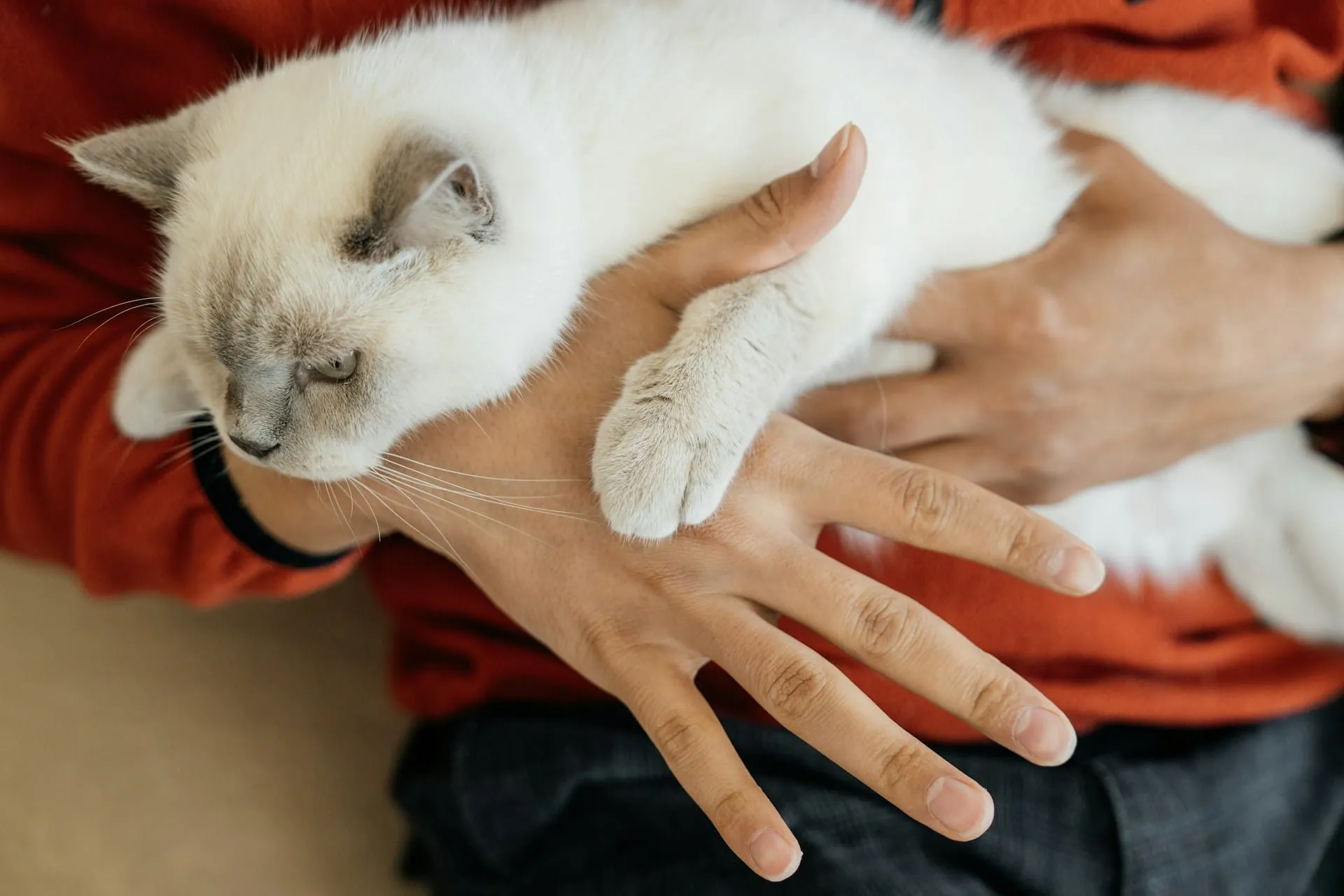
Watching your beloved cat enter their golden years brings a unique blend of emotions. At Love, Baxter, we understand the profound love you feel for your aging feline companion and the desire to make every moment count during this precious stage of their life. Creating a senior cat bucket list isn’t about acknowledging an end: it’s about celebrating the beautiful bond you’ve built together and ensuring your cat’s remaining years are filled with comfort, joy, and meaningful experiences.
Your senior cat has given you years of unconditional love, quiet companionship, and countless moments of pure happiness. Now, as their needs change and their pace slows, you have the opportunity to give back by focusing on activities that honor their preferences, comfort levels, and the special relationship you share. Whether your cat is just entering their senior years at seven or is a distinguished elder at fifteen, there are countless ways to create lasting memories together.
We’ve learned from our own journey with beloved pets that the time we spend being present and intentional with our aging companions becomes some of our most treasured memories. The gentle purr sessions, the quiet moments of connection, and the simple activities adapted for their comfort level all become precious gifts that we carry in our hearts forever.
Table of Contents
- 1Why Creating a Senior Cat Bucket List Matters
- 2Understanding Your Senior Cat’s Changing Needs
- 315 Heartfelt Bucket List Ideas for Your Aging Cat
- 4Adapting Activities for Your Cat’s Mobility and Health
- 5Creating Lasting Memories During This Precious Time
- 6When to Prioritize Your Senior Cat Bucket List
- 7Frequently Asked Questions about Senior Cat Bucket Lists
Why Creating a Senior Cat Bucket List Matters
As cats age, their world often becomes smaller, but that doesn’t mean it becomes less meaningful. Creating a thoughtful bucket list for your senior cat serves multiple vital purposes that benefit both you and your feline friend. Understanding why this intentional approach matters can help you embrace this stage of your cat’s life with purpose and joy rather than focusing solely on what they can no longer do.
First, a senior cat bucket list helps you shift your focus from limitations to possibilities. While your cat may no longer leap to the highest shelves or chase toys with the same vigor, they can still experience profound joy through activities suited to their current abilities. This mindset change benefits both you and your cat, creating positive energy around your time together.
Additionally, prioritizing meaningful experiences strengthens the bond between you and your cat during a time when they may need extra care and attention. Senior cats often become more dependent on their human companions, and engaging in purposeful activities together deepens your connection and provides emotional comfort for both of you.
Ultimately, creating these special memories allows you to hold onto something beautiful. We know from our own experience of losing Baxter that the intentional moments we create become precious treasures not only during the grieving process but also beyond.
Understanding Your Senior Cat’s Changing Needs
Before diving into specific bucket list activities, it’s essential to understand how aging affects your cat’s physical and emotional needs. Senior cats, typically those seven years and older, experience various changes that impact their activity levels, preferences, and overall comfort. Recognizing these changes allows you to adapt activities appropriately and ensure your cat enjoys every experience.
Physical changes in senior cats often include decreased mobility, arthritis, changes in vision or hearing, and reduced energy levels. Your once-agile climber may now prefer ground-level activities, and your former social butterfly might enjoy quieter, more intimate experiences. These changes aren’t setbacks, they’re new parameters for creating meaningful moments together.
Emotionally, senior cats often seek more comfort and security. They may become more affectionate, preferring to stay close to their favorite humans, or they might become more particular about their environment and routines. Understanding these preferences helps you choose activities that bring joy rather than stress.
Health considerations also become more critical with senior cats. Before implementing any bucket list activities, consult with your veterinarian about your cat’s specific needs and limitations. This ensures that every experience you create supports their wellbeing and comfort.
15 Heartfelt Bucket List Ideas for Your Aging Cat
Comfort-Focused Experiences
Create a luxurious senior cat spa day by setting up a warm, quiet space with soft blankets and gentle brushing sessions. Many senior cats develop a deeper appreciation for grooming as they age, especially if arthritis makes self-grooming more difficult. Use this time for gentle bonding while helping them feel their best.
Establish special sunrise or sunset viewing sessions where you and your cat can enjoy peaceful moments together. Position a comfortable bed near a window where your cat can watch the changing light while you sit nearby. These quiet times often become deeply meaningful for both of you.
Design the perfect senior cat reading nook where your cat can curl up beside you during your reading time. Senior cats often enjoy the consistent, calm presence of their humans, and reading together creates a soothing routine that benefits both of you.
Set up multiple cozy sleeping stations throughout your home, each designed for maximum comfort and relaxation. Senior cats sleep more than their younger counterparts, so creating several perfect napping spots ensures they always have a comfortable place to rest.
Plan gentle massage and stretching sessions to help with arthritis and mobility. Learn cat-appropriate massage techniques from your veterinarian and incorporate these into your daily routine. Many cats find these sessions incredibly relaxing and beneficial.
Memory-Making Activities
Create a photo session celebrating your cat’s life by capturing their current personality and the love you share. Focus on close-up shots of their expressive eyes, their favorite sleeping positions, and quiet moments between you. These photos become treasured keepsakes that celebrate your cat exactly as they are now.
Record your cat’s purr during peaceful moments together. The sound of your cat’s contentment becomes a beautiful audio memory that you can treasure forever. Many cat parents find these recordings deeply comforting during difficult times.
Plan a special indoor picnic in your cat’s favorite room, complete with their preferred treats and a cozy blanket. This creates a unique shared experience that breaks from routine while honoring your cat’s comfort preferences.
Commission a custom portrait of your senior cat from a local artist or online service. Having a beautiful artistic representation of your cat during their golden years creates a lasting tribute to this special time in their life.
Create a sensory garden on a windowsill or in a safe outdoor space featuring cat-friendly plants, such as catnip, cat grass, and herbs. Even if your cat’s mobility is limited, they can still enjoy watching, smelling, and occasionally nibbling on fresh greenery.
Health and Wellness Celebrations
Schedule a comprehensive senior wellness exam and celebrate your cat’s health journey. Use this opportunity to discuss their comfort, pain management, and any adjustments that could enhance their quality of life. Celebrating proactive healthcare shows your commitment to their wellbeing.
Explore new senior-appropriate treats that support their health while providing enjoyment. Work with your veterinarian to identify treats that align with any dietary restrictions while still offering your cat new flavors to explore.
Create a gentle exercise routine adapted for senior cats, including low-impact play with feather toys at ground level or encouraging slow walking between favorite spots. Exercise remains important for senior cats, but the approach needs to match their capabilities.
Plan special grooming sessions with professional groomers experienced in senior cat care, especially if your cat has long hair or struggles with self-grooming. Many senior cats experience significant improvement after professional grooming, and it can become a regular treat.
Design medication time as a bonding opportunity if your cat requires daily medication. Create positive associations by incorporating treats, gentle petting, or special attention around medication times, making necessary care feel like special moments together.
Adapting Activities for Your Cat’s Mobility and Health
Successfully implementing a senior cat bucket list requires flexibility and creativity in adapting activities to match your cat’s current abilities and needs. The key is focusing on what your cat can enjoy rather than what they can no longer do. This positive approach ensures every activity brings joy rather than frustration.
For cats with limited mobility, activities at ground level become the focus. Instead of climbing cat trees, create engaging experiences at their level using cardboard boxes, soft tunnels, or ramps to elevated surfaces. Position food puzzles, toys, and comfortable resting spots where your cat can easily access them.
Vision or hearing changes require different adaptations. Cats with vision loss often rely more heavily on their sense of smell and familiarity with textures, so activities involving different scents or textured surfaces can be particularly engaging. For cats with hearing loss, visual stimulation and vibration-based toys may be more appealing than traditional noise-making toys.
Energy levels vary significantly among senior cats, so timing becomes crucial. Schedule activities during your cat’s most alert times, typically early morning or early evening. Keep sessions shorter but more frequent, allowing your cat to enjoy activities without becoming overtired.
Always prioritize your cat’s comfort and emotional state. If your cat seems stressed or uncomfortable with an activity, consider adapting it further or trying something different. The goal is to create positive experiences, not simply complete a checklist.
Creating Lasting Memories During This Precious Time
The most meaningful aspect of a senior cat bucket list isn’t the specific activities you choose: it’s the intentional time and attention you’re giving to your relationship during this stage of your cat’s life. At Love, Baxter, we’ve learned that presence matters more than perfection, and the simple act of being fully engaged with your senior cat creates the most lasting memories.
Document your journey together through photos, videos, or even a simple journal. Write down the little things you notice about your cat’s preferences, the way they respond to different activities, and the moments that make you smile. These details become precious memories that you’ll treasure long after your cat has passed away.
Consider involving family members or close friends in some bucket list activities, especially if your cat enjoys social interaction. Creating shared memories with others who love your cat adds depth to the experience and gives multiple people meaningful moments to remember.
Focus on quality over quantity. It’s better to fully engage in a few activities that your cat truly enjoys than to rush through many activities. Pay attention to your cat’s responses and let their preferences guide your choices.
Remember that some of the most meaningful bucket list moments happen spontaneously. While planning special activities is terrific, don’t forget to cherish the everyday moments: the morning cuddles, the peaceful naps together, and the quiet times when your cat chooses to be near you.
When to Prioritize Your Senior Cat Bucket List
Creating a senior cat bucket list becomes especially important during certain times in your cat’s life. While any time is a good time to focus on meaningful experiences with your aging cat, certain circumstances make this intentional approach even more valuable.
If your cat has received a diagnosis that affects their long-term prognosis, implementing a bucket list helps you focus on quality of life and meaningful experiences rather than dwelling on limitations. Work with your veterinarian to understand what activities are appropriate and safe for your cat’s specific condition.
When you notice significant changes in your cat’s behavior, mobility, or preferences, a bucket list approach helps you adapt your relationship to their new needs. This positive focus on what you can do together helps both you and your cat adjust to changes more gracefully.
During times when you’re feeling overwhelmed by your cat’s aging process, having a bucket list provides structure and purpose. Instead of worrying about the future, you can focus on creating beautiful moments in the present.
The truth we’ve learned through our own journey is that every day with a senior cat is a gift. Whether your cat is just entering their senior years with many healthy years ahead or is in their final stage of life, focusing on meaningful experiences together honors the incredible bond you share and ensures that your time together is filled with love, comfort, and joy.
Your senior cat has spent years bringing happiness to your life. Now, through thoughtful activities adapted to their needs and preferences, you have the opportunity to give back by making their golden years as comfortable and joyful as possible. At Love, Baxter, we believe that this intentional focus on creating meaningful experiences together is one of the most beautiful ways to honor the love between you and your aging feline companion.
Frequently Asked Questions about Senior Cat Bucket Lists
When should I start creating a bucket list for my cat, and how do I know if they’re truly “senior”?
Cats are typically considered senior at seven years old, though their needs and preferences may change gradually rather than suddenly. You don’t need to wait for a specific diagnosis or dramatic changes to start focusing on meaningful experiences. Any time is a good opportunity to be more intentional about your relationship with an aging cat. However, creating a bucket list becomes especially valuable when you notice significant changes in mobility, behavior, or preferences, when your cat receives a health diagnosis that affects their long-term prognosis, or when you’re feeling overwhelmed by the aging process. The key is shifting focus from what your cat can no longer do to what they can still enjoy. Work with your veterinarian to understand your cat’s specific needs and limitations, ensuring every activity supports their wellbeing and comfort level.
What if my senior cat doesn’t seem interested in special activities or new experiences?
Many senior cats become more particular about their environment and routines as they age, preferring familiar, comfortable experiences over novelty. This is entirely normal and doesn’t mean your bucket list approach isn’t working. Focus on enhancing the activities your cat already enjoys rather than introducing entirely new concepts. If your cat loves sleeping in sunny spots, create multiple luxurious sleeping stations. If they enjoy being near you, prioritize quiet bonding time, such as reading together or gentle grooming sessions. The most meaningful bucket list moments often occur spontaneously during everyday activities, such as morning cuddles, peaceful naps together, or times when your cat chooses to be near you. Remember that presence matters more than specific activities, and your intentional attention during routine moments creates lasting memories.
How do I adapt activities for a cat with mobility issues or health problems?
Adapting activities for senior cats with limitations requires creativity and flexibility while prioritizing their comfort. For cats with limited mobility, focus on activities at ground level. Use cardboard boxes, soft tunnels, or ramps to access slightly elevated surfaces: position food puzzles, toys, and resting spots where they can be easily reached. Cats with vision changes often rely more on their sense of smell and texture, so activities involving different scents or textured surfaces can be particularly engaging. For individuals with hearing loss, visual stimulation and vibration-based toys may be more effective than traditional noise-making toys. Continually schedule activities during your cat’s most alert times and keep sessions shorter but more frequent. If your cat seems stressed or uncomfortable with an activity, adapt it further or try something different. The goal is to create positive experiences, not complete a checklist.
Is it emotionally healthy to focus on a “bucket list” when my cat is aging?
Creating a senior cat bucket list can be emotionally healthy when approached as a celebration of your current relationship rather than a countdown to loss. The purpose is to shift the focus from limitations to possibilities, strengthen your bond during a time when your cat may need extra care, and create meaningful memories that honor your time together. However, if focusing on a bucket list increases anxiety about your cat’s mortality or creates pressure to do special activities constantly, it may be worth stepping back. The most important element is simply being present and intentional with your cat during their golden years. Quality matters more than quantity: fully engaging in a few activities your cat truly enjoys is better than rushing through many activities. Remember that everyday moments like morning cuddles and quiet companionship often become the most treasured memories.
On this topic