







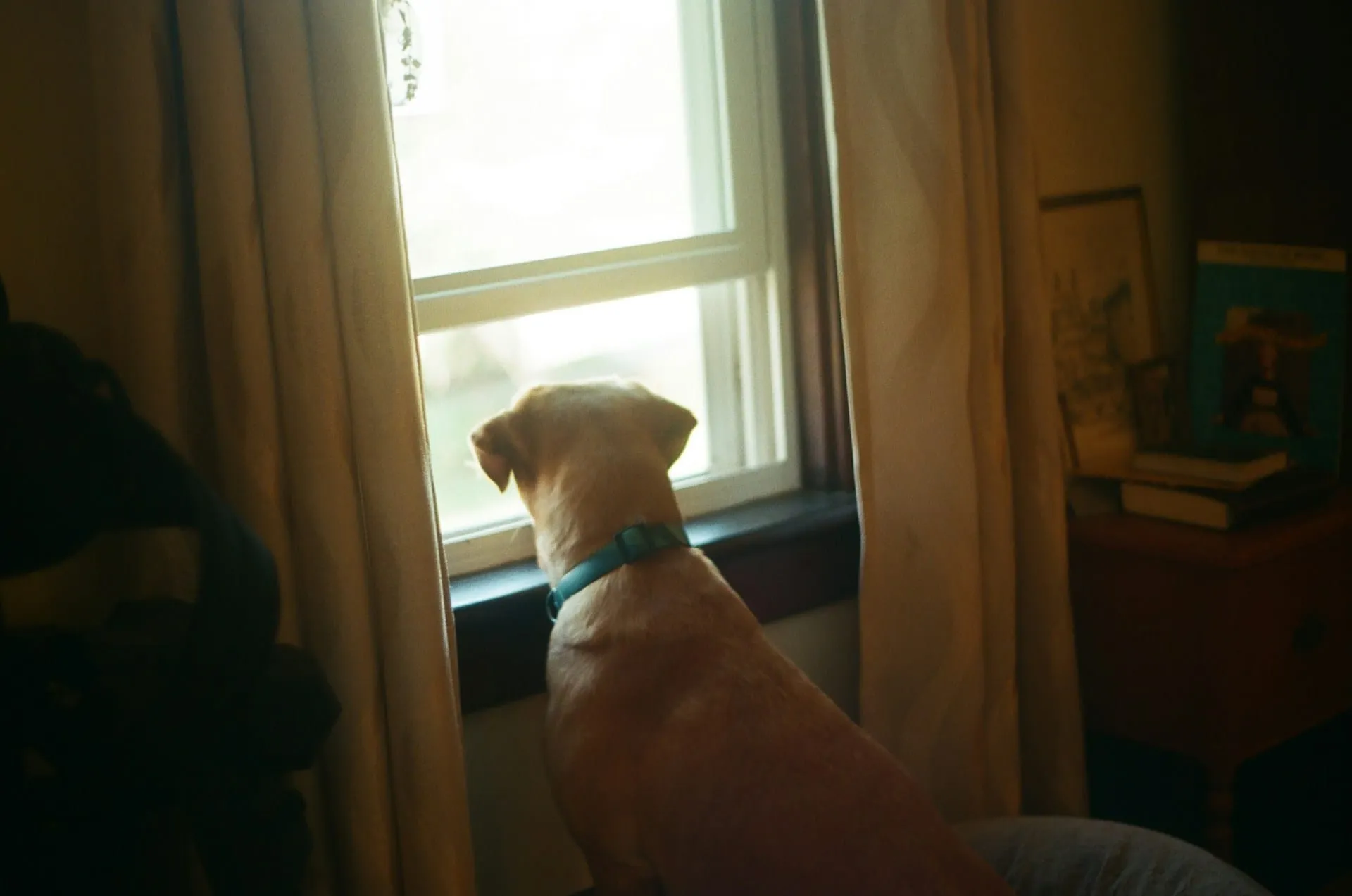
The path through pet grief rarely follows a straight line. If you’re reading this, chances are you’re somewhere along that winding journey, perhaps wondering if you’re “doing grief right” or questioning whether you’ll ever feel whole again. At Love, Baxter, we understand that losing a beloved pet creates a unique kind of heartbreak, one that deserves recognition, patience, and compassion.
When we lost Baxter in October 2024, we discovered that pet grief journey milestones aren’t always obvious. No timeline dictates when you should feel better, no checklist that guarantees healing. Instead, progress often comes in small, subtle moments that we might miss if we’re not paying attention. Understanding these grief milestones can help you recognize your own healing progress and find hope during the darkest moments of pet loss.
Your grief journey is as unique as the bond you shared with your pet. Some days will feel like steps forward, while others will feel like you’re moving backward. Both are normal, both are valid, and both are part of the complex process of healing after pet loss. Recognizing these pet bereavement milestones helps validate your experience and provides hope for the future.
Table of Contents
Understanding the Unique Nature of Pet Grief
Pet grief carries its own distinct characteristics that set it apart from other types of loss. Unlike human relationships, our bonds with pets are often uncomplicated by conflict or unresolved issues. They love us unconditionally, and we love them the same way. This pure connection makes their loss particularly devastating, yet society doesn’t always recognize the depth of our pain.
The first milestone many pet parents encounter is simply acknowledging that their pet grief is real and valid. You might find yourself explaining to others why you’re taking time off work or why you’re unable to stop crying over “just a pet.” This milestone involves recognizing that your feelings are legitimate, regardless of how others perceive them.
Another early milestone is understanding that pet grief affects every aspect of daily life. Your pet wasn’t just an animal in your home, they were your alarm clock, your walking partner, your constant companion. Recognizing how deeply integrated they were into your daily routine helps validate why their absence feels so overwhelming.
The anticipatory grief that many pet parents experience when caring for a senior or terminally ill pet represents another critical milestone. Accepting that loving them means eventually letting them go is one of the most difficult yet necessary steps in the pet grief journey. This milestone often comes with complex emotions: relief that their suffering has ended, guilt about that relief, and profound sadness at the finality of loss.
Early Grief Milestones: The First Days and Weeks
The immediate aftermath of pet loss can feel like swimming through thick fog. Everything seems surreal, and the simplest tasks feel monumental. During this acute phase, grief milestones might seem impossibly small, but they’re crucial markers of your resilience.
Accepting the Reality of Loss
One of the first significant milestones is moving through the initial shock and beginning to accept the reality of your loss. This doesn’t mean you’re “over it”, it means you’re starting to process what has happened. You might notice this milestone when you stop automatically buying their favorite treats at the store, or when you can say “my dog died” without your voice breaking.
For many pet parents, this milestone involves making necessary practical decisions despite overwhelming grief. Deciding what to do with their belongings, choosing between burial or cremation, or simply calling the vet to discuss final arrangements. These actions represent significant progress in accepting your new reality.
The first time you can talk about your pet without crying marks another critical milestone. This doesn’t mean you’ll never cry again, but it indicates that you’re beginning to process your emotions rather than being completely overwhelmed by them. Maria, a cat parent from Portland, shared with us: “I knew I was making progress when I could tell my coworker about Oliver’s silly habit of stealing socks without completely falling apart.”
Managing Overwhelming Emotions
Early grief often brings intense, unpredictable emotions. A significant milestone is developing healthy coping strategies for these overwhelming feelings. This might mean learning to sit with sadness rather than fighting it, or finding ways to honor your grief while still functioning day-to-day.
The first good night’s sleep after loss represents a crucial milestone. Many pet parents struggle with sleep disruption after losing their companion, especially if their pet slept in their bed or had nighttime routines. When you can finally rest peacefully, it signals that your body is beginning to adjust to your new reality.
Another milestone involves creating new meaning from your pain. This may involve volunteering at a local animal shelter, donating to a pet charity, or assisting other grieving pet parents. When Rebecca lost her golden retriever, she said, “I knew I was healing when I could use my experience to comfort my neighbor who had just lost her cat.”
Mid-Journey Milestones: Weeks to Months After Loss
As the initial shock begins to subside, new milestones emerge. These often center around rebuilding your life and finding new patterns while still honoring your pet’s memory. These pet bereavement milestones become crucial markers of your healing progress.
Creating New Daily Routines
One of the most significant milestones in pet grief recovery is establishing new daily routines that acknowledge your pet’s absence without being paralyzed by it. This might mean finding a new morning routine that doesn’t revolve around feeding schedules, or discovering new ways to spend the time you used to dedicate to walks or play sessions.
The first time you can walk past the pet store without crying marks significant progress. These everyday locations, the vet’s office, the dog park, the pet supply store, can trigger intense grief reactions. When you can navigate these spaces with manageable sadness rather than overwhelming pain, you’re demonstrating real healing.
Many pet parents find that reorganizing their living space represents a significant milestone. This doesn’t mean erasing all evidence of your pet’s existence, but instead creating a space that honors their memory while allowing you to move forward. David, who lost his beloved parrot, told us: “I finally moved Charlie’s cage from the living room to the garage. I wasn’t ready to get rid of it, but I also wasn’t ready to look at it every day.”
Honoring Your Pet’s Memory
A beautiful milestone in the pet grief journey is finding meaningful ways to honor your pet’s memory. This might involve creating a memorial garden, commissioning a piece of art, or participating in activities your pet enjoyed. The key is that these activities bring comfort rather than increased pain.
The first time you can look at photos of your pet and smile represents significant progress. Early in grief, photos often trigger intense sadness. When you can view these images with love and fond memories rather than just pain, you’re moving through your grief journey.
Many pet parents find that sharing stories about their pet with others becomes easier over time. This milestone involves being able to discuss your pet’s personality, amusing habits, and the joy they have brought to your life. These conversations help keep their memory alive while demonstrating your growing ability to hold both love and loss simultaneously.
Long-term Healing Milestones: Months to Years
The longer-term milestones in pet grief often involve rediscovering joy and contemplating the future while maintaining a connection to your pet’s memory. These healing after pet loss milestones can take months or even years to achieve, and that’s completely normal.
Rediscovering Joy Without Guilt
One of the most challenging yet essential milestones is allowing yourself to experience joy without feeling guilty. Many pet parents struggle with survivor’s guilt or feel that being happy somehow dishonors their pet’s memory. Recognizing that your pet would want you to be happy, and that healing doesn’t mean forgetting, represents significant progress.
The first time you can enjoy activities you used to do with your pet marks another critical milestone. This might mean hiking the trails you used to walk together, visiting the beach where you played fetch, or simply enjoying a quiet evening at home. These activities may always carry some sadness, but when they can also bring pleasure, you’re demonstrating real healing.
For many pet parents, finding ways to help other animals becomes a meaningful milestone. This might involve volunteering, fostering, or supporting animal welfare causes. When you can channel your love for your pet into helping other animals, you’re transforming your grief into something positive.
Considering Opening Your Heart Again
One of the most complex milestones is considering whether to welcome another pet into your life. This decision is deeply personal and has no proper timeline. Some pet parents know immediately that they want another companion, while others need years before they’re ready. Both approaches are valid.
The first time you can interact with other pets without overwhelming sadness often precedes considering pet adoption. This might happen when you pet a friend’s dog, visit a pet-friendly store, or volunteer at a shelter. These interactions can be both healing and challenging, but they often indicate growing emotional capacity.
When you do feel ready to consider another pet, understanding that you’re not trying to replace your lost companion represents crucial progress. A new pet won’t fill the exact space your previous pet occupied, and that’s okay. They’ll create their own unique place in your heart and home.
Recognizing Setbacks as Part of Progress
One of the most essential concepts in understanding pet grief journey milestones is recognizing that setbacks are normal and don’t negate your progress. Grief isn’t linear, and what feels like backward movement is often just part of the natural healing process.
You might have a tough day, weeks, or months after you thought you were “doing better.” These grief waves can be triggered by anniversaries, seeing a pet that looks like yours, or seemingly random moments. Learning to ride these waves rather than being knocked down by them represents significant progress in your grief journey.
The first time you can experience a setback without panic marks essential growth. Instead of thinking “I’ll never get over this,” you might recognize “I’m having a hard day, and that’s okay.” This shift in perspective demonstrates the development of emotional resilience.
Many pet parents find that specific dates or seasons trigger grief responses. Your pet’s birthday, the anniversary of their passing, or even the first snow if they loved winter. These moments can bring intense sadness. Learning to prepare for and navigate these triggers while still honoring your feelings represents meaningful progress.
Jennifer, who lost her 8-year-old German Shepherd named Duke, explains: “I thought I was doing so well until his birthday came around six months later. I was devastated all over again. But this time, I knew it was temporary. I let myself feel sad for the day, lit a candle for him, and the next day I felt better.”
How Love, Baxter Supports Your Journey
At Love, Baxter, we created our platform because we understand that pet grief journey milestones are often not celebrated or recognized by society. Every step forward, no matter how small, deserves acknowledgment and support.
Our resources are designed to help you identify and appreciate your own progress while providing comfort during setbacks. Whether you’re in the early stages of grief or years into your healing journey, we’re here to remind you that your feelings are valid and your progress is real.
We offer memorial products and services that can help mark significant milestones in your grief journey. Our memorial options include:
- Memorial tree planting that grows as a living remembrance
- Personalized memorial keepsakes that honor your pet’s unique personality
- Grief support resources tailored to different stages of the healing process
These meaningful gestures can provide tangible ways to honor your progress and your pet’s lasting impact on your life. Many pet parents find that creating a physical memorial helps them process their grief milestones and provides comfort during difficult moments.
Remember, your grief journey is unique, and your milestones may look different from others’. Some days, you’ll feel proud of your progress; other days, you’ll feel stuck. Both experiences are part of healing. The most important milestone of all is continuing to move forward with love, patience, and compassion for yourself as you navigate this challenging but ultimately transformative journey.
Your pet’s love changed you forever, and that change, including the grief you feel, is a testament to the beautiful bond you shared. Each milestone you reach honors that love and brings you closer to a place where you can hold both the sadness of loss and the joy of having loved so deeply.
At Love, Baxter, we understand that healing after the loss of a pet is a journey marked by countless small victories and occasional setbacks. We’re here to help you recognize your progress, honor your grief, and find hope amid sorrow. You’re not alone in this journey. Every step forward, no matter how small, is progress worth celebrating.
If you want to read further, our grief and emotions hub takes on the harder questions people bring to pet loss, including the ones that feel embarrassing to ask.
Frequently Asked Questions about Pet Grief Journey Milestones
How do I know if I’m making progress in my pet grief, and what should I be looking for?
Pet grief progress often comes in small, subtle moments that are easy to miss if you’re not paying attention. Early milestones include accepting the reality of your loss (like stopping the automatic purchase of their treats or being able to say “my pet died” without your voice breaking), managing overwhelming emotions through healthy coping strategies, and getting your first good night’s sleep after the loss. Mid-journey milestones involve creating new daily routines that acknowledge your pet’s absence without being paralyzed by it, finding meaningful ways to honor their memory, and being able to look at photos with love rather than just pain. Long-term milestones include rediscovering joy without guilt, considering whether to welcome another pet, and transforming grief into a means of helping other animals. Remember that progress isn’t linear: setbacks are normal and don’t negate your healing. The key milestone is learning to ride the waves of grief rather than being knocked down by them.
Is it normal to have setbacks months or even years after losing my pet?
Setbacks are entirely normal and don’t indicate that you’re not healing properly. Grief isn’t linear, and what feels like backward movement is often part of the natural healing process. You may experience waves of grief triggered by anniversaries, seeing a pet that resembles yours, specific seasons your pet enjoyed, or seemingly random moments. The first time you can experience a setback without panic marks essential growth: shifting from “I’ll never get over this” to “I’m having a hard day, and that’s okay” demonstrates the development of emotional resilience. Many pet parents find that specific dates trigger intense responses even years later, and learning to prepare for and navigate these triggers while honoring your feelings represents meaningful progress. These waves often become less frequent and less overwhelming over time, but they may never disappear completely, and that’s normal.
When should I consider getting another pet, and how do I know if I’m ready?
There’s no correct timeline for considering another pet: some people know immediately, while others need years, and both approaches are valid. Signs you might be ready include being able to interact with other pets without overwhelming sadness, understanding that you’re not trying to replace your lost companion, and feeling emotionally capable of forming new bonds. A new pet won’t fill the exact space your previous pet occupied, and recognizing this represents crucial progress. They’ll create their own unique place in your heart. However, don’t rush this decision based on external pressure or loneliness. Consider whether you’re seeking a new relationship versus trying to avoid grief, whether you can handle the emotional and practical responsibilities of pet ownership, and whether you’ve processed enough grief to be emotionally available for a new companion. Trust your instincts about timing.
Should I be worried if my grief doesn’t follow the milestones described, or if I’m taking longer than expected?
Your grief journey is as unique as the bond you shared with your pet, so don’t worry if your experience doesn’t match the described milestones exactly. Some people move through certain stages quickly, while others spend more time in others, and that’s completely normal. However, consider professional support if you experience persistent inability to function in daily life for extended periods, thoughts of self-harm or that life isn’t worth living, complete social isolation for many months, severe depression preventing basic self-care, or if grief feels stuck without any forward movement over a very long time. The key distinction is between normal, wave-like grief that gradually becomes more manageable versus grief that significantly impairs your ability to function or shows no signs of natural healing over time. Remember that healing doesn’t mean forgetting your pet or “getting over” them. It means learning to carry their love while rebuilding your capacity for daily life and eventual joy.
On this topic