







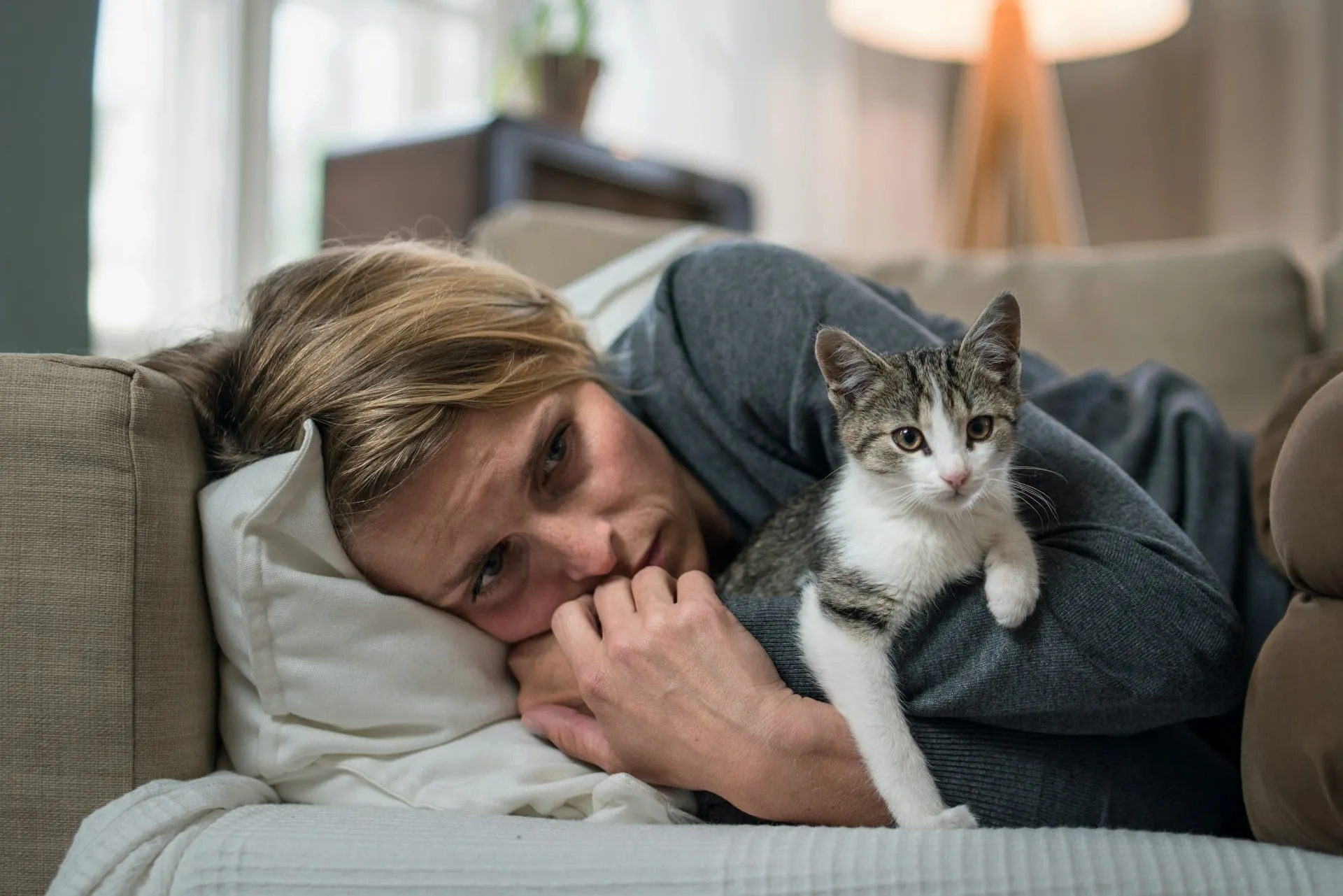
When your beloved pet becomes your first experience with death, the intensity of grief can feel overwhelming and confusing. At Love, Baxter, we understand that losing a cherished companion when you’ve never faced death before creates a unique and profound form of grief that deserves recognition, validation, and specialized support.
Many people experience their first encounter with death through the loss of a family pet, and this presents distinct challenges that our society often fails to acknowledge. The depth of love we share with our pets creates bonds that are pure, unconditional, and irreplaceable. When that relationship ends, especially when it represents your first experience with mortality, the grief can feel impossible to navigate.
We created Love, Baxter after experiencing the devastating loss of our beloved companion in October 2024. That profound grief taught us that pet loss deserves the same respect, understanding, and support as any other significant loss. When pet death becomes your introduction to grief, you deserve comprehensive guidance that honors both your inexperience with loss and the magnitude of your love for your pet.
This guide will help you understand what you’re experiencing, provide practical steps for the difficult days ahead, and offer hope that healing is possible while preserving the beautiful memories of your cherished companion.
Table of Contents
- 1Understanding Why Your First Experience With Death Feels So Intense
- 2What to Expect When Grief Is New to You
- 3Practical Steps for Your First Days After Pet Loss
- 4Building Your Support System During Your First Experience With Death
- 5Honoring Your Pet’s Memory While Processing Your First Experience With Death
- 6Moving Forward After Your First Experience With Death
- 7Frequently Asked Questions about First Experience With Death Through Pet Loss
Understanding Why Your First Experience With Death Feels So Intense
The Unique Nature of Human-Pet Relationships
The bond between humans and pets represents one of the purest forms of love available to us. Your pet loved you unconditionally, without judgment, criticism, or conditions. They greeted you with enthusiasm every single day, provided comfort during difficult times, and became an integral part of your daily routine and emotional wellbeing.
When this relationship becomes your first experience with death, the loss can feel particularly shocking because pets often represent safety, innocence, and unwavering loyalty in our lives. Unlike human relationships that may involve complexity or conflict, your relationship with your pet was likely characterized by simple, pure love and mutual devotion.
Your pet was present for countless moments of your life – morning routines, evening walks, quiet moments of stress relief, and celebrations of joy. They became woven into the fabric of your existence in ways that may not become apparent until they’re gone. This integration into your daily life means their absence creates a void that touches nearly every aspect of your routine.
Why Society’s Response May Leave You Feeling Isolated
Unfortunately, our society often minimizes pet loss, leaving those experiencing their first encounter with death through pet loss feeling isolated and misunderstood. You may encounter well-meaning but hurtful comments like “it was just a pet” or “you can always get another one.” These responses can make you question the validity of your grief and leave you feeling alone in your pain.
The reality is that your grief is entirely valid and deserves respect. The love you shared with your pet was real, the bond was genuine, and the loss is significant. When this becomes your first experience with death, you’re not only grieving your pet but also confronting your own mortality and the reality that all living things eventually die.
Many people who haven’t experienced the deep bond possible with a pet cannot understand the intensity of your loss. This doesn’t make your grief any less real or meaningful. Your first experience with death through pet loss is teaching you about love, loss, and the preciousness of life – lessons that will serve you throughout your journey.
What to Expect When Grief Is New to You
Physical Symptoms That May Surprise You
If you’ve never experienced grief before, the physical symptoms can be alarming and unexpected. Grief affects your entire body, not just your emotions. You may experience difficulty sleeping, changes in appetite, fatigue, headaches, or a feeling of heaviness in your chest. Some people describe feeling like they can’t catch their breath or experiencing a literal “broken heart” sensation.
These physical symptoms are normal responses to loss, especially when death is a new experience for you. Your body is processing trauma and adjusting to the absence of your pet’s comforting presence. You might find yourself listening for familiar sounds – the jingle of their collar, their footsteps, or their breathing – only to be reminded again of their absence.
You may also experience what feels like a phantom presence, where you think you see your pet out of the corner of your eye or feel them jump onto the bed. These experiences are common and normal parts of the grieving process, particularly when you’re navigating your first experience with death.
Emotional Waves and Unexpected Triggers
Grief rarely follows a predictable pattern, and this can be especially confusing during your first experience with death. You may feel okay one moment and completely overwhelmed the next. Specific triggers – seeing their favorite toy, passing the pet store, or even seeing other pets – can bring waves of sadness that feel impossible to manage.
You might experience guilt about things you did or didn’t do, anger at circumstances beyond your control, or profound sadness that seems to have no end. Some days you may feel numb, while others bring tears that seem endless. All of these responses are normal and part of your unique grief journey.
It’s important to understand that there’s no timeline for grief, especially when death is a new experience for you. Some people expect to “get over” pet loss quickly, but the reality is that significant bonds create significant grief that deserves time and patience to process.
Practical Steps for Your First Days After Pet Loss
Immediate Self-Care Priorities
During your first experience with death, basic self-care becomes crucial but often feels impossible. Focus on fundamental needs: eating regular meals even when you don’t feel hungry, staying hydrated, and trying to maintain a regular sleep schedule even if rest feels elusive.
Consider asking trusted friends or family members to help with practical matters like grocery shopping, meal preparation, or household tasks. Many people want to help but don’t know how, and accepting support with daily responsibilities can provide space for your grief.
Create a comfort kit for difficult moments: soft blankets, soothing tea, photos of happy memories with your pet, or items that bring you peace. Having these resources readily available can help during unexpected waves of grief.
Managing Work and Daily Responsibilities
Returning to normal responsibilities after your first experience with death can feel overwhelming. Many workplaces don’t offer bereavement leave for pet loss, leaving you to navigate professional obligations while grieving. If possible, communicate with understanding supervisors about your loss and ask for flexibility during your most difficult days.
Consider scaling back non-essential commitments temporarily. Your energy will be limited as you process this new experience with death and grief. Protecting your emotional resources by reducing unnecessary stress can support your healing process.
Remember that concentration and decision-making abilities are often impaired during early grief. Be patient with yourself if you struggle with tasks that usually feel routine. This cognitive fog is temporary and part of your mind’s way of processing profound loss.
Building Your Support System During Your First Experience With Death
Finding People Who Understand Pet Loss
One of the most challenging aspects of experiencing your first death through pet loss is finding people who truly understand the depth of your grief. Seek out others who have experienced significant pet loss – they can provide validation and understanding that others may not be able to offer.
Consider joining online support groups specifically for pet loss. These communities understand that your first experience with death through pet loss is profound and deserving of support. Many members have navigated similar journeys and can offer practical advice and emotional understanding.
Local veterinary offices often maintain lists of pet loss support groups or grief counselors who specialize in human-animal bond issues. These resources can provide professional guidance tailored explicitly to pet loss grief.
When to Consider Professional Support
If your first experience with death through pet loss feels unmanageable or begins interfering significantly with your daily functioning, professional grief counseling can provide valuable support. Therapists who specialize in pet loss understand the unique aspects of human-animal bonds and can help you process this introduction to mortality.
Signs that professional support might be helpful include persistent sleep disruption, inability to eat, thoughts of self-harm, or feeling completely unable to function in daily life. Your first experience with death doesn’t have to be navigated alone, and seeking help demonstrates strength, not weakness.
Many grief counselors offer both individual and group sessions specifically for pet loss. These specialized services recognize that pet grief is legitimate and deserving of professional attention and support.
Honoring Your Pet’s Memory While Processing Your First Experience With Death
Creating Meaningful Memorials
Memorial activities can help you process your first experience with death while celebrating the love you shared with your pet. Consider creating a photo album, planting a tree or garden in their memory, or commissioning a piece of art that captures their spirit.
Some people find comfort in writing letters to their pet, sharing memories with family and friends, or creating a memory box filled with their favorite toys, collar, and photos. These activities honor your bond while helping you process the reality of loss.
At Love, Baxter, we offer memorial gifts that help preserve your pet’s memory through meaningful tributes like naming a star or planting a tree. These lasting memorials can provide comfort during your first experience with death while creating something beautiful in your pet’s honor.
When You’re Ready to Remember with Joy
Eventually, your first experience with death through pet loss will evolve from acute pain to cherished memories. This transition happens gradually and differently for everyone. You’ll know you’re healing when thinking about your pet brings more smiles than tears, though sadness may always accompany these memories.
Some people worry that feeling better means they’re forgetting their pet or dishonoring their memory. The truth is that healing allows you to carry your pet’s love forward in healthier ways. Your first experience with death teaches you that love doesn’t end with physical presence – it transforms but continues.
Consider ways to honor your pet’s memory that bring joy: volunteering at animal shelters, supporting pet rescue organizations, or simply sharing happy stories about your beloved companion. These activities can help transform your first experience with death into a celebration of the love you shared.
Moving Forward After Your First Experience With Death
Your first experience with death through pet loss has introduced you to profound concepts about love, loss, and the preciousness of life. While this grief feels overwhelming now, it’s also teaching you about the depth of your capacity for love and the importance of cherishing every moment with those we hold dear.
The pain you’re experiencing reflects the beautiful relationship you shared with your pet. This first encounter with death is difficult precisely because your love was real, profound, and transformative. As you move forward, you’re not leaving your pet behind – you’re learning to carry their love with you in new ways.
Remember that healing doesn’t mean forgetting, and moving forward doesn’t mean moving on from your pet’s memory. Your first experience with death teaches you that love transcends physical presence and that the bonds we form with our cherished companions become part of who we are forever.
At Love, Baxter, we believe that every pet deserves to be remembered, every grief deserves support, and every person navigating their first experience with death through pet loss deserves compassion, understanding, and hope for healing. You are not alone in this journey, and your love for your pet will always be a source of strength, even as you learn to live with their physical absence.
Your pet’s greatest gift to you may be this introduction to both the fragility and preciousness of life. While your first experience with death is painful, it’s also expanding your capacity for love, empathy, and appreciation for every moment we share with those we cherish.
There’s more to say about the emotional side of this than one article holds. Our grief and emotions collection is where the rest of it lives.
Frequently Asked Questions about First Experience With Death Through Pet Loss
Is it normal to feel this devastated if losing my pet is my first experience with death?
The intensity of grief you’re experiencing is completely normal and valid. When pet loss becomes your first encounter with death, you’re simultaneously processing the loss of your beloved companion and confronting mortality for the first time. The human-pet bond represents one of the purest forms of unconditional love, making the loss profound regardless of your previous experience with death. You’re not only grieving your pet but also learning that all living things eventually die, which can feel overwhelming and frightening. The physical symptoms like difficulty sleeping, changes in appetite, and feeling emotionally overwhelmed are normal responses to significant loss, especially when death is a new experience. Your grief reflects the depth of love you shared with your pet, not any weakness or overreaction on your part.
Why do some people act like pet loss isn’t a “real” loss when it’s the worst thing I’ve ever experienced?
Society often minimizes pet loss, which can leave you feeling isolated and questioning the validity of your grief. Comments like “it was just a pet” or “you can get another one” reflect a lack of understanding about the profound bonds that can exist between humans and animals. Many people who haven’t experienced deep pet relationships cannot comprehend the intensity of your loss. This societal dismissal is particularly painful when pet loss is your first experience with death, as you lack other grief experiences for comparison. Your grief is entirely legitimate: the love you shared was real, the bond was genuine, and the loss is significant. Don’t let others’ inability to understand diminish your experience. Seek support from people who understand pet loss or professional counselors who specialize in human-animal bonds.
How long will this grief last, and when should I start feeling better?
There’s no predetermined timeline for grief, especially when death is a new experience. Significant bonds create significant grief that deserves time and patience to process. Some people expect to “get over” pet loss quickly, but the reality is more complex. Grief comes in waves: you may feel okay one moment and overwhelmed the next, with unexpected triggers bringing sudden sadness. This unpredictable pattern is normal and part of processing loss. Healing happens gradually, and you’ll know you’re progressing when thinking about your pet brings more smiles than tears, though sadness may always accompany these memories. If your grief significantly interferes with daily functioning for extended periods or if you experience thoughts of self-harm, consider professional grief counseling to support your healing journey.
Should I get another pet right away to help with the pain?
Generally, it’s wise to allow yourself time to grieve before considering another pet, especially when this is your first experience with death. Getting a new pet immediately might prevent you from processing your loss fully and could set unrealistic expectations for the new animal to fill the void left by your previous companion. Each pet is unique and irreplaceable. However, there’s no universal timeline: some people benefit from caring for another animal relatively soon, while others need months or years. The key is ensuring you’re getting a new pet for positive reasons (like excitement about building new bonds) rather than just trying to escape grief. When you do feel ready, understand that loving a new pet doesn’t dishonor your previous companion’s memory: your heart has room for multiple loves throughout your lifetime.
On this topic