







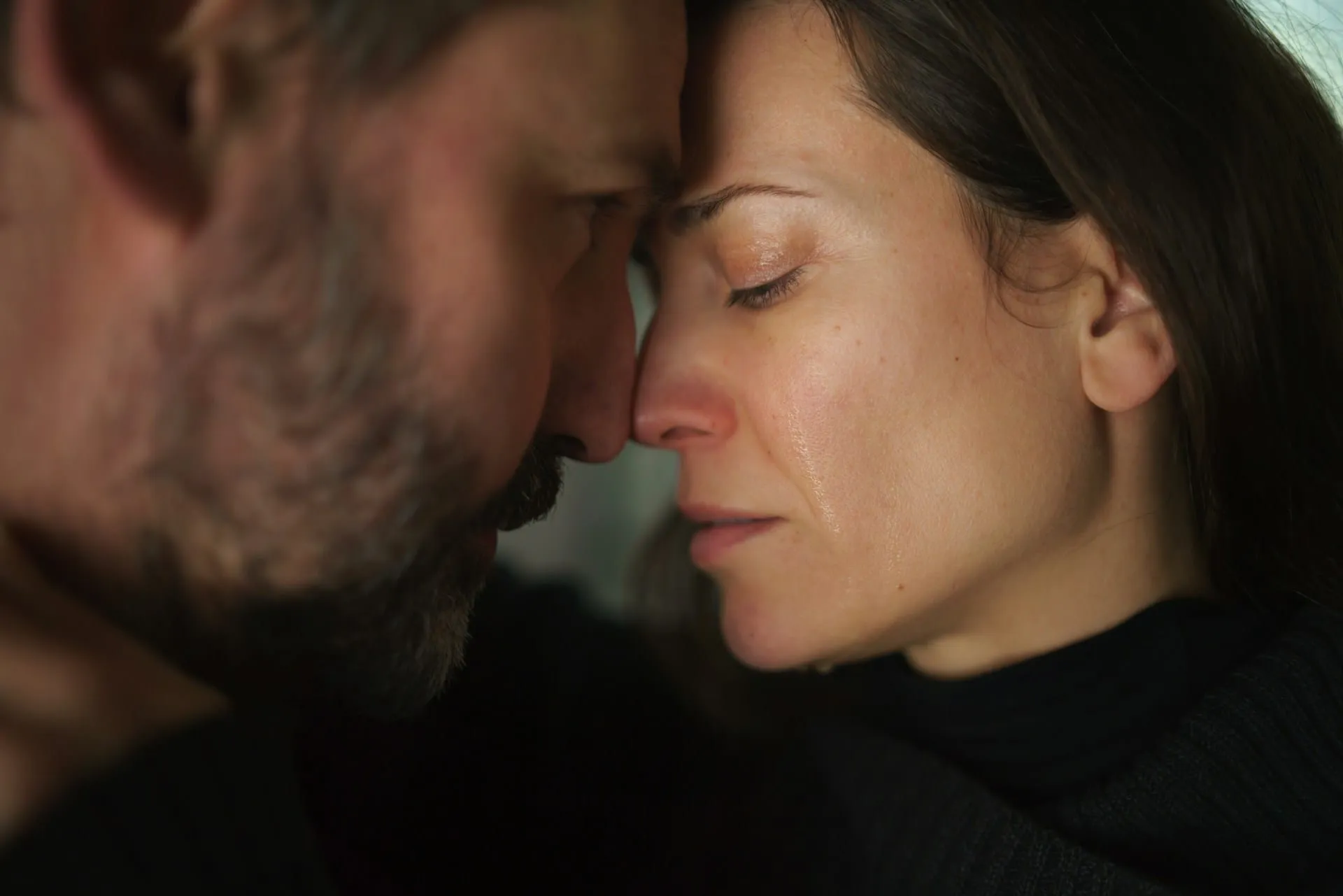
Maybe your dog died, or your cat, or the rabbit who quietly ran the house, and it hit harder than some of the funerals you’ve stood through. Maybe guilt came right behind it, along with a question you haven’t said out loud: what kind of person grieves an animal more than a relative?
So why does losing a pet hurt more than losing a human for so many people? A pet is folded into the hours of an ordinary day in a way few people are. Sometimes much of their care was in your hands. And when they die, the people around you don’t always make room for the grief.
Research backs this up, down to how long-lasting grief shows up after both kinds of loss. None of it ranks your pet against the people you’ve lost. It explains why this loss can take up so much room, and what helps with each part of it.
Key Takeaways
- Losing a pet can hurt more than losing a person. In a 2026 UK study, just over one in five people who had lost both a pet and a person they were close to named their pet’s death as the most distressing.
- Prolonged grief can look the same after a pet as after a person. The same study found its symptoms showed up the same way whichever one had died.
- Mornings, walks, the last check before bed: a pet’s absence can turn up all day. Nearly three in four people in the RSPCA’s pet grief surveys said they’d lost their daily routine or sense of purpose.
- Pet grief doesn’t always get room from other people. More than a third of those RSPCA respondents had heard or sensed “it’s just a pet,” and more than half felt they had to hide their grief.
- Grieving a pet harder than a person isn’t a verdict on who mattered more, and people who’ve lost both don’t all name the same loss as the most distressing.
Table of Contents
- 1Why Does Losing a Pet Hurt More Than Losing a Human?
- 2Is Grieving a Pet the Same as Grieving a Person?
- 3How a Pet’s Absence Shows Up in Your Day and Your Body
- 4What to Say When Someone Says It’s “Just a Pet”
- 5Guilt About Grieving a Pet More Than a Family Member
- 6When the Euthanasia Decision Keeps Replaying
- 7What Helps When Losing a Pet Hurts This Much
- 8How to Take Pet Grief as Seriously as the World Takes Human Loss
- 9Frequently Asked Questions About Why Losing a Pet Hurts More Than Losing a Human
Why Does Losing a Pet Hurt More Than Losing a Human?
Losing a pet can hurt more than losing a human because a pet is part of so many ordinary hours, and the gap shows up in the routine, the empty spot, the quiet. Pet grief also tends to get less room from other people. Together, those can hit harder than losing a person.
In one UK study, just over one in five people who had lost both a pet and a person they were close to named the pet’s death as their most distressing loss. The researcher’s conclusion: for many people the loss of a pet is perceived to be worse than the loss of a person, and when grief became prolonged, its symptoms looked the same either way.
Some version of this comes up with us again and again, usually with an apology attached: “I cried harder for my dog than I did for my grandmother.” There’s a question underneath it: does that say something bad about me?
It doesn’t. Grief isn’t a vote on who mattered more. In that UK study, people who’d lost both didn’t all pick the same loss as their most distressing.
Psychologist Julie Axelrod has pointed out that when a dog dies, we experience multiple losses at the same time. We’d say the same of any animal who was family. In daily life, that often looks like this:
- The shape of the day. Mornings, a walk, a favorite spot, or the last check before bed can each have a gap.
- Your role. The meds, the brushing, knowing their tells: whatever part of their care is yours ends with them.
- The send-off. A person’s death usually brings a funeral and cards, and a pet’s often brings neither.
Is Grieving a Pet the Same as Grieving a Person?
When it’s heavy and lasting, it can look the same. In the UK study above, prolonged grief symptoms showed up the same way after a pet’s death as after a person’s, and at rates similar to many kinds of human loss. Where they often differ is the room the world gives each.
The numbers are close. For people whose most distressing loss was a pet, 7.5% met the criteria for prolonged grief disorder. For a close friend, it was 7.8%, and for other relatives, like a grandparent or cousin, 8.3%.
Diagnostic manuals for prolonged grief are still written around people. Outside the clinic, many people already treat pet-loss grief as family grief. In a Pew survey, about half of U.S. pet parents said their pets are as much a part of their family as a human member, so for many, losing a pet means losing family.
Why Does Losing a Pet Hurt More for Some People Than Others?
A lot depends on the particulars: how they died, what else was happening in your life, and whether anyone grieved alongside you. A sudden loss during a week with nobody to tell lands differently from a long goodbye with family around.
Grief also keeps its own schedule. It can go quiet for a while, arrive weeks late, or come mixed with relief after a long illness. You might cry every day, or feel flat for a week and then come apart over a song in the car.
Earlier pets can be part of it too. Some people find themselves missing a childhood dog alongside the cat they just lost.
The intensity catches people off guard. Two in three people in the RSPCA’s pet grief surveys were surprised at how intense their grief felt, a bigger share than had heard or sensed “it’s just a pet.”
How a Pet’s Absence Shows Up in Your Day and Your Body
A pet’s absence tends to show up in small, repeated moments rather than one big one: the old mealtime, the spot where they slept, the door. Nearly three in four people in the RSPCA’s findings said they’d lost their daily routine or sense of purpose after their pet died.
Someone you love may live across town or across the country. A pet is often right there in your home and your day. So the reminders don’t wait for a holiday or a phone call. They come at the hours that were theirs, which is why rebuilding your routine after pet loss usually starts with those hours.
The body keeps its own record. About two in three RSPCA respondents had trouble sleeping, a similar share had trouble concentrating or functioning, and more than four in ten noticed changes in appetite. People often don’t expect these physical symptoms of grief after pet loss, so they worry something else is wrong. If sleep or eating doesn’t return, or if anything in your body worries you, check in with a doctor.
Missing them can be physical too. For some people, a hand still drops to where a head used to be, or feet step around a spot on the floor that’s empty now. Some wake up expecting a weight at the foot of the bed, or hear something from the next room that, for half a second, sounds like them.
Grief and Relief When You Were Your Pet’s Caregiver
If your pet was sick for a long time, their care may have organized everything: medications on a schedule, vet appointments, special food, nights on the floor beside them. In one study comparing people caring for a seriously ill pet with people caring for a relative with dementia, burden was elevated in both groups.
The same study found that greater positive aspects of caregiving were reported by companion animal caregivers. When the care ends, some people lose a hard job and a meaningful one on the same day.
If there was an alarm for evening pills, it may still go off. Exhaustion, relief, and emptiness can all show up together, and relief doesn’t cancel grief, or the other way around.
How to Get Through the Hardest Hours After Your Pet Dies
The first hour of the morning, dinnertime, bedtime: the hours that were theirs can be the hardest to sit through. A few things people find useful:
- Change one thing about that hour, not the whole day. Take a different route at the old walk time, use another chair at dinner, or put the radio on where they used to sleep.
- If one hour is hardest, tell someone so they know to check in.
- Expect the firsts. The first weekend, the first reminder email from the vet if you get one, the first holiday. Knowing they’re coming can make them easier to plan around.
What to Say When Someone Says It’s “Just a Pet”
You don’t owe anyone an argument, but a short, true sentence helps: “[Name] was family, and I’m grieving [them].” More than a third of RSPCA respondents had heard or sensed “it’s just a pet,” and more than half felt they had to hide their grief. A ready line can help if you’ve been keeping it to yourself.
Grief that doesn’t get recognized has a name: disenfranchised grief. A study of U.S. and French Canadian pet parents found that pet loss is often disenfranchised grief. For many people, losing a pet also comes with pressure to keep it quiet.
Lines to Use When People Don’t Get It
Borrow any of these and change the brackets to fit:
- At work: “My [pet] died [when]. I’m here, but I’m not at my best, so bear with me.”
- If someone shrugs it off: “[Name] was part of my life for [time]. It’s a real loss for me.”
- To “just get another one”: “Right now I’m missing [Name].”
- Asking for a day off: “I need [time] off for a loss in my family. My [pet] died.”
- With family or close friends: “I know you didn’t mean it, but [Name] was family to me.”
Cornell’s veterinary college notes that many pet parents are disturbed by the pressure from concerned friends to fill the empty place in their home and life as quickly as possible. Some people bring another animal home soon, some wait, and some never do. The people pushing usually mean well.
Time off is harder than it should be. More than one in four RSPCA respondents felt unable to take time off work or other commitments to grieve. If you work, check your handbook for pet bereavement leave. If there’s no policy, the day-off line above can still work.
A comment from someone close is harder to shrug off. With family and friends, you can explain once or set a boundary: “I’d rather not debate this. I’m grieving [Name].” If it keeps happening, stepping back is one of the quieter ways to respond when someone says it’s just a dog: stop bringing it up with that person and take the grief somewhere it’s understood. More than half of the RSPCA’s respondents couldn’t find the support they needed, and that’s where a pet loss support group can help, because nobody there needs it explained.
When People Rush You Toward Gratitude
Some comfort arrives too fast: “At least you had [time] together.” “They’re not suffering anymore.” “You gave them a great life.”
These are usually meant kindly, and some may feel true later. Gratitude doesn’t run on anyone else’s schedule, though, and it can sit next to grief without replacing it. A simple answer covers most of it: “Thank you. I’m not ready for the bright side yet.”
Guilt About Grieving a Pet More Than a Family Member
Guilt about grieving a pet harder than a person often comes from treating grief as a ranking, with people at the top. But the two losses usually happen very differently, with different timing, different daily contact, and different support.
A relative’s death may be years behind you, grieved with family around you, while your pet’s death is right now. When a person dies, the grief is often shared by a whole circle. A pet’s death can land on one or two people. You may have seen your grandmother on holidays and your cat every day.
Sometimes a pet’s death also reopens an older loss. The dog who got you through a parent’s illness, or the cat who was there the year your marriage ended, can carry more than their own story. If losing them has brought back grief for a person too, talk to someone who can hold both.
One thing that helps is saying both out loud, to someone who won’t flinch: “I miss [person]. I miss [Name] [more or differently] right now, and both of those are true.”
When the Euthanasia Decision Keeps Replaying
Being the one who decides can weigh on people, even when they’d make the same call again. If the decision keeps replaying, sometimes loudest in the middle of the night, two things help: getting answers where you can, and giving the replay somewhere to go.
- If you have questions about what happened that day, call the vet who helped and ask. What was happening, what the vet saw, what each step was for. Answers can sometimes quiet the replaying.
- Write down what you knew at the time: what the vet told you, what you were seeing at home, and what you were weighing.
- Notice when the replay starts using facts you only learned later, and set those apart from what you knew then.
Guilt and regret after losing a pet are common. About six in ten RSPCA respondents said they felt guilt. It can help to tell one person the exact thought that keeps replaying.
What Helps When Losing a Pet Hurts This Much
People cope in different ways. Many lean on others who understand, stay connected, or mark the loss in some way. A review of pet bereavement research found people coped through social support, continuing bonds, memorialization, religion, and relationships with other animals, along with pulling away for a while.
- Find one person who gets it. A friend who’s lost a pet, a sibling who knew them, an online group. One is enough to start.
- Keep the connection. A photo you’ll see, their collar on a hook, a habit you shared. Grief researchers call this continuing bonds, and it can sit alongside grief for a long time.
- If other animals share your home, spend some of the old hours with them.
Ways to Remember Your Pet When There’s No Funeral
Marking the loss can help when the world doesn’t mark it for you:
- A memory box for whatever you kept: their collar or tags, a favorite toy, a bit of fur or feathers, a photo or two.
- Their things, on your schedule. Some people keep a bed or a bowl in place for months. Others find it easier to pack things away.
- Write them a letter. Say what you didn’t get to say, then read it out loud or keep it in the box.
- Set up a small corner at home, with a photo and a candle you light on the days you need to.
- Something that grows. A tree, a shrub, or a pot of flowers in a spot you’ll pass every day.
- Say a few words about them, with anyone who’d understand or on your own.
- Give to a shelter in their name, or give a shelter an afternoon.
How Long Does Grief After Losing a Pet Last?
There’s no set pet grief timeline. People further from the loss tend to report less intense grief, though dates and reminders can bring it back up, and most people whose most distressing loss was a pet don’t meet the criteria for prolonged grief. If it isn’t easing, or it’s getting in the way of daily life, that’s a good reason to reach out for more support.
In one study of bereaved pet parents, negative correlations were found between grief intensity and the time elapsed since the pet’s death.
Over time, many people find the hard moments come less often, and some notice they gather around dates: the anniversary, their birthday, a season that was theirs. Some people mark those dates with one small plan.
When to Talk to a Grief Counselor About Pet Loss
Talk to a grief counselor whenever you want to, and especially if grief is making it hard to work, sleep, eat, or look after yourself, or if longing for them fills most of your day and isn’t easing.
The diagnostic manuals define prolonged grief, sometimes called complicated grief, by two core symptoms: longing for the one who died and preoccupation with them. Clinicians also look at how much it’s getting in the way of your life.
Look for a counselor who lists pet loss or grief as a specialty. If you have a vet you trust, ask whether they know someone. You can also search our directory of pet loss grief counseling, where some sessions happen by video.
How to Take Pet Grief as Seriously as the World Takes Human Loss
We think pet grief deserves the same practical things human grief gets, and we’d like to see more of the world offer them: a day off, a card, someone asking how you’re doing a month later. Until it catches up, you can give yourself some of those.
Take the day if you can, or even the afternoon. Say their name out loud. Tell the people who’d understand, and put a note in your calendar a month from now to check in on yourself the way a good friend would.
And if you keep asking yourself, “Why does losing a pet hurt more than I expected?” part of the answer is that you lost several things at once, and the world doesn’t always make space for them.
Frequently Asked Questions About Why Losing a Pet Hurts More Than Losing a Human
Is it normal to grieve a pet more than a family member?
Many people do. In a 2026 study of UK adults, about a fifth of those who’d lost both a beloved pet and someone close to them named the pet as their most distressing loss. A pet can be part of so many ordinary hours, and a relative may have lived far away or died years ago. If the comparison itself is what keeps hurting, try naming both losses to someone you trust. You can also write a few lines for each, since putting it on paper sometimes shows what each loss actually took from you.
Does grieving my pet more mean I didn’t love my family member enough?
No. Love and grief don’t line up one-to-one. Timing and circumstances can shape how hard a loss lands, from how recent it is to how much day-to-day care was yours. You can love someone deeply and still find another loss heavier right now. That can shift over time, too, and an old grief can come back strong on an anniversary or a holiday. Some people light a candle for both, or talk about the person and the pet in the same breath.
Why doesn’t anyone understand how much losing my pet hurts?
Because pet loss often doesn’t come with the usual signals of grief. There may be no service, no obituary, and no time off, so people around you don’t get the cue to check in. A friend who’s never loved an animal may not know what it’s like. One who has may not know what to say, so they say nothing. That silence can feel like dismissal even when it isn’t meant that way. It helps to tell people directly what you need, whether that’s a text next week or a walk this weekend. And it helps to find at least one place, a friend, a group, or a counselor, where you don’t have to explain.
Why do I feel relief along with grief after my pet died?
Relief often shows up after a long illness or a stretch of watching someone you love struggle. It can be relief that they’re no longer uncomfortable, relief that the caregiving is over, or both. Relief and grief can sit side by side for a while, and some people feel guilty about the relief precisely because they loved their pet so much. It can help to name what the relief is about. If the relief brings up guilt you can’t shake, a counselor who works with pet loss is a good person to talk it through with.
Can I take time off work when my pet dies?
Often, yes, though it depends on your employer. Some employers now offer pet bereavement leave, and others let you use a personal day, a sick day, or vacation time. You don’t have to give a long explanation. Telling your manager you’ve had a death in the family and need a day is enough, and you can add that you lost your pet if you want to. If a full day isn’t possible, ask for a late start, an early finish, or a quieter task list for the week.
On this topic