







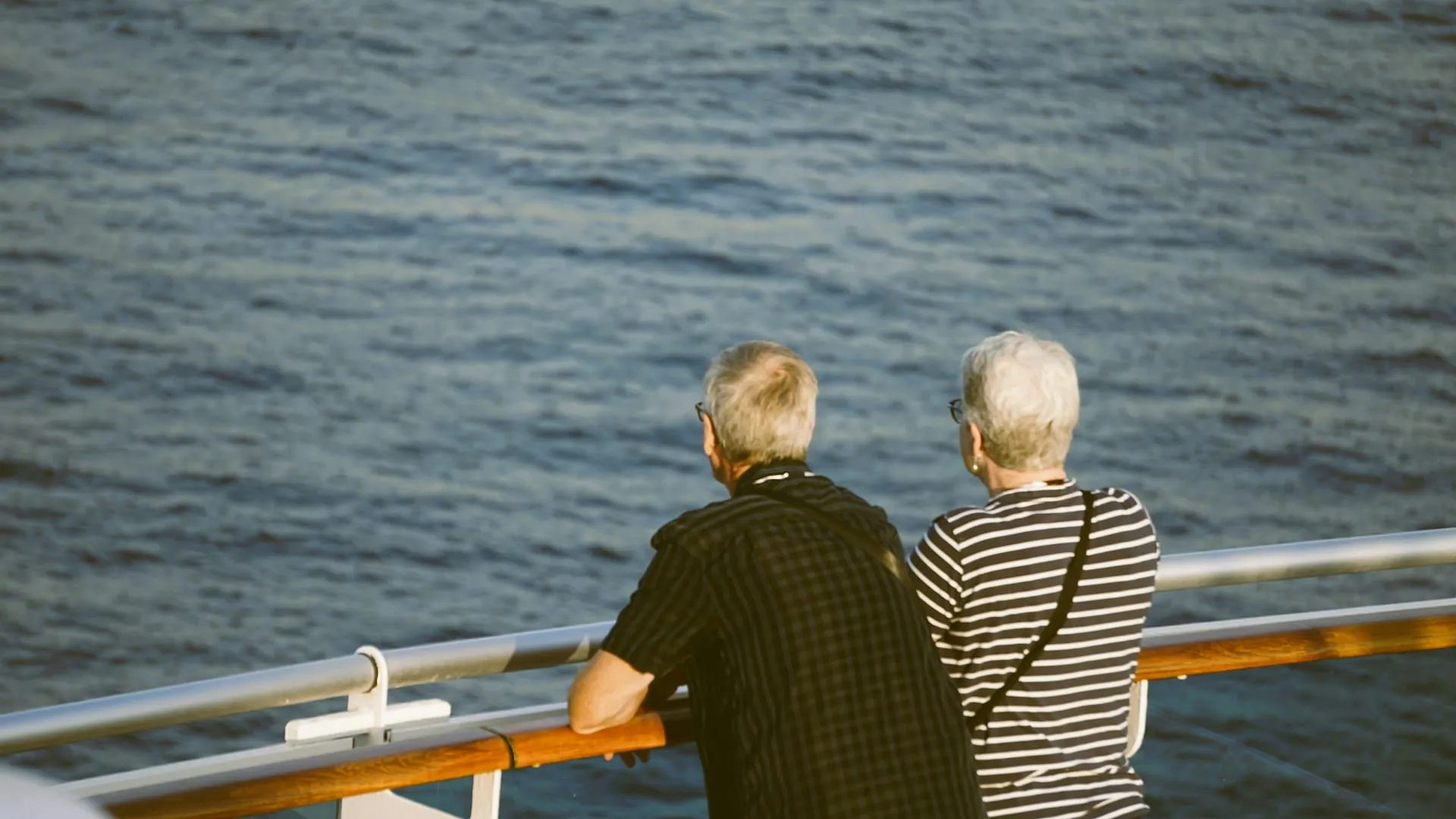
Where to scatter pet ashes comes down to two questions: which place feels right, and whether scattering is allowed there. Your own land, or private land where you have permission, is the simplest answer. Parks, lakes, rivers, and the ocean can have their own rules, and several were written for human ashes alone. The steps are the same for a cat, a rabbit, a dog, or a horse. Only the amount changes.
Some families know the spot the moment the ashes come home. The bend in the trail. The patch of sun on the kitchen floor. Others keep the container on a shelf for a long time before any place comes to mind.
For parks and open water, the answer usually comes from a phone call, so we’d rather tell you who to call and what to say than hand you a list of rules written for someone else. If you’re still deciding, our pet aftercare and memorials hub covers scattering alongside burial, keepsakes, and other options.
Key Takeaways
- Your own yard, or private land where you have permission, is the easiest place to scatter pet ashes. If you rent, or the spot is a shared area, the landlord or association has a say.
- The National Park Service’s scattering rule is written for human ashes, and Yellowstone allows only human ashes. If a park is on your list, call it before you pick a date.
- The EPA’s general permit for burial at sea is written for human remains and doesn’t cover pets. If you’re planning a scattering at sea, ask an EPA regional office what applies.
- States may have their own rules for lakes and rivers, and some prohibit burying ashes in them. The state environmental agency, health agency, or mortuary board can tell you what applies in your state.
- Open the container at home ahead of time. On the day, stand with the wind at your back and pour low and slow, whether you scatter all of the ashes, split them between places, or keep a little back.
Table of Contents
- 1Where Can You Legally Scatter Pet Ashes?
- 2Places Families Choose to Scatter Pet Ashes
- 3How to Scatter Pet Ashes, Step by Step
- 4Keeping Some of Your Pet’s Ashes, or Waiting to Scatter
- 5Scattering Pet Ashes With Children and Family
- 6Deciding Where to Scatter Pet Ashes
- 7Frequently Asked Questions About Scattering Pet Ashes
Where Can You Legally Scatter Pet Ashes?
The simplest places to scatter pet ashes are land you own and private land where you have permission, while parks, lakes, rivers, and the ocean may have their own rules, some written only for human ashes. Before you plan a scattering on public land or water, check with whoever manages it.
On Your Own Land or Someone Else’s
A backyard, a garden bed, or the edge of a field you own is where many families start, because there’s usually no one to ask. Renting changes that. The landlord has a say, so get their OK while you’re still planning. In a community with an association, the association usually decides on shared lawns and paths.
For a friend’s yard, a family farm, or a relative’s cabin, talk to the landowner and tell them what you’re planning. If you’re weighing burial there instead, our guide to pet burial laws by state covers what each state allows, since burial rules are separate from scattering.
National Parks, Forests and Other Public Land
The National Park Service rule on scattering covers people: The scattering of human ashes from cremation is prohibited, except pursuant to the terms and conditions of a permit, or in designated areas according to conditions which may be established by the superintendent. Yellowstone’s permit page says: Only human cremains may be scattered.
Rules vary by park, so contact the one you’re thinking of. For a state park, a city or county park, or a national forest, the office that runs that land can tell you. A short script helps when you call or email: “I’d like to scatter my [pet type]’s ashes at [place] on [date]. It would be [a small, private scattering / a small family gathering]. Is that allowed, and is there a permit or any condition I should know about?” Ask for the answer in writing if you can.
Even where human ashes are allowed, the conditions get specific. Rocky Mountain National Park’s scattering permit requires a spot at least 200 feet (70 adult steps) from any water source such as a lake or stream and allows no markers or plaques.
Lakes, Rivers and the Ocean
The federal ocean permit covers human remains only, and its list of exclusions names non-human remains, including pets. The three-mile rule you may have read about belongs to that human permit, which requires burial at least three nautical miles from land. For the ocean, contact an EPA regional office while you’re still planning. A beach may belong to a city, a county, or a state park, and whoever manages it can tell you its rules for the shore.
Lakes and rivers work differently. States may have requirements governing the scattering of cremated remains, and burial in inland waters is prohibited in some states. The EPA’s answer on lakes and rivers doesn’t mention pets. It points to the state environmental agency, health agency, or mortuary board, so ask whichever one covers the place you have in mind whether its rules reach a pet’s ashes.
Places Families Choose to Scatter Pet Ashes
The places families choose for pet ashes usually come from the pet’s own life: the yard or garden at home, a walk you took together, somewhere you traveled, or a pet cemetery with space for scattering.
Where to Scatter Pet Ashes at Home
Think about the spot that’s theirs at home, like the sunny step or the flower bed under the window.
In a yard, scatter the ashes across the grass, or rake them lightly into a flower bed. If you have a spot near a young tree in mind, our guide to planting a tree in memory of your pet covers adding ashes around one.
You don’t need a yard to mark a life with a tree. Our memorial tree program plants a real tree in your pet’s name at a restoration site, with nothing to tend. The ashes themselves can stay with you, or go to any of the places below.
A Favorite Walk, Trail or Beach
A favorite walk might be a path you shared, a beach, or a trail you drove to together. Most of these places are public or protected land, and whoever manages them sets the rules: a city parks department, a county, a state park, a land trust, or a national forest. Tell them what you have in mind for a pet’s ashes and ask what’s allowed.
Trails and beaches are often busier later in the day, so an early start gives you more room. Keep the scattering well off the path, away from anyone picnicking or swimming. When the answer is no, a nearby spot on private land, or a yard with a view of the same hills, is one option. Carrying a small amount on that walk in a keepsake, without scattering it, is another.
Somewhere You Traveled Together
A lake where you camped, a cabin, a stretch of coast. If you’re planning a trip there, look up who manages the land while you’re still at home. It’s harder to ask once you’re there.
Cremated remains can fly in a carry-on or a checked bag, with one catch for checked bags: Some airlines do not allow cremated remains in checked bags. Use a container made of a lighter weight material, such as wood or plastic, because if the X-ray can’t show what’s inside it, it won’t be allowed, and TSA officers will not open a container, even if requested by the passenger. A light travel container, with any heavy urn left at home, makes screening easier. Call your airline before you book.
A Pet Cemetery or Memorial Garden
For a place someone else looks after, ask a pet cemetery near you whether it has an area for scattering ashes or can bury them. Ask whether scattering costs extra, whether you can be there, whether other pets’ ashes go in the same area, and whether the spot is marked or recorded.
Our tips on finding a pet cemetery near you cover where to search and what to look for. For help with the scattering itself, the ash scattering directory lists providers by state. We review every professional in our directory before their listing goes live.
How to Scatter Pet Ashes, Step by Step
To scatter pet ashes, open the container at home ahead of time, pick a calm day, stand with the wind at your back, and pour low and slowly over the ground or the water. On your own soil, you can also rake them in or pour them into a shallow trench.
Before the Day: Opening the Urn
After a private cremation, the urn may come back one of two ways: Cremains may be returned in either a permanently sealed urn or an urn that can be opened if you wish to spread your pet’s ashes. If yours is sealed, the crematory or vet that returned it can tell you whether it can be opened, or how to move the ashes into another container.
Opening the urn at home lets you see the ashes somewhere private, with time to sit. They may not look the way you pictured. It also lets you set aside any portion you want to keep.
Then pick a time. Early mornings are often quieter in public places. Check the forecast the day before for wind and rain.
What to Bring to Scatter Pet Ashes
Pack the night before:
- The ashes, in the urn you’ll pour from or in a scattering tube that’s easy to hold and tip.
- A small scoop or spoon, so everyone who wants a turn can take one.
- Wipes or a small bottle of water for your hands afterward.
- For soil, a hand trowel or rake, plus a bag to carry the empty container home.
- Anything you want to say or read, written down, and flower petals if the place allows them.
On the Day: Scattering With the Wind
Find the wind before you open anything. A dropped leaf or a bit of grass shows you which way it’s blowing. Stand so it’s at your back, and pour away from yourself and anyone with you.
Keep the container low, close to the ground or the water, and pour slowly while you walk or turn, so the ashes spread out. There are three common ways to do it:
- Pour them low along the wind’s path and let them drift and settle over an area. This is called casting.
- For a garden bed, raking works best: pour over loose soil and gently work the ashes in.
- Trenching means digging a shallow line, sometimes in a shape or a letter, then pouring the ashes in and covering them over.
Raking and trenching suit your own land or a place that allows them. Some parks ask that ashes not be buried, and Rocky Mountain’s guidelines read: Ashes should be spread about downwind and not buried or placed in a pile. For water, pour close to the surface, from the downwind side of a boat, or with the wind at your back on the shore. Petals can follow if the rules allow them.
When the container is empty, take a minute before packing up if you’d like. Say their name, read what you brought, or stay quiet for a while.
Keeping Some of Your Pet’s Ashes, or Waiting to Scatter
Families scatter all of the ashes in one place, divide them between places, or keep a portion at home in a keepsake urn or a piece of jewelry. Some wait weeks or years before scattering any.
Dividing is one way to hold two places that both matter: a share for the trail, a share for the garden, and a little at home if that feels right.
It’s easiest to split them at home, before the day. Use a clean spoon over a tray or a sheet of paper so nothing is lost, and keep the rest in its original bag until you’re ready.
For the portion you hold back, our pet urns include keepsake sizes made for a portion, and our pet memorial jewelry holds a pinch of ashes. You can also turn a portion into memorial diamonds made from pet ashes, and our list of meaningful things to do with your pet’s ashes has more ideas if scattering is only part of your plan.
After a private cremation, PetMD notes that it typically takes 1-2 weeks for your pet’s ashes to be returned. From there, the timing is yours. A date can help if one feels right, like their birthday or the day they came home. A season can work too, when a place they loved looks its best.
Scattering Pet Ashes With Children and Family
Children can take part in scattering pet ashes, and it helps when someone tells them ahead of time what will happen, explains in plain words what the ashes are, and lets them choose a small job, like pouring, holding flowers, or watching from close by.
Try something like: “These are [pet’s name]’s ashes. We’re going to spread them at [place], because that’s where [pet’s name] loved to [activity].” Answer their questions honestly, in short sentences. Our guide to comforting children after a pet’s death covers what to say by age, and how to answer the questions children ask.
Give each person a turn with the scoop, in whatever order suits your family. Someone might read a short poem, a letter, or a list of the pet’s habits. A relative who can’t be there can join by video call, or see a few photos afterward.
A fuller gathering, with a eulogy or a reading, can end with the scattering, and our pet memorial service guide walks through planning one, from the guest list to the program.
Deciding Where to Scatter Pet Ashes
Deciding where to scatter pet ashes is part feeling and part phone call. You might start with their favorite spot, at home or out in the world, and let the rest follow. For anywhere that isn’t your own land, a phone call can tell you whether you can scatter there, and how. If the answer is yes, ask what the conditions are and write them down, with the name of the person you spoke to and the date.
If you’re torn between places, dividing the ashes is one option. If no place comes to mind yet, some families keep the ashes home for years, and some for good. If a day comes, bring the scoop, check the wind, and take whatever time it allows.
Frequently Asked Questions About Scattering Pet Ashes
Can I scatter my pet’s ashes anywhere?
It depends on who owns or manages the place you have in mind. On land you own, you usually don’t need to ask anyone, and on a friend’s or relative’s land, it’s the landowner’s call. If you rent, your landlord has a say, and in a community with an association, the board may have rules for shared spaces. Public land is more complicated, because each park, forest, or city sets its own conditions, and some national park rules mention only human ashes. Yellowstone, for example, permits only human cremains. Water has its own rules too: the federal permit for the ocean doesn’t cover pets, and lakes and rivers can depend on the state. The quickest way to an answer is to call whoever manages the place and describe what you’re planning.
Can you scatter pet ashes in the ocean?
The EPA’s burial-at-sea permit covers human remains only. The three-nautical-mile distance often quoted online belongs to that human permit, so it doesn’t describe a pet’s ashes. The ocean can feel right, especially for a pet who loved the water, so if that’s the place you have in mind, contact an EPA regional office and ask what, if anything, applies before you book a boat or plan a trip. Beaches and harbors may also have local rules set by a city, county, or state. A shoreline spot may be managed differently from the water beyond it, so ask about both. If the sea turns out not to be possible, the ashes can go somewhere else your pet loved, all in one place, split between places, or with a little kept at home.
Can I scatter my pet’s ashes in my backyard or garden?
If you own your home, usually yes, since no one else has to approve. The yard can feel like the natural place, because it’s where ordinary days happened. If you rent, your landlord has a say, and in a community with an association, shared spaces may have their own rules. You might pick a spot that meant something, like a quiet corner, a favorite view, or the place by the door where they liked to wait. Scatter the ashes across the ground, or rake them gently into a flower bed. A stone, a plant, or a small plaque can mark the place, or you can leave it unmarked and know where it is.
How long can I wait before scattering my pet’s ashes?
There’s no set timeline for scattering a pet’s ashes. Some families are ready right away, and others aren’t ready for a long time. After a private cremation, ashes typically return in one to two weeks, and families scatter them anywhere from soon after that to many years later. If other family members want to be there, picking a date together gives everyone time to plan travel. Waiting for weather that suits the place, like a calm, clear morning, helps too. Until then, keep the ashes in their bag inside the urn or container, somewhere safe and dry. Some families decide not to scatter them at all and keep the ashes home in an urn.
Can I take my pet’s ashes on a plane?
Yes. The TSA allows cremated remains in carry-on and checked bags, and it notes that some airlines don’t accept them in checked luggage, so call your airline before you book. Choose a temporary or permanent container made of something light, like wood or plastic, that shows clearly on the X-ray, because a container screeners can’t see into won’t be allowed. Officers won’t open the container, even if you ask them to. Moving the ashes into a lightweight travel container for the trip, and leaving a heavy urn at home, makes it less likely the container will be turned away at the checkpoint. If you’re flying to another country, check that country’s rules, too.
On this topic