







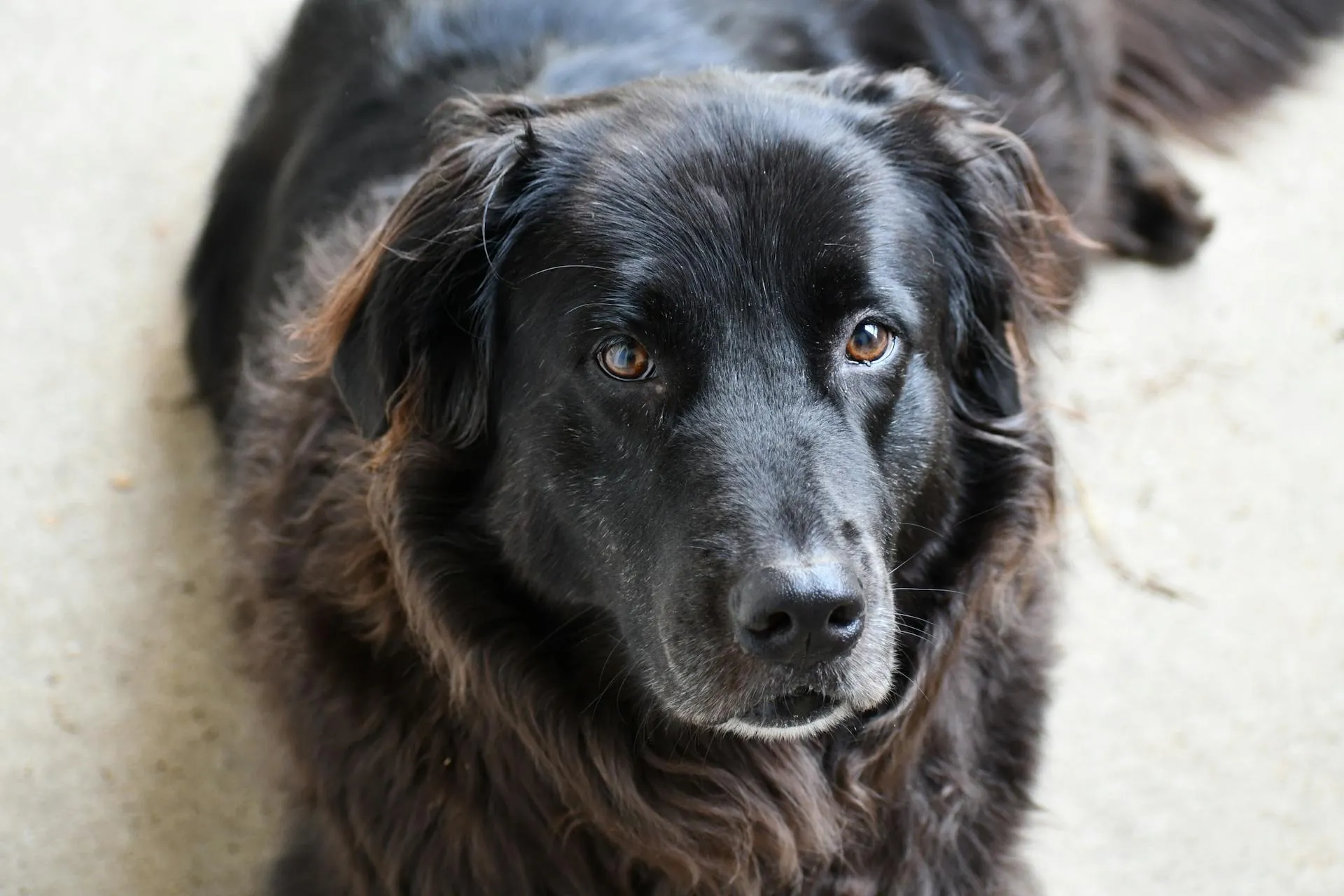
When your pet is facing illness or entering their senior years, watching them struggle with anxiety can feel heartbreaking. The trembling before a vet visit. The restless pacing at 2 a.m. The confused look in the eyes that once held steady confidence. You’d do anything to help them feel safe and calm again, and that instinct is exactly right.
At Love, Baxter, we recognize that anxiety is a common and underaddressed challenge for senior and chronically ill pets. Their world is shifting in ways they can’t explain, and changing bodies, more medical interventions, and disruptions to routine can leave them in near-constant stress.
The good news is that there are real, evidence-based comfort tools that work. You don’t need to feel helpless watching your pet struggle. Small, thoughtful changes can create genuine moments of peace for a companion who has given you so much. In the following sections, we guide you through approaches supported by veterinary research and behavioral science, offering practical ways to start using them today.
Key Takeaways
- Senior and chronically ill pets are more anxious due to pain, cognitive changes, and medical care, but proven tools can improve their comfort.
- Gentle touch, calming sounds, and consistent routines are practical, effective ways to help anxious pets at home.
- Pheromone diffusers and species-specific sound therapy have been studied in clinical settings and have been shown to reduce stress-related behaviors in both dogs and cats.
- Multiple comfort tools used together are more effective than any single approach, and it’s worth experimenting to find what works for your specific pet.
- If anxiety is severe or interfering with your pet’s quality of life, veterinary support, including medication, is an appropriate and compassionate option.
Table of Contents
- 1Understanding Senior Pet Anxiety and Stress in Sick Pets
- 2Creating a Calming Environment for Senior and Sick Pets
- 3Therapeutic Touch and Massage for Anxious Senior Pets
- 4How Sound Therapy Reduces Anxiety in Senior and Sick Pets
- 5Using Pheromones and Aromatherapy to Calm Sick Pets
- 6Weighted Blankets and Anxiety Wraps for Senior Pet Comfort
- 7Natural Calming Supplements for Senior Pet Anxiety
- 8Why Consistent Routines Help Calm Senior and Sick Pets
- 9When to Ask Your Vet About Anxiety Treatment
- 10Combining Comfort Tools for Best Results
- 11Supporting Your Anxious Senior or Sick Pet at Home
- 12Frequently Asked Questions About Calming Anxious Senior and Sick Pets
Understanding Senior Pet Anxiety and Stress in Sick Pets
As pets age or face chronic illness, their world changes in ways that can feel frightening and confusing. Physical discomfort creates a constant undercurrent of stress, making everyday situations feel more threatening than they once did. A dog with arthritis who can no longer move as quickly may feel more vulnerable. A cat with kidney disease navigating a new medication and appointment schedule may become increasingly anxious about routines that were once unremarkable.
Cognitive changes add another significant layer. Cornell University’s College of Veterinary Medicine reports that cognitive dysfunction syndrome affects a growing percentage of dogs as they age, with prevalence rising sharply after age 11.
In cats, Cornell’s Feline Health Center notes that signs of cognitive dysfunction can begin to appear around age 10. VCA Animal Hospitals reports that more than 50 percent of cats aged 15 and older show signs of cognitive decline. These conditions can cause disorientation, disrupted sleep, and increased anxiety, particularly during evening hours.
A once-confident companion who suddenly seems uncertain, clingy, or confused is not being difficult. They’re telling you they need reassurance that they’re still safe. Understanding this changes how we respond, and it moves us from frustration toward something more useful: intention.
Environmental stressors that never bothered your pet before can also become genuine triggers when your pet is already managing physical challenges. A household visitor, a rearranged room, or a change in your daily schedule can tip an anxious senior pet into real distress. Recognizing that their stress threshold is lower than it used to be is the starting point for everything else in this guide.
Creating a Calming Environment for Senior and Sick Pets
Your pet’s physical environment plays a direct role in their anxiety levels, and simple adjustments can make a meaningful difference in how settled they feel day to day.
Designate a specific area of your home as your pet’s safe space, somewhere consistently available and away from household traffic and noise. A quiet corner of a bedroom, a crate lined with soft bedding and covered with a blanket, or a tucked-away spot they can always find works well. Include familiar items: their favorite bed, a piece of your clothing with your scent, and any comfort objects they’ve loved for years. The goal is consistency, not comfort. Your pet needs to know exactly where to go when they feel overwhelmed, and that place needs to be there for them always.
Senior pets often struggle to regulate body temperature, so provide warm, insulating bedding in cooler months and access to cooler surfaces during warmer weather. Orthopedic beds reduce pressure on arthritic joints, addressing the physical discomfort that so often drives anxiety in older pets. Dimmer lighting helps pets experiencing vision changes or cognitive decline feel less disoriented, and a simple night light can reduce the confusion some senior pets experience in dark rooms after the household settles down.
Where possible, reduce environmental stimulation on difficult days. Lower television volume. Limit visitors when your pet is struggling. Keep daily schedules as consistent as you can manage. These are small adjustments, but for an animal whose baseline stress level is already elevated, they add up.
Therapeutic Touch and Massage for Anxious Senior Pets
Your hands may be the most immediate source of comfort you have. Gentle, intentional touch communicates safety in a language every pet understands, and there is real science behind why it works.
Physical contact between pets and their owners is associated with the release of oxytocin in both. Research from the Human-Animal Bond Research Institute (HABRI) shows that interacting with pets influences levels of oxytocin and other wellbeing hormones in both humans and animals. This bidirectional response is one of the reasons touch works so consistently as a calming tool. It doesn’t just help your pet. It settles both of you.
A Washington State University study found that just 10 minutes of petting dogs and cats significantly reduced cortisol levels in participants, demonstrating how powerfully physical contact influences stress physiology. The mutual calming that happens during these interactions is real and measurable.
Begin with slow, unhurried strokes along your pet’s back and sides. Many pets find long, sweeping motions deeply soothing. Others respond better to gentle circles around the ears, forehead, or base of the tail. Let your pet guide you. Watch for soft eyes, relaxed muscles, and slower breathing as signs that your touch is landing well. For pets managing pain or mobility limitations, focus on areas that aren’t tender, and consider resting a hand quietly on your pet while they rest. Even that communicates that they’re not alone.
Ask your veterinarian about basic pet massage techniques that support circulation and comfort, particularly for pets with arthritis or chronic pain. Knowing how to offer touch that is both soothing and physically supportive is a skill worth developing during your pet’s senior years.
How Sound Therapy Reduces Anxiety in Senior and Sick Pets
Sound therapy has meaningful clinical research behind it, and it’s one of the easiest tools to add to your pet’s daily routine. It’s particularly useful during high-stress moments, such as veterinary visits, medication administration, and the nighttime restlessness that often accompanies cognitive decline.
A comprehensive review of auditory enrichment research published in PMC found that classical music and slow-tempo sounds consistently reduced heart rate, stress vocalizations, and anxiety behaviors in kenneled dogs. For cats, research published in the Journal of Feline Medicine and Surgery found that music played during veterinary exams was associated with lower stress and handling scores. These effects are stronger when the audio is designed specifically for the pet’s species and hearing range, not simply played from playlists created for human listeners.
Species-specific sound therapy goes further by delivering audio formulated around how pets actually process sound and respond to acoustic stimuli. The effect, compared to general music, is measurable, particularly for pets that are highly reactive or have long been dealing with chronic illness and its accompanying stressors.
We partner with Zoundz, an app that delivers scientifically formulated therapeutic sounds to calm anxious pets. Their curated playlists are designed specifically for senior and chronically ill pets, addressing the unique stressors these animals face, including frequent vet visits, medication routines, and the disorientation that can accompany cognitive changes. You can use it at home, during transport to medical appointments, or during the more difficult moments that can come with end-of-life care.
Try playing calming sounds 20 to 30 minutes before an anticipated stressor to help your pet settle before the moment arrives. With consistent use, many pets come to associate those sounds with safety, making the tool more effective over time.

Interested in trying Zoundz?
Use code LOVEBAXTER during your onboarding to start your 14-day free trial and give your pet the comfort and calm they deserve.
Using Pheromones and Aromatherapy to Calm Sick Pets
Scent-based comfort tools leverage your pet’s powerful sense of smell to communicate safety and reduce stress responses without medication. For a senior or chronically ill pet who may already be on multiple medications, this is part of what makes them appealing.
Pheromone diffusers and sprays mimic the natural calming chemicals animals produce. Feliway for cats and Adaptil for dogs release synthetic versions of these pheromones and can reduce anxiety-related behaviors in both familiar and unfamiliar environments. A published study in the Journal of Feline Medicine and Surgery found that cats in examination rooms treated with Feliway spray showed significantly lower stress levels than those in untreated rooms. For best results, use a diffuser in your pet’s primary resting area or spray their bedding two to three days before an anticipated stressor, not just in the moment.
Pet-safe essential oils can also offer calming benefits when used carefully. Lavender has been studied for calming effects in animals, but always consult your veterinarian before using any essential oils, particularly if you have cats, who can be sensitive to certain compounds. Never apply oils directly to your pet’s skin. Use a diffuser in a well-ventilated space your pet can leave if the scent becomes overwhelming.
Rosa found that pairing a Feliway diffuser with gentle lavender aromatherapy created a noticeably calmer environment for her 14-year-old Labrador, Bailey, during his treatment for heart disease. “Bailey would pace and pant before medication time,” she says. “After we started using these together, I could see him physically settle. It didn’t take away his illness, but it gave him more peaceful moments. That meant everything.”
Introduce all scent-based tools gradually and watch your pet’s response closely. The goal is relief, not an additional stressor layered into an already difficult day.
Weighted Blankets and Anxiety Wraps for Senior Pet Comfort
Gentle, consistent pressure has a measurable calming effect on anxious pets. The principle is similar to swaddling a baby or the deep pressure therapy used for human anxiety: applying steady, even pressure activates the parasympathetic nervous system, helping shift your pet from a state of stress into genuine calm.
A systematic review of compression wraps published in PMC confirmed that anxiety wraps can reduce heart rate and stress behaviors in dogs diagnosed with anxiety disorder, and products like the ThunderShirt can be a useful component of a broader anxiety management plan. These tools work particularly well during thunderstorms, veterinary visits, car travel, and nighttime restlessness.
For pets who need frequent transport to medical appointments, a compression garment can begin to carry its own calming association. The familiar pressure becomes a signal that they’re okay, even in an unfamiliar place. Over time, many pets relax when the garment is put on.
Introduce any wrap slowly. Let your pet investigate it first, and never force it on them. Start with just a few minutes of wear and build from there, using calm praise and patience. If your pet struggles with it, step back and don’t push. Some pets take to these tools immediately; others need a gradual introduction over several sessions.
Sizing matters more than most people expect. Too tight causes distress; too loose doesn’t provide the therapeutic pressure. Use each manufacturer’s sizing guide and take accurate measurements before purchasing.
Natural Calming Supplements for Senior Pet Anxiety
Certain supplements can support your pet’s ability to manage anxiety, particularly when anxiety doesn’t yet warrant prescription medication or when a pet can’t tolerate certain drugs. These options are worth discussing with your veterinarian as part of a broader comfort plan.
L-theanine is an amino acid found in green tea that promotes relaxation without causing sedation. L-theanine is a supplement that modulates neurotransmitters, including GABA, serotonin, and dopamine, without impairing alertness, making it useful for mild to moderate situational anxiety in both dogs and cats. Products like Anxitane are formulated specifically for pets. For situational anxiety, L-theanine typically takes effect within 30 to 60 minutes of administration.
CBD products formulated for pets have gained attention for their potential to reduce anxiety, but research in this area is still developing. Talk with your veterinarian before adding CBD to your pet’s routine, especially if they are already on other medications, as interactions may occur.
Calming chews and treats containing chamomile, valerian root, or passionflower can be helpful for situational stressors, such as vet visits or travel. These work best when given 30 to 60 minutes before the anticipated stressor, allowing the natural compounds time to take effect. Keep them on hand for predictable triggers.
Always talk with your veterinarian before adding any supplement to a senior pet’s regimen. What helps one pet may interact with another’s existing medications, and your vet can guide you toward the safest and most effective combination for your companion’s specific health profile.
Why Consistent Routines Help Calm Senior and Sick Pets
Predictability may be the most underestimated comfort tool available to you. When your pet’s body is changing or their cognitive function is declining, a consistent daily rhythm provides something steady they can count on in an increasingly unstable world.
Feed at the same times each day. Keep medication schedules consistent. Maintain walks and play at regular intervals, adjusted for your pet’s current abilities. These rhythms communicate to your pet that, despite the internal changes happening in their body, the framework of their life remains intact. Predictability reduces baseline anxiety in ways that accumulate quietly and powerfully.
Small rituals matter more than most pet parents realize. If your senior dog has always had a gentle ear rub before bed, keep that tradition going. If your cat with chronic illness has spent every morning beside you while you have coffee, protect that time. These anchors of normalcy carry real weight during hard seasons.
For pets with cognitive decline, routine becomes even more essential. The 2023 AAHA Senior Care Guidelines recommend maintaining predictable environments and schedules as a key management strategy for pets with cognitive dysfunction. Use the same walking routes. Feed from the same bowls in the same spots. Keep furniture in place. As cognitive ability diminishes, your pet relies on environmental and temporal cues to navigate their days with less confusion and fear.
When disruptions to routine are unavoidable, introduce changes gradually where possible. If you must travel and need someone to care for your pet, having a familiar person care for them in their own home typically creates less stress than boarding, because the environment itself remains constant even when you’re away.
When to Ask Your Vet About Anxiety Treatment
These comfort tools can make a real difference, and for many pets, they’re enough. But sometimes anxiety in senior or sick pets needs additional medical support, and there’s no reason to wait if your pet is clearly suffering.
Signs that anxiety may need veterinary attention include constant pacing or restlessness, inability to settle or sleep, refusal to eat due to stress, excessive vocalization, and aggression that is new or getting worse. These behaviors indicate that your pet is truly struggling and needs more than home remedies alone can provide.
Anti-anxiety medications like trazodone, gabapentin, and fluoxetine can significantly improve the quality of life for pets with anxiety when used appropriately and under veterinary supervision. Using medication to help your pet feel more comfortable is not giving up. It’s a compassionate, practical decision, especially during end-of-life care.
A veterinary behaviorist can also develop a plan tailored to your pet’s needs and help distinguish anxiety symptoms from pain or other medical issues that require their own treatment. If home comfort measures aren’t enough, ask for a referral. Your veterinarian understands that senior and chronically ill pets often need support from multiple directions at once, and they want to help you find the right combination.
Combining Comfort Tools for Best Results
The most effective approach to calming an anxious senior or sick pet typically involves layering tools that complement each other. Therapeutic sound during medication time, a pheromone diffuser in your pet’s resting area, a weighted blanket in their safe space, and a gentle massage in the evening can work together to create a genuinely supportive daily rhythm.
Pay close attention to what your individual pet responds to, because every animal is different. Some find immediate relief from sound therapy. Others respond most strongly to physical touch or environmental changes. Keeping a simple record of what you try and how your pet reacts can help you identify patterns and refine your approach without losing track of what is and isn’t working.
Marcus found this to be true with his 16-year-old cat, Pepper, during her treatment for hyperthyroidism. “We used a Feliway diffuser in her favorite room, played calming sounds during medication time, and I made sure to give her a head massage every evening,” he says. “Each tool helped a little on its own. Together, they changed how she moved through her days. She went from hiding under the bed most of the time to actually resting in her spot and seeking me out.”
Start with one or two tools and add slowly. Too many changes at once can create stress rather than reduce it. Stay flexible as your pet’s condition changes, because what works during one stage of illness may need adjustment as they progress. The goal isn’t a perfect system. It’s more peace in more moments, for a companion who deserves exactly that.
Supporting Your Anxious Senior or Sick Pet at Home
Every comfort tool you use, every gentle touch you offer, every moment of calm you create matters. You’re not just managing anxiety. You’re honoring the bond you share and making sure your companion feels safe and cared for during the most vulnerable stretch of their life.
Your pet may not understand the vet visits, the medications, or the changes happening in their body, but they feel your presence. They feel whether the space around them is calm or chaotic. They feel whether you’re rushed or still. That matters more than you might realize, and it’s something only you can give them.
At Love, Baxter, we’re here to support you through this with resources, guidance, and a community of people who understand exactly what you’re carrying. You’re doing the right thing by looking for better ways to help your pet find peace.
Frequently Asked Questions About Calming Anxious Senior and Sick Pets
What are the signs that my senior pet is experiencing anxiety?
The most common signs of anxiety in senior and chronically ill pets include restlessness, panting, pacing, excessive vocalization, hiding, changes in appetite, house soiling outside of their normal routine, and clinginess that feels different from their usual affection. Some pets show anxiety through aggression, particularly if they’re in pain and feel unable to escape discomfort. For senior pets with cognitive dysfunction, anxiety often peaks in the evening hours, a pattern sometimes called sundowning that mirrors what occurs in humans with dementia. Physical signs such as trembling, repeated yawning, or excessive lip-licking can also indicate stress in pets that don’t outwardly vocalize their anxiety. It’s worth noting that what looks like behavioral anxiety can sometimes be driven primarily by pain, which is why any new or worsening symptoms in a senior or chronically ill pet should prompt a conversation with your veterinarian rather than just a home-based response. If your pet’s behavior has changed noticeably, including changes in sleep patterns, social engagement, or responsiveness to familiar cues, cognitive dysfunction may be a contributing factor and is worth discussing with your vet. Keeping a simple log of when and how often these behaviors occur can help your veterinarian track whether comfort interventions are making a difference over time. The earlier you identify anxiety and begin addressing it, the more tools you will have available before it becomes severe and harder to manage.
Does sound therapy actually work to calm dogs and cats?
Yes, and the research behind it is meaningful. Multiple studies have found that classical music and slower-tempo sounds reduce heart rate, stress vocalizations, and anxiety behaviors in both dogs and cats in kennel and clinical settings. The calming effect is stronger when the audio is species-specific, meaning it’s designed around how pets actually hear and process sound rather than simply being music created for human listeners. For senior pets in particular, sound therapy is useful during reliably stressful moments, such as medication administration, car travel to veterinary appointments, or the nighttime hours, when cognitive changes often worsen anxiety. The key to getting the most out of it is consistency: establishing a routine where calming sounds precede or accompany stressful events helps your pet begin to associate those sounds with safety, which strengthens the calming response over time and makes it more reliable. Apps like Zoundz deliver therapeutic sounds specifically formulated for pets, with playlists designed for senior and chronically ill animals facing the particular challenges of illness and age. Most pet parents find it helpful to start playing calming sounds 20 to 30 minutes before an anticipated stressor and to observe their pet’s response across several sessions before drawing conclusions about effectiveness.
Are pheromone products like Feliway and Adaptil safe for senior pets?
Both Feliway for cats and Adaptil for dogs have clinical research supporting their use in reducing anxiety-related behaviors, and they are generally considered safe for senior pets. These products use synthetic analogues of naturally occurring calming pheromones, which means they do not carry the systemic risks associated with many anxiety medications. Research has shown that Feliway spray can significantly reduce stress behaviors in cats during veterinary consultations, and Adaptil products have been studied for their effects on travel anxiety and fear-related behaviors in dogs. For senior pets who may already be on multiple medications for various health conditions, pheromone therapy is especially appealing because there are no known interactions with common veterinary drugs. The products work best when introduced several days before an anticipated stressor, rather than in the moment of stress, allowing the environment time to become adequately saturated with the pheromone. Some pets respond strongly and quickly; others show more subtle or gradual improvement over the first few weeks of consistent use. If you don’t see a noticeable difference after two to four weeks, talk with your veterinarian about whether a different product placement, a higher-dose formulation, or a complementary approach might be more effective for your pet’s specific type of anxiety.
When should I talk to my vet about medication for my pet’s anxiety?
If your pet’s anxiety is severe enough to interfere with their ability to eat, sleep, or rest comfortably, that’s a clear signal to involve your veterinarian. Other strong indicators include constant pacing, inability to settle for any meaningful period, excessive or uncharacteristic vocalization, new or worsening aggression, and withdrawal from activities or interactions your pet has always engaged in. In senior pets, these signs can also be driven by pain rather than behavioral anxiety, so your veterinarian will want to assess physical discomfort as a potential driver before prescribing anxiety-specific treatments. Medications like trazodone, gabapentin, and fluoxetine can meaningfully improve quality of life for pets with anxiety when used under veterinary supervision, and current veterinary guidelines specifically recommend considering anxiolytics for pets whose cognitive dysfunction is accompanied by anxiety that compromises their daily wellbeing. Using medication to ease your pet’s distress is not a sign that you’ve exhausted other options or given up on them. It’s a compassionate, practical decision, and many pets do best on a combination approach that pairs medication with the environmental and behavioral tools covered in this guide. If your regular veterinarian doesn’t have extensive experience with anxiety in senior or cognitively impaired pets, ask for a referral to a veterinary behaviorist who can develop a plan tailored to your companion’s needs.
Can I use multiple calming tools at the same time for my senior pet?
Yes, and for most pets, combining multiple comfort tools produces better results than relying on any single approach. Pheromone therapy, therapeutic sound, gentle massage, environmental modifications, and calming supplements can all be used together without concern for interactions, since they act through distinct mechanisms in the body and nervous system. The key is to introduce changes one at a time so you can observe how your pet responds to each tool before layering more on top. Adding too many things at once makes it difficult to know what’s helping and what isn’t, and the simultaneous disruption of multiple changes can be stressful for a sensitive senior pet. Start with the tools that feel most accessible and natural to your routine, whether that’s a pheromone diffuser in their resting area or calming sounds during medication time, and build gradually over a few weeks. Keep a simple record of what you introduce and how your pet responds, noting any changes in sleep, appetite, stress behaviors, and overall ease. That record becomes genuinely valuable when you talk with your veterinarian about where the gaps are and whether additional support, including prescription options, might make a meaningful difference.
On this topic