







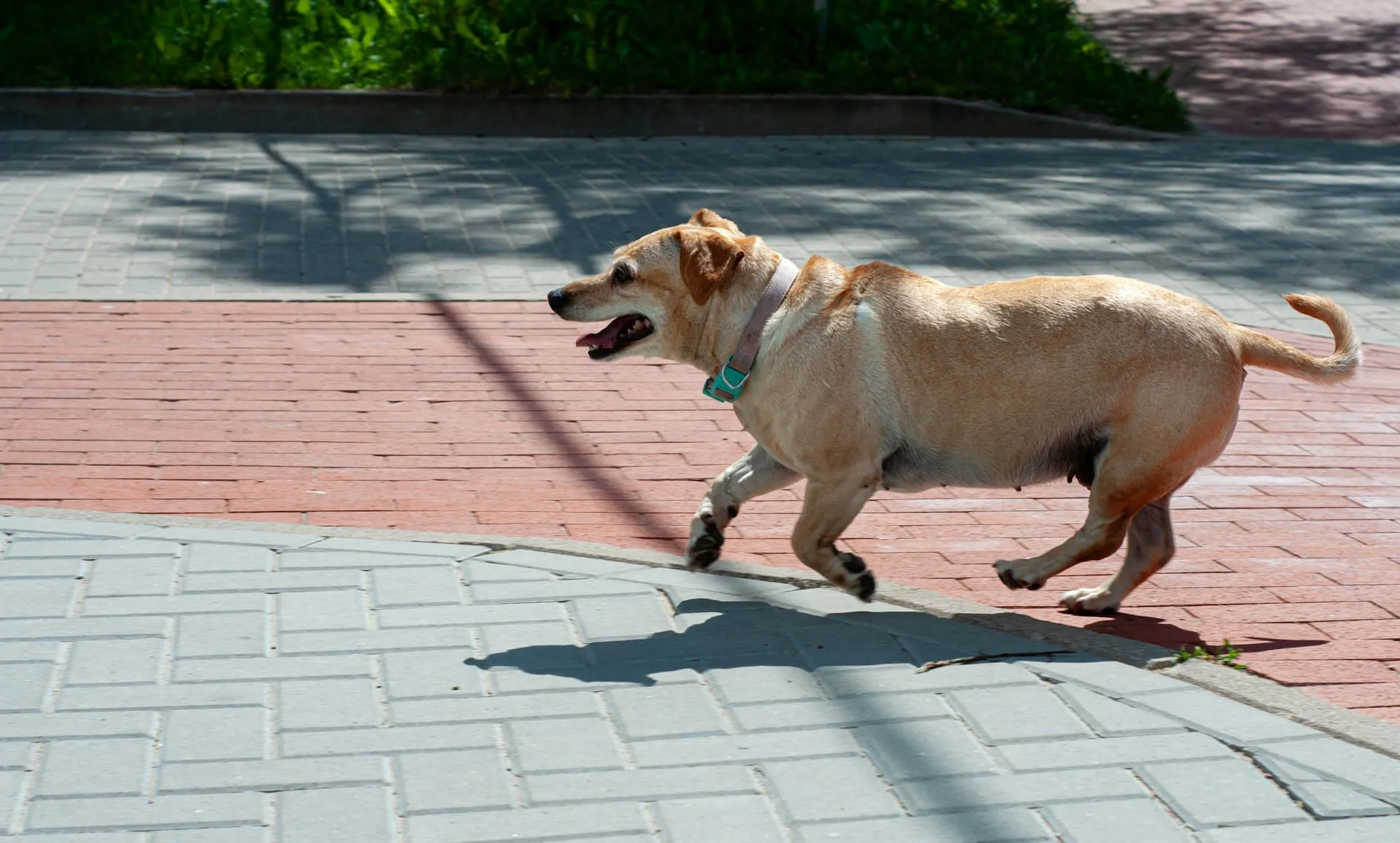
If your older dog has started taking the stairs one careful step at a time, or needs a minute to loosen up after a nap, you may be dealing with senior dog arthritis. It’s one of the most common conditions older dogs face, and watching your once-bouncy companion slow down is hard. The good news, and there’s real good news here, is that arthritis is manageable. With the right plan, most dogs keep their spark and stay comfortable for years.
This guide covers what arthritis actually is, how to spot it early when treatment works best, and the full range of ways to help, from vet-prescribed medications to simple changes around the house. None of it replaces your own veterinarian, who can examine your dog and build a plan for their specific joints and stage. Think of this as the map you bring to that conversation, so you know what to ask and what your options are. Caught early and managed well, arthritis is a condition your dog lives with, not one that has to steal their comfort.
Key Takeaways
- Arthritis is a progressive joint disease with no cure, but a multimodal plan keeps most dogs comfortable and mobile for years.
- Early signs are subtle: stiffness after rest, slowing on walks, and hesitation on stairs or before jumping.
- Weight control is the single most powerful thing you can do, since excess weight both worsens and speeds up joint damage.
- Never give your dog human pain relievers like ibuprofen or acetaminophen; they can be deadly, and only vet-prescribed medications are safe.
- Treatment works best when it combines several approaches: medication, weight and exercise, home changes, and joint support.
Table of Contents
- 1What Senior Dog Arthritis Is and Why It Happens
- 2Signs of Arthritis in Older Dogs
- 3Getting a Diagnosis From Your Vet
- 4Veterinary Treatments That Help
- 5Home Changes That Ease the Aches
- 6Weight and the Right Kind of Exercise
- 7Joint Supplements and Diet
- 8Quality of Life and the Harder Questions
- 9Frequently Asked Questions
What Senior Dog Arthritis Is and Why It Happens
Arthritis, or osteoarthritis, is a chronic, progressive joint disease where the cartilage that cushions a joint gradually wears away. Without that cushion, bone moves closer to bone, causing inflammation, stiffness, pain, and a joint that grows harder to use over time. It’s extremely common in older dogs, and there’s no cure, but it’s very manageable.
Few conditions are as common in older dogs. VCA reports that osteoarthritis affects at least 20% of dogs over a year old and around 80% of dogs over eight years old, so if your senior is stiff, they’re in a lot of company.
Age plays a role, but it’s rarely the whole story. Excess weight is a major driver, both because it loads the joints and because fat tissue itself produces inflammation. Old injuries, hip or elbow dysplasia, a torn cruciate ligament, and a dog’s basic build also contribute. That’s hopeful news, because you and your vet can influence several of those factors.
Why Senior Dog Arthritis Is Worth Catching Early
Here’s the part that matters most: there’s no cure, but you can control a lot. Cartilage doesn’t grow back, so the goal is to slow the damage, manage the pain, and protect the muscles that support the joint. Dogs whose arthritis is caught and managed before it gets severe tend to do far better and stay comfortable far longer, which is exactly why the subtle early signs under “Signs of Arthritis in Older Dogs” are worth taking seriously.
Signs of Arthritis in Older Dogs
Arthritis creeps in slowly, and dogs are stoic about pain, so the early signs are easy to write off as “just getting old.” Resist that instinct, because the earlier you notice, the more your vet can do. The tell is usually a change from your dog’s normal: a little slower, a little stiffer, a little less game for things they used to love.
Watch for these common signs, which range from early and subtle to more advanced:
- Stiffness after resting, or taking a while to loosen up first thing in the morning.
- Hesitating at stairs, or before jumping onto the couch or into the car.
- Slowing down on walks, lagging behind, or cutting them short.
- Trouble getting up from lying down, or difficulty settling comfortably.
- Lameness, limping, or a changed gait, and visibly swollen joints in advanced cases.
- Muscle loss over the legs or spine as the dog uses the sore limb less.
- Irritability, flinching when touched, or new reluctance to be handled.
You may not see all of these, and you may notice only one. A dog that starts snapping when you touch it near the hips, for instance, is often hurting rather than turning grumpy. If any of this sounds familiar, it’s worth a vet visit, and our guide to monitoring changes in a sick or aging pet at home can help you track what you’re seeing.
Getting a Diagnosis From Your Vet
Only a vet can confirm arthritis and rule out other conditions that mimic it, so a proper diagnosis is the first real step. The visit usually starts with a physical exam, where your vet watches how your dog moves, checks their posture and gait, and gently feels each joint for swelling, thickening, and pain.
From there, X-rays are the common next step. They show the bony changes, narrowed joint spaces, and spurs that mark arthritis, and they help rule out other problems that can cause similar limping. In trickier cases, a vet may suggest advanced imaging like CT or MRI, or referral to a specialist. The point of all this isn’t just a label; it’s a baseline your vet can build a treatment plan around and measure progress against.
Veterinary Treatments That Help
There’s no single fix for arthritis, and the best results come from combining several approaches at once, what vets call multimodal management. Your vet builds the plan around your dog’s stage, size, other health conditions, and how they respond, and it usually shifts over time. Here’s the range of what that plan can draw on.
Prescription Pain Relief
Non-steroidal anti-inflammatory drugs, or NSAIDs, are usually the first line for arthritis pain, and there are several made specifically for dogs, such as carprofen, meloxicam, and grapiprant. They reduce both pain and inflammation, and because they can affect the liver and kidneys over time, your vet will often run periodic bloodwork while your dog is on them. One rule matters more than any other here: never give your dog human pain relievers like ibuprofen, naproxen, or acetaminophen. They can be dangerous, even deadly, for dogs, and the medicine cabinet is never the place to start.
Beyond NSAIDs, vets often add other tools. Gabapentin and amantadine can layer on for chronic or harder-to-control pain. A newer option has changed the picture for a lot of dogs, too. Cornell’s Riney Canine Health Center points to a once-monthly injection called Librela (bedinvetmab), a monoclonal antibody that targets nerve growth factor, a specific driver of arthritis pain. For dogs who can’t tolerate NSAIDs, it can be a real relief.
Rehab, Injections, and Surgery
Medication is only part of the toolkit. Physical rehabilitation, including underwater treadmill work, therapeutic laser, range-of-motion exercises, and acupuncture, can ease pain and rebuild the muscle that stabilizes sore joints. Some vets offer joint injections such as platelet-rich plasma or stem cell therapy. And for severe cases with a fixable underlying cause, surgery like a hip replacement can be life-changing. Your vet can tell you which of these make sense for your dog.
Home Changes That Ease the Aches
Some of the most effective help costs almost nothing and happens at home. Small changes to your dog’s daily environment take pressure off sore joints and make ordinary movement safer, which protects both their comfort and their confidence.
A few changes that make a real difference:
- Lay runners or rugs over slippery floors so worn joints have something to grip, since slick tile and hardwood are a real hazard for a wobbly dog.
- Add ramps or pet stairs to favorite spots like the couch, the bed, or the car, so your dog stops jumping and jarring their joints.
- Give them a soft, supportive, orthopedic bed in a warm, draft-free spot, since cold and hard surfaces make stiff joints ache more.
- Keep food, water, and their bed on one floor so a stiff dog isn’t forced up and down stairs all day.
- Keep nails trimmed and paw fur tidy, because long nails and slippery paw hair throw off an already unsteady gait.
For a big dog who has trouble rising or needs help on stairs, our guide to safely lifting and moving a large dog shows how to help without hurting your dog or yourself, and there’s a growing world of mobility aids for senior dogs, from harnesses to slings, that can give a struggling dog back some independence.
Weight and the Right Kind of Exercise
If there’s one thing on this whole list worth obsessing over, it’s your dog’s weight. Every extra pound presses down on already-damaged joints, and body fat actively fuels the inflammation behind arthritis, so trimming excess weight can visibly ease your dog’s pain. If your dog is carrying extra, your vet is the best partner for a safe diet and a target weight, and the payoff shows up in how your dog moves.
Exercise still matters, but it has to be the right kind. The goal is gentle, regular, low-impact movement that keeps muscles strong and joints loose without pounding them. Think short, frequent leash walks rather than one long hike, and swimming, which is wonderful because it works the body with almost no joint load. Let your dog set the pace, watch for soreness the next day, and back off if a session leaves them stiff. Our guide to low-impact exercises for senior dogs has gentle routines that keep an arthritic dog moving without overdoing it.
Joint Supplements and Diet
Joint supplements, sometimes called nutraceuticals, are a common early and long-term part of the plan, and they’re generally safe to use long term. The American Kennel Club notes that glucosamine and chondroitin are common joint-supplement ingredients, along with green-lipped mussel, which supplies omega-3 fatty acids and other joint-supporting nutrients. Omega-3 fatty acids, from fish oil, are among the better-supported additions for calming joint inflammation.
A quick, honest note: the evidence behind supplements is mixed, and quality varies a lot between products, so they work best as one supporting piece rather than the whole plan. Ask your vet which products and doses they trust, since not all are created equal. Prescription joint-support diets, formulated to help manage weight and deliver those nutrients together, are another option worth asking about. Whatever you add, run it past your vet first to make sure it fits safely with any medications your dog is already taking.
Quality of Life and the Harder Questions
For most dogs, arthritis is a condition to be managed well for a long time, not a countdown. Still, it’s a progressive disease, and there may come a season when it’s harder to keep your dog comfortable, especially if other age-related conditions stack up alongside it. Thinking about that ahead of time isn’t morbid; it’s part of loving an older dog well.
A simple way to stay honest is to track the good days against the hard ones, watching whether your dog can still do the things that make them happy, eat well, rest without pain, and move enough to stay clean and content. When the balance starts to tip, and pain is winning despite everyone’s best efforts, that’s the moment to have a frank talk with your vet. If your dog is entering that stage, our guide to the signs a senior dog is nearing the end can help you read what you’re seeing, and the wider resources on navigating pet loss are here when you need them. For most dogs, though, senior dog arthritis is a manageable chapter, and a good plan buys many more comfortable, tail-wagging days.
Frequently Asked Questions
What are the first signs of arthritis in a senior dog?
The earliest signs are usually subtle changes from your dog’s normal routine rather than obvious limping. You might notice stiffness after a nap, slower loosening up first thing in the morning, or hesitation on the stairs and before jumping onto the couch or into the car. Many dogs slow down on walks, lag, or want to head home early. Because dogs are stoic and tend to hide pain, these small shifts are easy to blame on age, but they’re worth taking seriously, since arthritis responds best to early treatment. Other signs include trouble rising, a changed gait, muscle loss over the back legs, and sometimes irritability or flinching when you touch a sore joint. If you spot any of these in an older dog, book a vet visit rather than waiting for clear limping to appear.
Can arthritis in dogs be cured?
No, arthritis can’t be cured, because the cartilage that breaks down in the joint doesn’t grow back. That sounds bleak, but it isn’t the whole story, because arthritis is very manageable. The goal of treatment is to slow damage, control pain, and preserve the muscles that support the joint, and a well-built plan can keep most dogs comfortable and active for years. Success comes from combining approaches rather than relying on any single one: weight control, appropriate exercise, prescription pain relief, home modifications, and joint support all work together. The earlier arthritis is caught and managed, the better the long-term outcome tends to be. So while you can’t reverse it, you can change how much it affects your dog’s daily life and comfort.
What can I give my dog for arthritis pain?
Only give medications your veterinarian has prescribed for your specific dog, and never reach for human pain relievers. Drugs like ibuprofen, naproxen, and acetaminophen are dangerous and potentially deadly for dogs, even in small amounts. For arthritis pain, vets usually begin with prescription NSAIDs formulated for dogs (carprofen, meloxicam, or grapiprant among them) and may layer on something like gabapentin for chronic pain. A newer once-monthly injection called Librela can help dogs who can’t tolerate NSAIDs. Joint supplements with glucosamine, chondroitin, or omega-3 fatty acids are a common long-term addition, and they’re generally safe, though you should still clear them with your vet. The safest path is always a phone call to your veterinarian, who can match the right combination to your dog’s stage, size, and overall health rather than guessing at home.
Does my dog’s weight really affect their arthritis?
Yes, and more than almost anything else you can control. Every extra pound puts added force on joints that are already damaged and painful, so a heavier dog hurts more with each step. On top of that, body fat isn’t just passive weight; it produces inflammatory compounds that actively worsen and speed up arthritis-related joint damage. That double effect is why weight management is considered one of the most powerful tools in the whole treatment plan, and why many dogs move noticeably better after losing even a modest amount. If your dog is overweight, your vet can help you set a safe target and a realistic diet and exercise plan to get there. It’s one of the few parts of arthritis care where your daily choices make a direct, visible difference in your dog’s comfort.
What kind of exercise is best for a dog with arthritis?
Gentle, regular, low-impact movement is the sweet spot, because it keeps muscles strong and joints mobile without the pounding that aggravates sore joints. Short, frequent leash walks usually beat one long, ambitious outing, since they keep your dog limber without wearing them out or leaving them stiff the next day. Swimming is one of the best options, because the water supports your dog’s weight and lets them move with almost no load on the joints. Let your dog set the pace, and pay attention to how they feel a day later, since soreness after exercise can mean you pushed a little too hard. Avoid high-impact activities like jumping, hard running, and quick twists and turns. When in doubt, your vet or a canine rehabilitation specialist can design a routine matched to your dog’s specific joints and fitness.
On this topic