







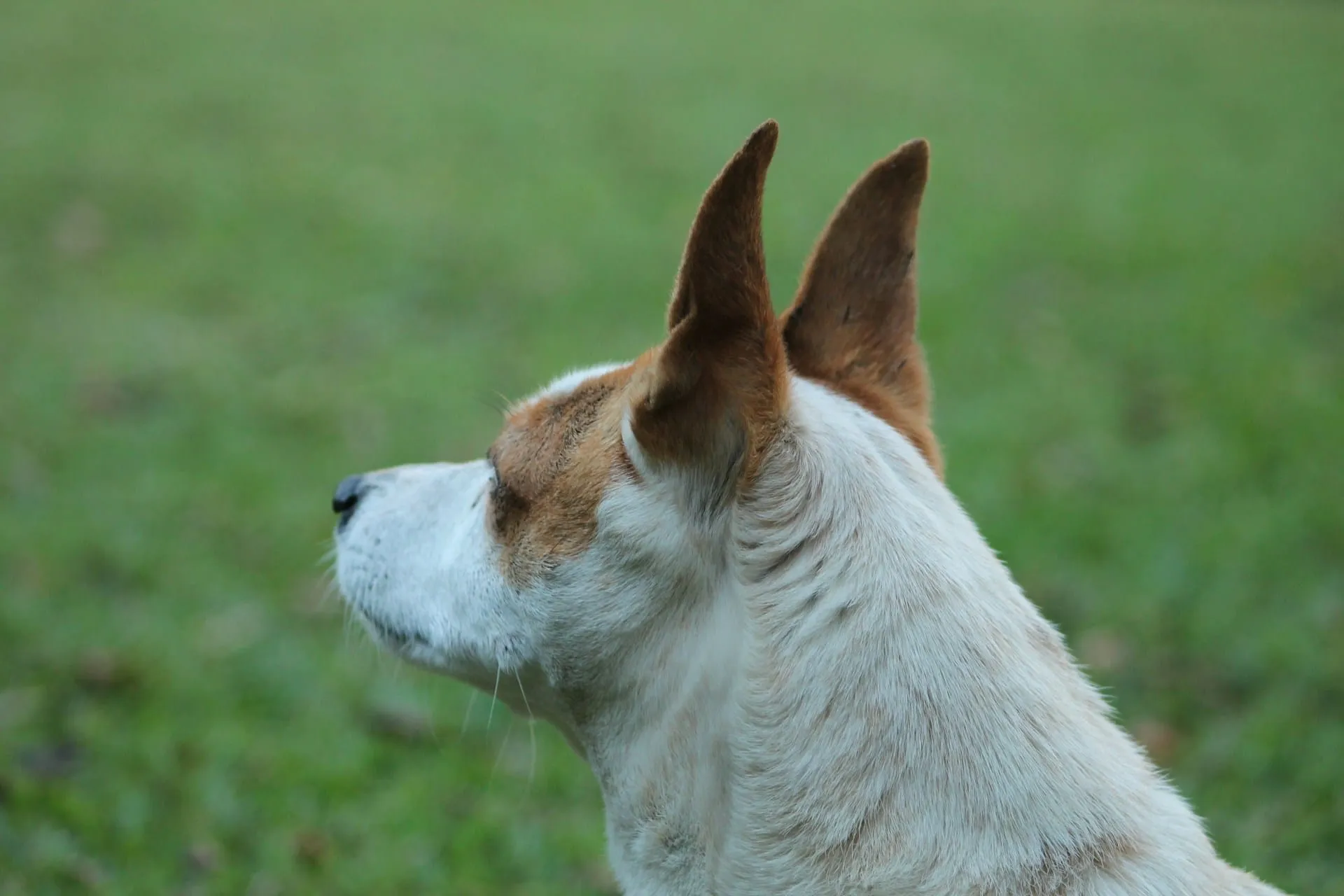
Hearing loss in senior pets is one of the most common age-related changes that dog and cat owners encounter. If you’ve noticed your pet not responding to their name, sleeping more deeply, or seeming confused by familiar sounds, you’re likely witnessing the gradual progression of age-related hearing loss. This condition affects countless senior pets, and while it can feel overwhelming to navigate, proven strategies can help both you and your companion adjust successfully.
At Love, Baxter, we understand how challenging it can be to watch your pet experience any decline in their abilities. Hearing loss doesn’t mean the end of quality time together or meaningful communication. It simply means adapting your approach. The bond you share with your pet remains just as strong; you’ll learn new ways to express it and connect with them as their needs change.
In this comprehensive guide, we’re sharing evidence-based strategies for supporting pets with hearing loss, from recognizing the early warning signs to adapting your communication methods and creating a safer home environment. Whether your senior pet is just beginning to show signs of hearing impairment or has been navigating deafness for some time, these practical techniques will help you both maintain confidence and joy in your daily life together.
Table of Contents
- 1Recognizing Hearing Loss in Aging Pets
- 2Understanding How Hearing Loss Affects Daily Life
- 3Effective Communication Strategies for Deaf Pets
- 4Home Modifications for Hearing-Impaired Senior Pets
- 5Maintaining Quality of Life and Strengthening Your Bond
- 6When to Consult Your Veterinarian About Hearing Loss
- 7Supporting Your Senior Pet Through Hearing Loss
- 8Frequently Asked Questions About Hearing Loss in Senior Pets
Recognizing Hearing Loss in Aging Pets
Age-related hearing loss, medically known as presbycusis, typically begins gradually in many senior pets, typically around 7-9 years of age, depending on breed and individual health factors. Similar to humans, the delicate structures of the inner ear naturally deteriorate over time, affecting your pet’s ability to detect sounds, particularly higher-frequency noises that often disappear first.
The progression is usually slow and subtle, which is why many pet parents don’t immediately recognize the changes. Your pet has likely been compensating for months by relying more heavily on their other senses, especially sight and smell, to navigate their world. This natural adaptability can mask the problem initially, but paying attention to specific behavioral changes can help you identify hearing loss early and begin making helpful adjustments sooner.
Common Signs Your Senior Pet Is Losing Their Hearing
Recognizing hearing loss in senior pets early allows you to adapt your communication and care strategies before confusion or anxiety develops. Here are the most reliable indicators to watch for:
- Failure to respond to their name when called, even from nearby distances or in quiet environments where distractions are minimal
- Sleeping more deeply than usual and showing startled or disoriented reactions when touched while resting
- Not reacting to familiar household sounds like the doorbell, treat bags rustling, the can opener, or the jingle of a leash that previously caused excitement
- Increased vocalization at louder volumes, including excessive barking or meowing without any apparent reason or trigger
- Following family members more closely throughout the house or displaying anxiety when humans are out of sight
- Disorientation or confusion in familiar environments that they’ve navigated successfully for years
- Loss of response to previously learned commands that they consistently followed before
- Excessive head shaking, ear scratching, or head tilting, which could indicate ear infections or other medical issues, rather than just age-related hearing loss
If you observe several of these signs appearing together, schedule a veterinary examination. While age-related hearing loss in senior pets is irreversible, your veterinarian can rule out treatable conditions like ear infections, wax buildup, tumors, or other medical issues that might be affecting your pet’s hearing. Some causes of temporary hearing loss can be successfully treated, making professional evaluation worthwhile.
How Hearing Loss Progresses in Senior Dogs and Cats
Understanding that hearing loss in senior pets typically progresses gradually over time helps set realistic expectations. Most pets first lose the ability to hear high-frequency sounds, which explains why they might still respond to deeper voices or lower-pitched noises while completely missing higher-toned calls, whistles, or squeaky toys.
As the condition advances over months or years, your pet may lose additional portions of their hearing range until they experience profound deafness. Throughout this progression, your pet’s personality, capacity for joy, and love for their family remain unchanged. They’re simply experiencing the world through different sensory channels than before.
Understanding How Hearing Loss Affects Daily Life
Hearing loss in senior pets requires household adjustments, but it doesn’t diminish your pet’s quality of life when properly managed. Many pets adapt remarkably well to hearing loss, particularly when their family members make thoughtful modifications to communication and environment.
Emotional and Behavioral Changes in Deaf Senior Pets
Your pet may display emotional and behavioral shifts as they adapt to reduced hearing. Many pets develop stronger attachment behaviors, preferring to keep family members in their line of sight because they can no longer hear their humans. Some pets increase their vocalization, potentially because they can’t hear themselves or because they’re trying to locate family members through sound.
Additional common changes include heightened startle responses when approached from behind or during sleep, since pets can’t hear approaching footsteps. Many pets show hesitation in unfamiliar environments where they can’t rely on auditory cues for orientation. Social interactions with other pets or people may change as deaf pets miss auditory warning signals they previously heard. What appears to be stubbornness or selective listening is typically your pet genuinely not hearing commands at all.
These behavioral changes represent natural responses to navigating a quieter world rather than personality problems or defiance. Understanding this distinction helps pet parents approach the situation with appropriate patience and develop effective adaptation strategies.
Safety Considerations for Pets With Hearing Loss
Hearing loss creates legitimate safety concerns that require proactive management. Deaf senior pets cannot hear approaching vehicles, other animals, or environmental dangers, which significantly increases risks during outdoor time. They also cannot hear verbal warnings about hazards in their surroundings.
Essential safety measures include keeping your pet leashed during all outdoor activities, even in previously safe areas. Use a harness with identification tags that clearly state “I am deaf” alongside your contact information. This can prove crucial if your pet becomes separated from you. Exercise extra caution when walking at dawn, dusk, or near traffic, as your pet won’t hear approaching vehicles. Supervise interactions with other pets more closely, since deaf animals can’t hear warning growls, barks, or other auditory signals. When waking your pet, use gentle touches on their back or shoulder rather than sudden contact, which could trigger startled, defensive reactions.
These precautions protect your pet while still allowing them to enjoy outdoor activities, exploration, and quality time with family members.
Effective Communication Strategies for Deaf Pets
Adapting your communication approach is the cornerstone of successfully living with a hearing-impaired senior pet. Visual and tactile communication methods can be highly effective, allowing you to maintain clear, consistent interaction with your companion.
Transitioning to Visual Cues and Hand Signals
Visual communication becomes the primary language with deaf or hearing-impaired senior pets. Most pets learn hand signals quickly, particularly when these signals are paired with verbal commands they already understand or can still partially hear.
Begin by introducing hand signals alongside existing verbal commands to create a transitional bridge. Effective hand signals include a palm facing upward moving up for “sit,” an open palm held up like a stop sign for “stay,” a sweeping motion toward your body for “come,” a palm facing downward moving toward the floor for “down,” and a thumbs up gesture for praise and “good job.”
Consistency is critical for success with hand signal training. All household members must use identical signals for each command to prevent confusion. Creating a reference chart for family members ensures everyone communicates the same way. Hand signals should be large, clear, and exaggerated, especially during initial training. Use movements easily visible from a distance or in peripheral vision. Always pair signals with enthusiastic facial expressions: smiles and animated expressions communicate approval and encouragement effectively.
Using Vibrations and Physical Touch to Connect
Deaf senior pets rely heavily on their remaining senses, making vibrations valuable communication tools. Gentle floor stomping can alert a pet to your presence when they’re facing away, as the vibration travels through the floor and prompts them to turn around.
Additional tactile communication methods include vibration-only collars (never shock collars) that can be activated remotely to get attention before giving a visual signal. Some pet owners use flashlights or laser pointers to catch their pet’s eye, then immediately deliver a hand signal once attention is secured. Gentle, predictable touches initiate interaction without causing startled responses.
Physical contact becomes increasingly essential for maintaining a connection with hearing-impaired pets. Regular petting, scratches, and gentle touch provide reassurance and comfort that voice-based reassurance previously offered. Consistent physical affection helps deaf pets feel secure and connected to their family.
Creating Predictable Daily Routines and Patterns
Routine and predictability are essential for pets with hearing loss. Establishing consistent patterns for wake times, meals, walks, play sessions, and bedtime helps pets understand their day without relying on auditory announcements.
Develop visual routines using specific gestures to signal particular activities. Examples include pointing to the door while putting on shoes to indicate walk time, tapping the food bowl before filling it for meals, and patting a couch cushion to invite the pet up. These consistent visual cues become reliable communication that pets quickly learn to recognize.
Predictable schedules help pets anticipate upcoming events, reducing anxiety and confusion. Being visible before approaching prevents startled reactions. Using a specific, gentle wake-up touch helps pets distinguish intentional waking from accidental contact.
Consistency in signals and routines directly correlates with your pet’s confidence and security levels.
Home Modifications for Hearing-Impaired Senior Pets
Creating a safe, navigable environment for deaf senior pets requires thoughtful adjustments rather than major renovations. Strategic modifications help pets move confidently through their space.
Essential Safety Adjustments Throughout Your Home
Simple environmental changes significantly improve safety for hearing-impaired pets. Installing baby gates or barriers to block stairs or hazardous areas prevents access to dangers you can’t verbally warn about. Adding night lights throughout the house enables confident navigation after dark and during nighttime hours. Removing or securing loose rugs eliminates tripping hazards and prevents falls.
Maintaining completely clear floor pathways prevents collisions with unexpected obstacles. Closing off rooms with specific hazards, such as open windows, balconies, or dangerous stairs, provides necessary boundaries. Focus particularly on areas where your pet spends the most time, ensuring these high-traffic zones are especially safe and accessible.
For pets with outdoor access, verify that fencing is secure and inspect it regularly. Deaf pets cannot hear recall commands if they find gaps and wander off, making physical barriers the primary containment method.
Optimizing Lighting and Visual Navigation Aids
Since deaf senior pets depend heavily on vision, adequate lighting is crucial for confidence and safety. Night lights in frequently used rooms and a small lamp left on overnight in main areas enable clear visibility during nighttime movement.
Visual markers further assist navigation. Colored tape on glass doors or large windows prevents collisions with transparent surfaces. Distinctly colored mats under food and water bowls clearly mark these crucial locations and help find them in low light. Reflective tape on stair edges enhances visibility and reduces the risk of falls. Consistent furniture arrangements mean pets always know the layout and won’t encounter objects that have been unexpectedly moved.
These visual aids substantially improve a pet’s ability to move independently and confidently through their environment.
Maintaining Quality of Life and Strengthening Your Bond
Hearing loss doesn’t diminish your bond with your senior pet or their capacity for enjoying life. With appropriate adaptations, deaf pets continue to experience joy, engagement, and meaningful connection with their families.
Continuing Enrichment and Play Activities
Deaf senior pets can fully engage in activities that bring them happiness. Play, treats, walks, physical affection, and companionship remain accessible. These activities can be modified to rely on visual and tactile engagement rather than auditory cues.
Adapt favorite activities thoughtfully by using brightly colored toys that are easily tracked visually against various backgrounds for fetch games. Structure play sessions around visual interaction and touch rather than sound-producing toys. Provide exploration time in safe, enclosed spaces where pets can engage their sense of smell and investigate freely. Increase physical affection and cuddle time to provide comfort previously delivered through verbal reassurance. Offer interactive puzzle toys that engage problem-solving skills and mental stimulation.
The goal is to adapt activities to emphasize remaining senses while still providing engagement and enrichment. Deaf senior pets want to participate in life. They need family members to facilitate participation through appropriate modifications.
Building Trust Through Consistent Communication
Developing new communication methods creates opportunities for connection based on mutual understanding and patience. Successfully teaching and using hand signals requires focused attention from both the pet and the owner, often resulting in stronger engagement than with previous verbal-only communication.
Training sessions with deaf pets emphasize visual attention and body language reading. These interactions require full presence from both parties, which can deepen the connection. Eye contact naturally increases as pets learn to watch for visual cues and read human body language more carefully.
Celebrate every success enthusiastically. When your pet masters new signals or successfully navigates challenging situations, provide immediate physical affection, treats, and exaggerated happy facial expressions. While pets can’t hear verbal praise, they clearly understand approval communicated through body language and rewards.
When to Consult Your Veterinarian About Hearing Loss
While age-related hearing loss in senior pets is a natural part of aging for many animals, veterinary evaluation of any hearing changes is essential. Some hearing loss causes are treatable and reversible, and a professional assessment ensures you’re not overlooking underlying conditions requiring medical attention.
Treatable causes of hearing loss include ear infections or chronic inflammation, excessive earwax blocking the ear canal, foreign objects or debris lodged in the ear, certain medications that temporarily affect hearing, and tumors or growths affecting ear structures. A veterinary examination can determine whether your pet’s hearing loss is due to normal aging or to a condition requiring treatment.
During veterinary visits, your vet examines the ear canals, checks for signs of infection or inflammation, assesses for structural abnormalities, and provides guidance specific to your pet’s breed, health status, and individual needs. Some breeds are genetically predisposed to hearing loss, and your veterinarian can explain what to expect based on breed-specific factors.
Seek prompt veterinary consultation if your deaf senior pet develops signs of pain or discomfort, such as head shaking, ear pawing, or sensitivity to ear touching. Increased anxiety, distress, or personality changes exceeding what hearing loss alone would explain warrant evaluation. Cognitive changes, confusion, or navigation difficulties more significant than hearing loss would cause may indicate other age-related conditions requiring attention and treatment. Frequent disorientation even in familiar spaces should also be professionally assessed.
Your veterinarian is your partner in maintaining your senior pet’s overall health and quality of life throughout their aging.
Supporting Your Senior Pet Through Hearing Loss
Navigating hearing loss with your senior pet requires adaptation, patience, and creative problem-solving, but it doesn’t diminish the love and joy you share. Learning new communication methods and implementing safety modifications allows you to continue providing excellent care while maintaining your pet’s quality of life and independence.
At Love, Baxter, we believe every stage of your pet’s life deserves compassionate, informed care. Hearing loss is simply one chapter in your journey together, a chapter that can be successfully managed with the proper knowledge and approach. Your deaf senior pet remains the same loving companion they’ve always been, with the same capacity for happiness, the same personality, and the same deep bond with you.
The adjustments you make demonstrate your commitment to your pet’s wellbeing throughout their entire life. Whether you’re just beginning to notice hearing changes or have been adapting to your pet’s deafness for some time, remember that your attentive care, consistent communication, and patient approach make all the difference in their daily experience.
We’re here to support you through every stage of your pet’s life, including the senior years that bring unique challenges and precious moments. Your dedication to learning, adapting, and providing excellent care speaks volumes about the depth of your bond.
Frequently Asked Questions About Hearing Loss in Senior Pets
How can I recognize hearing loss in my senior pet, and what signs should I watch for?
Age-related hearing loss, medically known as presbycusis, typically begins gradually in many senior pets around 7-9 years of age, depending on breed and individual health factors, with the delicate structures of the inner ear naturally deteriorating over time and affecting your pet’s ability to detect sounds, particularly higher-frequency noises that often disappear first. The progression is usually slow and subtle, which is why many pet parents don’t immediately recognize the changes since your pet has likely been compensating for months by relying more heavily on their other senses, especially sight and smell, to navigate their world. Common signs your senior pet is losing their hearing include failure to respond to their name when called even from nearby distances, sleeping more deeply than usual and showing startled or disoriented reactions when touched while resting, not reacting to familiar household sounds like the doorbell or treat bags rustling, increased vocalization at louder volumes including excessive barking or meowing without apparent reason, following family members more closely throughout the house or displaying anxiety when humans are out of sight, disorientation or confusion in familiar environments, loss of response to previously learned commands, and excessive head shaking, ear scratching, or head tilting which could indicate ear infections or other medical issues. If you observe several of these signs appearing together, schedule a veterinary examination, since while age-related hearing loss is irreversible, your veterinarian can rule out treatable conditions like ear infections, wax buildup, tumors, or other medical issues that might be affecting your pet’s hearing, with some causes of temporary hearing loss being successfully treatable, making professional evaluation worthwhile.
What communication strategies work best for deaf or hearing-impaired senior pets?
Visual communication becomes the primary language with deaf or hearing-impaired senior pets, with most pets learning hand signals quickly, particularly when these signals are paired with verbal commands they already understand or can still partially hear. Begin by introducing hand signals alongside existing verbal commands to create a transitional bridge, using effective hand signals including a palm facing upward moving up for “sit,” an open palm held up like a stop sign for “stay,” a sweeping motion toward your body for “come,” a palm facing downward moving toward the floor for “down,” and a thumbs up gesture for praise and “good job.” Consistency is critical for success with hand signal training since all household members must use identical signals for each command to prevent confusion, creating reference charts for family members to ensure everyone communicates the same way, making hand signals large, clear, and exaggerated especially during initial training with movements easily visible from a distance or in peripheral vision, and always pairing signals with enthusiastic facial expressions since smiles and animated expressions communicate approval and encouragement effectively. Deaf senior pets rely heavily on their remaining senses, making vibrations valuable communication tools through gentle floor stomping that can alert a pet to your presence when they’re facing away, vibration-only collars that can be activated remotely to get attention before giving visual signals, flashlights or laser pointers to catch their pet’s eye then immediately deliver hand signals once attention is secured, and gentle, predictable touches to initiate interaction without causing startled responses, with physical contact becoming increasingly essential for maintaining connection and providing reassurance and comfort that voice-based reassurance previously offered.
What home modifications and safety measures should I implement for my hearing-impaired senior pet?
Creating a safe, navigable environment for deaf senior pets requires thoughtful adjustments with simple environmental changes significantly improving safety, including installing baby gates or barriers to block stairs or hazardous areas preventing access to dangers you can’t verbally warn about, adding night lights throughout the house enabling confident navigation after dark and during nighttime hours, removing or securing loose rugs to eliminate tripping hazards, maintaining completely clear floor pathways to prevent collisions with unexpected obstacles, and closing off rooms with specific hazards such as open windows, balconies, or dangerous stairs. Hearing loss creates legitimate safety concerns requiring proactive management since deaf senior pets cannot hear approaching vehicles, other animals, or environmental dangers, which significantly increases risks during outdoor time, making essential safety measures include keeping your pet leashed during all outdoor activities even in previously safe areas, using harnesses with identification tags that clearly state “I am deaf” alongside your contact information which can prove crucial if your pet becomes separated, exercising extra caution when walking at dawn, dusk, or near traffic since your pet won’t hear approaching vehicles, supervising interactions with other pets more closely since deaf animals can’t hear warning growls or barks, and when waking your pet using gentle touches on their back or shoulder rather than sudden contact which could trigger startled defensive reactions. Optimize lighting and visual navigation aids since deaf senior pets depend heavily on vision, using night lights in frequently used rooms, colored tape on glass doors or large windows to prevent collisions with transparent surfaces, distinctly colored mats under food and water bowls to clearly mark these crucial locations, reflective tape on stair edges to enhance visibility, and consistent furniture arrangements so pets always know the layout and won’t encounter objects that have been unexpectedly moved.
How can I maintain my deaf senior pet’s quality of life and strengthen our bond despite hearing loss?
Hearing loss doesn’t diminish your bond with your senior pet or their capacity for enjoying life, with appropriate adaptations allowing deaf pets to continue experiencing joy, engagement, and meaningful connection with their families through play, treats, walks, physical affection, and companionship that remain accessible when modified to rely on visual and tactile engagement rather than auditory cues. Adapt favorite activities thoughtfully by using brightly colored toys that are easily tracked visually for fetch games, structuring play sessions around visual interaction and touch rather than sound-producing toys, providing exploration time in safe enclosed spaces where pets can engage their sense of smell, increasing physical affection and cuddle time to provide comfort previously delivered through verbal reassurance, and offering interactive puzzle toys that engage problem-solving skills and mental stimulation. Develop predictable daily routines and patterns since routine and predictability are essential for pets with hearing loss, establishing consistent patterns for wake times, meals, walks, play sessions, and bedtime to help pets understand their day without relying on auditory announcements, developing visual routines using specific gestures to signal particular activities like pointing to the door while putting on shoes to indicate walk time or tapping the food bowl before filling it for meals. Successfully teaching and using hand signals requires focused attention from both the pet and owner, often resulting in stronger engagement than with previous verbal-only communication, with training sessions emphasizing visual attention and body language reading requiring full presence from both parties which can deepen the connection, while celebrating every success enthusiastically through immediate physical affection, treats, and exaggerated happy facial expressions since while pets can’t hear verbal praise, they clearly understand approval communicated through body language and rewards.
On this topic