







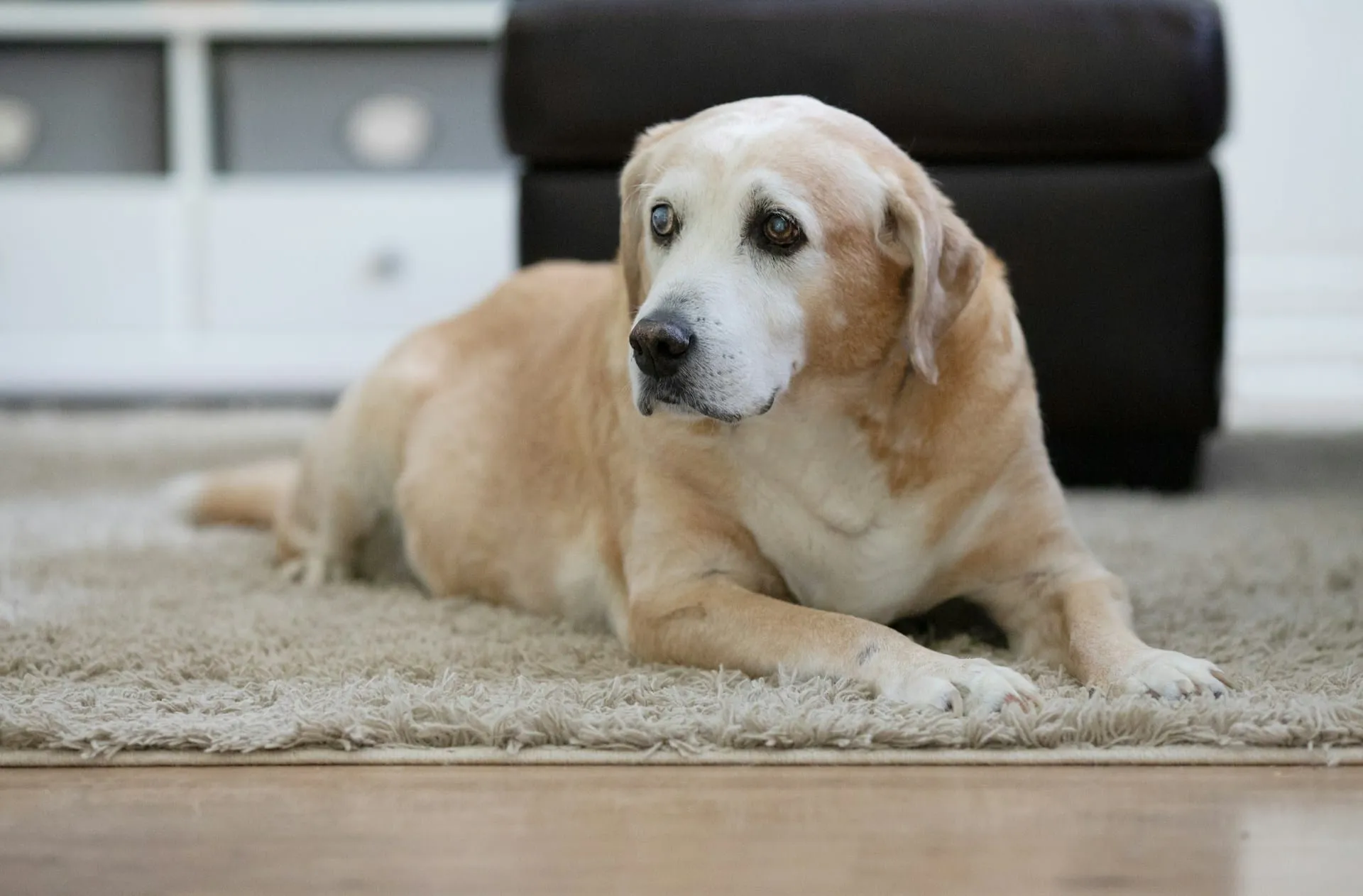
There’s something deeply special about watching a pet grow old with you: the white hairs appearing around their muzzle, the slight slowing of their once boundless energy, the more profound wisdom in those loving eyes. As our pets age, they need more from us regarding veterinary care, attention, and how we structure their environment. Your home, which has been their castle for years, may now present unexpected challenges for aging joints, dimming vision, or confused moments.
Many pet parents notice the subtle signs of aging: the hesitation before stairs, the occasional confusion about which door leads outside, and the struggles with slippery floors that were once no obstacle at all. These moments aren’t just physical challenges; they’re emotional ones for us as pet parents, too. We desperately want to make their golden years comfortable, dignified, and joyful.
That’s precisely why we’ve created this guide to senior pet home modifications. Senior pets deserve our best efforts to help them navigate this stage of life with dignity. With some thoughtful adjustments to your home, you can create an environment where your aging companion can continue to thrive despite the natural changes that come with aging. Let’s walk through these modifications together, from minor tweaks to more significant adjustments – all designed to keep your beloved companion safe, comfortable, and happy as they navigate this precious stage of life.
Table of Contents
- 1Understanding Your Senior Pet’s Changing Needs
- 2Flooring Modifications for Senior Pets
- 3Accessibility Solutions for Senior Pets
- 4Creating Comfort Zones for Senior Pets
- 5Mealtime Modifications for Senior Pets
- 6Hydration Solutions for Senior Pets
- 7Lighting and Navigation for Senior Pets
- 8Safety Modifications for Senior Pets
- 9Emotional Considerations for Senior Pets
- 10Conclusion: Creating a Senior Pet-Friendly Home
- 11Frequently Asked Questions About Senior Pet Home Modifications
Understanding Your Senior Pet’s Changing Needs
Before discussing specific home modifications for senior pets, it’s essential to recognize how aging affects them and why environmental changes matter so much in their senior years.
Physical Changes in Senior Pets
As pets age, they commonly experience various physical changes that directly impact how they interact with their environment. Joint stiffness and arthritis affect about 80% of dogs over the age of eight, making movements like climbing stairs, jumping onto furniture, or even walking on slippery surfaces increasingly complex. Vision and hearing loss progress gradually, often going unnoticed until your pet starts bumping into furniture or seeming startled when approached.
Weight distribution changes, too. Many senior pets gain weight due to decreased activity, while others lose muscle mass, affecting their balance and stability. Their skin becomes thinner, making comfortable resting places more important than ever.
Veterinary research consistently shows that proactive home modifications can prevent injuries and significantly improve the quality of life for senior pets. The small changes we make in their environment can have an outsized impact on their daily comfort and mobility.
Cognitive Changes to Consider
It’s not just physical changes that affect our aging companions. Many senior pets experience cognitive decline similar to dementia in humans – a condition veterinarians call Cognitive Dysfunction Syndrome (CDS). Signs include confusion, disorientation, changes in sleep patterns, and sometimes anxiety or restlessness at night.
Your once perfectly house-trained pet might have accidents, not out of disobedience, but because they’re confused about where they are or can’t make it to their designated potty area in time. These moments can be heartbreaking for us as pet parents, but with the proper environmental adjustments, we can help them navigate these changes with dignity.
Flooring Modifications for Senior Pets
One of the most important modifications you can make for a senior pet involves your home’s flooring. What once was perfectly fine for your sprightly young companion can become treacherous territory for aging paws and stiff joints.
Addressing Slippery Surfaces
Hardwood, tile, and laminate floors might be stylish and easy to clean, but they’re incredibly challenging for senior pets to navigate. Slipping and sliding don’t just make movement difficult – they can cause falls, exacerbate joint pain, and create anxiety about moving around at all. Many senior pet owners find that flooring modifications make the most immediate and significant improvement in their pet’s mobility and confidence.
Here are some practical solutions for senior pet flooring:
- Area rugs with non-slip backing provide secure pathways through slippery rooms. Place them strategically to create “highways” between important locations like your pet’s bed, food area, and outdoor access.
- Carpet runners work wonderfully in hallways and along frequently traveled routes for senior pets with mobility issues.
- Non-slip booties or paw grips can help when full floor coverage isn’t possible, though not all senior pets tolerate wearing them.
- Yoga mats offer an inexpensive, temporary solution in smaller areas or when traveling with your aging companion.
Creating these secure pathways immediately improves a senior pet’s confidence and willingness to move around the home. Many pet parents report seeing their senior companions return to familiar behaviors once they no longer have to worry about slipping and sliding on hard surfaces.
Managing Transitions Between Flooring Types
Pay special attention to where different flooring materials meet. These transition areas can create unexpected obstacles for senior pets, particularly those with vision problems. A slight lip between carpet and tile or a sudden change in texture can cause tripping or hesitation.
Consider installing gradual ramps or using special transition strips designed to create smooth passages between different flooring types. These small adjustments can prevent falls and help your pet navigate your home more confidently.
Accessibility Solutions for Senior Pets
As pets age, places they once easily accessed – like their favorite couch, your bed, or even getting outside – can become challenging or impossible to reach without assistance. Creating accessible paths and entry points throughout your home is essential for maintaining your senior pet’s quality of life and independence.
Ramps and Steps for Furniture and Beds
If your pet has always slept with you or has a favorite perch on the couch, watching them struggle to reach these comfort spots is heartbreaking. Fortunately, there are several practical solutions to help your senior pet access their favorite places without pain or risk of injury.
Consider these furniture accessibility options for your senior pet:
- Pet steps or stairs come in various heights and designs to help pets reach beds and furniture. Look for options with gentle inclines, non-slip surfaces, and sturdy construction.
- Ramps work better for some senior pets, especially those with more severe mobility issues. A gradual slope is easier on arthritic joints than steps.
- Custom-built solutions may be worth considering for permanent installations if you’re handy. These can be designed specifically for your senior pet’s size and abilities.
Meredith, whose 13-year-old Pomeranian named Rusty struggled with progressive arthritis, shared: “The day I installed a ramp to our bed was transformative. Rusty went from whimpering at bedtime to confidently joining us again, just like he had for years. It was such a simple change that gave him back his dignity.”
Door Considerations and Outdoor Access
Getting outside for bathroom breaks and short walks becomes increasingly important, and potentially challenging, for senior pets. Modifying entry and exit points can significantly improve your aging pet’s comfort and independence.
Consider these modifications for improving outdoor access for senior pets:
- Doggy doors might need to be adjusted to have lower thresholds for easier passage.
- Bell systems at pet height can help your senior pet signal when they need to go out, critical if urgency is an issue.
- Gentle threshold ramps for doorways with steps help aging pets navigate entries and exits without painful jarring of sensitive joints.
Carlos installed a small ramp over the single step into his backyard when his 12-year-old Bulldog Maya started showing signs of arthritis. “The difference was immediate,” he says. “She went from hesitating and sometimes even crying at the door to confidently going in and out on her own schedule again.”
Creating Comfort Zones for Senior Pets
As pets age, having designated comfort areas becomes increasingly important to their wellbeing. These spaces provide security, pain relief, and the ability to remain part of family activities despite mobility challenges.
Optimal Bed Selection for Aging Bodies
A proper bed is perhaps the most important comfort investment for a senior pet. They spend more time resting, and the proper support can significantly impact joint pain and overall comfort. Selecting the right bed can dramatically improve your senior pet’s quality of life and help prevent additional health complications.
Consider these features when selecting beds for your senior pet:
- Orthopedic beds with memory foam provide crucial support for aging joints and prevent pressure sores that can develop when pets lie in one position for extended periods.
- Heated beds or heating pads (designed specifically for pets) can offer tremendous relief for arthritic pain, especially in colder months.
- Beds with bolsters provide head support and a sense of security for pets who may be experiencing some anxiety with aging.
- Waterproof covers become important as incontinence might become an issue, making cleanup easier and preventing your pet from having to rest in dampness.
Place these beds in multiple locations around your home so your senior pet can remain part of family activities without having to travel far for comfort. A bed in the living room, bedroom, and perhaps near the kitchen allows your pet to be with you throughout the day without taxing their mobility.
Temperature and Draft Considerations
Senior pets often have a harder time regulating their body temperature and may become more sensitive to environmental conditions. Making adjustments to ensure consistent comfort can significantly improve your aging pet’s wellbeing.
Consider these temperature management strategies for senior pets:
- Check for and eliminate drafts near your pet’s favorite resting areas.
- Provide warming options like pet-safe heating discs or self-warming beds.
- Create shade options in outdoor areas your pet enjoys, as older pets can overheat more quickly.
- Consider clothing like sweaters for thin-coated seniors during colder months.
Veterinary experts consistently emphasize that older pets have more difficulty regulating their body temperature. Making simple adjustments to eliminate drafts and provide warming options can dramatically improve their comfort, especially for breeds with thinner coats.
Mealtime Modifications for Senior Pets
Nutritional intake becomes increasingly important for senior pets, yet physical changes can make eating and drinking more challenging. Some thoughtful adjustments to your pet’s dining area can make a significant difference in maintaining proper nutrition and hydration.
Elevated Feeding Stations and Specialized Dishes
As pets age, bending down to eat or drink from bowls on the floor can become uncomfortable or even painful, particularly for larger breeds or those with neck issues. Modifying your pet’s eating arrangement can improve comfort and encourage better nutrition.
Consider these feeding station modifications for your senior pet:
- Elevated feeding stations position food and water at a more comfortable height, reducing strain on the neck and joints. The optimal height allows your pet to eat without lowering their head or stretching upward.
- Non-slip mats under dishes prevent sliding and frustration during mealtime.
- Dishes with higher sides can help pets who have developed a messier eating style due to decreased motor control.
- Wider, shallower water bowls make drinking easier for pets with arthritis or mobility issues.
Jasmine, whose 15-year-old cat Mittens struggled with arthritis, noticed: “When I switched to a slightly elevated dish with a wider base, Mittens completely changed her eating habits – she began finishing her meals again after months of picking disinterestedly at her food. Such a small change made a huge difference.”
Hydration Solutions for Senior Pets
Proper hydration becomes even more critical for senior pets, particularly those with kidney issues, yet many drink less as they age due to decreased thirst sensation or difficulty accessing water. Implementing strategies to encourage hydration can help prevent serious health complications.
Try these approaches to improve hydration in your senior pet:
- Multiple water stations throughout your home ensure water is always easily accessible.
- Pet fountains can entice some seniors to drink more regularly.
- Water additives designed to increase palatability might help encourage better hydration.
- Wet food incorporation into the diet provides additional moisture.
Lighting and Navigation for Senior Pets
As vision changes occur, proper lighting and navigation cues become surprisingly important for senior pets’ confidence and safety. Making adjustments to how your pet navigates your home can prevent accidents and reduce anxiety.
Improved Lighting for Aging Eyes
Vision changes in senior pets can range from slight decreases in night vision to more significant impairments like cataracts or retinal degeneration. Enhancing visibility through lighting can dramatically improve your aging pet’s ability to navigate confidently.
Implement these lighting strategies to help your senior pet see better:
- Night lights in hallways, near beds, and along pathways to water dishes help pets navigate during nighttime hours.
- Consistent lighting with minimal shadows helps pets with vision impairment navigate more confidently.
- Motion-sensor lights can be beneficial for nighttime bathroom trips.
Veterinary vision specialists recommend consistent, gentle lighting, especially at night, for senior pets with vision impairment. This simple modification can make an immediate difference in their confidence moving through the home.
Visual and Scent Markers for Navigation
For pets with more significant vision loss, creating alternative navigation systems can help maintain their independence. Using multiple senses can help compensate for diminished eyesight.
Try these navigation aids for visually impaired senior pets:
- Textured mats near important locations like water bowls, beds, or doors provide tactile guidance.
- Scent markers using pet-safe essential oils can create “scent trails” to important locations.
- Consistent furniture arrangement becomes increasingly essential – avoid rearranging rooms when you have a visually impaired senior pet.
Safety Modifications for Senior Pets
As cognitive and physical abilities decline, proactive safety measures become increasingly important in preventing injuries. Identifying and addressing potential hazards can help your senior pet avoid dangerous situations.
Blocking Off Dangerous Areas
Even in a pet-proofed home, certain areas may present new hazards for a senior pet with mobility or cognitive changes. Restricting access to risky areas can prevent accidents while still allowing your pet plenty of safe space to enjoy.
Consider these safety barriers for senior pet protection:
- Baby gates for stairways can prevent dangerous falls while still allowing airflow and visibility.
- Pool barriers become crucial if your senior pet has any cognitive decline that might lead to confusion near water.
- Securing trash cans prevents foraging behavior that sometimes develops with cognitive changes.
Creating Safe Outdoor Spaces
Many senior pets still enjoy outdoor time but may need additional protections to stay safe while experiencing nature. With some modifications, your yard can remain a source of joy and enrichment.
Implement these outdoor safety features for senior pets:
- Fenced, supervised areas ensure wandering doesn’t lead to danger, which is particularly important for pets experiencing cognitive decline.
- Shaded resting areas protect from overheating, which senior pets are more susceptible to.
- Gentle terrain with minimal obstacles allows for safe exploration despite mobility limitations.
Teresa created a small, level garden area with raised beds at sniffing height for her 14-year-old Boxer, Duke. “He always loved exploring the yard, but his arthritis made it too difficult to navigate the slopes and steps we have. This dedicated space lets him safely enjoy the outdoors without pain or risk of falling.”
Emotional Considerations for Senior Pets
While physical adjustments are vital, the emotional aspects of aging are equally important to address in your home environment. Maintaining mental stimulation and psychological comfort helps prevent cognitive decline and depression.
Preserving Routine and Predictability
Routine becomes increasingly comforting to senior pets, particularly those experiencing cognitive changes. Consistency provides security and reduces anxiety for aging companions.
Implement these routine-supporting strategies for senior pets:
- Consistent schedules for meals, walks, and bedtime provide security.
- Predictable furniture arrangement helps pets with vision or cognitive issues navigate confidently.
- Familiar sounds like classical music or audiobooks can be soothing, especially if hearing loss is making your pet feel isolated.
Creating Stimulation and Enrichment
Mental stimulation remains vital for senior pets, though it may need to be modified to accommodate physical limitations. Appropriate enrichment helps keep their minds sharp and spirits high.
Try these senior-friendly enrichment activities:
- Puzzle toys adjusted for decreased dexterity keep minds active.
- Gentle sensory experiences like snuffle mats for dogs or feather wands moved slowly for cats provide enrichment without physical strain.
- Social interaction with family members, gentle visitors, or even well-matched animal companions helps prevent depression.
Conclusion: Creating a Senior Pet-Friendly Home
Creating a senior-friendly home isn’t just about physical modifications – it’s about preserving dignity, comfort, and joy during your pet’s golden years. Each thoughtful adjustment, from non-slip flooring to perfectly positioned beds, communicates your continued commitment to their wellbeing.
Remember that needs will evolve as your pet ages, requiring ongoing observation and adaptations. What works perfectly today may need adjustment in six months. This journey of caring for a senior pet asks us to be present, observant, and flexible – qualities that deepen the already profound bond we share with our aging companions.
The white muzzle, the slower walk, the occasional confusion – these aren’t just signs of aging, they’re reminders of the years of love you’ve shared and the depths of care you now have the privilege to provide. By adjusting your home thoughtfully, you’re creating a safe haven where your senior pet can continue to thrive despite the challenges that come with age.
Your senior pet has given you years of unconditional love. These home modifications are one of the most meaningful ways you can return that love, creating an environment where their golden years can be lived with comfort, dignity, and joy.
Frequently Asked Questions About Senior Pet Home Modifications
What are the most important home modifications I should make first for my senior pet?
The most important first modification addresses flooring, as slippery surfaces like hardwood, tile, and laminate floors are incredibly challenging for senior pets to navigate and can cause falls, exacerbate joint pain, and create anxiety about moving around, especially since joint stiffness and arthritis affect about 80% of dogs over age eight. Place area rugs with non-slip backing strategically to create secure “highways” between important areas like your pet’s bed, food area, and outdoor access; use carpet runners in hallways and along frequently traveled routes; and consider non-slip booties or yoga mats for smaller areas. Next, address accessibility to favorite spots by installing pet steps or ramps for beds and furniture with gentle inclines and non-slip surfaces. Watching your pet struggle to reach comfort spots they’ve accessed for years is heartbreaking and unnecessary when simple solutions exist. Third, invest in an orthopedic bed with memory foam, providing crucial support for aging joints and preventing pressure sores that develop when pets lie in one position for extended periods. Senior pets spend more time resting. Proper support significantly reduces joint pain and improves overall comfort. These three modifications (secure flooring, accessibility solutions, and supportive bedding) create the foundation for a senior-friendly home and often make the most immediate, noticeable improvement in your aging pet’s mobility, confidence, and quality of life during their precious golden years.
How can I help my senior pet navigate the house if they’re losing their vision or hearing?
Vision and hearing loss progress gradually in senior pets, and several modifications help them navigate confidently despite sensory decline. For vision impairment, install night lights in hallways, near beds, and along pathways to water dishes to help pets navigate during nighttime hours. Maintain consistent lighting with minimal shadows throughout the day, and consider motion-sensor lights for nighttime bathroom trips. Create alternative navigation systems using textured mats near important locations like water bowls, beds, or doors, providing tactile guidance, scent markers with pet-safe essential oils creating “scent trails” to important locations, and absolutely maintain consistent furniture arrangement. Avoid rearranging rooms when you have a visually impaired senior pet, as they rely on mental mapping. For hearing loss, use visual cues like hand signals they already know, approach from where they can see you to avoid startling them, and consider vibrating collars for recall training if needed. Pay special attention to transition areas where different flooring materials meet, as these can create unexpected obstacles, particularly for pets with vision problems. Install gradual ramps or special transition strips creating smooth passages between different flooring types. Keep pathways clear of clutter and obstacles, and if your pet bumps into furniture, consider adding corner guards or cushioning to prevent injury. These combined visual, tactile, and environmental modifications help compensate for diminished senses while maintaining your senior pet’s independence and confidence as they navigate their familiar home environment.
What safety modifications should I make for a senior pet with cognitive dysfunction or dementia?
Cognitive Dysfunction Syndrome (CDS), similar to dementia in humans, affects many senior pets and requires specific safety modifications to prevent accidents and reduce anxiety. Install baby gates at stairways to avoid dangerous falls, as confused pets may attempt stairs they can no longer safely navigate. Gates still allow airflow and visibility, maintaining a connection with family. Create pool barriers if your senior pet has any cognitive decline that might lead to confusion near water, and secure trash cans to prevent foraging behavior that sometimes develops with mental changes. Establish consistent routines for meals, walks, and bedtime to provide security and reduce anxiety for aging companions experiencing confusion, and maintain a predictable furniture arrangement to help pets with cognitive issues navigate confidently. Consistency is crucial when memory fails. Use night lights extensively, as pets with CDS often experience increased confusion and anxiety at night (sometimes called “sundowner syndrome”), making well-lit pathways essential for safe nighttime navigation. Consider blocking off rooms or areas that aren’t essential, creating a smaller, more manageable territory your pet can navigate confidently. Place multiple water bowls throughout the house, as confused pets may forget where their regular bowl is located. Use familiar sounds, like classical music or audiobooks, to provide comfort, especially if hearing loss is making your pet feel isolated. Monitor for signs, including disorientation in familiar spaces, getting stuck behind furniture, changes in sleep-wake cycles, and house-training accidents. These indicate your pet needs additional environmental support and possibly veterinary intervention with medications or supplements to help slow cognitive decline.
How do I modify outdoor access for my senior pet who struggles with steps and mobility?
Outdoor access becomes increasingly important yet challenging for senior pets, and several modifications improve their comfort and independence for bathroom breaks and fresh air. Install gentle threshold ramps at doorways with steps to help aging pets navigate entries and exits without painful jarring of sensitive joints. Even a single step can become a significant barrier for arthritic pets. Adjust doggy doors to lower thresholds for easier passage if your pet has always used one, as the once easy height may now be difficult due to reduced flexibility. Consider installing bell systems at pet height so your senior pet can signal when they need to go out, which is critical if urgency is an issue due to age-related changes in bladder or bowel control. Create fenced, supervised areas ensuring wandering doesn’t lead to danger, particularly important for pets experiencing cognitive decline who may forget boundaries or become disoriented. Establish shaded resting areas that protect from overheating since senior pets are more susceptible to temperature extremes, and provide gentle terrain with minimal obstacles, allowing safe exploration despite mobility limitations. Consider creating a dedicated, level outdoor space specifically designed for your senior pet if your yard has slopes, steps, or uneven terrain that they can no longer safely navigate. Install outdoor lighting for evening bathroom breaks, as many senior pets have decreased night vision. Keep pathways clear of hoses, toys, and other tripping hazards, and use non-slip outdoor mats near doors when surfaces become slippery from rain or snow, ensuring your aging companion can safely enjoy outdoor time throughout their golden years.
On this topic