







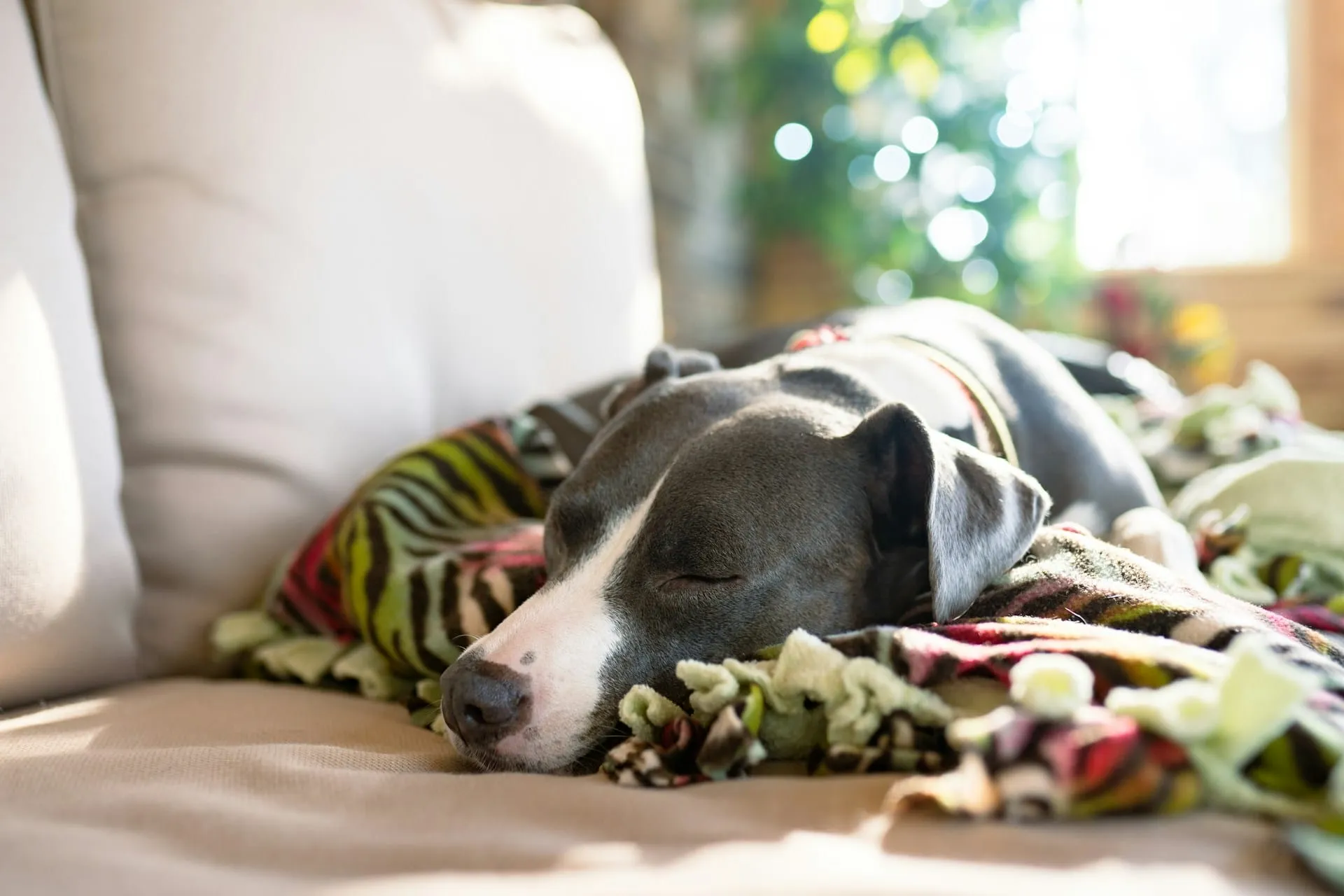
The silence hits before anything else does. You come home, and the house sounds different. No click of nails on the floor. No shifting in their bed. No one rushing to meet you at the door.
Dog death is one of the most disorienting losses there is, and the first 48 hours after a dog dies are the hardest part. You’re in shock, you’re exhausted, and you’re being asked to make decisions you’re nowhere near ready for, while the world outside keeps moving as if nothing happened. If it feels enormous, that’s because it is. About half of pet parents say their pet is as much a part of the family as any human member, so losing a dog is losing family, not “just a pet.”
This guide is for those first hours. It won’t tell you how to stop hurting, and it won’t hand you a tidy step-by-step that makes this feel manageable, because loss doesn’t work that way. What it will do is walk you through what actually needs to happen now, what can wait, and the questions you’ll likely face, so you’re not working them out alone at 3 a.m. Whether your dog died at home, at the vet, or somewhere in between, our wider guide to dog end-of-life care sits underneath this one. We’ve sat with thousands of pet parents through these hours, and here’s what we’ve learned.
Key Takeaways
- The decisions about your dog’s body can wait longer than you think, but the body itself should be kept somewhere cool and handled within about a day. You don’t need everything figured out in the first hour.
- Guilt and second-guessing are almost universal after a dog dies, even when you did everything with care and love. That’s a measure of how much you loved them, not evidence you did something wrong.
- Your other pets feel it too. Research on dogs who lost a companion found real, measurable changes, and the steadiest thing you can do for them is keep their routine and stay as calm as you can yourself.
- Grief is physical. Disrupted sleep, appetite changes, chest tightness, and exhaustion are documented grief responses, not signs that something is medically wrong with you.
- Don’t rush your dog’s belongings. There’s no right timeline, and clearing them before you’re ready is one of the most commonly regretted decisions.
Table of Contents
- 1The First Few Hours: What to Do Right After Your Dog Dies
- 2How Your Other Pets React When a Dog Dies
- 3Capturing Your Dog’s Memory in the First 48 Hours
- 4What Grief Does to Your Body After Losing a Dog
- 5Guilt and Second-Guessing After Dog Death
- 6Your Dog’s Belongings, in Your Own Time
- 7Practical Tasks to Handle After a Dog’s Death
- 8Thinking About Another Dog After Your Loss
- 9Getting Through the First 48 Hours After a Dog Dies
- 10Frequently Asked Questions About Dog Death and the First 48 Hours
The First Few Hours: What to Do Right After Your Dog Dies
The hours right after your dog dies feel surreal. Some people describe moving through fog. Others say they went almost on autopilot, functioning while reality hadn’t fully landed. There’s no wrong way to be in those first moments, and nothing you have to feel on cue.
Caring for your dog’s body
One practical thing needs attention soon: your dog’s body. You don’t have to decide anything in the first hour or two, and most vets and cremation services understand that completely. In the meantime, keep your dog somewhere cool. If your dog died at home, Lap of Love, a veterinary hospice group, advises you to move the body to a cool area and plan for burial or aftercare within about 12 to 24 hours, using a wrapped ice pack in a warm room if there’ll be a delay. Cool, not frozen. Many families find it comforting to gently wrap them in a favorite blanket and keep their hands in them during those first hours. If your dog died at the vet, they can usually hold the body for a reasonable stretch while you decide, and it’s fine to ask exactly how long you have.
Understanding your aftercare options
When you’re ready to think about it, the main choices are cremation, burial, home burial where local ordinances allow, and water cremation (aquamation). There’s no better or worse answer, only the one that fits you, your living situation, and your budget. Private cremation returns your dog’s ashes to you to keep, scatter, or work into a memorial; communal cremation is done alongside other pets and no ashes come back. When ashes do come home, our guide on where to scatter pet ashes covers who to ask and how the day can go. If you want the full picture without any pressure, our guide to pet cremation versus burial walks through what goes into the decision.
Telling family, friends, and children
You don’t have to tell everyone right away. Breathe first. When you’re ready, start with the people who knew your dog well, the ones who would want to know, and let that be enough for now. Children in the home need honest, age-appropriate words, and language matters most here. Children’s Hospital Colorado advises avoiding soft phrases like “went to sleep” or “passed away,” which can confuse a young child and make them think their dog is coming back, or turn bedtime into something frightening. “Died” is a hard word to say out loud, but it’s the clear one. Some children cry at once; others seem unbothered and then process it days later. Both are normal. Our guide to comforting children after a pet’s death has language for different ages, and when you’re ready to tell the wider circle, writing a pet death announcement can help you find the words when you’re not sure where to start, even if it’s a single line to the people who would want to know.
How Your Other Pets React When a Dog Dies
Your surviving pets will likely sense that something has changed, often within hours. They might search the house, go quiet, become unusually clingy, or stop eating for a few days. It can be hard to watch on top of your own grief, and it’s real. Dogs form genuine attachments to each other, and losing one registers.
None of that is only in your imagination. In one study of dogs who had lost a companion dog, pet parents reported that the surviving dog often sought more attention, played less, was less active, and ate less in the weeks that followed. So if your other dog seems off, you’re not imagining it.
Should they see the body?
It’s the question people ask most, and the honest answer is that you can trust your instinct either way. It’s often suggested that letting a pet see or sniff their companion helps them understand what happened. Still, the same study found no measurable difference in how the surviving dogs behaved whether or not they had seen the body. What did seem to matter was the pet parents’ own state: the more grief and upset the person carried, the more unsettled the surviving dog tended to be. So the most useful thing you can do isn’t a viewing, it’s holding their world steady. Keep feeding times, walks, and routines as consistent as you can, offer extra closeness when you have it, and let your own calm be the anchor. Our guide to helping your pet cope with the loss of another pet covers what to watch for and when to call your vet.
Capturing Your Dog’s Memory in the First 48 Hours
Keeping memories in the first days can catch some people off guard. It can feel strange to think about it while grief is this raw. But some of the most treasured mementos come from these earliest hours, and you can’t go back for them later.
A paw print in clay or ink is one of the most requested keepsakes. You can do it at home with an impression kit, or ask your vet or cremation service, since many will do it for you. A small lock of fur kept in an envelope or locket is something families often cherish more than they expected to. Some people take a few photos now; others can’t bring themselves to, and both are fine.
If you do one thing, write something down today. Not a formal obituary, just a few sentences about who your dog was. Their quirks. The sound they made at the door. What they looked like when they were happy. The things only you would know. Memories fade faster than grief does, and you will want this later more than you can picture right now.
What Grief Does to Your Body After Losing a Dog
Pet loss hits the body as hard as it hits the heart. You might be exhausted even when you can’t sleep, your chest tight, your appetite gone or your eating out of control. Headaches, nausea, muscle tension, and a heaviness that sits on everything are documented parts of a grief reaction, not signs that something is medically wrong.
That’s your nervous system responding to a real loss, and most people aren’t ready for how physical it feels. So treat the basics as if they matter, because they do. Drink water even when you’re not thirsty. Eat something small when you can. If someone offers to bring food or sit with you, take them up on it. Sleep when your body asks, even at odd hours. Grief drains your reserves, and you can’t process it on empty. For what to expect in the weeks ahead, our guide to the physical symptoms of grief after pet loss covers what’s normal and when to pay closer attention.
Guilt and Second-Guessing After Dog Death
Guilt shows up almost universally in the days after a dog dies. It doesn’t matter whether your dog died suddenly or after a long illness, whether they were two or seventeen. The questions come anyway. Did we wait too long? Did we act too soon? Should I have caught it sooner? Did they know how loved they were?
Those questions aren’t evidence that you did something wrong. They’re evidence that you loved your dog and took the responsibility seriously. The grief counselors and end-of-life specialists we work with say the same thing again and again: guilt is one of the most predictable parts of dog loss, not because pet parents fail their dogs, but because love makes us wish we’d done everything perfectly. You made the decisions you made with the information you had, in circumstances no one is ever fully ready for. That’s all anyone can do. When guilt digs in and starts interfering with your ability to function, it deserves real attention, and our guide to coping with guilt and regret after losing a pet offers approaches that have helped others find their way through.
Your Dog’s Belongings, in Your Own Time
The food bowl. The leash by the front door. The bed that still smells like them.
What we hear from pet parents more than almost anything is, “I wish I hadn’t felt pressured to put their things away so soon.” Sometimes that pressure comes from well-meaning family who think clearing the space will help you move forward. Sometimes it’s an inner voice telling you that grieving means letting go. It doesn’t. There’s no healthy timeline here. No grief counselor will tell you that leaving the bowl out for six months means you aren’t coping, and putting everything away on the first day doesn’t make you cold. Both reflect where you are.
If you’re not ready to decide, you don’t have to. Gather the things that are hardest to look at, put them somewhere out of sight, a box, a closet, a spare room, and deal with them when you’re ready and not a day before.
Practical Tasks to Handle After a Dog’s Death
A handful of practical matters will need attention in the days after your dog dies. None of them have to happen in the first 48 hours, but knowing they’re coming can keep them from blindsiding you later.
Aftercare costs for cremation or burial get settled once arrangements are made, and it’s fine to ask about payment plans if cost is a worry, since many providers offer them. A final vet bill from end-of-life care or euthanasia will usually arrive by mail or email in the days ahead. Beyond that, a few people and services are worth notifying when you have the energy:
- Your veterinarian’s office, so they can update their records and stop wellness or refill reminders that would otherwise land in your inbox.
- Any pet insurance policy, to close it out or adjust it.
- The microchip registry, to update your dog’s status.
- Recurring deliveries for food, treats, or medication, so nothing shows up on the doorstep unexpectedly.
- The dog walker, groomer, daycare, or boarding provider you used, if any.
These small, mundane tasks can feel brutal to do right now. If a friend or family member offers to make a few of these calls, that’s a real gift, and it’s okay to let them carry it. You don’t have to handle the logistics alone.
Thinking About Another Dog After Your Loss
Somewhere in these first days, the question tends to surface, either in your own mind or from someone around you: will you get another dog? There’s no universal answer and no right timeline. Some people know at once that they aren’t ready and won’t be for a long while. Others are surprised to find themselves thinking about it sooner than they expected, and then feel guilty for it. Both are valid, and neither says anything about how much you loved the dog you lost.
What’s worth separating is when from whether. When is about timing and readiness. Whether is a deeper question about your life and what you want it to look like. Both deserve room, and neither needs an answer in the first 48 hours. A new dog deserves to be welcomed as their own self, not as a replacement or a way to manage grief, and you’ll have a clearer sense of readiness as the weeks pass. Our guide to deciding when to get a new pet after loss walks through it without nudging you either way.
Getting Through the First 48 Hours After a Dog Dies
The first 48 hours after a dog dies will end. You’ll get through them, even if you can’t see how right now. The grief won’t end when they do; it shifts, changes shape, and becomes something you carry differently over time, rather than something that lifts all at once.
What the first 48 hours after a dog dies are really for
What these two days are really about is getting through without making decisions you’ll regret, taking care of your basic physical needs, and letting the people who care about you show up. You don’t need a plan. You don’t need answers. You don’t have to be okay yet.
When you’re ready to look further ahead, our navigating pet loss library covers everything from the first days through the longer arc of grief, and our directory of pet loss grief counselors connects you with specialists who understand exactly what you’re going through. This kind of loss is real, and it deserves real support.
Frequently Asked Questions About Dog Death and the First 48 Hours
What do I do in the first hour after my dog dies at home?
In the first hour, you don’t have to do anything that doesn’t feel right. Permit yourself to sit with your dog, to cry, to call someone you trust, or to just be still, because no decision has to happen immediately. When you’re ready, gently wrap your dog in a blanket and move them to a cool spot in the house, not a freezer, while you think. Veterinary aftercare guidance suggests planning for burial or transport within roughly a day and keeping the body cool until then. Most cremation services and vet offices can hold your dog’s body for a reasonable time once you call, so the arrangements can wait until you’re steadier. When you feel able, tell the people at home, keep other pets away from the body if the interaction seems to distress them, and reach out to your vet or a cremation service when you’re ready for the next step.
Is it normal to feel physically ill after my dog dies?
Yes, completely, and it’s one of the most underreported parts of pet loss because so few people expect it. Nausea, chest tightness, headaches, muscle aches, disrupted sleep, and appetite changes are all documented physical responses to grief. Your nervous system processes emotional pain in bodily ways, and the loss of a dog, with the sudden silence and the disrupted routine, is a genuine physiological stressor. It doesn’t mean anything is medically wrong with you; it means you loved your dog and your body is responding to a real loss. Severe symptoms, or those that drag on for several weeks without easing, are worth a conversation with your doctor, not because grief is a medical problem but because prolonged stress affects your health and you deserve support.
Should I let my other pets see my dog’s body?
This is a personal decision, and the evidence doesn’t point to one right answer. It’s often said that letting a surviving pet see or sniff their companion helps them understand the loss, but a study of dogs who lost a companion found no measurable difference in behavior between dogs who saw the body and those who didn’t. What is well established is that surviving pets do notice the loss and may show changes like searching, reduced appetite, more neediness, or withdrawal, and that the calmer and more routine their world stays, the better they tend to cope. So trust your instincts about your specific animals either way. If a surviving pet’s behavior changes significantly and lasts more than two to three weeks, a check-in with your vet can rule out any underlying health issue and guide your next steps.
How do I know when it’s okay to handle my dog’s belongings after they die?
When it feels right to you, and not a moment sooner. No grief counselor will tell you that leaving your dog’s bowl, bed, or leash untouched for weeks or months means you aren’t healing. And sorting through their things in the first few days is equally fine if it helps you feel close to them or gives your hands something to do. Many pet parents find a “pause” system helpful: box up whatever is hardest to see, store it somewhere out of the way, and revisit when you’re ready. Some belongings eventually get donated to a shelter or rescue, which many families find meaningful; others become permanent keepsakes; some things stay exactly where they were for years. All of those are valid, and no one else gets to decide which one is right for you or when.
Is it okay to think about getting another dog so soon?
Yes, it’s okay to think about it. Thinking about something and being ready for it are different. It isn’t unusual for the question to surface in the first few days, sometimes within hours, and it doesn’t mean you’re dishonoring your dog or that your grief isn’t real. It’s a sign that the relationship you had was a good one, and that part of you is already reaching back toward connection. What most grief counselors would caution against is deciding impulsively, in acute grief, as a way to fill the silence right now. Any dog you bring home later should arrive as themselves, not as a stand-in for the one you lost, so the timing deserves thought, and the choice has no expiration date, which means you have time to get it right.
On this topic