





If you've found yourself quietly researching what's ahead, maybe late at night while your pet sleeps nearby, you're not alone. And you're...
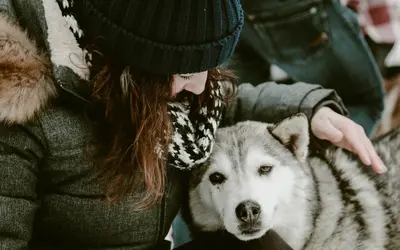
How to Mentally Prepare for the Death of a Pet
read more
Start here
By topic
By pet

Not sure where to start?
Answer a few questions and a real person on our team will send resources picked for you.
Get personalized helpCare for older pets, serious illness and the end of life.
See all end-of-life carePeople who help before and after a loss.
Cremation, burial and ways to remember.
Also in Find Care

Start here
By topic
By pet
Not sure where to start?
Answer a few questions and a real person on our team will send resources picked for you.
Get personalized helpCare for older pets, serious illness and the end of life.
See all end-of-life carePeople who help before and after a loss.
Cremation, burial and ways to remember.
Also in Find Care
Grief is not just a single feeling; it's a full-body shock that twists through you unpredictably. This section is dedicated to the emotional experience of pet loss in all its forms. Not just sadness, but guilt, anger, complicated grief, the grief that comes before death, and the grief that shows up weeks or months later. We do not write about "moving on" or "healing completely." We write about understanding what is happening, finding the support that helps, and learning to carry grief rather than outrun it.
Unsure where to start? Get personalized help from our team →
If you've found yourself quietly researching what's ahead, maybe late at night while your pet sleeps nearby, you're not alone. And you're...

Comforting children after a pet's death is mostly a matter of telling the truth in small, plain words and then staying in the room for the...

What to write in a pet sympathy card comes down to three short lines: say you're sorry, use their pet's name, and add one true thing, like...

When our beloved Baxter passed away in October 2024, the silence in our home felt deafening. The grief was overwhelming, larger than our...

When we lost Baxter in October 2024, the grief felt insurmountable. In those darkest moments, many pet parents naturally turn toward...

If you've lost your service dog, you're living through something most people around you will never fully understand. They'll offer...

The call came at 2:47 PM on a Tuesday. You were in a meeting, picking up groceries, or visiting family three states away when the phone...

The moment you realize your beloved pet is gone forever, the world shifts beneath your feet. At Love, Baxter, we understand this...

If you've landed here, you're probably carrying two things at once: the grief of losing your pet, and the specific, relentless weight of...
The grief that follows pet loss is not a lesser version of grief. It is the same neurological and emotional process that follows any significant loss of attachment. The bond between a person and their companion animal activates the same brain circuits as human attachment, and its loss triggers the same grief responses.
Despite this, pet loss is often minimized by people who have not experienced it. Comments like "it was just a cat" or "you can get another dog" are unfortunately common, and they reflect a misunderstanding of what the relationship actually was. If your pet was a daily companion, a source of comfort and routine, a relationship built over years, their loss is a significant loss, and your grief is proportional.
The most expected emotion after pet loss is sadness, but the longing that accompanies it can catch people off guard. Missing a specific smell, a specific sound, the particular way your pet woke you up in the morning. These very specific physical absences are among the most painful dimensions of pet loss and the hardest to explain to others.
Guilt is among the most commonly reported emotions after pet loss and the least well-validated. It comes in many forms: guilt about the timing of euthanasia, guilt about not noticing symptoms sooner, guilt about not being present at the moment of death, guilt about the relief you felt when suffering ended. If you are carrying guilt right now, you are in company with nearly every person who has loved an animal through death.
Anger after pet loss is real and underaddressed. Anger at the disease, at the vet, at yourself, at the fundamental unfairness of your pet's lifespan being shorter than yours. Anger is a legitimate part of grief, and it does not make you a bad person. It makes you someone who loves their pet.
If your pet suffered in their final weeks or months, feeling relief when they are no longer suffering is not a betrayal of your love. It is love. Caring about their comfort over your own continued presence with them is one of the most selfless things a pet owner can do.
Some people feel very little in the immediate aftermath of a loss and then are hit with intense grief days, weeks, or even months later. Numbness is a protective mechanism and does not indicate that you did not love your pet. It indicates that your system is taking in a very large amount.
Disenfranchised grief is a loss often ignored by society. Pet loss is especially isolating, forcing mourners to defend the depth of their heartbreak to others. This lack of validation multiplies the pain, making grief feel both heavy and invisible.
If you have encountered dismissiveness from friends, family, or colleagues about your grief, we want to say directly: you do not need to justify how much your pet meant to you. The relationship was real. The loss is real. The grief is real. You are not overreacting.
Grief triggers are specific sensory cues or situations that bring grief forward suddenly and intensely. After losing a pet, triggers can include their food bowl, their collar, a particular time of day, a song, a smell, another person's dog, or even a specific room in your house.
Triggers tend to lose some of their intensity over time, but they can remain powerful for years, particularly around significant dates, such as a pet's anniversary or birthday. This is normal and does not mean something is wrong with your healing process.
Some people choose to remove a pet's belongings immediately. Others find comfort in leaving them in place for a while. Neither approach is more correct. Do what helps you feel able to function and honor your own grief in the way that makes sense for you.
Grief affects the body, not just the mind. Many people experience significant physical symptoms after losing a pet: fatigue, changes in appetite, disrupted sleep, chest tightness or heaviness, headaches, and difficulty concentrating. These are real physiological responses to loss, recognized by grief researchers and clinicians.
If physical symptoms are severe or persist for an extended period, it is worth talking to a doctor. Grief is not a medical condition, but the physical toll of it can sometimes require support.
Most people navigate grief over the loss of a pet without professional help and eventually find their way through. But some people benefit significantly from speaking with someone who understands this specific kind of loss.
Complicated grief, sometimes called prolonged grief disorder, involves grief that remains intensely debilitating for months or longer and significantly interferes with daily life. It is more common after sudden or traumatic losses and among people who did not have other strong social support. If this sounds like your experience, a grief counselor or therapist specializing in pet loss can help.
Pet loss support groups, both in-person and online, offer a space where no one will minimize your loss. Finding even one person who understands what you are going through can make a real difference in how isolated grief feels.
Love, Baxter covers the full emotional spectrum of pet loss: sadness, guilt, anger, relief, numbness, and complicated grief. Beyond articles, our directory connects you with vetted pet loss grief counselors and veterinary social workers who specialize in this type of loss.
Neurologically and emotionally, yes. The bond between a person and their companion animal activates the same attachment circuits as human bonds, and the grief that follows the same loss processes. Pet loss is often called disenfranchised grief because society does not always recognize it at the same level, but the underlying experience is genuine and significant grief.
Anger is a legitimate and underaddressed part of pet loss grief. It can show up as anger at the disease, at the vet, at yourself, or at the fundamental unfairness of your pet's lifespan being shorter than yours. Anger is not a sign that you are grieving incorrectly. It is grief expressing itself through an emotion that has nowhere else to go.
If your pet suffered in their final weeks or months, feeling relief when they are no longer suffering is not a betrayal. It is the natural response of someone who cares deeply about their comfort. Relief and grief can coexist completely. Many people feel both simultaneously, and both are valid responses to a loss that involved witnessing pain.
Complicated grief, sometimes called prolonged grief disorder, involves grief that remains intensely debilitating for months or longer and significantly interferes with daily life. It is more common after sudden or traumatic losses and among people without strong social support. If this resonates, a grief counselor or therapist who specializes in pet loss can help significantly.