







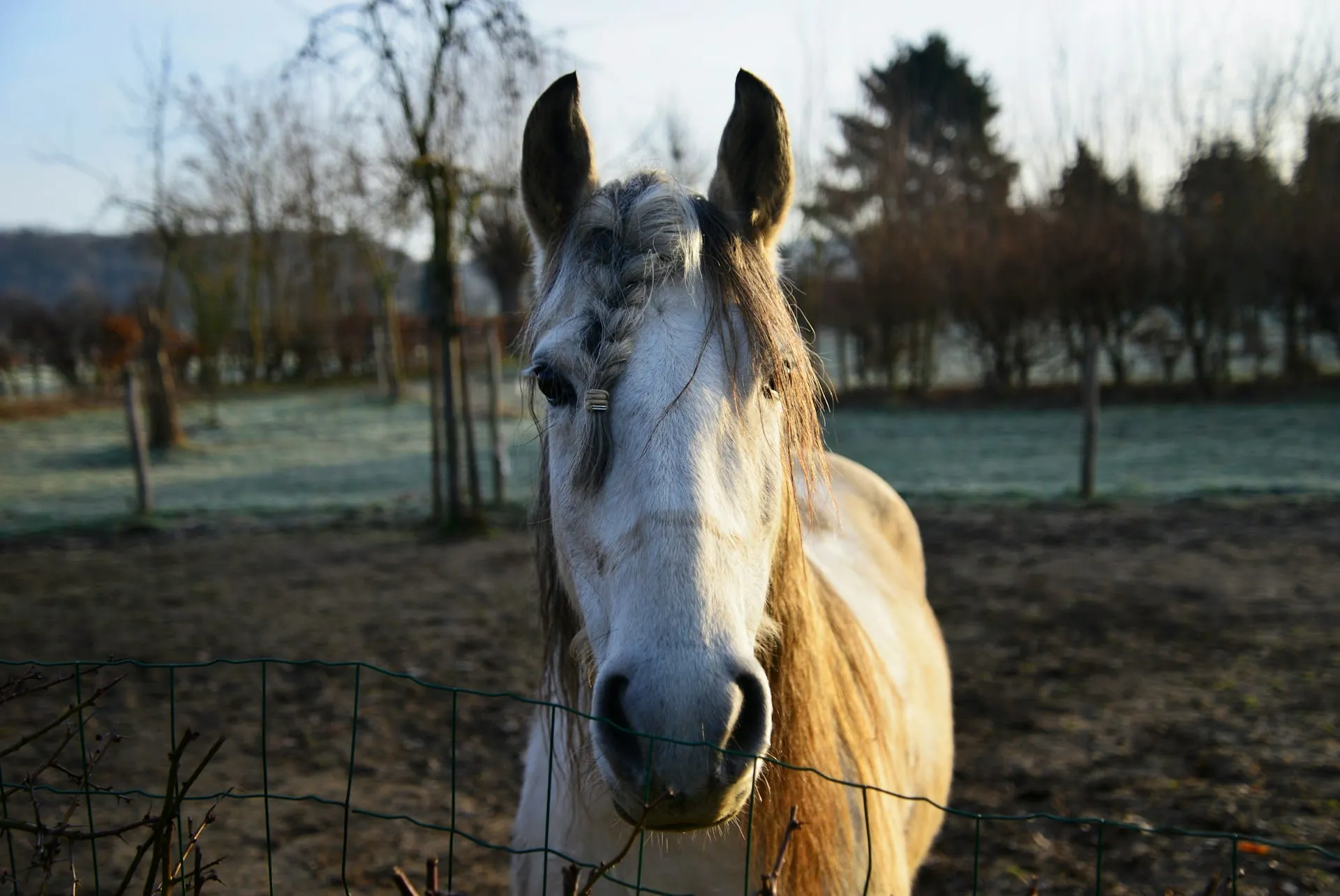
At Love, Baxter, we understand the profound bond between horses and their humans, a connection that deepens with every passing year. Watching your beloved horse age brings mixed emotions: gratitude for the memories you’ve shared and gentle concern for their comfort in the years ahead. Just as we learned through our journey with Baxter, recognizing when our animal companions need different care helps us provide the love and support they truly deserve.
The question of when horses are considered senior doesn’t have a simple answer, but most equine professionals agree that horses typically enter their golden years between 15 and 20 years old. This transition isn’t marked by a specific birthday but rather by gradual changes in physical condition, health needs, and care requirements. Understanding these changes empowers horse owners to provide optimal care that honors their companion’s lifetime of service while ensuring continued comfort and quality of life.
Every horse ages differently based on breed, health history, lifestyle, and individual genetics. Large draft breeds like Percherons often show senior signs earlier than hardy breeds like Arabians or Welsh ponies. Horses with demanding athletic careers may need specialized senior care sooner than those who’ve enjoyed quieter lives. We believe every horse deserves thoughtful attention during this precious stage of life, just as we cherish every moment with the animals who’ve given us so much.
The journey of caring for a senior horse teaches us about patience, adaptation, and the profound responsibility of ensuring comfort for those who have served us faithfully. Through proper understanding of their changing needs, we can help our equine companions experience dignity, health, and happiness throughout their golden years.
Table of Contents
- 1Understanding When Horses Become Seniors
- 2Recognizing Early Signs Your Horse Is Aging
- 3Essential Health Care for Senior Horses
- 4Common Health Conditions in Aging Horses
- 5Senior Horse Nutrition and Feeding Management
- 6Creating Comfortable Living Environments
- 7Frequently Asked Questions about When Horses Become Seniors
Understanding When Horses Become Seniors
Most veterinary professionals classify horses as seniors when they reach 15 to 20 years of age, though this timeline varies significantly among individual horses. Several key factors influence when a horse transitions into senior status and requires specialized care considerations that go beyond routine maintenance.
Breed size plays a crucial role in determining senior age classifications. Larger horses, including Clydesdales, Belgians, and other draft breeds, often show aging signs as early as 12 to 15 years old due to the additional stress their size places on joints, organs, and overall body systems. The sheer weight and structural demands of these magnificent animals mean their bodies experience more wear over time, requiring earlier attention to age-related changes.
Medium-sized breeds like Quarter Horses, Thoroughbreds, and Warmbloods typically become seniors around 15 to 18 years old. In contrast, smaller, hardier breeds such as Arabians, Morgans, and many pony breeds may not show significant aging signs until their early twenties. These hardy breeds often possess genetic advantages that support longevity and sustained health well into their later years.
An individual health history significantly impacts when senior care becomes necessary. Horses with previous injuries, chronic conditions, or those who’ve had physically demanding careers in racing, jumping, or other high-impact disciplines may require senior-specific care earlier than horses who’ve lived less strenuous lives. Conversely, horses who’ve received consistent quality care throughout their lives often age more gracefully and maintain good health longer.
Career demands and lifestyle factors also influence aging timelines. Performance horses who’ve competed intensively may develop arthritis, joint problems, or other age-related issues sooner than pleasure horses or those used for light riding. However, appropriate exercise throughout life actually supports healthy aging, while complete inactivity can accelerate physical decline in ways that surprise many horse owners.
Recognizing Early Signs Your Horse Is Aging
Identifying the subtle and noticeable changes that accompany equine aging helps owners adjust care appropriately and address developing needs before they become serious problems. These changes typically appear gradually over months or years rather than suddenly, making careful observation crucial for maintaining your horse’s health and comfort.
Body condition changes often provide the first noticeable signs of aging in horses. Senior horses frequently experience difficulty maintaining weight despite adequate nutrition, showing prominent ribs or hip bones even with regular feeding schedules that previously kept them in good condition. Muscle mass, particularly along the topline and hindquarters, may gradually diminish as horses age, creating a more angular appearance that reflects decreased muscle tone and strength.
Their coat texture often becomes coarser or thinner with age, and gray hairs typically appear around the muzzle, eyes, and ears, natural signs of accumulated wisdom and experience. Some horses develop a dull coat that doesn’t respond as well to grooming, while others may grow thicker winter coats that are slower to shed in spring.
Mobility and movement differences become increasingly apparent as horses age and require careful attention from observant owners. Stiffness after periods of rest is common, with many senior horses taking longer to “warm up” when beginning exercise or turnout. They may show reluctance to move on hard surfaces, display subtle gait changes, or demonstrate decreased willingness to perform movements that were once easy and natural.
Joint swelling, particularly in the hocks and fetlocks, often becomes more noticeable during colder weather or after periods of inactivity. Many senior horses develop a shortened stride, especially at faster gaits, and may show reluctance to bend or flex joints that were previously supple and responsive.
Dental changes significantly impact senior horses and require careful attention from owners who want to maintain their horse’s comfort and nutrition. As horses age, their teeth may develop sharp points, loose teeth, or gaps that affect chewing efficiency and overall digestive health. Owners might notice their horse taking longer to eat, dropping partially chewed food while eating, showing reluctance to eat specific feeds, or developing bad breath that could indicate dental problems requiring immediate professional attention.
Essential Health Care for Senior Horses
Caring for aging horses requires thoughtful modifications to their health care routine, focusing on prevention, early detection, and proactive management of age-related conditions. These adjustments help maintain quality of life while addressing the unique needs of senior equines who deserve the best possible care during their golden years.
Veterinary care schedules should increase in frequency for senior horses, with most benefiting from thorough examinations every six months rather than annually. These regular check-ups allow for early detection of developing problems and ongoing monitoring of chronic conditions that may require adjustment in treatment approaches. Comprehensive examinations should include body condition scoring, dental evaluation, joint assessment, and a detailed discussion of any behavioral or performance changes noticed by the owner.
Blood work becomes increasingly important for senior horses to monitor organ function and detect problems before they become serious health threats. Regular testing helps track kidney and liver function, identify metabolic issues like insulin resistance, and monitor for conditions such as Cushing’s disease that become more common with advancing age. Early detection through routine blood work allows for prompt treatment and significantly better long-term outcomes.
Dental care requires special attention in senior horses, with many needing professional dental work every six months rather than annually. Age-related dental changes can significantly impact nutrition and comfort, making regular dental maintenance crucial for maintaining health and quality of life. Professional evaluation helps identify problems like loose teeth, sharp points, or uneven wear that could severely affect eating ability and overall wellbeing.
Vaccination and deworming protocols may need adjustment for senior horses based on their immune system function and individual risk factors. Some older horses may have decreased immune responses to vaccines, while others might be more susceptible to certain parasites due to compromised immune function. Working closely with a knowledgeable veterinarian helps develop appropriate prevention strategies tailored to individual senior horses and their specific needs.
Common Health Conditions in Aging Horses
Understanding the health issues that frequently affect senior horses helps owners recognize potential problems early and work with veterinary professionals to develop effective management strategies. Many age-related conditions can be successfully managed with appropriate care and treatment, allowing horses to maintain a good quality of life for years.
Arthritis and degenerative joint disease affect the majority of senior horses to some degree, particularly those who’ve had athletic careers or previous injuries that created ongoing joint stress. Signs include stiffness, shortened stride, reluctance to move freely, difficulty with gait transitions, and visible joint swelling that may come and go with weather changes. While arthritis cannot be cured, it can often be effectively managed through appropriate exercise programs, joint supplements, anti-inflammatory medications when needed, and environmental modifications designed to reduce joint stress.
Cushing’s disease, or Pituitary Pars Intermedia Dysfunction, affects approximately 20% of horses over 15 years old and becomes increasingly common with advancing age. This hormonal disorder creates distinctive symptoms, including excessive hair growth that doesn’t shed properly, increased drinking and urination, muscle wasting despite adequate nutrition, recurrent infections, and abnormal fat deposits. With proper diagnosis through specialized blood testing and appropriate medical treatment, horses with Cushing’s disease can maintain a good quality of life for many years.
Metabolic syndrome and insulin resistance become more prevalent in senior horses, particularly those who are overweight or have easy-keeper tendencies that make weight management challenging. These conditions significantly increase the risk of laminitis and require careful dietary management combined with regular monitoring of blood glucose and insulin levels. Working with veterinary professionals and equine nutritionists helps develop appropriate feeding programs for horses with metabolic concerns.
Kidney and liver function naturally decline with age, making these vital organs more susceptible to damage from medications, environmental toxins, or disease processes. Regular blood work helps monitor organ function over time, and dietary adjustments may be necessary to support optimal health as function changes. Ensuring constant access to clean, fresh water becomes even more critical as horses age and organ function naturally decreases.
Senior Horse Nutrition and Feeding Management
Proper nutrition forms the foundation of good senior horse care, often requiring significant adjustments to accommodate changing digestive efficiency, metabolic needs, and dental function. Senior horses frequently need specialized feeding programs to maintain optimal health and body condition as their bodies become less efficient at processing nutrients.
Digestibility becomes a primary concern for many senior horses, particularly those with dental issues that affect their ability to chew effectively and thoroughly. Feeds that are easier to chew and digest, such as pelleted complete feeds, chopped forage, or soaked hay cubes, may become necessary to ensure adequate nutrition while reducing the physical effort required for eating. These modifications help ensure senior horses receive proper nutrition without the struggle that can lead to weight loss and poor condition.
Caloric requirements often increase for senior horses who struggle to maintain weight despite receiving adequate feed quantities that previously kept them in good condition. High-quality fats, such as rice bran, vegetable oils, or commercial fat supplements, provide concentrated calories without requiring significant increases in feed volume that might overwhelm digestive capacity. This approach is particularly beneficial for horses with limited stomach capacity or those who eat slowly due to dental issues that make chewing difficult.
Protein quality becomes increasingly crucial as horses age and may experience decreased efficiency in protein utilization for muscle maintenance and repair. Senior horses often benefit from feeds with higher protein content and better amino acid profiles to support muscle maintenance and overall health. However, horses with kidney problems may require protein restriction, making veterinary guidance essential for developing appropriate feeding programs.
Feeding management strategies should be carefully adjusted to accommodate the specific needs of senior horses whose digestive systems may not function as efficiently as they once did. Smaller, more frequent meals improve digestibility and reduce the risk of colic or choke while helping horses maintain steady energy levels throughout the day. Separating senior horses during feeding ensures they receive their complete ration without competition from younger, more aggressive horses and allows for careful monitoring of individual intake patterns.
Creating Comfortable Living Environments
The physical environment plays a crucial role in supporting senior horse health and comfort throughout their daily lives. Thoughtful modifications to housing, turnout, and daily management practices can significantly improve the quality of life for aging horses who may have special needs requiring attention and accommodation.
Footing considerations become increasingly important for horses with arthritis or other mobility issues that make movement painful or difficult. Providing softer surfaces in stalls, paddocks, and high-traffic areas reduces joint impact and improves overall comfort during movement and daily activities. Sand footing, rubber mats, or deep bedding in stalls help cushion joints and provide better traction, while avoiding hard, uneven, or slippery surfaces, which reduces the risk of falls and injuries.
Shelter requirements often increase for senior horses who may have decreased ability to regulate body temperature effectively due to metabolic changes or reduced muscle mass. Adequate protection from wind, rain, and extreme temperatures becomes essential for maintaining comfort and health, with many senior horses benefiting from blankets during cold weather and fans or adequate shade during hot conditions. Easy access to shelter allows horses to seek comfort as needed without having to compete with younger horses.
Water and feed accessibility should be carefully evaluated to ensure senior horses can easily reach necessary resources without strain or discomfort. Elevated feeders may help horses with neck arthritis or other mobility limitations that make reaching ground-level feed difficult. At the same time, multiple water sources ensure adequate hydration even if one source becomes unavailable or difficult to access.
Social considerations require careful balance for senior horses who may need protection from younger, more aggressive horses while still maintaining critical social connections that contribute to their mental wellbeing. Visual contact with other horses helps prevent isolation and depression. At the same time, separate feeding areas and turnout schedules ensure adequate nutrition and rest without competition stress that can affect health and happiness.
At Love, Baxter, we understand that caring for a senior horse represents both a privilege and a responsibility that deepens the bond between horse and human in meaningful ways. The time invested in providing thoughtful, appropriate care during these precious years honors the partnership built over a lifetime together. It demonstrates the profound love that makes the human-animal connection so extraordinary.
The journey of caring for an aging horse teaches us about patience, adaptation, and the beauty of providing comfort to those who have given us so much throughout their lives. Just as Baxter’s memory continues to inspire our mission of supporting those who love their animals deeply, your dedication to your senior horse’s wellbeing reflects the best of what it means to be a compassionate caregiver who understands the sacred trust between human and animal.
Through attentive care, regular monitoring, and endless love, we can ensure our equine companions experience dignity, comfort, and joy throughout their golden years. Every day spent caring for a senior horse is an opportunity to give back to an animal who has served faithfully, creating memories and connections that last far beyond their physical presence in our lives.
Frequently Asked Questions about When Horses Become Seniors
What age is considered old for a horse?
Most horses are considered seniors between 15 and 20 years old, though this varies quite a bit depending on the individual horse. Larger draft breeds, such as Clydesdales, often exhibit signs of aging around 12-15 years, while hardy breeds like Arabians may not require senior care until their early twenties. Think of it like people: some age gracefully while others need extra support earlier. The key is to watch for changes in your horse’s body condition, movement, and energy levels, rather than focusing solely on that birthday number. Your horse will show you when they’re ready for more thoughtful, age-appropriate care.
How do you care for a 20-year-old horse?
Caring for a 20-year-old horse means stepping up your attention to detail while keeping them comfortable and engaged. Schedule vet check-ups every six months instead of annually, and consider easier-to-digest feeds, such as pelleted complete feeds or soaked hay cubes, if chewing becomes difficult. Provide softer footing with rubber mats or deeper bedding to cushion those joints, and don’t forget adequate shelter from weather extremes. Most importantly, maintain their social connections with other horses while ensuring they get their fair share of food without competition. Regular, gentle exercise often helps more than complete rest.
Is it expensive to keep a senior horse?
Yes, senior horse care typically costs more than maintaining a younger horse, but many of these expenses are manageable with planning. You’ll likely see increases in veterinary bills due to more frequent check-ups and potential treatments for conditions like arthritis or Cushing’s disease. Specialized senior feeds and supplements can add $50-$100 monthly to your feed bill, and dental work may be required twice a year instead of annually. However, many senior horses thrive with these investments, and the joy of providing comfort to a faithful companion who’s given you years of partnership makes every dollar worthwhile.
Can senior horses still be ridden safely?
Many senior horses can absolutely continue being ridden, often well into their twenties, with appropriate adjustments to their work routine. The key is listening to your horse and adapting activities to match their current abilities and comfort level. Light trail riding, gentle arena work, or even therapeutic riding can keep senior horses physically and mentally engaged without causing stress or discomfort. However, you’ll want to allow extra warm-up time, avoid demanding activities that stress joints, and pay close attention to any signs of fatigue or discomfort. Some horses actually benefit from continued light work as it keeps their joints moving and maintains muscle tone.
On this topic