







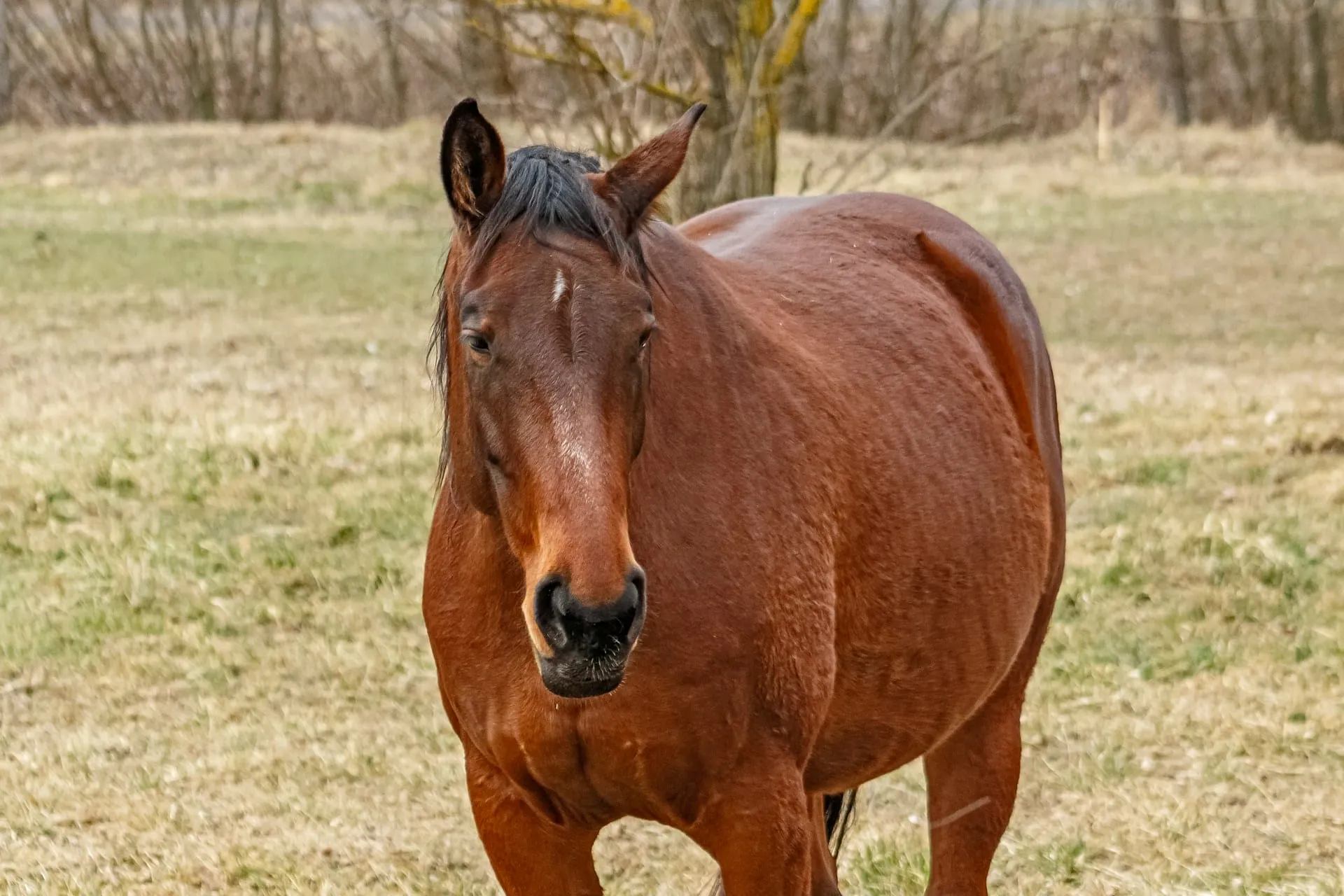
Watching your once-spirited horse grow older can stir a complex mix of emotions. Those thundering hooves that once carried them swiftly across pastures may now move with more deliberation, and the bright eyes that greeted you each morning might show the gentle wisdom that comes with age. As caretakers of these magnificent animals, understanding how to support them through their golden years isn’t just responsible ownership: it’s an act of love.
At Love, Baxter, we understand the deep bond between humans and their animal companions, regardless of size or species. Just as we honor the memory of beloved pets who have crossed the rainbow bridge, we believe in celebrating and supporting the lives of our aging animal friends during their precious senior years. Today, we’re focusing on how to provide the best possible care for your senior horse, ensuring their later years are comfortable, dignified, and filled with the same love they’ve always known.
Table of Contents
- 1Understanding Your Senior Horse’s Changing Needs
- 2Mobility Management for Senior Horses
- 3Specialized Diet for Aging Equines
- 4Emotional Support for Senior Horses
- 5Weather Protection for Older Horses
- 6Veterinary Care for Senior Horses
- 7Quality of Life Considerations
- 8The Gift of Compassionate Care
- 9Celebrating Your Senior Horse’s Journey
- 10Key Takeaways for Successful Senior Horse Management
- 11Frequently Asked Questions About Senior Horse Care
Understanding Your Senior Horse’s Changing Needs
The definition of “senior” varies among horses. Some may show signs of aging as early as 15, while others remain sprightly well into their twenties. Unlike the standardized age categories we use for humans, your horse’s senior status depends on their unique health profile, breed characteristics, and previous care history.
Signs that your horse is entering their senior years may include:
- Gray hairs appearing around the eyes and muzzle: This is often the first visible sign of aging, similar to humans developing gray hair.
- A slight dip in the back (swayback): This occurs as spinal muscles weaken and is particularly common in horses who carried riders for many years.
- More time spent resting or lying down: Aging horses often conserve energy and may need additional recovery time between activities.
- Reduced muscle mass, particularly along the topline: This natural process happens gradually as metabolism changes and protein utilization becomes less efficient.
- Changes in weight maintenance: Senior horses might struggle to maintain optimal weight, either losing weight despite adequate feeding or gaining excess weight due to metabolic changes.
- Increased difficulty maintaining condition through seasonal changes: Many seniors lose condition more quickly in winter or during environmental stressors than their younger counterparts.
Recognizing these changes is the first step in adjusting your care regimen to meet your horse’s evolving needs. Remember that these changes don’t signal the end of your journey together: they’re simply an invitation to adapt how you support your equine companion.
Mobility Management for Senior Horses
The Importance of Movement for Senior Equines
Movement is life for horses of all ages, but it becomes especially crucial for seniors. Regular, appropriate exercise helps maintain joint function, muscle tone, circulation, and digestive health. However, the type and intensity of exercise should be tailored to your horse’s specific condition.
Sarah Jensen, a long-time horse owner from Vermont, shares: “My Thoroughbred Maestro stayed sound into his late twenties because we never stopped moving. Even when his galloping days were behind him, our daily walks through the woods kept his mind engaged and his body functioning. Those quiet moments together became some of our most precious memories.”
Creating a Senior-Friendly Exercise Program
For senior horses, consider the following approach to exercise:
- Consistent, gentle movement: Daily turnout (weather permitting) allows your horse to move at their own pace. Even small paddocks are beneficial if they encourage walking. Movement helps maintain joint flexibility and promotes healthy digestion in aging horses.
- Moderate, regular riding: If your veterinarian approves, light riding on soft, even surfaces can help maintain muscle tone. Keep sessions shorter and less demanding than in your horse’s younger years. This controlled exercise supports cardiovascular health while respecting age-related limitations.
- Groundwork alternatives: If riding is no longer appropriate, in-hand walking, gentle lunging, or liberty work can provide both physical and mental stimulation. These activities strengthen your bond while allowing you to closely monitor your horse’s movement patterns.
- Environmental enrichment: Strategically placing hay, water, and salt blocks in different areas encourages movement throughout the day. This natural exercise mimics foraging behavior and promotes joint mobility without undue stress.
Joint Support for Aging Horses
Joint health becomes increasingly important as horses age. Consider implementing:
- Appropriate supplements: Glucosamine, chondroitin, MSM, hyaluronic acid, and omega-3 fatty acids may support joint health (always consult your veterinarian before starting any supplement regimen).
- Comfortable flooring: Deep, soft bedding in stalls reduces pressure on aging joints, especially during cold weather when arthritis may flare.
- Careful footing management: Avoid slippery or deep, uneven surfaces that could cause strain or falls.
- Consistent farrier care: Regular, proper trimming and shoeing are essential as foot mechanics can change with age.
Remember that pain management may become necessary for some senior horses. Working closely with your veterinarian to develop an appropriate plan, which might include NSAIDs, joint injections, or complementary therapies like acupuncture or chiropractic care, can significantly improve your horse’s comfort and quality of life.
Specialized Diet for Aging Equines
The Changing Digestive System
One of the most significant changes in senior horses involves their digestive efficiency. Dental wear, reduced gut motility, and changes in nutrient absorption can all impact how your horse processes food. A thoughtful nutrition plan can make all the difference between a thin, struggling senior and one who maintains healthy weight and energy.
Essential Elements of Senior Horse Nutrition
Dental Care: The Gateway to Proper Nutrition
Regular dental examinations become increasingly important as horses age. Many seniors develop sharp points, wave mouths, or missing teeth that affect their ability to properly chew hay and grain. Signs that your horse may be experiencing dental problems include:
- Dropping partially chewed food (quidding): This occurs when horses can’t properly grind their feed and indicates potential dental pain or missing teeth.
- Excessive salivation while eating: Unusual drooling may signal mouth discomfort during the chewing process.
- Head tilting while chewing: This compensation behavior helps horses avoid painful areas in their mouth.
- Weight loss despite adequate food intake: Poor dental function prevents proper nutrient extraction even when food quantity is sufficient.
- Undigested food particles in manure: Large food particles in manure indicate incomplete chewing and reduced digestive efficiency.
Tom Reynolds, an equine dental specialist, emphasizes: “I’ve seen countless senior horses transform after proper dental work. A horse who can chew efficiently can extract more nutrition from their food, leading to better weight, energy, and overall health.”
Ideal Feed Selection for Senior Horses
For senior horses, consider:
- Senior-specific commercial feeds: These formulations typically feature higher protein content, added fat, pre-and probiotics, and enhanced vitamin and mineral profiles to support aging systems.
- Easily digestible fiber sources: Beet pulp (soaked), alfalfa pellets or cubes (soaked), and complete feed pellets can provide essential fiber in an easier-to-chew form than traditional hay.
- Forage alternatives: For horses with significant dental issues, chopped or cubed hay, hay pellets (soaked), or complete feed formulations can replace traditional long-stem hay.
- Feed presentation: Multiple small meals throughout the day are often better tolerated than fewer large meals.
- Hydration support: Adding water to feed, providing warm water in winter, and ensuring clean, fresh water is always available helps prevent impaction colic in less active seniors.
Monitoring Body Condition
Regular body condition scoring becomes especially important for senior horses, as weight changes can occur rapidly. A good practice is to:
- Perform hands-on body condition assessments weekly
- Keep a weight tape measurement log
- Take dated photos from consistent angles monthly
- Adjust feed quantities promptly when changes are noted
Laura Chen, who cared for her Arabian gelding until age 32, shares: “The photographs were invaluable. Sometimes daily observation doesn’t reveal gradual changes, but comparing monthly photos helped me catch subtle weight loss before it became serious.”
Emotional Support for Senior Horses
Social Needs of Elderly Horses
Horses are herd animals throughout their lives, but their social preferences may shift with age. Some seniors prefer the company of quieter, less rambunctious companions, while others maintain their place in the social hierarchy well into old age.
Pay attention to your horse’s interactions and, when possible, provide:
- Appropriate companions: Whether equine, of another species, or human, regular social contact is essential.
- Protection from bullying: Ensure seniors can access food, water, and shelter without being driven away by more dominant horses.
- Consistent routines: Many older horses find security in predictable daily schedules.
Mental Stimulation for Senior Horses
Cognitive health remains important throughout your horse’s life. Consider:
- Gentle training challenges: Learning new, physically appropriate skills keeps the mind engaged.
- Environmental enrichment: Items like treat balls, different textures of bedding for exploration, or even occasional changes in turnout location can provide mental stimulation.
- Quality interaction time: Grooming sessions, gentle massages, or simply sharing quiet time together nurtures your bond.
Martin Davis, who maintains a retirement sanctuary for senior horses, notes: “I’ve found that even our oldest residents perk up with simple enrichment. Something as basic as hiding carrots in a shallow bucket of shavings creates a foraging activity that brings out their natural curiosity.”
Weather Protection for Older Horses
Winter Care for Elderly Horses
Older horses often struggle more with temperature regulation, particularly in cold weather. Consider:
- Appropriate blanketing: Base decisions on your horse’s body condition, coat thickness, shelter access, and the specific weather conditions.
- Shelter options: Provide protection from wind, precipitation, and extreme temperatures.
- Increased caloric intake: Many seniors need additional calories during cold weather to maintain body temperature and condition.
Summer Care for Senior Horses
Heat can pose significant challenges for seniors, particularly those with Cushing’s disease who may not shed properly. Strategies include:
- Access to shade and cooling breezes: Natural or constructed shelter is essential.
- Body clipping: For horses with abnormal shedding patterns, appropriate clipping can increase comfort.
- Electrolyte supplementation: Consult your veterinarian about whether electrolyte supplementation is appropriate, especially if your senior horse sweats less efficiently.
- Fresh, clean water: Available at all times, with options like automatic waterers or multiple buckets to encourage consumption.
Veterinary Care for Senior Horses
Preventative Healthcare for Senior Horses
Establishing a proactive healthcare routine can prevent many common senior horse problems or catch them at more treatable stages:
- Semi-annual veterinary examinations: More frequent than the annual checks recommended for younger horses.
- Regular bloodwork: To monitor organ function and detect issues before clinical signs appear.
- Vaccination and deworming protocols: Often adjusted for senior immune systems.
- Management of age-related conditions: Cushing’s disease, insulin resistance, and arthritis are common in older horses and typically respond better to early intervention.
The Caregiver’s Role
As your horse’s primary advocate, your observations are invaluable:
- Keep detailed records: Document changes in appetite, water consumption, manure production, and medication responses to track patterns over time.
- Learn to take vital signs: Knowing how to check temperature, pulse, and respiration rate can help you identify problems early.
- Document visual concerns: Photograph any concerning issues to share with your veterinarian for more accurate remote assessment.
- Trust your instincts: Your familiarity with your horse’s normal behavior makes you the first line of detection for subtle changes.
Quality of Life Considerations
Quality of Life Assessment
Perhaps the most challenging aspect of senior horse care is honestly evaluating quality of life. Consider creating a simple scoring system for factors like:
- Pain management effectiveness: Assess how well medications and therapies control discomfort and whether dosages need frequent adjustment.
- Nutrition and weight maintenance: Monitor appetite, eating behavior, and ability to maintain healthy body condition.
- Mobility assessment: Evaluate comfort when standing, walking, lying down, and rising.
- Mental engagement: Note interest in surroundings, responsiveness to familiar people, and interaction with companions.
- Basic function abilities: Observe capacity to perform essential daily activities independently.
Regular assessment helps track gradual changes and can provide clarity during emotional times.
The Gift of Compassionate Care
When the time comes to make end-of-life decisions, remember that providing a peaceful transition is a final act of love. Having a plan in place, knowing which veterinarian will perform euthanasia, where it will take place, what will happen afterward, can make an incredibly difficult day slightly more manageable.
Emily Martinez, who said goodbye to her 29-year-old Quarter Horse last year, reflects: “Having the courage to let Hunter go before his bad days outnumbered his good ones was the hardest but most loving choice I’ve ever made. I’m grateful that his last memory was eating his favorite treats in the sunshine, surrounded by love, rather than a crisis situation.”
Celebrating Your Senior Horse’s Journey
The senior years of your horse’s life represent a special time in your relationship, one of deeper understanding, quiet appreciation, and gentle care. These years offer unique rewards: the trust in their eyes when they rely on you for support, the soft nickering that greets you each morning, and the privilege of helping them age with dignity.
Document these precious days: capture the golden sunlight on a graying muzzle, the peaceful contentment of a senior horse dozing in the afternoon sun, and the gentle acceptance of your care. These memories become treasures beyond measure when your time together eventually ends.
Key Takeaways for Successful Senior Horse Management
Caring for a senior horse requires adaptation, observation, and commitment, but the rewards are immeasurable. By understanding and meeting their changing needs for mobility support, specialized nutrition, and emotional wellbeing, you honor the years of joy and partnership they’ve given you.
At Love, Baxter, we understand that every moment with our animal companions is precious, especially in their golden years. Just as we support those grieving the loss of beloved pets, we celebrate the deep bonds formed through mindful, compassionate care of aging animals.
If you’re navigating the journey with a senior horse and would appreciate additional resources or the support of others who understand, please explore our community forums or grief support groups. The wisdom gained through caring for aging animals often provides profound perspective that can help others on similar paths.
Remember that each day with your senior horse is a gift, an opportunity to return the care, patience, and love they’ve given throughout your years together.
Frequently Asked Questions About Senior Horse Care
At what age is a horse considered senior, and what are the first signs of aging?
The definition of “senior” varies among horses, as some show signs of aging as early as 15, while others remain sprightly well into their twenties. Your horse’s senior status depends on their unique health profile, breed characteristics, and previous care history rather than a standardized age. First visible signs that your horse is entering their senior years include gray hairs appearing around the eyes and muzzle (similar to humans developing gray hair), a slight dip in the back called swayback that occurs as spinal muscles weaken (particularly common in horses who carried riders for many years), more time spent resting or lying down as aging horses conserve energy and need additional recovery time between activities, reduced muscle mass particularly along the topline due to metabolism changes and less efficient protein utilization, changes in weight maintenance with struggles to maintain optimal weight either losing weight despite adequate feeding or gaining excess weight from metabolic changes, and increased difficulty maintaining condition through seasonal changes with many seniors losing condition more quickly in winter or during environmental stressors. Recognizing these changes is the first step in adjusting your care regimen to meet your horse’s evolving needs, and remember that these signs don’t signal the end of your journey together. They’re simply an invitation to adapt how you support your equine companion during their precious golden years.
What kind of exercise and mobility support does my senior horse need?
Movement remains crucial for senior horses as regular, appropriate exercise helps maintain joint function, muscle tone, circulation, and digestive health, though the type and intensity should be tailored to your horse’s specific condition. Provide consistent, gentle movement through daily turnout that allows your horse to move at their own pace, as even small paddocks are beneficial if they encourage walking and natural foraging behavior. Consider moderate, regular riding on soft, even surfaces if your veterinarian approves, keeping sessions shorter and less demanding than in younger years to support cardiovascular health while respecting age-related limitations. If riding is no longer appropriate, groundwork alternatives like in-hand walking, gentle lunging, or liberty work provide both physical and mental stimulation while strengthening your bond. Use environmental enrichment by strategically placing hay, water, and salt blocks in different areas to encourage movement throughout the day. Support joint health through appropriate supplements like glucosamine, chondroitin, MSM, hyaluronic acid, and omega-3 fatty acids (always consult your veterinarian first), provide comfortable flooring with deep, soft bedding in stalls to reduce pressure on aging joints, manage careful footing by avoiding slippery or deep uneven surfaces, and maintain consistent farrier care as foot mechanics can change with age. Working closely with your veterinarian to develop an appropriate pain management plan (which might include NSAIDs, joint injections, or complementary therapies like acupuncture or chiropractic care) can significantly improve your horse’s comfort and quality of life.
What should I feed my senior horse, and how do I know if their diet is working?
Senior horse nutrition requires special attention as dental wear, reduced gut motility, and changes in nutrient absorption impact how your horse processes food. Start with regular dental examinations as many seniors develop sharp points, wave mouths, or missing teeth. Watch for signs like dropping partially chewed food (quidding), excessive salivation while eating, head tilting while chewing, weight loss despite adequate food intake, and undigested food particles in manure indicating incomplete chewing. Feed senior-specific commercial feeds with higher protein content, added fat, prebiotics, probiotics, and enhanced vitamin and mineral profiles supporting aging systems. Provide easily digestible fiber sources like beet pulp (soaked), alfalfa pellets or cubes (soaked), and complete feed pellets offering essential fiber in easier-to-chew forms than traditional hay. For horses with significant dental issues, use forage alternatives like chopped or cubed hay, hay pellets (soaked), or complete feed formulations replacing traditional long-stem hay. Offer multiple small meals throughout the day rather than fewer large meals, and support hydration by adding water to feed, providing warm water in winter, and ensuring clean, fresh water is always available to prevent impaction colic. Monitor body condition by performing hands-on assessments weekly, keeping a weight-tape measurement log, taking dated photos from consistent angles monthly, and adjusting feed quantities promptly when changes are noted. Photographs are invaluable, as daily observations sometimes don’t reveal gradual changes that become obvious when comparing monthly photos.
How often should my senior horse see the veterinarian, and what health issues should I monitor?
Senior horses require more frequent veterinary care than younger horses to prevent common problems or catch them at more treatable stages. Schedule semi-annual veterinary examinations rather than the annual checks recommended for younger horses, as more frequent monitoring allows earlier detection of age-related conditions. Request regular bloodwork to monitor organ function and detect issues like kidney or liver problems before clinical signs appear, enabling proactive treatment. Discuss vaccination and deworming protocols with your veterinarian, as these protocols are often adjusted for senior immune systems that may respond differently than those of younger horses. Watch for and manage common age-related conditions, including Cushing’s disease (abnormal shedding, increased drinking risk, laminitis risk), insulin resistance (abnormal fat deposits, increased drinking risk, laminitis risk), and arthritis (stiffness, reluctance to move, pain during movement). These conditions typically respond better to early intervention. As your horse’s primary advocate, keep detailed records documenting changes in appetite, water consumption, manure production, and medication responses to track patterns over time. Learn to take vital signs, including temperature, pulse, and respiration rate, to help identify problems early, photograph any concerning issues to share with your veterinarian for more accurate remote assessment, and trust your instincts, as your familiarity with your horse’s normal behavior makes you the first line of detection for subtle changes requiring veterinary attention during these precious golden years.
On this topic