







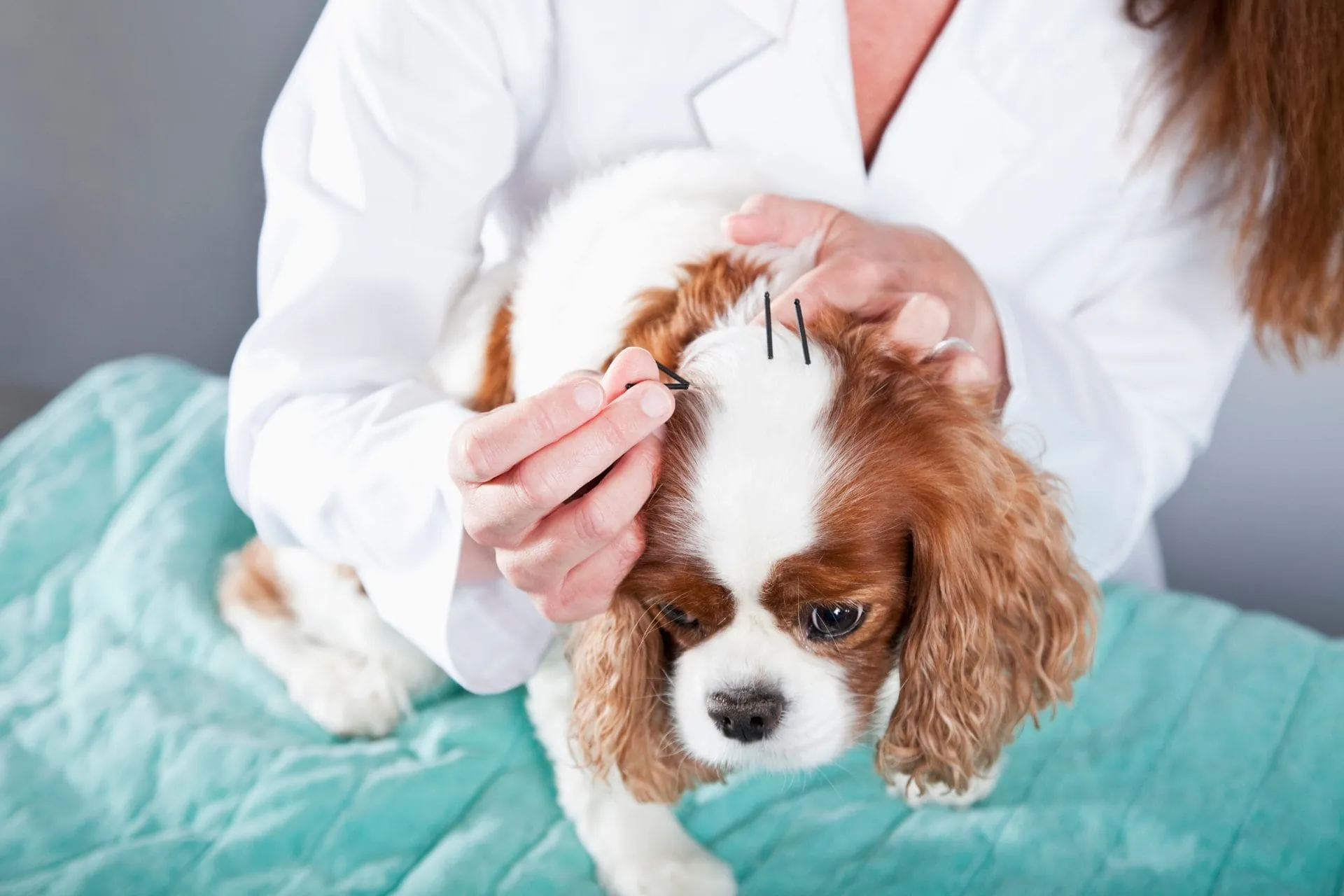
If you’ve watched a senior pet move stiffly, seen them manage pain, or noticed fading energy, acupuncture might have crossed your mind. Used in veterinary medicine for decades, it has growing evidence supporting its use, especially for older animals with chronic conditions that don’t always respond to conventional treatments alone.
Acupuncture can seem unfamiliar. You may ask: Does it work? Will needles upset my pet? What conditions can it help? How many sessions are needed? How do you find a qualified practitioner?
We’ve written this guide to answer those questions. Acupuncture isn’t a miracle cure, but it can be surprisingly effective for some pets. It can ease pain, support organs, help with nausea and digestion, and boost quality of life while complementing your vet’s treatments. Here’s what happens in a session, which conditions respond best, and how to include acupuncture in your senior pet’s care plan.
Key Takeaways
- Veterinary acupuncture is a regulated practice that works by stimulating specific points on the body to promote healing and pain relief
- It’s most effective for chronic pain, arthritis, nerve issues, organ support, and managing discomfort from cancer and digestive problems
- Sessions are calm, and most pets relax during treatment; acupuncture is safe in senior animals when performed by a qualified veterinary acupuncturist
- Results typically appear over 4 to 8 weeks, and maintenance sessions help sustain improvements
- A qualified veterinary acupuncturist has specific training and certification in addition to their veterinary degree
Table of Contents
- 1What Veterinary Acupuncture Is and How It Works
- 2Conditions Veterinary Acupuncture Can Help Treat
- 3What to Expect at Your Senior Pet’s First Session
- 4How Many Sessions Does a Senior Pet Typically Need?
- 5Is Veterinary Acupuncture Safe for Senior Pets?
- 6How to Find a Qualified Veterinary Acupuncturist
- 7Frequently Asked Questions About Acupuncture for Senior Pets
What Veterinary Acupuncture Is and How It Works
Acupuncture is an ancient healing practice, thousands of years old in human medicine, and increasingly used in veterinary practice over the past 40 years. In traditional Chinese veterinary medicine, the body’s health depends on the balanced flow of energy, or “qi,” through pathways called meridians. Disease, pain, and dysfunction occur when this flow is blocked or imbalanced. Acupuncture works by stimulating specific points along these meridians to restore balance, reduce pain, and promote healing.
From a modern scientific perspective, acupuncture stimulates nerves, muscles, and connective tissue. It releases endorphins (natural pain-relieving chemicals), reduces inflammation, improves blood flow to injured or diseased areas, and calms the nervous system. Research supports that acupuncture affects the nervous, endocrine, and immune systems in ways that promote pain relief and healing. It’s not magic, but it is measurable and real.
A veterinary acupuncturist examines your pet, takes a detailed history, and identifies which meridians and points are relevant to your pet’s condition. They then insert very thin needles at specific points. The needles may be left in place for 15 to 30 minutes, manually stimulated, or connected to a mild electrical current (electroacupuncture) that enhances the effect. Your pet feels a small poke when the needle is inserted, then little to no sensation as it rests in place. Many pets actually relax deeply during treatment.
Conditions Veterinary Acupuncture Can Help Treat
Acupuncture is most effective for chronic conditions characterized by pain, inflammation, or functional imbalance. It’s not a replacement for antibiotics in acute infections or when surgery is needed. It works alongside conventional veterinary medicine, not instead of it. Here are the conditions where acupuncture evidence is strongest and where senior pets most often benefit.
Arthritis and Chronic Joint Pain
This is one of the most common reasons senior pets receive acupuncture. Osteoarthritis causes pain, stiffness, and inflammation in the joints, and many older dogs and cats live with degrees of it. Acupuncture reduces joint pain and inflammation, improves blood flow to arthritic joints, and can increase a pet’s willingness to move and play. Some pets show noticeable improvement after just a few sessions; others benefit from ongoing monthly or bi-monthly sessions to manage pain long-term. It pairs beautifully with other joint-support treatments, such as pain medications, supplements, and physical rehabilitation.
Nerve Damage and Muscle Weakness
Senior pets sometimes have nerve damage from diabetes or aging, leading to weakness or tremors. Acupuncture can stimulate nerve repair and improve muscle strength. Pets may regain function or slow decline, even if full recovery isn’t possible.
Digestive Issues and Nausea
Chronic vomiting, nausea, poor appetite, and digestive issues often affect aging pets with kidney disease or GI sensitivities. Acupuncture can help settle the stomach, improve appetite, and reduce nausea. It’s especially helpful for senior cats with kidney disease or pets on chemotherapy. Many pet parents report that their picky seniors regain appetite after acupuncture.
Kidney and Organ Support
Chronic kidney disease is common in older pets. While acupuncture can’t restore lost function, it can slow progression, boost appetite, and reduce symptoms such as nausea and lethargy. It may also support liver and heart health, as well as overall vitality, as ongoing support.
Cancer-Related Discomfort and Side Effects
In pets recovering from cancer treatment, acupuncture can reduce pain, manage nausea, boost energy, and improve quality of life. Some studies suggest it may help the immune system. Many oncologists support it for cancer patients.
What to Expect at Your Senior Pet’s First Session
The first appointment is usually longer than follow-ups because the acupuncturist needs to collect a thorough medical history, assess current symptoms, and discuss your goals for your pet’s treatment. Plan to spend about an hour at this session, starting with paperwork and then moving on to a detailed conversation about your pet’s background.
Your acupuncturist will ask about your pet’s symptoms, treatments, daily habits, and goals. These questions help create a complete picture of health.
Next comes an examination. They’ll observe your pet’s posture, gait, and movement. They’ll palpate (feel) your pet, focusing on tension, pain, or heat. They may check your pet’s pulse and look at their gums and tongue, which, in traditional Chinese medicine, reveal internal balance. This exam is thorough and gentle.
Using information from both history and examination, the acupuncturist will explain which meridians and acupuncture points will be used and how the treatment should address your pet’s symptoms. They will also discuss expected results and set a realistic timeline. If acupuncture isn’t suitable for your pet’s condition alone, the acupuncturist will communicate this clearly.
Then comes the treatment. Your pet relaxes in a calm space as the acupuncturist inserts thin needles at specific points—a tiny poke and they’re set. Many pets relax deeply or even sleep. Some fidget briefly, then settle. The needles remain for 15–30 minutes. Some acupuncturists use electroacupuncture, which delivers mild electrical stimulation through certain needles. It doesn’t hurt, though some pets are more sensitive.
After the needles are removed, many pets feel noticeably more relaxed, move a bit more freely, and have a better appetite that evening. Some don’t show obvious changes until several treatments in. Most important: after the first session, your pet should not be traumatized or afraid. Acupuncture is designed to be calming, not stressful.
How Many Sessions Does a Senior Pet Typically Need?
This varies based on the condition, how long the problem has been present, and how your individual pet responds. There’s no one-size-fits-all answer.
For acute or recent issues, some pets show improvement in just a few sessions. For chronic conditions that have developed over years (like arthritis in a 12-year-old dog), you’re looking at a longer initial course.
A typical initial treatment plan is once-weekly for 4 to 6 weeks, followed by reassessment. After that initial course, if improvement has occurred, many pets do well with maintenance sessions every 2 to 4 weeks or monthly. Some pets plateau after an initial course and don’t need ongoing treatment. Others need regular sessions to sustain improvement.
Your acupuncturist will check in after each session, ask about changes you’ve noticed, and adjust the plan accordingly. They should reassess progress after 4 to 6 sessions and help you decide whether to continue the same frequency, space sessions out, or try a different approach if you’re not seeing results. If your pet isn’t improving after 4 to 6 well-executed sessions, acupuncture alone may not be the right fit for their particular condition, or combining it with other treatments might be necessary.
Is Veterinary Acupuncture Safe for Senior Pets?
Yes. Acupuncture is remarkably safe, even for very old and fragile pets. The needles are sterile, single-use, and extremely thin. The procedure itself is minimally invasive. Senior pets tolerate it well, and there are very few contraindications.
The main precautions are common sense: don’t use acupuncture to delay necessary surgery or antibiotics, don’t skip conventional treatments when they’re genuinely needed, and make sure your acupuncturist coordinates with your veterinarian if your pet has serious medical conditions. Some situations do require caution: pets with serious bleeding disorders or those on blood thinners should be treated carefully (though acupuncture is often still possible with adjusted needle placement). Pets with severe anxiety about needles can be managed with calming approaches or shorter sessions.
The biggest safety concern isn’t acupuncture itself but ensuring your pet is evaluated by a veterinarian first to rule out conditions that need different treatments. Acupuncture is a complementary therapy, not a diagnostic tool. If your pet has a problem that needs diagnosis and specific treatment, that comes first. Acupuncture works best when it’s part of a coordinated care plan with your primary veterinarian.
Choose a qualified practitioner (see the next section), and you’re choosing someone trained to place needles safely, recognize contraindications, and modify treatment for your pet’s individual needs. In the hands of a qualified practitioner, acupuncture is one of the safest therapeutic options available for senior pets.
How to Find a Qualified Veterinary Acupuncturist
Not every veterinarian who performs acupuncture has formal training in it. The difference matters. A qualified veterinary acupuncturist has completed a structured training program (typically 150 to 300+ hours, depending on the certification) beyond their veterinary degree, is certified by a recognized credentialing body, and often continues education to stay current.
Look for:
- Veterinarians certified by the International Veterinary Acupuncture Society (IVAS).
- Training from established acupuncture schools like Colorado State University’s veterinary acupuncture program, which is rigorous and well-respected.
- Transparency about their training and credentials. Qualified acupuncturists are happy to tell you where they trained and what certifications they hold.
- A willingness to coordinate with your pet’s primary veterinarian and provide written treatment notes.
- A thorough initial exam and clear explanation of what they’re doing and why.
Where to search:
- The IVAS website (ivas.org) has a directory of certified veterinary acupuncturists by location.
- Your primary veterinarian may have referrals for acupuncturists they trust and coordinate with.
- Ask for recommendations from local senior pet or hospice care communities; they often know who does good work.
- Ask questions: How much training have you had? What credentials do you hold? How do you work with my regular vet?
A qualified acupuncturist will want to communicate with your primary vet, will explain clearly what they’re doing and why, won’t make promises of miraculous cures, and will honestly tell you if they think acupuncture isn’t the right fit for your pet’s needs. Trust those instincts. Acupuncture works best when it’s part of coordinated care, not a substitute for it.
Frequently Asked Questions About Acupuncture for Senior Pets
Will acupuncture needles cause my pet pain or trauma?
The needles are extremely thin (thinner than a human hair in most cases), and many pets don’t react visibly when they’re inserted. There’s a brief moment of insertion, then little to no sensation. Most pets relax deeply during treatment, and some fall asleep. A very small number of pets are needle-sensitive and find the experience stressful, but this is uncommon. Your acupuncturist can work with anxious pets by using shorter sessions, calming techniques, or fewer needles at first.
How long does it take to see results from acupuncture?
This varies. Some pets show improvement after the first session: increased appetite, better movement, or less obvious pain. Many pets show clearer changes after 3 to 4 sessions. For conditions that have been present for years, you might not see significant improvement for 6 to 8 sessions. If you don’t see any positive changes after 4 to 6 well-done sessions, acupuncture may not be the right treatment for your pet’s particular condition.
Can acupuncture replace my pet’s regular pain medications?
Not always. For some pets, acupuncture reduces pain enough that medication doses can be lowered or decreased over time, which is wonderful. For others, acupuncture works best alongside medication. Your veterinarian can help you decide whether to try tapering medications once acupuncture is established and working. Never stop medications without talking to your vet first.
Is acupuncture covered by pet insurance?
Some policies do cover acupuncture, especially if performed by a licensed veterinarian. Many don’t. Check your policy or ask your insurer directly. The cost varies widely: initial sessions can range from $75 to $200, with follow-up sessions typically lower. Many acupuncturists offer package pricing for multiple sessions upfront.
What if my pet has other health conditions? Can they still get acupuncture?
Usually, yes. Senior pets almost always have multiple conditions, and acupuncture is designed to work alongside conventional treatments. The important thing is to tell your acupuncturist about any other conditions your pet has and the medications your pet takes. This helps them adjust needle placement, the number of needles, and session duration as appropriate. Your acupuncturist should also communicate with your regular veterinarian to ensure there is no conflict of interest.
On this topic