







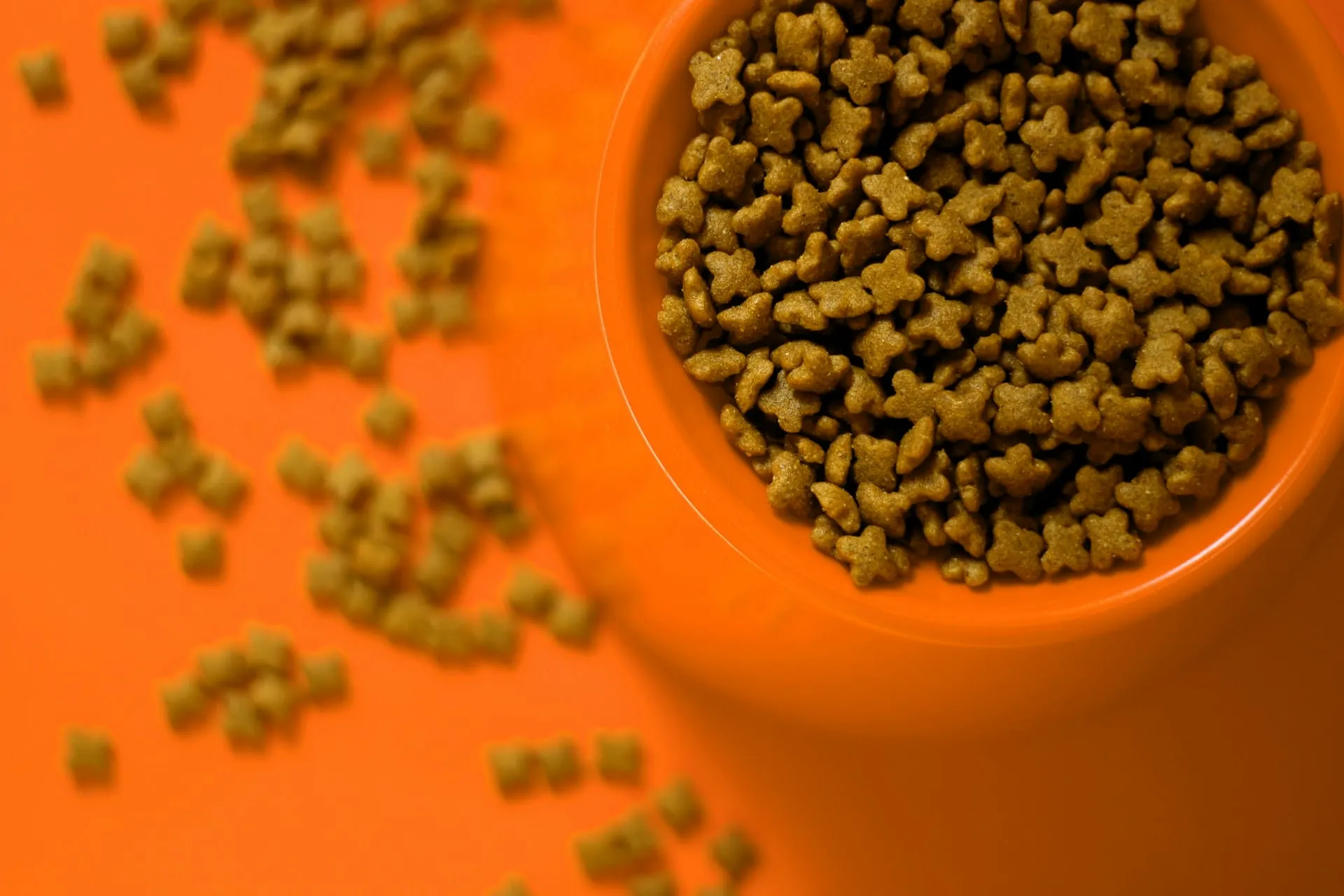
Watching your beloved companion turn away from their favorite meal feels like a dagger to the heart. I understand that desperate feeling when you’d give anything to see them eagerly gobble up their dinner again. When terminal illness steals our pet’s appetite, we often feel helpless, wondering if we’re failing them in their time of greatest need.
Please know that appetite loss in terminal pets is heartbreakingly common, and your pet’s refusal to eat isn’t a reflection of your care or their love for you. As someone who’s walked this path, I want to share gentle, practical ways to support your precious friend during this difficult time. Some strategies may work beautifully, others might not, and that’s okay. What matters is that you’re trying, and your pet knows they’re loved.
This guide comes from a place of deep understanding and contains real strategies that have helped countless pet parents navigate these challenging waters. Whether your dog, cat, or other cherished companion is struggling with eating, these compassionate approaches can help maintain their comfort and dignity. Remember, there’s no perfect approach, only the one that feels right for you and your treasured friend.
Table of Contents
- 1Understanding Why Terminal Pets Stop Eating
- 2Safe Ways to Stimulate Appetite in Terminal Pets
- 3Critical Hydration Support for Dying Pets
- 4When to Stop Pushing Food: Reading Your Pet’s Signals
- 5Working with Your Vet on Terminal Pet Appetite Support
- 6Finding Peace in the Journey
- 7Frequently Asked Questions About Why Terminal Pets Won’t Eat
Understanding Why Terminal Pets Stop Eating
Before we explore solutions for appetite loss in terminal pets, it helps to understand why our beloved companions lose interest in food. This knowledge can ease some of the guilt and frustration you might feel while helping you make informed decisions about their care.
Terminal illness affects pets in multiple ways that directly impact their desire to eat. Nausea and digestive discomfort often accompany many end-stage diseases, making the thought of food unappealing or even distressing. Like humans experiencing nausea, pets naturally avoid food when their stomachs are unsettled. Cancer, kidney disease, and liver failure commonly cause this persistent queasiness that makes even favorite treats seem unappetizing.
Pain and general discomfort can completely override natural hunger signals. Even with appropriate pain management protocols in place, some pets feel too unwell to show interest in food. Their bodies are working incredibly hard to cope with illness, making eating feel like an insurmountable task rather than a pleasure.
Medication side effects frequently suppress appetite in unexpected ways. While these medications may be absolutely essential for maintaining comfort and managing symptoms, they can inadvertently make food less appealing or alter taste perception. Pain medications, antibiotics, and chemotherapy drugs are particularly known for affecting appetite. Your veterinarian can sometimes adjust dosages, change timing, or switch medications to minimize this challenging side effect.
Changes in smell and taste occur with many terminal illnesses, fundamentally altering how food is perceived. Foods that once excited your pet may now seem foreign, unpleasant, or completely uninteresting. This sensory change is especially common with kidney disease, certain cancers, and respiratory conditions that affect the sense of smell.
The natural end-of-life process includes decreased appetite as the body begins shutting down non-essential functions. As difficult as it is to accept, reduced eating can be part of the body’s natural preparation for passing. This biological process doesn’t mean we shouldn’t try gentle encouragement, but it helps us understand when to ease our efforts and focus on comfort.
Safe Ways to Stimulate Appetite in Terminal Pets
Now let’s explore compassionate strategies for encouraging terminal pets to eat without causing additional stress. Remember, these are gentle attempts designed to work with your pet’s changing needs, never forceful measures that prioritize food intake over comfort.
Temperature and Texture Modifications for Appetite Loss
Sometimes the smallest changes can make the most significant difference in encouraging a terminal pet to eat. Temperature and texture modifications often succeed when nothing else seems to work.
Warming food slightly releases enticing aromas that stimulate interest even in the most reluctant eaters. Heat wet food to just above room temperature, constantly testing it first to ensure it’s not too hot. Think of baby bottle temperature as your guide. The enhanced smell often triggers interest by engaging your pet’s sense of smell, which may be one of their strongest remaining senses. Many pet parents find that simply warming their pet’s regular food transforms it from something ignored to something worth investigating.
Offering different textures helps accommodate new preferences and physical limitations. Terminal pets often develop surprising texture preferences they never had before. Try pureeing their regular food with warm water or low-sodium broth to create a smooth, easy-to-lap consistency. If they typically eat pâté-style food, try offering chunks in gravy instead, or vice versa. Mixing wet and dry food can provide interesting texture variety that might spark curiosity. Small “meatball-sized” portions make eating less overwhelming and more manageable for pets with reduced energy.
Elevating food bowls reduces neck strain and can significantly decrease nausea during eating. Raised feeders or even a simple stack of books under the bowl can make the physical act of eating more comfortable, especially for larger dogs or those with arthritis or mobility issues. This simple adjustment often makes a remarkable difference in willingness to eat.
Flavor Enhancement Strategies for Terminal Pet Appetite
When regular food loses its appeal, strategic flavor enhancement can reignite interest in eating. These additions make food more aromatic, flavorful, or simply different enough to capture attention.
Low-sodium chicken or bone broth is a miracle worker for many terminal pets. Always ensure any broth is entirely free of onion, garlic, and excessive sodium. Warm the broth slightly and pour it over food to create a gravy-like coating, or offer it alone as a nutritious drink. Many pets who adamantly refuse solid food will still eagerly lap up tasty broth, providing at least some nutrition and crucial hydration.
Baby food in meat varieties can entice even the pickiest terminal eaters. Ensure you choose varieties without onion, garlic, or other toxic ingredients. The smooth texture and concentrated flavor of turkey, chicken, or beef baby food appeal to many pets who have lost interest in their regular meals. The convenience of small jars also makes it easy to offer fresh options at each feeding attempt.
Special treats as meal toppers can transform ordinary food into something worth eating. Crumbled freeze-dried liver provides an intensely flavored topping that many pets find irresistible. A tiny splash of canned tuna juice (never the oil) can make cat food more appealing. Small amounts of plain, unsweetened yogurt add both flavor and beneficial probiotics. Bits of scrambled egg offer easily digestible protein with an appealing texture. For dogs only, a tiny drizzle of honey can add sweetness that encourages eating.
Nutritional gels and pastes designed specifically for sick pets provide concentrated calories in small, manageable amounts. Products like Nutri-Cal offer vital nutrition in just a teaspoon, making them perfect for pets who can only manage tiny amounts of food. These supplements can be offered alone or mixed with other foods to boost caloric content.
Hand-Feeding Techniques That Strengthen Bonds
Sometimes, the personal touch makes all the difference in encouraging a terminal pet to eat. Hand-feeding creates intimate moments of connection while stimulating appetite through comfort and trust.
Offering food from your hand transforms mealtime into a bonding experience that may encourage eating. The warmth of your hand, familiar scent, and encouraging presence provide comfort that can override reluctance to eat. Try placing small amounts on your fingertip or palm, allowing your pet to lick at their own pace. This method works particularly well for pets who have always been food-motivated by human interaction.
Using different locations can spark interest by breaking the routine and potentially avoiding negative associations with the regular feeding area. Try feeding in bed with your pet, creating a cozy, pressure-free environment. Take advantage of good weather by offering meals outside in the sunshine, where different smells and sounds might stimulate the appetite. Feed in their current favorite resting spot to minimize effort and stress. If you have multiple pets, ensure feeding happens away from others who might create competition or stress.
Making it a gentle game works for pets who still show some spark of playfulness. Hide tiny portions around the room for a low-energy treasure hunt. Use puzzle feeders set to the easiest setting to provide mild mental stimulation along with food. Remember, this approach only works for pets with some remaining energy. Never force play or make eating stressful in the name of encouragement.
Critical Hydration Support for Dying Pets
Hydration for terminal pets often becomes more critical than food intake. While a pet can go days without eating, dehydration causes discomfort much more quickly. Maintaining adequate fluid intake deserves special attention and creative approaches when regular water drinking decreases.
Creative Water Alternatives for Hydration
When plain water no longer appeals to your terminal pet, these alternatives often succeed in maintaining crucial hydration levels.
Flavored water options make drinking more appealing through added taste and aroma. Add just a splash of low-sodium chicken broth to regular water to create a subtle flavor that interests many pets. Tuna water from canned tuna (packed in water, not oil) provides another flavorful option, especially appealing to cats. Diluted, unflavored Pedialyte offers both hydration and electrolyte replacement for pets experiencing fluid loss. Creating ice cubes from diluted broth gives dogs who enjoy licking ice a fun way to hydrate slowly.
Multiple water stations throughout your home ensure easy access, regardless of where your pet rests. Use different bowl types to accommodate new preferences. Some pets develop strong preferences for ceramic bowls over metal ones or wide, shallow bowls over deep ones. Temperature preferences may also change, with some pets preferring room-temperature water while others want it slightly cool.
Water fountains particularly appeal to cats, as the moving water often interests them more than still water. The gentle bubbling sound can encourage investigation and drinking. Even pets who have never shown interest in fountains before may find them appealing during illness, possibly because the movement makes the water seem fresher.
Syringe Feeding Done Right for Hydration
When pets won’t drink independently, gentle assistance through syringe feeding helps maintain hydration without causing stress or aspiration risk.
Proper syringe technique prevents choking and minimizes stress for both you and your pet. Use a needleless syringe, which your veterinarian can provide in various sizes. Always aim for the pocket beside the mouth, never straight back toward the throat. Give tiny amounts of just 1-2 milliliters at a time, allowing complete swallowing between each gentle administration. Watch your pet’s body language carefully and stop immediately if they show signs of distress, coughing, or resistance.
Making syringe feeding pleasant involves several comfort measures. Always warm fluids to body temperature to avoid shocking sensitive mouths. Mixing in a tiny amount of honey can make the experience more positive for dogs. Maintain calm, gentle praise throughout the process, keeping your voice soft and reassuring. Keep sessions short and frequent rather than trying to administer large amounts at once, which can cause anxiety and aversion.
Subcutaneous fluids administered by your veterinarian or taught for home use can supplement oral hydration when drinking becomes insufficient. This process involves injecting sterile fluids under the skin, gradually absorbing them. While the idea might seem daunting initially, many pet parents find that subcutaneous fluid administration becomes a peaceful ritual that significantly improves their pet’s comfort during terminal illness.
When to Stop Pushing Food: Reading Your Pet’s Signals
The hardest part of managing appetite loss in terminal pets involves recognizing when our well-intentioned efforts cause more stress than benefit. Terminal pets communicate their needs clearly when we learn to read their signals. Respecting these communications represents one of the most incredible acts of love we can offer.
Signs it’s time to ease up include consistently turning away from food, even favorites. When your pet leaves the room, they communicate clearly upon seeing food or feeding supplies. Excessive drooling, lip licking, or gagging indicates nausea that makes eating distressing rather than comforting. If your pet becomes agitated, fearful, or aggressive during feeding attempts, continuing will damage your bond and increase their stress. Vomiting after eating suggests their body can no longer process food comfortably.
Quality of life markers help guide these difficult decisions. Ask yourself whether eating attempts cause more distress than the potential comfort from nutrition. Consider whether your pet maintains basic contentment and connection without food. Evaluate if forced feeding is damaging the trust and bond you’ve built over the years together. These questions don’t have easy answers, but honest reflection helps guide compassionate choices.
Remember that in the final stages of life, many pets naturally stop eating as part of the dying process. This biological imperative isn’t giving up or failing them. Instead, it’s respecting their body’s wisdom and their journey toward peace. Your veterinarian can help you understand when this natural point arrives and support you in making loving decisions.
Working with Your Vet on Terminal Pet Appetite Support
Your veterinary team remains your most valuable resource for managing terminal pet appetite loss. Open, honest communication about your pet’s eating challenges and your concerns helps create the best support plan for your unique situation.
Appetite stimulant medications like mirtazapine or maropitant can help some pets regain interest in food. These medications work through different mechanisms, either by reducing nausea or directly stimulating appetite centers in the brain. While not appropriate for every situation, they can provide significant relief when other methods haven’t succeeded. Discuss potential benefits and side effects with your veterinarian to make an informed decision.
Anti-nausea medications address the underlying discomfort that prevents many terminal pets from eating. If nausea is the primary barrier to eating, treating it directly often restores some appetite and improves overall comfort. Various medications exist for different types of nausea, and your vet can help identify the most appropriate option for your pet’s specific condition.
Pain management adjustments might significantly improve appetite. Sometimes, tweaking pain medication types, dosages, or administration schedules reduces side effects while maintaining comfort. Don’t hesitate to report any changes in eating patterns after starting new pain medications, as alternatives almost always exist.
Nutritional support options extend beyond home feeding strategies. Prescription appetite-stimulating diets offer enhanced palatability and concentrated nutrition, while high-calorie nutritional supplements provide maximum nutrition in minimal volume. While feeding tubes remain an option, many families choose to avoid this intervention in terminal cases, focusing instead on comfort and quality of life.
Regular check-ins help you adjust strategies as your pet’s needs evolve. What works wonderfully one week might suddenly stop working the next. This unpredictability is entirely normal in terminal illness, not a failure of your care. Frequent communication with your veterinary team ensures you always use the most appropriate and comfortable approaches for your pet’s current state.
Finding Peace in the Journey
As you navigate the challenging path of managing appetite loss in terminal pets, please be infinitely gentle with yourself. Some days will feel more difficult than others. Some tricks will work miraculously, then suddenly stop without warning. This unpredictability is part of the terminal illness journey, never a reflection of your dedication or love.
Your pet feels your love whether they eat a full meal or manage just a few tentative licks. They know you’re trying everything possible to help them. They feel the warmth in your voice as you offer their favorite treats with hopeful encouragement. They sense your devoted presence as you sit beside them, gently offering food and comfort. These moments of connection matter infinitely more than any successfully eaten meal.
This journey of caring for a terminal pet asks everything of our hearts. But in these tender moments of warming their food just right, hand-feeding tiny morsels with infinite patience, and gently offering water from a syringe, we give them the most precious gift possible: our unwavering presence and unconditional love.
When the time comes that eating truly no longer serves them, you’ll know with quiet certainty. Trust yourself, trust your pet, and trust the bond you’ve built together. Know that every gentle attempt, every creative solution you tried, every moment spent encouraging just one more bite was a pure expression of the profound love you share.
Your pet is blessed to have someone who cares enough to research solutions, try new approaches, and refuse to give up easily. Ultimately, that love, not the food, sustains them and provides comfort as they prepare for their next journey. From one pet parent to another who understands this path, I see you. I honor your dedication. And I’m holding space for both you and your beloved companion as you walk this sacred journey together.
Remember, the Love, Baxter community understands the pain of watching appetite loss in terminal pets. Whether your cherished friend rallies and enjoys meals again or continues their gentle decline, you’re never alone. Every effort you make, every tear you shed, every moment of frustration, and every small victory are witnessed and honored. Your love shines through it all, and that’s truly what matters most.
Grieving a pet who’s still with you is its own experience, and it deserves naming. Our anticipatory grief hub covers what that stretch feels like and how people get through it.
Frequently Asked Questions About Why Terminal Pets Won’t Eat
How do I know if I should keep trying to get my terminal pet to eat, or if I’m prolonging their suffering by pushing food?
This is perhaps the most agonizing question pet parents face when caring for a terminal companion, and the answer requires carefully reading your pet’s specific signals while balancing your natural desire to help with respect for their body’s wisdom about what it needs, or doesn’t need, at this stage of their journey. The key is distinguishing between situations where gentle encouragement genuinely improves comfort and quality of life, and those where continued feeding attempts cause more distress than benefit. Signs that gentle encouragement remains appropriate include your pet showing some interest in food, even if it’s inconsistent: perhaps they sniff offerings, lick tentatively, or manage a few bites before losing interest, which suggests they’re willing to try even if their body isn’t cooperating fully. If they eat small amounts when you offer particularly appealing options (warmed food, hand-feeding, special treats), this indicates that appetite still exists beneath the illness effects, making continued creative efforts worthwhile. When your pet remains calm and relaxed during feeding attempts, showing no signs of stress, anxiety, or distress, this suggests your efforts aren’t causing suffering, even if they’re not succeeding in getting much food consumed. If your veterinarian confirms that your pet’s body can still process nutrients and that eating would genuinely benefit their comfort and energy levels rather than just prolonging inevitable decline, continued gentle encouragement makes sense. Some terminal pets experience fluctuating appetites: they eat nothing for days, then suddenly show interest again. If you’re seeing these cycles rather than complete, permanent refusal, staying attentive to opportunities to offer food serves them well. Conversely, signs it’s time to stop pushing food and accept that eating no longer serves them include consistent, determined turning away from all food offerings, even favorites that previously would have been irresistible. When a dog who would have done backflips for cheese refuses it repeatedly, they’re communicating clearly. If your pet leaves the room when they see food, actively avoids their feeding area, or shows body language like flattened ears, a tucked tail, or backing away when food appears, they’re expressing that feeding attempts have become aversive rather than comforting. Physical distress signals during or after eating (excessive drooling, lip licking, gagging, vomiting, or visible nausea) indicate their body can no longer process food comfortably, making continued attempts counterproductive. Any aggression, fear, or significant behavioral change during feeding attempts suggests you’re pushing past their tolerance and potentially damaging the trust and bond that matters most during this precious time together. If your veterinarian confirms that your pet’s organs are shutting down to the point where their body can no longer process nutrients effectively, continuing to push food won’t benefit them and may cause discomfort. The most important consideration is whether feeding attempts maintain or diminish your pet’s quality of life and your relationship with them. If every interaction has become about food pressure rather than connection, comfort, and love, it’s time to step back. Many terminal pets naturally stop eating as part of the dying process, and this biological imperative isn’t giving up or your pet “choosing” to leave you. It’s their body’s wisdom preparing for transition. In these cases, forcing food fights against what their body is trying to do and can actually prolong discomfort rather than extend quality time. A helpful framework is asking yourself: “Am I trying to get my pet to eat because eating genuinely improves their comfort and quality of life right now, or because I’m not ready to accept that we’re entering the final phase?” Both answers are understandable and human, but only the first justifies continued feeding attempts. Trust yourself to know the difference; you know your pet better than anyone. When you quiet the panic and guilt, your intuition will guide you to the right balance between gentle encouragement and peaceful acceptance of their body’s declining needs.
My vet suggested appetite stimulant medications, but I’m worried about side effects or forcing my pet to eat when their body is trying to shut down naturally. How do I decide if medication is the right choice?
The decision about appetite stimulant medications for terminal pets requires weighing potential benefits against possible side effects while considering your pet’s overall situation, prognosis, and quality of life goals, and it’s completely reasonable to have concerns about whether these medications represent genuine comfort care or artificial prolongation of a natural process. Understanding what these medications actually do and when they’re most appropriate helps you make informed decisions aligned with your pet’s best interests. Appetite stimulants like mirtazapine or maropitant work through different mechanisms (some directly stimulate appetite centers in the brain, while others reduce nausea that prevents eating), and they’re most beneficial in specific situations where appetite loss stems from treatable causes rather than the final shutdown process. Consider appetite stimulants as potentially appropriate when your pet’s appetite loss is primarily medication-related: if pain medications, antibiotics, or other necessary drugs are suppressing appetite as a side effect, stimulants can help your pet maintain nutrition despite these pharmaceutical effects. When nausea is the main barrier to eating and your pet shows interest in food but can’t follow through because they feel sick, anti-nausea medications or appetite stimulants that address this specific issue can genuinely improve comfort and quality of life by removing an unpleasant symptom. If your pet is in relatively early stages of terminal illness where eating still provides meaningful energy, comfort, and life enjoyment (perhaps they’re declining but still engaged with life, interested in activities, and showing personality), appetite stimulants might buy quality time by addressing one barrier to wellbeing. When your pet has a terminal condition but a prognosis still includes weeks or months of reasonable quality life ahead, supporting appetite during this extended period makes sense as part of comprehensive palliative care. Situations where appetite stimulants are less appropriate or potentially problematic include when your pet is in an active dying process, where the body is naturally shutting down non-essential functions. In these final days or hours, forcing the digestive system to process food when it’s preparing to stop can actually create discomfort rather than relief. If your pet’s organs are so compromised that they can no longer effectively process nutrients (severe kidney or liver failure), stimulating appetite means they eat food their body can’t use, potentially causing additional distress through digestive upset or metabolic complications. When your pet shows clear, consistent signals that they don’t want food (turning away, leaving the room, showing distress during feeding attempts), medication that overrides these clear communications may not serve their comfort even if it technically makes them eat. If side effects from appetite stimulants (which can include sedation, restlessness, or behavioral changes depending on the medication) would decrease quality of life more than poor appetite does, the intervention isn’t worth the cost. The decision framework should center on these questions: What is stimulating appetite trying to accomplish, maintaining strength for quality time ahead, or just postponing the inevitable for your emotional comfort? Does your pet still derive pleasure and energy from eating when they do eat, suggesting appetite stimulation would restore something meaningful they’re missing? Are they refusing food because of a treatable symptom (nausea, medication side effects) or because their body is naturally preparing for death? Would the potential side effects of appetite stimulants (discuss specifics with your vet for each medication option) be acceptable trade-offs for potentially improved eating? Most importantly, does your pet’s overall condition suggest they have quality time ahead if nutrition improves, or are they showing multiple signs that their body is shutting down regardless of food intake? Having an honest conversation with your veterinarian about prognosis helps clarify whether appetite support serves comfort or prolongs the journey. Ask directly: “If we successfully improve appetite, what would that realistically change about my pet’s remaining time and quality of life?” Sometimes the answer is “They might have a few more comfortable weeks enjoying activities they love,” which makes intervention worthwhile. Other times it’s “They might linger a few extra days but without meaningful improvement in how they feel,” which suggests letting nature take its course more peacefully honors their needs. Remember that trying appetite stimulants doesn’t commit you to continuing them: you can do a trial to see if they genuinely improve your pet’s comfort and quality of life, then discontinue if they’re not providing meaningful benefit or are causing problematic side effects. Trust yourself to evaluate whether the medication serves your pet’s comfort or your own difficulty accepting their decline, and permit yourself to make different choices as their condition evolves.
I feel like I’m failing my pet because I can’t get them to eat. How do I cope with the guilt of watching them lose weight and knowing they’re not getting nutrition?
The guilt you’re experiencing is one of the most painful and nearly universal aspects of caring for a terminal pet who won’t eat, and please hear this clearly: you are not failing your pet, and their decreasing appetite and weight loss are reflections of their illness progression, not inadequacies in your care or devotion. Understanding why this guilt feels so overwhelming and learning to reframe your role during this stage can help ease some of the emotional burden you’re carrying alongside the grief of impending loss. The guilt around not being able to feed a terminal pet stems from deeply primal instincts: providing food is one of the most fundamental ways we demonstrate care and love, so when our pet refuses what we offer, it triggers profound feelings of helplessness and failure, even though rationally we know we’re not responsible for their illness. Throughout your pet’s life, you’ve expressed love through feeding, preparing meals, offering treats, celebrating with special foods, so when this primary love language suddenly stops working, you lose a crucial way of showing care at precisely the moment you most want to comfort them. Our culture also equates feeding with healing, creating subconscious beliefs that if you could find the right food or try hard enough, you could reverse their decline, making their continued weight loss feel like evidence of insufficient effort. The visible nature of weight loss makes it particularly distressing. While internal disease progression happens invisibly, the physical changes of weight loss are undeniable, creating constant visual reminders of your pet’s decline that can feel like accusations of your inadequacy. First, recognize that terminal illness causes appetite loss through multiple mechanisms completely beyond your control: nausea, pain, organ failure, medication side effects, and natural body shutdown processes all suppress appetite regardless of what food you offer or how you present it. Your pet’s refusal to eat isn’t a personal rejection of your care but rather a biological imperative from a body that’s struggling or shutting down. Second, understand that at certain stages of terminal illness, eating actually becomes counterproductive. When organs can no longer process nutrients effectively, forcing food creates discomfort without providing actual nourishment, meaning that less eating can sometimes represent your pet’s wisdom about what their body can handle rather than something you should override. Weight loss in terminal pets often reflects disease progression more than inadequate caloric intake: cancer cachexia, kidney failure, and other terminal conditions cause weight loss even when pets do eat because the disease process itself breaks down body tissues. This means that even if you successfully got your pet to eat more, it might not prevent the weight loss you’re witnessing. Reframe your role from “getting them to eat” to “offering comfort, love, and gentle opportunities for nutrition without pressure”. This shift releases you from responsibility for outcomes you cannot control while honoring what you can actually provide. Your pet knows you’re trying to help them, and they feel your love in every gentle offering, every creative attempt, every moment you spend trying to make food appealing. What matters most to them isn’t whether they successfully eat but that you’re present, patient, and loving during this difficult time. Focus on what you can control and what genuinely matters: ensuring they’re comfortable and not in pain through proper medication management, providing hydration which often matters more than food in terminal stages, offering love, comfort, and your calm, reassuring presence, maintaining their dignity by not forcing or pressuring when they clearly communicate refusal, and creating peaceful, connection-filled moments that aren’t centered on food battles. Many pet parents report that the most meaningful final memories weren’t about eating at all but rather quiet moments of being together: gentle petting, soft words of love, simply sitting beside their pet and sharing space. These moments of pure connection often provide more comfort than any meal could. Consider also that your pet is teaching you an important lesson about love and care that extends beyond meeting physical needs: sometimes love means accepting what we cannot fix, sitting with discomfort without trying to solve it, and honoring another being’s journey even when it diverges from what we wish for them. If guilt continues to overwhelm you, try this perspective shift: Instead of “I can’t get them to eat” (which frames you as failing), try “Their body is no longer accepting food” (which accurately describes the medical reality). Instead of “They’re starving and it’s my fault,” try “Their illness is progressing and I’m providing comfort and love during this natural process.” Instead of “I should be able to fix this,” try “I’m showing love by respecting their body’s signals and not forcing something that causes distress.” Talk to your veterinarian about what’s normal for your pet’s specific condition. Hearing from a professional that weight loss is expected and that continued feeding attempts might actually be counterproductive can provide crucial permission to release yourself from guilt. Connect with pet hospice resources or pet loss support groups where other pet parents share similar experiences: hearing that others have felt this same guilt and survived it, and that their pets passed peacefully regardless of late-stage eating patterns, can normalize your experience. Finally, consider how you’ll remember this time: will you want to remember endless battles over food that stressed both you and your pet, or peaceful moments of connection where you honored their preferences and needs even when those needs contradicted your desire to feed and nurture them? Your pet will remember and appreciate the latter far more than they would have appreciated successful force-feeding.
At what point does trying to keep my terminal pet eating cross the line into prolonging their suffering? How do I know when to let nature take its course and stop interventions?
This profound question strikes at the heart of end-of-life care ethics and represents the intersection of love, medicine, and the difficult acceptance that sometimes the most compassionate choice involves stepping back rather than continuing intervention, even when those interventions feel like expressions of love and care. Knowing when to let nature take its course requires honest assessment of your motivations, your pet’s actual experience, and the difference between care that serves their comfort versus care that serves our own emotional needs. The line between appropriate support and prolongation of suffering isn’t always clear, but several frameworks can help you evaluate where you and your pet currently stand. Consider whether interventions are actually improving your pet’s quality of life or just maintaining biological functions. There’s a crucial difference between a pet who eats a little when gently encouraged and then seems more comfortable and energetic afterward (intervention serving their wellbeing) versus a pet who eats reluctantly under pressure but shows no improvement in comfort, engagement, or quality of life (intervention serving only continued existence without meaningful benefit). Honestly assess what you’re trying to accomplish with continued feeding efforts: Are you hoping to give your pet the strength to enjoy activities and experiences they still enjoy, or are you primarily postponing the moment you have to say goodbye? Both motivations are deeply human and understandable, but only the first justifies continued intervention from an ethical standpoint. Pay attention to whether your pet’s overall condition suggests that nutrition could meaningfully impact their remaining life: if they’re alert, somewhat mobile, still showing interest in the world around them, and experiencing moments of pleasure or comfort, supporting appetite makes sense as part of maintaining that quality time. However, if they’re largely unresponsive, immobile, showing little awareness of their surroundings, and displaying multiple signs of active dying, additional feeding attempts likely won’t change the trajectory but may add discomfort to their final hours or days. Evaluate your pet’s response to feeding attempts objectively: Do they participate willingly even if eating is limited, or do they actively resist and show stress? Does eating seem to cause digestive distress, vomiting, or increased discomfort afterward? After eating, do they seem more comfortable and engaged, or does it make no discernible difference in their state? These observations help distinguish between feeding that serves them versus feeding that serves our need to “do something.” Watch for signs of active dying where intervention becomes inappropriate: decreased consciousness or awareness, changes in body temperature (extremities becoming cool), changes in breathing patterns, obvious physical shutdown indicators, and complete disinterest in surroundings, including beloved people. When these signs appear, natural death is approaching regardless of nutrition, and continued feeding attempts may interfere with the body’s preparation for peaceful passing. Consider the broader picture of your pet’s quality of life using established assessment tools: are there more bad moments than good in your pet’s days? Can they still engage in any activities that brought them joy? Do they still recognize and respond to you with affection? When negative experiences clearly outweigh positive ones and intervention only maintains suffering without meaningful comfort, it’s time to consider letting nature proceed or choosing euthanasia. Ask yourself the hardest question: “If this were me rather than my pet, would I want someone continuing these interventions, or would I want permission to stop fighting and be allowed to pass peacefully?” This thought experiment often clarifies motivations and helps identify when we’re asking our pets to endure more than we would want for ourselves. Many veterinarians and pet hospice professionals suggest that when you find yourself asking “Are we prolonging suffering?” the question itself often indicates you’ve reached or passed that threshold: our intuition frequently knows the answer before our hearts want to accept it. Trust that inner knowing, even when it’s excruciating to acknowledge. The transition from active care to comfort-focused presence is gradual and can be adjusted: you don’t have to stop all interventions suddenly, but you can scale them back progressively based on your pet’s responses and overall trajectory. Perhaps you stop syringe feeding but continue offering favorite foods if they show interest. Maybe you discontinue appetite stimulants but maintain pain medications and gentle hydration. This graduated approach lets you find the right balance between caring and allowing. Remember that choosing to stop feeding interventions doesn’t mean abandoning your pet or giving up on them. It means shifting your focus from maintaining biological functions to providing comfort, love, presence, and dignity during their final phase. Sometimes the most profound act of love is giving the body permission to complete its natural journey without fighting the inevitable. Many pet parents report that when they finally released the pressure around food and focused instead on simply being present with their pet, the final days or hours became more peaceful and meaningful for both of them, no longer marked by stress and resistance around feeding but by quiet connection and gentle goodbyes.
On this topic