







Returning home after your pet dies is one of the hardest moments you’ll face. It’s not abstract. It’s sensory and immediate. The reality hits your body before your mind catches up.
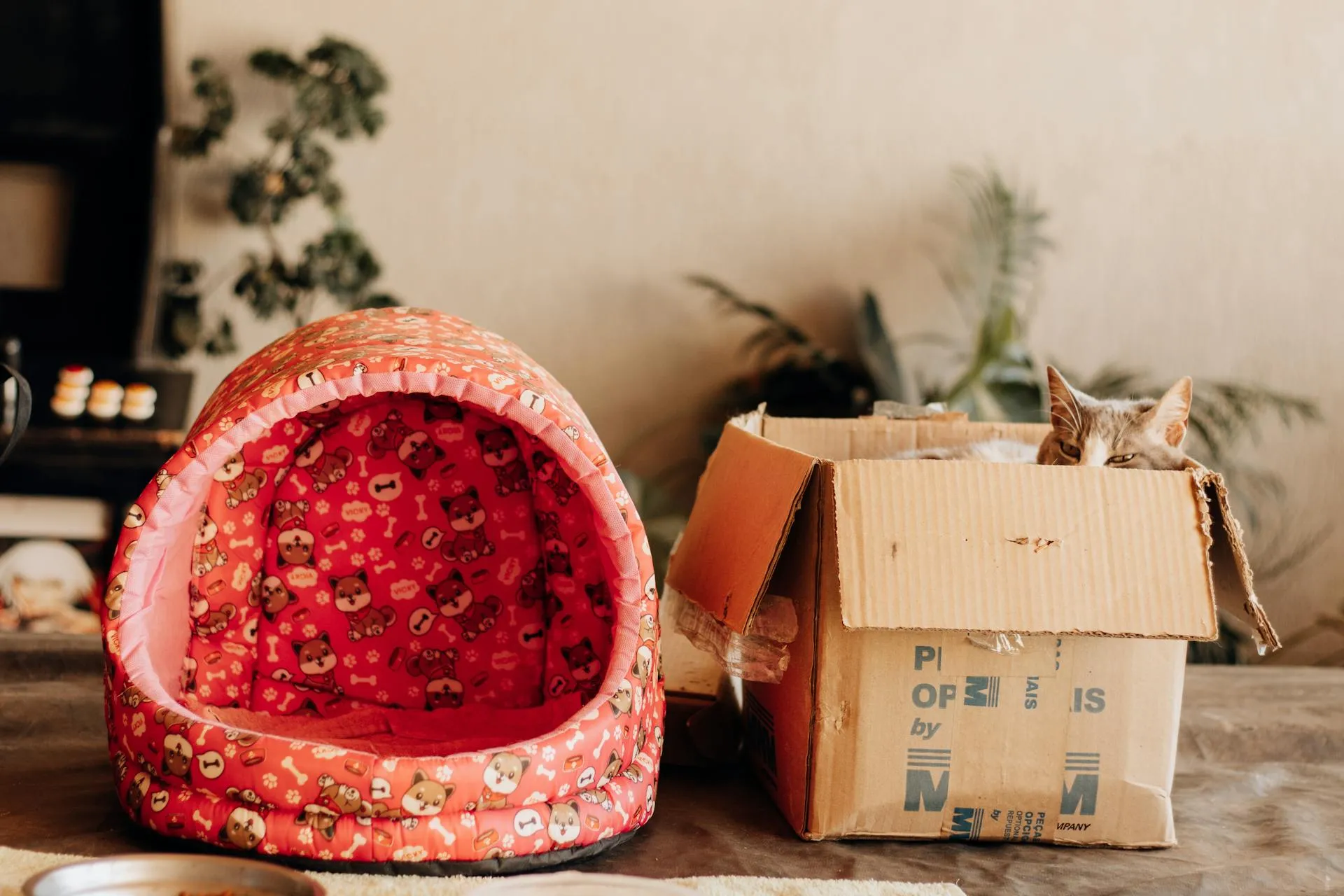
You open the door, and the quiet hits first. No padding of paws across the floor. No head lifting from their bed. No sound at all, just the absence of the small noises that shaped your days. The air might still smell like them. Their favorite spot on the couch sits empty. The food and water bowls are there, untouched. Their leash hangs by the door.
This isn’t something people talk about much. We talk about missing our pets. We don’t talk enough about the physical shock of walking into a house where they’re no longer. Grief doesn’t wait for you to be ready. The space you shared can feel both foreign and haunting at the same time.
We’re here to acknowledge what you’re experiencing right now. Not to fix it, not to minimize it. Just to say: this is real, it’s hard, and what you’re feeling makes complete sense.
Key Takeaways
- Coming home after your pet’s death is a sensory and emotional shock. The quiet, their scent, and their empty spaces are visceral reminders of loss.
- Your body may respond to grief with physical symptoms like fatigue, inability to eat, insomnia, or restlessness. This is normal grief, not weakness.
- There is no timeline for removing your pet’s belongings. Some people need days, others need weeks or months. Both are okay.
- Small rituals like acknowledging the empty space, speaking their name aloud, or creating a temporary memorial can help your mind and body process what happened.
- If grief in your home becomes isolating or you feel stuck, reaching out for community and support is a sign of strength, not a sign of weakness.
- The acute intensity of what you feel in the first hours and days will change. Not disappear, but shift into something more bearable.
Table of Contents
- 1The Sensory Shock of an Empty Home
- 2What the First Hours and Days Feel Like
- 3What to Do With Your Pet’s Belongings
- 4Physical Symptoms of Grief After Your Pet Dies
- 5Small Rituals That Help You Grieve at Home
- 6How to Cope in the Days and Weeks After Your Pet Dies
- 7When Grief at Home Needs Professional Support
- 8Frequently Asked Questions About Grieving Your Pet at Home
The Sensory Shock of an Empty Home
You walk in, and the silence is the first thing. Not the absence of noise, exactly, but the absence of familiar sound. The soft jingle of a collar. The click of nails on hardwood. A pet’s breathing in the next room. Snuffling, snoring, or the sound of them shifting position on their bed.
Your home was structured around those sounds. Your nervous system learned to recognize them. And now they’re gone.
The quiet can be almost violent. Some people describe it as suffocating. Others say it feels like the house is holding its breath.
Then there’s the smell. Their bed still smells like them. Their favorite spot on the couch does, too. Some people find this comforting at first, a way of staying close. Others find it devastating, a reminder that the scent is all that’s left.
You’ll notice their things. The water bowl. The food dish. The leash is by the door. The toys were scattered in corners. The bed. The crate. The spot where they liked to sit in the sun. All of it suddenly feels heavy with meaning.
And there’s the muscle memory. You might find yourself reaching to pet them when you walk past their favorite spot. You might listen for them in the morning before you remember. You might hesitate before your hand goes where it always goes. This is your body knowing that something is missing.
This sensory experience of coming home is among the most disorienting aspects of losing a pet. It’s not metaphorical. It’s real, physical, and deeply unsettling.
What the First Hours and Days Feel Like
The experience of coming home varies depending on the circumstances. But all of these scenarios carry the same core shock: your pet is gone, and you’re home without them for the first time.
If you’ve just come home from the veterinary clinic where your pet was euthanized, you’re likely feeling many layers of grief at once. You made the decision. You said goodbye, or maybe you didn’t have time. You watched it happen, or you didn’t. There’s the medical finality, the empty arms, and the knowledge you won’t make that decision again with this animal. Coming home after that carries the weight of saying “it’s over.”
If your pet died at home, coming home might feel surreal. The spot where it happened is still there. The energy feels different. Some people feel relief. Others feel guilty about that relief. Many feel both at the same time.
If you were away when your pet died, and someone else found them, you’re navigating the shock of absence without having seen the moment. The “what happened in those hours” can keep you up at night. The “why wasn’t I there” can feel enormous.
Regardless of how it happened, the first hours and days often feel like moving through water. Your movements might feel slow. Your thoughts could be scattered. You might forget to eat. You might sleep heavily or not at all. You might feel nothing, then feel everything, then nothing again.
Many people describe the first night or two at home as the hardest. The quiet at night is louder. The bed feels different without their weight or warmth. The morning routine is gone. The rhythm you’ve lived is broken.
This disorientation is grief. It’s not something you’re doing wrong. It’s your brain and body acknowledging that the structure of your life has changed.
What to Do With Your Pet’s Belongings
This is one of the most practical and yet most emotionally fraught decisions you’ll face in the first days. People often feel pressure to make a choice quickly. They feel like they should either box everything up immediately or they’re being weird about it. Neither is true.
There is no right timeline for what to do with your pet’s belongings. None. Some people want their pet’s bed and toys out of sight immediately. Seeing them makes the absence feel sharper. Others want them nearby, a way of staying close to the memory. Both approaches are valid.
Some practical suggestions if you’re unsure:
- You don’t have to decide immediately. Leave the bowls, the bed, and the toys where they are for a few days. Give yourself time to adjust to the loss before you also have to adjust to removing those physical anchors.
- If certain items feel too painful to handle, you can box them up, but you don’t have to dispose of them right away. Store them somewhere out of daily sight.
- You might want them later. You might not. That decision can wait.
- Some people find comfort in keeping one small item: a blanket, a favorite toy, a collar. There’s nothing indulgent about that. It’s a way of honoring what was.
- If you want to donate items, choose an organization you feel good about supporting. A shelter, a rescue, a person you know who needs them. This can be a way of turning your pet’s things into something that helps other animals.
- If you have multiple pets, let their grieving process guide the timing, too. A remaining pet might need their friend’s bed in place for a while longer.
- Food and water bowls sometimes feel the most charged. They’re so closely associated with the ritual of caring for your pet and the daily routine. It’s okay to leave them. It’s also okay to put them away. What feels right is what’s right.
The key is permission. Permission to grieve at your own pace. Permission to look at your pet’s things without forcing yourself to act. The hard work of loss is happening. The logistics of their belongings can wait until you are ready.
Physical Symptoms of Grief After Your Pet Dies
Grief after losing a pet is not just emotional. It lives in your body. This is important to know because people often don’t recognize physical symptoms as grief. They think something is wrong with them medically when really, their body is processing an enormous loss.
You might feel exhausted. Deep, bone-level exhaustion that sleep doesn’t fix. Your body is using a lot of energy to process what happened. Exhaustion is a normal grief response.
You might lose your appetite or find that nothing tastes right. Food might feel irrelevant. This is also grief. Your body isn’t prioritizing nourishment while it processes loss. It typically passes, but in the immediate aftermath, it’s normal.
You might have trouble sleeping. Your bedroom might feel different without your pet. The silence at 3 a.m. might feel impossible. Or you might sleep too much, as if your body is trying to escape the conscious experience of your loss.
You might feel restless. Your body might want to move, to walk, to find some physical outlet for what you’re feeling. Or you might feel frozen, unable to motivate yourself to do things you normally do.
You might feel physically fragile. Your immune system is working overtime. You might get sick. You might feel more vulnerable to pain or discomfort you normally tolerate.
Your nervous system is also in a state of shock. You might feel jittery or on edge. You might cry suddenly without warning. You might feel numb, which can be scary because you wonder if you should feel more. You might feel too much all at once.
All of this is grief. All of this is your body and mind acknowledging that something significant has been lost. It’s not a weakness. It’s not overreacting. It’s the physical reality of grief.
Be patient with your body. It’s doing the work of processing what happened. That takes time, energy, and resources. The physical symptoms will ease, but not on a predictable timeline.
Small Rituals That Help You Grieve at Home
When grief is overwhelming, and your home feels unfamiliar, small intentional actions can help your mind and body begin to process what happened. These rituals don’t have to be elaborate or meaningful to anyone but you.
Some people find it helpful to say their pet’s name out loud. In the quiet of the house, speaking their name acknowledges the absence. It says “this happened” to the space itself. This can feel simple or profound depending on when you do it.
Some people light a candle in their pet’s favorite spot. Not necessarily as a religious act, but as a way of marking the space as significant. As saying “you were here and you mattered.”
Some people sit in the spot where their pet used to lie. Not to torture themselves, but to be present with the grief. To let themselves feel what it feels like that they’re gone. This can feel right or unbearable. You don’t have to do it if you’re not ready.
Some people take a photo of their pet’s empty bed or favorite spot. Not to share, but to acknowledge that the absence is real. Some people write down memories while they’re still fresh, without worrying about grammar or structure. They just write because the thoughts need to go somewhere.
Some people talk to their pet. They tell them goodbye. They tell them what’s happening in the house without them being there. They apologize for something they wish they’d done differently. This isn’t crazy. It’s a way of having the last word, of completing what feels incomplete.
Some people create a small temporary memorial. A photo, a candle, their favorite toy. Not permanent, not elaborate. Just a way of saying “I see that you’re gone and I’m acknowledging it.”
The ritual that helps is the one that feels right to you. Not the one you think you should do. Not the one that looks good. The one that actually helps your body and mind make sense of what happened. That’s the ritual worth doing.
How to Cope in the Days and Weeks After Your Pet Dies
The acute, shocking intensity of the first hours and days does shift. Not disappear, but shift. Your nervous system will begin to adjust to the new reality. The silence will become less violent. The empty spaces will become less jarring.
But this doesn’t happen in a straight line. You might feel okay for a few hours or a day, then something small will trigger the grief again. A sound that reminds you of them. A time of day when you always interacted with them. A date. You might cry as hard as you did the first day, or harder, because you’d started to feel okay, and suddenly you remember they’re still gone.
This is normal. Pet loss grief isn’t linear. It’s more like waves. The waves eventually get smaller, but they come without warning. This can continue for weeks, months, sometimes longer.
Your home will slowly feel more normal, but also permanently different. You might find yourself reorganizing because the space feels wrong now. You might leave their things exactly as they were for a long time. You might create new routines that don’t include them. All of that is part of adjusting.
The physical symptoms of grief usually start to ease after a few weeks, though stress and grief can make people susceptible to illness and exhaustion for longer. Be gentle with yourself during this time. This is hard work, even though it looks like you’re just going about your days.
Some people find that grief is worse at night. Others find it hardest in the morning, when the absence is the most obvious. Some find that weekends are harder because the rhythm is different. Pay attention to when it hits hardest, and don’t be surprised when those times arrive.
Around two to three weeks in, some people feel pressure from others to move on. They feel like they should be over it by now. They’re not. There’s no timeline for grief after losing a pet. Some people feel the sharp weight of the loss for months or years. This isn’t a problem. This is love expressed as grief.
When Grief at Home Needs Professional Support
Grief is isolating by nature. You’re at home without your pet, and the people in your life might not fully understand what you’ve lost. They might say things like “it was just a pet” or “you can get another one.” They might expect you to be fine after a few days. This can make your grief feel invalid or lonely.
If you’re finding that grief is overwhelming and you’re struggling to function, or if you feel truly isolated in your loss, reaching out for support is important. This isn’t a weakness. This is taking care of yourself.
There are communities of people who understand what it’s like to lose a pet. Not in a dismissive way, but in a real, “I get it, this is hard” way. Many of these communities exist online and in person. Some are specific to pet loss. Some are grief communities that include pet loss. Finding your people can help you feel less alone in your home.
There are also pet loss hotlines and counselors who specialize in this grief. Some veterinary clinics can recommend resources. If you need help finding support, the Love, Baxter directory connects you with resources and community for moments like this.
You might also consider talking to a therapist, especially if you’re finding that your grief is compounded by other losses, depression, or anxiety. Pet loss is often the opening that helps people realize they need mental health support. That’s not a weakness in you. That’s the information you need.
What matters is this: you don’t have to grieve alone in your home. Your loss is real. Your pet was important. The grief you’re feeling is proportionate to the love you had. And there are people who understand that completely.
If you want more on what this stage of grief does to you, and how other people have moved through it, our guide to grief and emotions around pet loss gathers the rest of our writing on it in one place.
Frequently Asked Questions About Returning Home After Your Pet Dies
How long will my home feel empty and wrong after my pet dies?
The acute, physical wrongness of the space usually eases after two to four weeks, though this varies greatly depending on the individual. Your nervous system will adjust to the new reality. But your home may feel different long after that. Some people say their home never feels quite the same. That’s grief. It doesn’t mean you’re stuck or that something is wrong with you. It means your pet mattered, and the space you shared together held real meaning.
Is it normal to still smell my pet in the house days after they died?
Yes, absolutely. Your pet’s scent lingers on their bed, their toys, and their favorite spots. Your sense of smell is also heightened by grief, so you might notice scents you wouldn’t normally notice. Some people find this comforting. Others find it painful. Neither response is wrong. You can leave things as they are or gently wash items, depending on what feels right. There’s no correct way to handle this.
Should I remove my pet’s food and water bowls immediately, or can I leave them out?
You can leave them out as long as you need to. There is no rule or timeline here. Some people leave bowls in place for weeks because removing them feels like the final act of letting go. Others need them gone immediately. If you’re not sure, leave them out for now. You can always remove them later when you feel ready. Forcing yourself to clean them up before you’re emotionally ready just adds more pain to an already painful moment.
How do I know when it’s okay to get rid of or donate my pet’s belongings?
You’ll know when you’re ready. There’s no external timer here. Some people feel ready after a few days. Others need weeks or months. Some never get rid of certain items, and that’s completely valid. If you’re keeping things out of guilt or obligation rather than because they genuinely help you, it might be time to let some things go. But that decision is entirely yours, on your timeline, in your way. Trust yourself.
Is it weird that I’m feeling angry about my pet’s death instead of sad?
Anger is a completely normal part of grief. You might be angry at yourself, at circumstances, at your pet being gone, at the veterinarian, at the universe. You might feel anger that doesn’t quite make sense rationally. This is grief expressing itself as anger. It’s not weird. It’s human. Let yourself feel it. It will shift and change as your grief evolves.
On this topic