







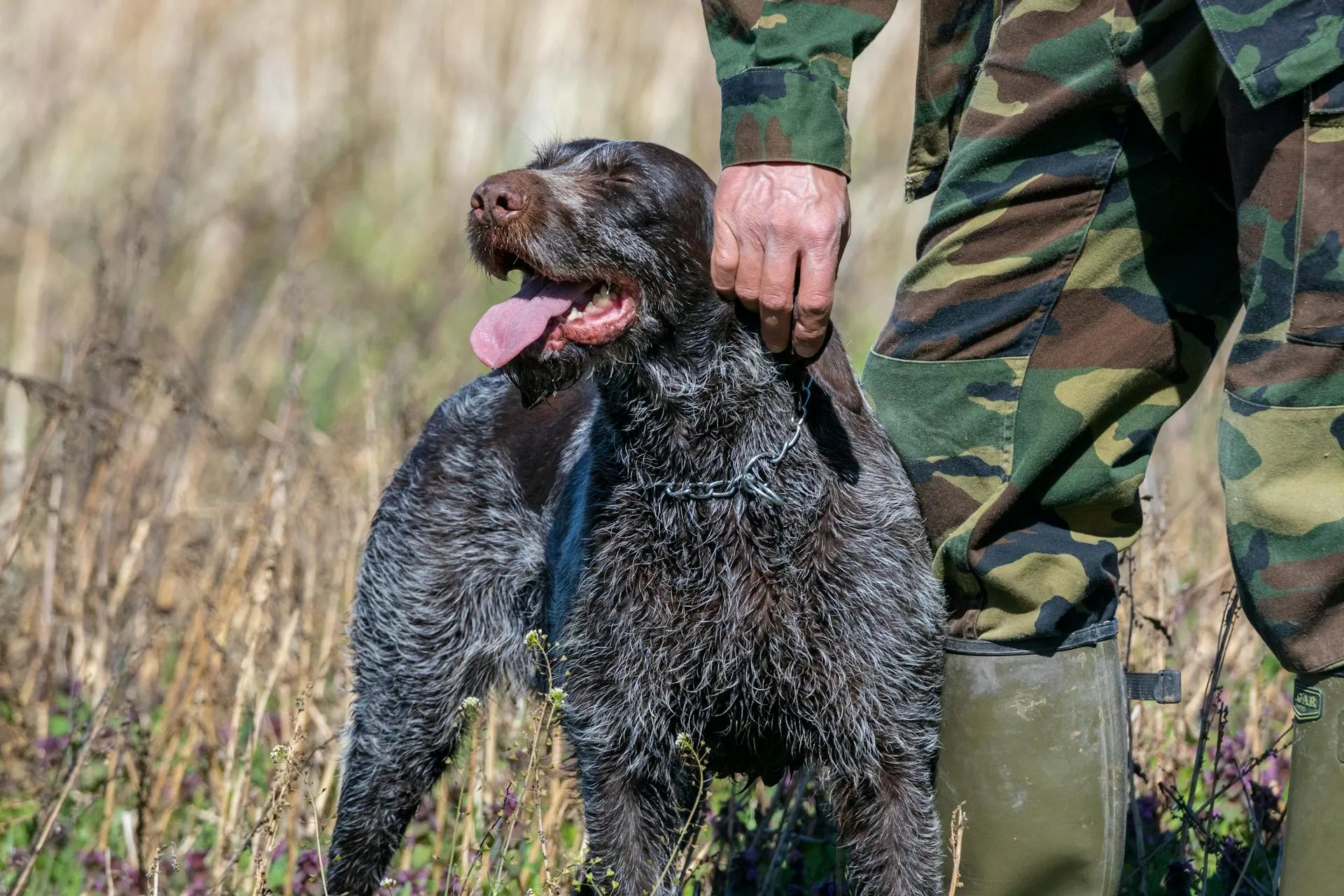
If you’re a veteran who lost a pet, your reaction may feel disproportionate. Instead of just sadness, you might experience sleeplessness, hypervigilance, or resurfacing memories. You’re not overreacting. Your response is rooted in how military experience shapes grief.
Pet loss activates grief. But for veterans, grief doesn’t arrive alone. It often brings a whole system of responses shaped by combat training, the loss of comrades, and survival mechanisms that kept you alive downrange but didn’t automatically switch off when you came home.
This is not about comparing the loss of a pet to the loss of a person you served with. Those are different. Both can be profound. Both matter. Understanding why losing your dog or cat might open up a grief response that feels bigger and more complicated than the loss itself can help shed light on your current experience and show what you can do about it. Let’s explore what makes this type of grief distinct.
We want to validate what you’re experiencing right now, and then offer some concrete ways forward.
Key Takeaways
- Pet loss can trigger PTSD responses and trauma activation in veterans because pets provide stability, routine, and emotional safety that combat trauma has disrupted.
- The grief process for veterans is shaped by survival guilt, hypervigilance, and the loss of fellow soldiers, all of which can resurface during pet loss.
- Service animals represent a different kind of loss than personal pets, requiring separate recognition and support.
- Physical symptoms of grief (sleep disruption, intrusive memories, numbness) are common and expected, not signs of weakness.
- Healthy coping means moving toward connection, not isolation, and knowing when professional support makes a real difference.
- Veterans have specific resources designed to meet them where they are, without judgment. In the next sections, we’ll break down why pet loss can feel especially complex for veterans and how those resources can help.
Table of Contents
- 1Why Pet Loss Hits Veterans Differently
- 2How Military Experience Shapes Grief
- 3Service Animals vs. Personal Pets: Different Losses
- 4Recognizing Trauma Responses During Pet Loss Grief
- 5Healthy and Unhealthy Coping After a Pet Dies
- 6When Veterans Should Seek Support After Losing a Pet
- 7Moving Forward After Losing a Pet as a Veteran
- 8Frequently Asked Questions About Pet Loss, Veterans, and Trauma
Why Pet Loss Hits Veterans Differently
Pet loss is hard for most people. But for many veterans, it carries a specific weight. That weight comes from several layers: what the pet meant in the context of daily life, how it was woven into your coping system, and what losing them triggers in your body and mind.
Pets as Anchors for Daily Life
After combat, many veterans describe their lives as fundamentally disrupted. The structure that military service provided, clear missions, predictable routines, and a defined role, is gone. What replaces it is uncertainty, and for some, a home environment that doesn’t feel as safe as a forward operating base or a barracks did.
A pet fills that gap in a way that’s hard to articulate unless you’ve lived it. Your dog needs to be fed at 6 a.m. You need to take walks at certain times. There’s a being in the house that depends on you and needs you to show up. That’s not therapy language. That’s survival language. A routine is an anchor. An anchor keeps you from drifting.
When your pet dies, you lose the anchor. The 6 a.m. feeding, evening walk, and calming presence are gone. Suddenly, the structure that held things together fails.
Emotional Regulation and Safety
Many veterans describe their pets as a primary source of emotional regulation. Not in a clinical sense, but in a real one: the dog knows when you’re having a hard day. It comes and sits with you. It doesn’t ask you to explain or fix anything. It is just present.
Pets don’t judge. They don’t flinch when you wake up in a cold sweat. They don’t leave. For many veterans, a pet is the safest relationship in the house, sometimes the safest relationship in their lives. That safety is not trivial. It’s foundational.
The loss of that safety, that non-judgmental presence, can leave a void that feels much larger than the loss of one animal. It’s the loss of one of the few places where you could let your guard down. This emotional shift prepares the ground for the guilt that can surface, so let’s explore why that’s such a common feeling.
The Hidden Burden of Gratitude and Guilt
Many veterans feel they owe their pet a debt of gratitude for getting them through difficult periods. Your dog was there during the worst times. It asked for nothing and gave everything. That relationship can become inseparable from your survival story.
When that pet dies, some veterans experience a specific kind of guilt: the sense that they didn’t do enough, didn’t love well enough, or that their survival came at a cost they’re only now paying. This is connected to a larger pattern of survival guilt that many veterans carry, but it can attach itself powerfully to pet loss.
How Military Experience Shapes Grief
Grief isn’t new to veterans. Most have felt loss. But military training and combat shape grief in specific ways worth noting.
Loss of Comrades and the Weight of “Still Here”
If you served in combat, you likely lost people. Fellow soldiers, brothers and sisters in arms, people you knew, people you trained with. That loss never fully resolves. It lives in you.
When you lose a pet, something unexpected can happen: all that grief finds a way through the door that this new loss has opened. You might find yourself grieving your pet and, beneath that, grieving your comrades. You might feel disproportionately sad, and part of what’s happening is that the loss is reactivating older losses that are still very much present.
This is sometimes called “anniversary grief” or “layered grief.” In practice, this means that one loss can bring all losses to the surface. It’s not that you loved your dog more than you expected. It’s that your dog’s death is giving permission to an older, deeper grief that has been managed but never fully processed.
Survival Guilt and the Question of Who Deserved to Live
Many combat veterans carry survival guilt. Why did you come home when others didn’t? Why did you survive an IED, a firefight, a mission that claimed people around you? There’s no good answer to that question, and no amount of logic fully resolves it.
Pet loss can directly trigger that guilt. Your pet depended on you for their life. You fed them, cared for them, kept them safe. And then you couldn’t save them. In the context of survival guilt, that failure, however inevitable and natural it may have been, can feel like a reactivation of the original wound.
A veteran might think, on some level, “I couldn’t protect my soldiers. I couldn’t protect my dog. I can’t protect the people who depend on me.” That’s not rational thinking. But grief doesn’t operate in the rational mind. It operates in the nervous system. And the nervous system of many veterans is already primed for guilt and responsibility.
Hypervigilance and the Alertness That Never Turned Off
Combat trains you to notice everything. Every detail could matter. Every sound, every movement, every change in the environment could signal danger. Hypervigilance kept you alive.
In civilian life, that same watchfulness becomes a burden. You notice too much. You’re exhausted by noticing. You’re waiting for something bad to happen.
With a pet, especially a pet you’ve had for years, you develop a kind of attunement to their health, their mood, their physical condition. You notice the small things. And often, you catch illness early. But sometimes, illness comes too fast. Or it comes despite everything you noticed.
After your pet dies, some veterans report that their hypervigilance gets worse. They’re scanning everywhere for signs of loss or danger. They’re reviewing what they could have noticed, what they missed, and what they could have done differently. The pet’s death feels like a failure of vigilance, triggering the same neurological response as combat hypervigilance.
Service Animals vs. Personal Pets: Different Losses
The loss of a service animal is fundamentally different from losing a personal pet, and it’s important to honor that distinction. Both losses are real and significant. They’re just different kinds of significant.
Service Animals: Partner and Tool
A service animal for a veteran is not a pet. It’s a working partner. It has a job. It’s been trained to perform specific tasks: to alert you to an oncoming panic attack, to interrupt a hypervigilance cycle, to wake you from a nightmare, to create physical distance from strangers in public. The service animal is both a relationship and a tool of survival.
When a service animal dies, you lose the partnership. You also lose the functional capacity they provided. A veteran who relies on a service animal for PTSD management might feel that they’re losing their ability to function in public, to sleep safely, to manage their nervous system.
The grief is acute and complicated by practical loss. You’re not just mourning the animal. You’re also managing the sudden absence of the support they provided. This often requires a transition plan: working with a trainer or handler to understand what gaps the service animal filled, and how to address those gaps in their absence.
The loss is also often felt more acutely by others. People around the veteran understood the service animal’s role in a way they might not understand a personal pet’s role. There’s less room for someone to say, “It was just a dog.” Everyone knew what that animal meant.
Personal Pets: Comfort and Unconditional Presence
A personal pet is different. They don’t have a job. They’re present for who you are, not what you do. That’s its own kind of essential.
Personal pets provide emotional safety, daily structure, and unconditional regard. They don’t care if you had a good day or failed something important. They don’t judge how you’re coping. They just show up, again and again.
The loss of a personal pet is often more complicated by the fact that the grief can feel private. Others might minimize it: “They’re just a pet. You can get another one.” The veteran might internalize that minimization, which prevents genuine grieving and can actually extend the trauma response.
Honoring Both Kinds of Loss
Whether you’ve lost a service animal or a personal pet, your grief is valid. If you lost a service animal, your loss includes both the relationship and the functional support they provided. If you lost a personal pet, your loss includes the emotional anchor that structured your days and kept you feeling safe.
These are not interchangeable. But both are worth taking seriously.
Recognizing Trauma Responses During Pet Loss Grief
When grief activates trauma, it shows up in the body and mind. It’s not a weakness. It’s how a nervous system that’s been trained by combat responds to loss.
Sleep Disruption and Intrusive Memories
Many veterans report that after losing a pet, their sleep becomes fragmented again, or they experience nightmares they thought they’d moved past. The death itself might replay: remembering finding your pet, the decision to euthanize, the finality of loss. Or older memories surface, memories you thought were stable might become active again.
This happens because grief opens the nervous system to activation. Loss is a form of threat to the body, even when it’s anticipated or inevitable. The combat-trained nervous system responds to threat by staying alert, replaying scenarios, and losing the ability to sleep deeply.
What helps: maintaining a sleep routine (time to bed, quiet, limiting screens), but also understanding that some sleep disruption in the first weeks after loss is expected. If it persists beyond several weeks, that’s a signal to reach out for support.
Hyperarousal and Irritability
Grief can make you irritable. Small things become large frustrations. You’re more reactive than usual. People around you might notice that you’re on edge.
For veterans, this hyperarousal can feel like combat readiness returning. The nervous system is triggered. You’re scanning for danger. You’re reactive because your body thinks it needs to be.
This is not a personality change. It’s a nervous system response. It’s usually temporary, but it’s real while it’s happening. Knowing that it’s a normal part of grief (especially grief that reactivates trauma) can help you recognize it’s not a sign that you’re falling apart.
Numbness and Disconnection
The opposite response also happens. Some veterans report feeling numb after their pet dies. They expected to feel sad, but instead they feel nothing. They describe a sense of disconnection, of going through the motions, of feeling like they’re watching themselves from outside their own body.
This is dissociation, and it’s a trauma response. The nervous system is so overwhelmed by the grief and the reactivated trauma that it disconnects. This is a protective mechanism. The system is saying, “I can’t process this right now, so I’m going to put distance between you and the feeling.”
Dissociation usually passes. But if you notice you’re feeling detached or numb for weeks, or if you’re worried about it, talking to a professional who understands both grief and trauma can help you process what’s underneath the numbness.
Panic and Catastrophic Thinking
Loss activates the question: “What else am I going to lose?” For veterans with PTSD, that question can spiral into catastrophic thinking. You might find yourself imagining disaster scenarios, becoming hypervigilant about the health of other pets or family members, or feeling like something worse is coming.
This is the threat-detection system of the combat-trained mind at work. It’s doing what it was trained to do: scanning for what could go wrong next. But in the context of pet loss, it creates anxiety that can feel all-consuming.
What helps: grounding techniques (naming five things you see, four things you can touch, three things you hear, two things you smell, and one thing you taste), physical movement, and talking to someone who understands trauma responses during grief.
Healthy and Unhealthy Coping After a Pet Dies
In the immediate aftermath of loss, people reach for relief. Some of those reaching patterns are protective. Some create more suffering down the road.
Isolation as Avoidance
Many veterans, when grieving, withdraw from others. This makes intuitive sense: grief is private, painful, and talking about it to others feels risky. There’s a fear that people will minimize the loss, or judge the depth of grief, or not understand.
For veterans, isolation can feel especially necessary because of the stigma around grieving a pet when you’ve lost comrades. The internal narrative might be: “My friends died, and I’m grieving my dog. How does that look?”
Short-term solitude is normal and even necessary. But extended isolation, weeks or months of not talking to anyone, not leaving the house, not engaging with the people in your life, can actually extend the trauma response. The nervous system stays activated. The grief deepens. The isolation itself becomes part of the problem.
Healthy coping includes some amount of connection. It doesn’t have to be about the pet directly. It can be showing up to activities, being around people you trust, or talking to someone trained to understand both grief and military trauma.
Substance Use and Numbing Behaviors
Grief hurts, and pain seeks relief. For some veterans, that relief comes from alcohol, medications, or other substances. The logic is clear: if you can’t feel the pain, you won’t have to experience it.
But substances delay grief. They don’t process it. What happens is that the grief stays locked in the nervous system, waiting. And the more you use substances to avoid it, the more the trauma response can intensify underneath.
The same applies to numbing behaviors: overwork, compulsive activity, binge-watching, anything that creates enough distraction that you can’t feel the loss. Again, these might provide temporary relief, but they don’t move grief through the system. They hold it in place.
Healthy coping means gradually learning to sit with the pain, to let it move through you, rather than continuously trying to escape it.
Healthy Coping: Movement, Connection, Expression
Grief has to move through the body. It’s not a thought to be solved. It’s a physical process.
Healthy coping includes physical movement: walking, running, training, sports, anything that gets the nervous system mobilized and moving energy through the body. Exercise isn’t a cure for grief, but it’s a container for it. It helps the nervous system process what it’s experiencing.
Healthy coping includes connection: talking to people you trust, even if you don’t talk directly about the pet. Showing up to their presence. Being known while you’re grieving. For some veterans, that’s other veterans who understand. For others, it’s family. For some, it’s a professional who gets both trauma and grief.
Healthy coping includes some form of expression, such as writing, art, talking, or ritual. Grief needs a way out. If you keep it locked inside, it will find other ways to express itself, through the nervous system, through your relationships, through your body.
Many veterans find that small rituals help: burying their pet’s collar, planting a tree in their memory, or making a donation in their name. These acts acknowledge the loss and give it a container.
When Veterans Should Seek Support After Losing a Pet
Grief is part of life. Trauma activation during grief is a normal response for veterans. That doesn’t mean you have to white-knuckle through it alone.
Signs That Professional Support Would Help
Consider reaching out to a mental health professional if any of the following are true:
- You’re more than a few weeks out from your pet’s death, and you’re not sleeping, eating, or functioning in basic ways.
- You’re having thoughts of harming yourself, or that others would be better off without you.
- The grief is reactivating PTSD symptoms in ways you can’t manage on your own
- Your substance use has increased noticeably since the loss.
- You feel completely alone and unable to talk to anyone.
- The numbness or dissociation is not lifting after several weeks.
None of these means you’re weak or broken. They mean you’re experiencing a legitimate system activation that requires professional support to process. The Love, Baxter directory connects veterans with grief counselors who specialize in pet loss.
Finding the Right Grief Counselor as a Veteran
Not every therapist or counselor understands both grief and military trauma. When you’re looking for support, it helps to be specific: you want someone who has experience working with grief that activates PTSD or trauma responses in veterans.
Many therapists specialize in this. Some have military backgrounds themselves. Some are trained in trauma-informed approaches like EMDR or somatic experiencing that work specifically with the nervous system during grief.
The Love, Baxter directory includes grief professionals trained to work with pet loss. If you’re looking for support specifically around the intersection of pet loss and military experience, we recommend that as a starting point.
If you’re in acute crisis, if you’re having thoughts of harming yourself, or you’re in immediate danger, the Veterans Crisis Line is staffed by people trained to support veterans specifically. They’re available 24/7.
Peer Support and Veteran Communities
Some veterans find the most help from other veterans who’ve been through pet loss. There are online and in-person communities where you can talk to people who understand both the military experience and the significance of losing a pet.
These communities can reduce the sense that you’re grieving something trivial. They can help you see that what you’re experiencing is shared, understood, and valid.
Moving Forward After Losing a Pet as a Veteran
Moving forward is not about “getting over it” or returning to who you were before. Grief changes you. The loss becomes part of your story.
How Pet Loss Grief Changes Over Time
In the first days and weeks after loss, grief is everywhere. It’s the first thing you feel when you wake up. It’s in the empty food bowl, the unused leash, the quiet house.
Over time, that immediacy usually changes. The grief doesn’t disappear; it just becomes less constant. You’ll have days where you don’t think about it. Then something will remind you, you’ll see another dog like yours, or you’ll notice the season has changed, and the grief comes back, sometimes sharply.
This is normal. You’re not failing at grief. You’re not supposed to grieve at the same intensity forever. The nervous system gradually returns to baseline. The loss integrates into your story.
Ways to Honor Your Pet’s Memory
Some veterans find it helpful to create a memorial. This isn’t about being stuck in the past. It’s about acknowledging that this being mattered, that they changed you, that they were part of your survival story.
The memorial can be simple: a photo on your shelf, a donation to an animal rescue in their name, a favorite toy kept somewhere visible. Or it can be more intentional: writing down memories, creating art, planting something that will grow.
What matters is that it feels true to you and to the relationship you had. There’s no “right” way to do this.
What Healing Can Look Like After This Loss
Many veterans wonder if they should get another pet after a loss. There’s no universal answer. Some veterans need the routine and companionship of a new animal. Others need time before they’re ready. Some find that their lives have shifted enough that having another pet no longer fits.
If you’re thinking about getting another pet, it helps to wait until you’re past the acute grief phase. Getting a new animal too quickly can sometimes feel like you’re running from the loss rather than moving through it. But when the time is right for you, a new pet can absolutely be part of your life again.
Either way, the pet you lost stays part of your story. The new pet doesn’t replace them. It’s a different chapter.
Frequently Asked Questions About Pet Loss, Veterans, and Trauma
Is it normal for a veteran to grieve a pet as intensely as the loss of a fellow soldier?
These are different kinds of loss, and they create different kinds of grief. But grief isn’t comparative. You don’t grieve in ranked order. What’s happening is that losing your pet has opened the door to other losses you’ve been carrying. The intensity you’re feeling might be partly about the pet, and partly about the reactivation of older, deeper grief. Both are real. Both are happening at the same time. What matters is that you recognize what’s being triggered and get support if you need it to process it.
Can pet loss cause PTSD or trauma in a veteran who didn’t already have it?
Pet loss itself doesn’t typically create PTSD in someone who has never experienced combat trauma. But in a veteran who already carries trauma from military service, pet loss can activate those existing trauma responses. It can feel like PTSD is new, but what’s usually happening is that the loss has reactivated a system that was already sensitized by military experience. This is sometimes called a “trauma trigger.” If you’re experiencing trauma symptoms after your pet’s death, that’s a signal to talk to a professional who understands both grief and military trauma.
My grief feels shameful because I’m grieving a pet when people I served with are dead. How do I get past this?
That shame is real, and it’s understandable. But it’s also based on a false assumption: that grieving one loss means you’re disrespecting another. You can grieve both. You can honor your fallen comrades and also acknowledge that losing your dog has broken your heart. These don’t cancel each other out. Shame often keeps people from processing their grief. If you can talk to someone, another veteran, a professional, someone who gets it, and say out loud that you’re grieving both, that shame often loosens. You’re not being disloyal to your friends. You’re being honest about what loss feels like.
Is dissociation or numbness after pet loss something I should be concerned about?
Numbness in the first days or even weeks after loss is a normal nervous system response. Your system is protecting itself because the grief is too much to feel all at once. But if numbness persists for months, or if you feel constantly detached from your life, that’s a sign to reach out for support. Talk to a professional who understands trauma. What’s underneath the numbness usually benefits from professional processing.
Should a veteran get another pet right away to help cope with pet loss grief?
Most grief professionals recommend waiting at least a few months before getting another pet. This gives your nervous system time to process the loss and adjust to the absence. If you get a new pet too quickly, you might be avoiding the grief rather than moving through it. That said, there’s no universal timeline. If you’ve waited through the acute grief phase and you feel ready, and it genuinely feels right, then a new pet can be part of your path forward. The key is that it’s a choice that comes from a place of readiness, not escape.
On this topic