







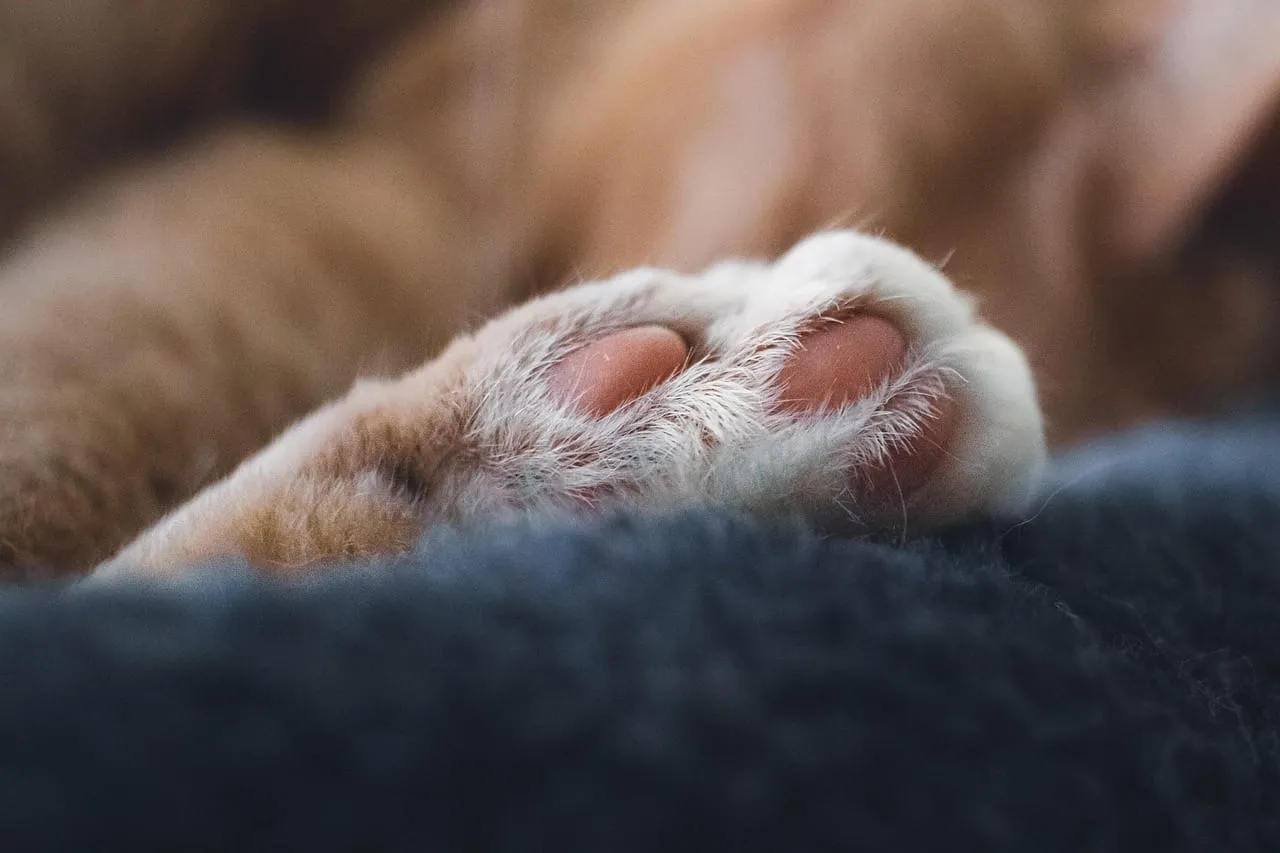
The day we say goodbye to our beloved pets ranks among life’s most heartbreaking moments. In those raw hours and days that follow, having something tangible to hold onto, something that physically represents your cherished companion, can provide immeasurable comfort. Pet euthanasia keepsakes offer a way to preserve your pet’s physical presence while honoring the profound bond you shared. Whether it’s the unique pattern of a paw print, the softness of fur against your fingers, or ashes transformed into beautiful art, these mementos become treasured touchstones of remembrance during your grief journey.
In this guide, we’ll explore the various keepsake options available when saying goodbye to your pet, from meaningful yet straightforward paw prints to elaborate custom creations. We understand that while nothing can fill your pet’s space in your home and heart, these physical remembrances can help bridge the gap between loss and healing.
Table of Contents
- 1Understanding Why Physical Keepsakes Matter After Saying Goodbye
- 2Common Keepsakes Available During Your Pet’s Final Moments
- 3Transforming Your Pet’s Remains Into Beautiful Tributes
- 4Planning Ahead: Discussing Keepsake Options With Your Veterinarian
- 5Creating Your Own Meaningful Pet Memorial Keepsakes
- 6Honoring Your Pet’s Memory for Years to Come
- 7Finding Comfort in Keepsakes During Your Grief Journey
- 8Frequently Asked Questions About Pet Euthanasia Keepsakes
Understanding Why Physical Keepsakes Matter After Saying Goodbye
It cannot be overstated how important it is to have something tangible to hold onto after losing a pet. When the daily routines of feeding, walking, and cuddling abruptly end, the physical absence can feel overwhelming. Keepsakes provide a concrete connection to your pet that transcends their physical departure.
How Tangible Memories Support the Healing Journey
Grief research consistently shows that physical mementos play a crucial role in processing loss. When we lose someone we love, including our pets, our brains sometimes struggle to comprehend their absence fully. Having something tangible that represents your pet helps anchor your memories and validate the significance of your relationship.
Physical keepsakes activate multiple senses: touching your pet’s paw print or holding a piece of jewelry containing their ashes engages your tactile senses in a way that photos alone cannot. This multi-sensory connection can be profoundly comforting during the grieving process.
Many pet parents report that having these items helps them feel their pet is still present in some form. A paw print beside your bed or a necklace containing a small portion of ashes keeps your pet close during the difficult transition of learning to live without their physical presence.
Preparing Yourself Emotionally for Keepsake Decisions
While keepsakes provide comfort, making decisions about them often occurs during a highly emotional time. If possible, consider your preferences before your pet’s final appointment. This allows you to make thoughtful choices rather than rushed decisions during moments of acute grief.
Remember that there’s no right or wrong approach. Some pet parents want multiple keepsakes, creating a beautiful collection of remembrances. Others prefer a single, meaningful item. Trust your instincts about what will comfort you and your family most.
Common Keepsakes Available During Your Pet’s Final Moments
Many veterinary practices now offer various keepsake options as part of their end-of-life care services. Understanding what’s available helps you make informed choices during this difficult time.
Clay Paw Prints and Nose Impressions: Capturing Their Unique Mark
Perhaps the most common and cherished keepsake is the clay paw print. These impressions capture the unique pattern of your pet’s paw, a physical mark as individual as a fingerprint. Many veterinarians include a paw print as part of their euthanasia services, creating the impression shortly after your pet has passed.
The clay typically hardens within days, creating a permanent keepsake you can display in your home. Some services include personalization options such as your pet’s name, birth and passing dates, or short messages like “Forever loved” imprinted in the clay.
For many pet parents, the comforting weight of a paw print in their hands provides a tangible connection to their pet’s physical presence. Sharon, who lost her golden retriever Cooper last year, shares: “When I miss him terribly, I trace the outline of his paw print and remember how those paws would pat me whenever he wanted attention. It’s a small comfort, but it means everything.”
Nose impressions, while less common, offer another unique keepsake. The distinctive pattern of your pet’s nose, like their paw, is entirely unique to them. These impressions capture another beautiful detail of the companion you loved so dearly.
Fur Clippings and Hair Keepsakes: Preserving a Physical Connection
Many pet parents treasure a small clipping of their pet’s fur. The familiar color, texture, and even scent provide powerful sensory connections to your pet. These clippings can be kept in special memorial lockets, glass ornaments, or preserved in a small decorative box.
If you’re considering this option, request a fur clipping from an area where your pet’s fur is most distinctive or from a spot you loved to pet. For long-haired pets, consider asking for a small clipping before the final appointment to ensure you receive the best quality sample when your pet is still comfortable.
Understanding Your Cremation and Ash Keepsake Options
If you choose cremation for your pet, you’ll need to decide between communal or individual cremation:
- Communal cremation means your pet is cremated alongside other pets, and you typically don’t receive the ashes back.
- Individual cremation ensures you receive only your pet’s ashes, usually presented in an urn or special container.
When discussing cremation with your veterinarian or pet cremation service, ask about:
- The type of container options available for your pet’s ashes
- Whether they offer divided cremains that can be shared among family members
- Specialized keepsake urns or containers are available for a portion of the ashes
- The timeline for receiving your pet’s remains
Many pet parents find comfort in selecting an urn that reflects their pet’s personality or matches their home décor. Options range from simple wooden boxes to elaborate custom-designed containers. Some even incorporate a photo of your beloved pet or have space for a collar or small toy. Our guide on where to scatter pet ashes covers who to ask and how to do it, if you plan to scatter some or all of the ashes instead.
Transforming Your Pet’s Remains Into Beautiful Tributes
Beyond traditional keepsakes, many artists and companies specialize in creating beautiful, personalized memorials using your pet’s ashes, fur, or paw prints.
Memorial Jewelry: Keeping Your Pet Close to Your Heart
Memorial jewelry allows you to always keep a small part of your pet with you. Options include:
- Ash-containing jewelry: Pendants, rings, and bracelets can be crafted with tiny compartments that hold a small amount of your pet’s ashes. These pieces come in countless designs, from subtle to ornate.
- Fur-encased jewelry: Similar to ash jewelry, these pieces preserve a small amount of your pet’s fur within glass or resin.
- Paw print jewelry: Your pet’s actual paw print can be miniaturized and engraved onto pendants, charms, or other jewelry items.
- DNA jewelry: Some companies incorporate DNA from your pet’s fur or remains into glass or crystal jewelry, creating unique patterns and colors.
Olivia, who lost her cat Jasper after 15 years together, shares: “I wear a small silver pendant with some of Jasper’s ashes daily. Most people don’t even realize what it contains, but I know he’s still with me, close to my heart. It’s brought me incredible comfort during the hardest days.”
Glass Art and Custom Sculptures Incorporating Ashes
Talented glass artists can create stunning memorial pieces by incorporating a small amount of your pet’s ashes into molten glass. The results range from paperweights and ornaments to elaborate decorative pieces:
- Colorful glass orbs where the ashes create unique patterns
- Custom sculptures that capture your pet’s likeness or spirit
- Sun-catchers that create rainbow reflections when light passes through
- Memorial glass beads that can be displayed or incorporated into other items
Some artists also specialize in custom clay or stone sculptures incorporating ash elements, offering another beautiful way to memorialize your pet.
Paintings and Portraits Enhanced with Fur or Ashes
For a truly personalized memorial, consider commissioning artwork that incorporates elements of your pet:
- Portraits painted with a small amount of cremation ash mixed into the paint
- Artwork sealed with a clear coating that contains a small amount of fur
- Custom illustrations that include paw print impressions
- Shadow boxes that combine photographs, paw prints, and fur samples
These pieces become cherished heirlooms that honor your pet’s memory in a profoundly personal way.
Planning Ahead: Discussing Keepsake Options With Your Veterinarian
If you’re facing the difficult decision of euthanasia for your pet, speaking with your veterinarian about keepsake options beforehand can help ensure you receive the mementos that will be most meaningful to you.
Important Questions to Ask About Available Keepsake Services
Before your pet’s final appointment, consider asking:
- What keepsake options are included in their end-of-life services?
- Is there an additional cost for keepsakes like paw prints or fur clippings?
- Can they accommodate special requests like multiple paw prints for family members?
- What is their process for handling and returning cremated remains?
- Do they partner with any local artists or companies that create memorial items?
- What is their policy if you wish to bring your own keepsake kit or materials?
Having this information ahead of time allows you to make thoughtful decisions rather than trying to consider options during moments of intense grief.
Preparing for Special Requests or Outside Memorial Services
If you have specific wishes that go beyond what your veterinary clinic offers, don’t hesitate to ask if they can accommodate them. Many veterinarians understand the importance of these final mementos and will work with you to fulfill special requests.
You can also research local or online memorial services specializing in pet remembrances. Many offer more extensive options than veterinary clinics and can work directly with your veterinarian to fulfill your wishes.
Creating Your Own Meaningful Pet Memorial Keepsakes
While many keepsakes are created during your pet’s passing, you can also create beautiful tributes in the following days and weeks.
DIY Paw Print Kits and Home Techniques
If you weren’t able to get a paw print at the time of your pet’s passing, or if you want additional prints, consider these options:
- Request an impression from your pet’s cremation service before cremation
- Use a photo of your pet’s paw to create custom stamp jewelry or art
- Commission an artist to recreate your pet’s paw print based on photos
Some pet parents also create ink prints of their pet’s paws before the final appointment, using pet-safe ink pads designed for this purpose. These prints can then be framed or used to create custom items.
Personalized Memory Boxes and Tribute Spaces
Creating a dedicated space for your pet’s keepsakes can provide a focal point for remembrance:
- Customize a memory box with your pet’s name and photos to store small items
- Create a shadow box displaying their collar, favorite toy, and photos
- Design a shelf or small table in your home dedicated to their memory
- Frame their paw print alongside a favorite photograph
These spaces become sacred areas where you can connect with your pet’s memory when you deeply feel their absence.
Memorial Garden Ideas Using Cremation Ashes
For many pet parents, incorporating their pet’s ashes into a living memorial provides comfort and symbolizes the continuing cycle of life:
- Plant a tree with a small portion of ashes in the planting hole
- Create a memorial garden stone that contains a protected compartment for ashes
- Scatter ashes in your pet’s favorite outdoor spot and mark with a plant or stone
- Use biodegradable urns that contain seeds, allowing a plant to grow from the same earth that holds your pet’s remains
David, who lost his companion Luna after 13 years, shares: “The flowering dogwood tree we planted with some of Luna’s ashes brings me joy every spring. When those white blossoms appear, I feel her spirit returning in a beautiful new form.”
Honoring Your Pet’s Memory for Years to Come
However you choose to remember your pet, proper care of these precious keepsakes ensures they’ll continue to provide comfort for years to come.
Properly Preserving Delicate Items Like Prints and Fur
To protect your keepsakes:
- Store fur clippings in airtight containers away from direct sunlight
- Consider laminating paper paw prints or protecting them in clear photo sleeves
- Keep clay impressions away from excessive moisture or humidity
- Follow care instructions for any custom items like glass art or jewelry
Remember that some items, particularly fur, may change over time. This natural process is part of their organic nature and doesn’t diminish their significance.
Thoughtful Display Ideas for Your Cherished Mementos
Finding the right place for your pet’s keepsakes is a personal decision:
- Some items, like jewelry or small tokens, allow you to keep your pet’s memory close throughout the day
- Larger items might find a home on a bookshelf, mantle, or special memorial area
- Consider seasonal displays, bringing out special items on your pet’s birthday or adoption anniversary
- Digital frames can rotate favorite photos alongside displayed physical mementos
The proper placement is wherever brings you the most comfort, whether publicly displayed or kept privately in a special place only you access.
Sharing Memorial Traditions with Family Members
Creating rituals around your pet’s memory can help everyone in the family process their grief:
- Light a candle beside their photo on special remembrance days
- Share favorite stories about your pet when you gather as a family
- Create holiday ornaments or decorations incorporating their keepsakes
- Establish a small annual tradition honoring their memory
These ongoing remembrances acknowledge that your pet’s importance to your family doesn’t end with their physical presence.
Finding Comfort in Keepsakes During Your Grief Journey
As you navigate life without your beloved companion, these tangible connections to your pet provide important anchors during the stormy seas of grief. When the house feels too quiet or the routines feel empty without your pet, holding a paw print or touching a memorial necklace can provide moments of solace.
Remember that there’s no timeline for grief, and the importance of these keepsakes may evolve as you move through your personal journey. What brings intense comfort in the early days may eventually become a treasured memento that you visit less frequently but no less meaningfully.
The physical reminders of your pet, their paw prints, fur, or transformed ashes, serve as testaments to a love that continues long after they’ve left your side. These keepsakes honor the fact that while your pet’s time with you may have ended, the love you shared remains eternal.
We at Love, Baxter, understand that navigating pet loss is one of life’s most difficult journeys. We hope these keepsake ideas provide comfort as you honor the unique and beautiful bond you shared with your pet, a connection that leaves its own permanent imprint on your heart.
Remembering them well is something you can keep building on. Our aftercare and pet memorials library has ideas that grow with time.
Frequently Asked Questions About Pet Euthanasia Keepsakes
What keepsakes are typically available at the time of pet euthanasia?
Most veterinary practices now offer several keepsake options as part of their end-of-life care services. The most common is a clay paw print impression, which many clinics include as part of their euthanasia services. This captures your pet’s unique paw pattern permanently. Other typical options include fur clippings, which preserve your pet’s color, texture, and sometimes scent, and nose impressions, which serve as a unique marker. Some veterinarians can accommodate multiple paw prints for family members or special requests, such as ink prints. Ask your veterinarian ahead of time what keepsakes they offer, whether there are additional costs, and whether they can fulfill any special requests you might have so that you can make thoughtful choices rather than rushed decisions during moments of acute grief.
Should I choose individual or communal cremation for my pet?
This decision depends on whether you want to receive your pet’s ashes back. Individual cremation (also called private cremation) ensures you receive only your pet’s ashes, typically presented in an urn or special container. This option allows you to keep the ashes, transform them into memorial items like jewelry or glass art, scatter them in meaningful locations, or divide them among family members. Communal cremation means your pet is cremated alongside other pets, and you typically don’t receive ashes back, though it’s more affordable. If having your pet’s physical remains is important to you, whether for an urn, memorial jewelry, a garden memorial, or other keepsake purposes, individual cremation is necessary. Consider what will bring you the most comfort in the months and years ahead when making this deeply personal choice.
Can I create memorial items with my pet’s ashes after cremation?
Yes, there are many beautiful ways to transform your pet’s ashes into lasting tributes. Memorial jewelry is popular: pendants, rings, and bracelets with tiny compartments for a small amount of ashes let you keep your pet close at all times. Glass artists can incorporate ashes into stunning pieces like colorful orbs, sun catchers, or custom sculptures. Some artists will even mix a small amount of ash into paint for custom portraits or seal fur into artwork. Other options include memorial garden stones, biodegradable urns that grow into trees, or divided portions of ashes for family members. You don’t need to use all the ashes for these projects. Many keepsakes require only a tiny amount, allowing you to create multiple memorial items or save the remainder in an urn: research memorial artists and companies specializing in pet remembrances to find options that resonate with you.
How do I preserve paw prints, fur, and other delicate keepsakes?
Proper care ensures these precious items continue providing comfort for years. Store clippings in airtight containers away from direct sunlight to preserve color and texture, though some natural changes over time are normal. Clay paw print impressions should be kept away from excessive moisture or humidity to prevent damage. If you have paper paw prints, consider laminating them or protecting them in clear photo sleeves. For memorial jewelry or glass art, follow the artist’s specific care instructions. Some pet parents create shadow boxes or memory boxes to protect and display multiple keepsakes together. Proper storage is whatever protects the items while keeping them accessible when you need that tangible connection to your pet. Remember that these keepsakes are meant to provide comfort, so display or store them wherever feels most meaningful to you, whether that’s publicly on a mantle or privately in a special place you access only.
On this topic