







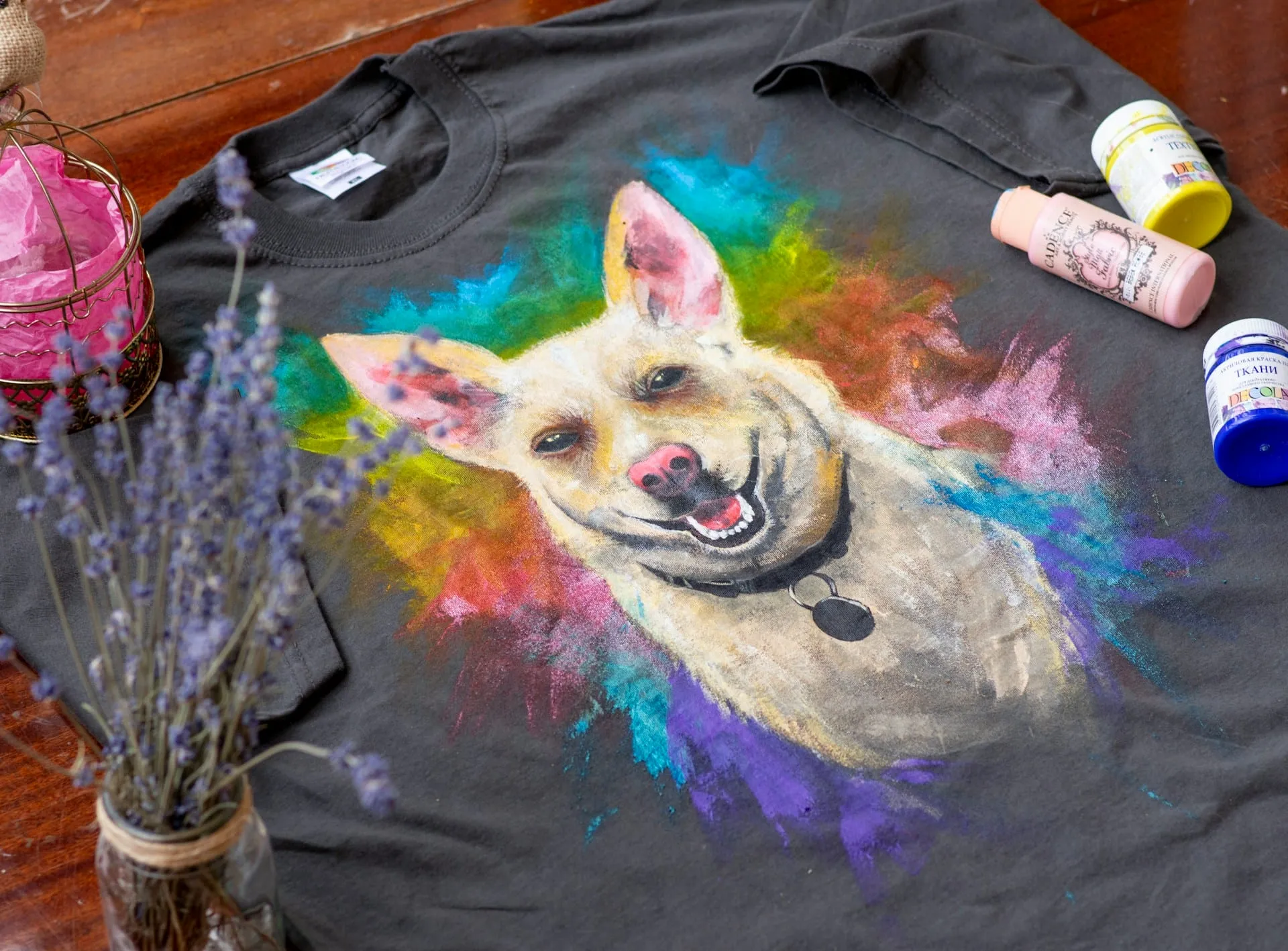
When we lost Baxter in October 2024, the grief felt overwhelming, like a piece of our hearts had been permanently removed. In those early days of raw pain, we found ourselves searching for ways to honor his memory while also finding some measure of healing. That’s when we discovered something profound: the therapeutic benefits of creating art in memory of your pet extend far beyond simple commemoration. They offer genuine healing that transforms grief into something beautiful and meaningful.
If you’re reading this while navigating the devastating loss of your beloved companion, we want you to know that your grief is valid, your pain is real, and there are gentle ways to begin healing while keeping your pet’s memory alive. Pet memorial art offers a unique pathway through grief that allows you to process emotions, celebrate your bond, and create something lasting that honors the love you shared.
At Love, Baxter, we’ve witnessed countless pet parents discover that creating art in memory of their beloved companions provides therapeutic benefits that traditional grief support sometimes cannot reach. Through our community, we’ve learned that artistic expression engages both emotional and cognitive processing in ways that promote genuine healing while keeping precious memories alive.
Table of Contents
- 1Why Creating Art in Memory of Your Pet Provides Healing
- 2The Science Behind Memorial Art Therapy for Pet Loss
- 3Types of Pet Memorial Art That Provide Therapeutic Benefits
- 4Getting Started: Your First Therapeutic Memorial Art Project
- 5Maximizing the Therapeutic Benefits of Pet Memorial Art
- 6When Creating Art Feels Too Difficult: Alternative Approaches
- 7Building Connection Through Memorial Art Sharing
- 8Your Unique Path to Healing Through Memorial Art
- 9Frequently Asked Questions About Therapeutic Benefits of Creating Art in Memory of Your Pet
Why Creating Art in Memory of Your Pet Provides Healing
The relationship we share with our pets transcends words. It’s built on touch, presence, daily routines, and unconditional love. When that physical presence is suddenly gone, we’re left with an indescribable void that needs special attention and care. This is where the therapeutic benefits of creating art in memory of your pet become profoundly healing.
Creating memorial art engages our emotional and cognitive processing centers, allowing us to work through grief in ways that purely verbal processing cannot achieve. When Sarah from Portland began painting watercolor portraits of her golden retriever Murphy after his passing, she discovered that each brushstroke felt like a conversation with him. “I couldn’t talk about Murphy without sobbing,” she shared with our community, “but I could paint him. Somehow, my hands knew what my heart needed to express.”
The therapeutic benefits of pet memorial artwork on multiple levels. First, the rhythmic, meditative nature of creating helps calm the nervous system during intense grief waves. Instead of passively missing your pet, you actively engage with their memory constructively, promoting healing. The physical act of creation produces something tangible you can hold, see, and treasure, unlike memories that can sometimes feel fleeting during intense grief.
Additionally, art allows the expression of the complicated feelings often accompanying pet loss: guilt, relief, profound sadness, and deep gratitude. These complex emotions often feel too overwhelming to discuss verbally, but they can be processed and transformed into something meaningful through creative expression.
The Science Behind Memorial Art Therapy for Pet Loss
Research consistently demonstrates that creative expression activates the brain’s reward system, releasing endorphins and reducing cortisol levels, the stress hormone that often remains elevated during grief. When we create art in memory of our pets, we’re literally changing our brain chemistry in ways that promote healing and emotional regulation.
Studies on art therapy and grief reveal that creative expression helps move traumatic memories from the limbic system, where they can remain “stuck” and cause ongoing distress, to the prefrontal cortex, where they can be integrated as meaningful life experiences rather than sources of continuing trauma.
The neurological benefits of memorial art creation include bilateral brain stimulation, where drawing, painting, or sculpting engages both brain hemispheres, promoting emotional integration. The mindful focus required for art creation naturally induces a meditative state that relieves the rumination and racing thoughts common in grief. Creating something beautiful releases dopamine and other feel-good neurotransmitters that temporarily lift mood and provide respite from intense sadness.
Tom from Denver experienced these benefits firsthand when he began woodcarving memorial plaques for his cat Whiskers. He shared with us that his anxiety decreased significantly during crafting sessions. “It was the only time my mind wasn’t racing with ‘what-ifs’ and regrets,” he explained. “My hands were busy, my mind was focused, and somehow Whiskers felt present with me in those moments.”
Types of Pet Memorial Art That Provide Therapeutic Benefits
One of the beautiful aspects of pet memorial art is that there’s no right or wrong way to create, and the therapeutic benefits remain consistent regardless of artistic skill level. What matters is the intention and love you pour into the process. We’ve observed several approaches that provide compelling healing benefits through our Love, Baxter community.
Portrait and Visual Representation Art
Traditional portraits, whether painted, drawn, or sketched, allow you to study your pet’s features lovingly and memorialize the physical characteristics you cherished. Many grieving pet parents find that focusing on details like fur texture or sparkle in their pet’s eyes brings unexpected comfort and connection. The therapeutic benefits of creating art in memory of your pet through portraiture include the meditative focus required and the loving attention paid to beloved details.
Abstract interpretations offer another powerful approach, especially when realistic portraits feel too emotionally overwhelming in early grief.
Abstract art using your pet’s favorite colors or representing their energy and spirit can be equally meaningful while feeling less triggering. Lisa shared with us that she created flowing, colorful paintings that captured her dog Buddy’s joyful energy rather than his physical form, finding this approach provided therapeutic benefits without intense emotional overwhelm.
Digital art and photo manipulation provide accessible options for those more comfortable with technology. Creating digital memorials, photo collages, or enhanced photographs offers the therapeutic benefits of memorial art creation with the flexibility to experiment freely without fear of “ruining” a physical piece.
Three-Dimensional Memorial Art for Healing
Due to its tactile nature, working with clay and ceramics offers particularly powerful therapeutic benefits. The physical sensation of molding clay can be especially grounding during intense grief waves. Creating paw print impressions, small sculptures, or decorative pieces provides hands-on creation that many find deeply soothing. The therapeutic benefits include the meditative rhythm of working with clay and creating permanent memorials.
Memory boxes and shadow boxes provide another avenue for therapeutic memorial art creation. Assembling three-dimensional memorials using your pet’s belongings, photos, and meaningful objects creates a physical shrine that can provide ongoing comfort, including items like their favorite toy, collar, or a handwritten letter to transform grief into active remembrance with lasting therapeutic benefits.
Garden stones and outdoor memorials allow you to establish a physical place for remembrance and reflection while creating art. Many community members have shared that painting or decorating memorial stones for their pet’s favorite outdoor spots provides ongoing connection and therapeutic benefits beyond the creation process.
Textile and Craft-Based Memorial Art
Quilting and fabric art using your pet’s blankets, old t-shirts they loved to sleep on, or fabrics in their favorite colors provide both comfort and warmth, literally and figuratively. The therapeutic benefits of textile memorial art include the repetitive, meditative nature of stitching and the comforting result of having something soft and warm that carries your pet’s memory.
Creating wearable memorial art through jewelry making allows you to carry your pet’s memory with you daily. This can include incorporating their fur into resin pendants, creating charm bracelets with meaningful symbols, or designing pendants with their photo. The therapeutic benefits extend beyond creation to the daily comfort of wearing something that connects you to your beloved pet.
Embroidery and needlework provide gentle, methodical therapy through repetitive motion. The therapeutic benefits of creating art in memory of your pet through needlework include the meditative focus required and the gradual emergence of something beautiful from your grief and love.
Getting Started: Your First Therapeutic Memorial Art Project
Beginning your first pet memorial art project can feel overwhelming when you’re deep in grief, but the therapeutic benefits begin immediately, even with the simplest projects. We recommend starting small and building confidence in the healing power of creative expression.
Your first project might be as simple as tracing your hand alongside a photo of your pet’s paw, creating a collage using printed photos and decorative paper, writing your pet’s name in beautiful lettering with their favorite colors, or making a simple clay paw print impression. These accessible starting points provide immediate therapeutic benefits without requiring advanced artistic skills or significant emotional energy investment.
Choose materials that appeal to you in your current grief state. Some prefer soft materials like pastels, watercolors, or fabric for their gentle, forgiving nature, which mirrors the need for self-compassion during grief. Others find comfort in structured materials like colored pencils or markers for their precision and control when everything else feels chaotic. Tactile materials like clay or textiles provide sensory engagement that can be grounding during emotional overwhelm, while digital tools offer flexibility and the ability to undo mistakes without judgment.
Creating a sacred space for memorial art significantly enhances its therapeutic benefits. Include a photo of your pet nearby for inspiration and connection, arrange peaceful soft lighting, and perhaps keep their favorite blanket or toy close for comfort. Remember to have tissues and water available, as grief often comes in waves during creation, and this emotional release is part of the healing process.
Maximizing the Therapeutic Benefits of Pet Memorial Art
Honor your emotional process throughout your memorial art journey. Remember that creating art in memory of your pet isn’t about producing something perfect. It’s about honoring your relationship and processing your grief through creative expression. Some sessions might be tearful, others peaceful, and some might feel frustrating. All of these responses are normal and valid parts of the therapeutic process.
Michael shared with our Love, Baxter community that his painting sessions for his border collie Rex varied dramatically. “Some days, I’d paint for hours and feel connected and peaceful. On other days, I’d make two brushstrokes and start sobbing. I learned to trust whatever came up and not force it, and that’s when the real therapeutic benefits started happening.”
The therapeutic benefits of creating art in memory of your pet continue to evolve over time. What feels impossible during acute grief may become comforting months later. What brings tears initially might eventually bring smiles. Trust this natural progression and allow your artistic expression to evolve with your healing journey.
When Creating Art Feels Too Difficult: Alternative Approaches
Some days, active art creation might feel overwhelming or emotionally impossible. This is entirely normal and doesn’t diminish the potential therapeutic benefits of pet memorial art for your healing journey. We’ve found several gentle alternatives that still provide meaningful benefits when direct creation feels too challenging.
Art appreciation can provide therapeutic benefits when creating feels too complicated. Visit galleries featuring animal art, browse online art communities or look at books featuring pet portraits and animal artwork. Sometimes, absorbing others’ creativity can heal when creating feelings beyond your current emotional capacity.
Collaborative creation allows you to experience the therapeutic benefits while sharing the emotional load. Work alongside understanding friends or family members who can help with the physical creation while you direct and envision the piece. This approach maintains your creative connection while providing support during vulnerable moments.
Art journaling requires less commitment than formal art pieces while still providing creative expression and therapeutic benefits. Simple sketches, color choices, or mixed media in a journal can be done in small increments and feel less emotionally demanding than larger projects.
Building Connection Through Memorial Art Sharing
While creating art in memory of your pet is deeply personal, sharing your work, when you feel ready, can amplify the therapeutic benefits through connection and community support. This doesn’t require becoming a public artist, but gentle sharing can enhance healing meaningfully.
Online pet loss communities specifically support grieving pet parents and often welcome memorial art sharing. These understanding audiences recognize the love and pain behind your creation, providing validation and encouragement that enhances the therapeutic benefits of your artistic expression.
When available, local pet loss support groups often encourage creative expression sharing. Seeing others’ memorial art can inspire your own healing while providing mutual support and understanding that amplifies the therapeutic benefits for everyone involved.
Some grieving pet parents find profound therapeutic benefits in creating memorial art for others who have lost pets while receiving pieces created for their own beloved companions. This reciprocal healing creates powerful community connections and multiplies the therapeutic benefits through giving and receiving.
Your Unique Path to Healing Through Memorial Art
Every pet relationship is unique, and so is every grief journey. The memorial art that provides therapeutic benefits for you might look completely different from what comforts another pet parent, and that’s exactly as it should be. Trust your instincts about what feels right for you and your beloved pet’s memory.
At Love, Baxter, we’ve witnessed countless ways that grieving pet parents have found comfort and healing through creative expression. Some create elaborate, gallery-worthy pieces, while others find peace in simple sketches. Some work alone in quiet contemplation, while others discover therapeutic benefits in community art-making. There’s no right way, only your way.
The therapeutic benefits of creating art in memory of your pet extend far beyond the finished piece. Through each stroke, stitch, or shaped clay, you’re actively participating in your healing while keeping your beloved companion’s spirit alive. In those moments of creation, many pet parents discover that love never truly ends. It simply transforms into something beautiful that can be held, treasured, and shared.
Your pet’s legacy lives on not just in your memories but in every loving stroke of the brush, every carefully chosen color, and every moment you spend honoring the bond you shared. In creating memorial art, you’re not just processing grief. You’re celebrating a love that transcends physical presence and creating something beautiful from the depths of loss.
The therapeutic benefits of creating art in memory of your pet offer a gentle, powerful path through grief toward healing. Remember to be patient with yourself throughout this process. Healing isn’t linear; creativity comes in waves, and every step forward, no matter how small, is meaningful progress in your journey through grief toward hope and peace.
Remembering them well is something you can keep building on. Our aftercare and pet memorials library has ideas that grow with time.
Frequently Asked Questions About Therapeutic Benefits of Creating Art in Memory of Your Pet
How does creating memorial art actually help with pet grief, and what makes it therapeutic?
Creating art in memory of your pet provides genuine healing by engaging both emotional and cognitive processing centers in ways that purely verbal processing cannot achieve. The therapeutic benefits work on multiple levels: the rhythmic, meditative nature of creating helps calm the nervous system during intense grief waves, the physical act produces something tangible you can hold and treasure (unlike fleeting memories), and art allows expression of complicated feelings like guilt, relief, sadness, and gratitude that often feel too overwhelming to discuss verbally. Research demonstrates that creative expression activates the brain’s reward system, releasing endorphins and reducing cortisol (stress hormone) levels elevated during grief. Art creation helps move traumatic memories from the limbic system, where they remain “stuck,” to the prefrontal cortex, where they can be integrated as meaningful life experiences rather than sources of ongoing trauma. The neurological benefits include bilateral brain stimulation engaging both hemispheres for emotional integration, mindful focus that naturally induces meditative states, relieving rumination and racing thoughts, and release of dopamine and feel-good neurotransmitters that temporarily lift mood. Art transforms grief from passive missing into active, constructive engagement with your pet’s memory while providing respite from intense sadness.
What types of memorial art projects are most helpful for healing, and how do I get started?
Various memorial art forms provide therapeutic benefits regardless of artistic skill level. What matters is the intention and love you invest in the process. Portrait and visual art encompass a range of creative expressions, from traditional paintings, drawings, and sketches that allow for a loving study of your pet’s features, to abstract interpretations using their favorite colors, or representations of their energy when realistic portraits feel overwhelming. Additionally, digital art and photo manipulation offer accessible options with flexibility to experiment. Three-dimensional memorial art encompasses a range of techniques, including working with clay and ceramics for their particularly powerful tactile benefits. This can be achieved through memory boxes or shadow boxes, which use your pet’s belongings and photos to create physical shrines. Additionally, garden stones or outdoor memorials can be established to create physical places for remembrance. Textile and craft-based art involves quilting using your pet’s blankets or favorite fabrics, creating wearable memorial jewelry to carry their memory daily, and embroidery, providing gentle, methodical therapy through repetitive motion. Start small with simple projects like tracing your hand alongside their paw photo, creating photo collages, writing their name in beautiful lettering with their favorite colors, or making simple clay paw print impressions. Choose materials appealing to your current grief state: soft materials like pastels for gentleness, structured materials like colored pencils for control, or tactile materials for grounding during emotional overwhelm.
What should I expect emotionally when creating memorial art, and how can I maximize the therapeutic benefits?
Memorial art creation isn’t about producing something perfect; it’s about honoring your relationship and processing grief through creative expression. Expect varying emotional responses: some sessions might be tearful, others peaceful, and some frustrating. All are normal and valid parts of the therapeutic process. Some days you might create for hours feeling connected and peaceful, other days you might make minimal progress and start sobbing, and learning to trust whatever comes up without forcing it allows the real therapeutic benefits to emerge. The healing process continues to evolve over time: what feels impossible during acute grief may become comforting months later, and what initially brings tears might eventually bring smiles. Honor your emotional process by creating a sacred space with your pet’s photo nearby for inspiration, peaceful lighting, and comfort items like their blanket or toy. When creating feels too difficult, alternative approaches still provide benefits: art appreciation through viewing animal artwork, collaborative creation with supportive friends or family, or simple art journaling requiring less emotional commitment. Sharing your work when ready can amplify therapeutic benefits through community connection. Online pet loss communities, local support groups, or reciprocal memorial art creation with other grieving pet parents can enhance healing through mutual support and understanding.
How does memorial art help with the long-term healing process and keeping my pet’s memory alive?
Memorial art provides a unique pathway through grief that transforms loss into something beautiful and meaningful while maintaining an ongoing connection to your pet’s memory. The therapeutic benefits extend far beyond the finished piece. Through each creative moment, you’re actively participating in healing while keeping your pet’s spirit alive. Unlike memories that can feel fleeting during intense grief, created art pieces become permanent, tangible connections you can hold, display, and treasure indefinitely. The process allows you to study and memorialize beloved physical characteristics, personality traits, or energy in ways that purely mental remembrance cannot provide. Over time, the art pieces often become sources of comfort rather than pain, evolving from grief processing tools into a celebration of the love you shared. Many pet parents discover that in moments of creation, love never truly ends; it transforms into something beautiful that transcends physical presence. Your pet’s legacy lives on not just in memories but in every loving brushstroke, carefully chosen color, and moment spent honoring your bond. Memorial art creation becomes an ongoing relationship with your pet’s memory, allowing you to continue expressing love and processing evolving emotions throughout your healing journey. The pieces serve as lasting tributes that can be shared with others, creating opportunities to tell your pet’s story and celebrate their impact on your life in meaningful, tangible ways.
On this topic