







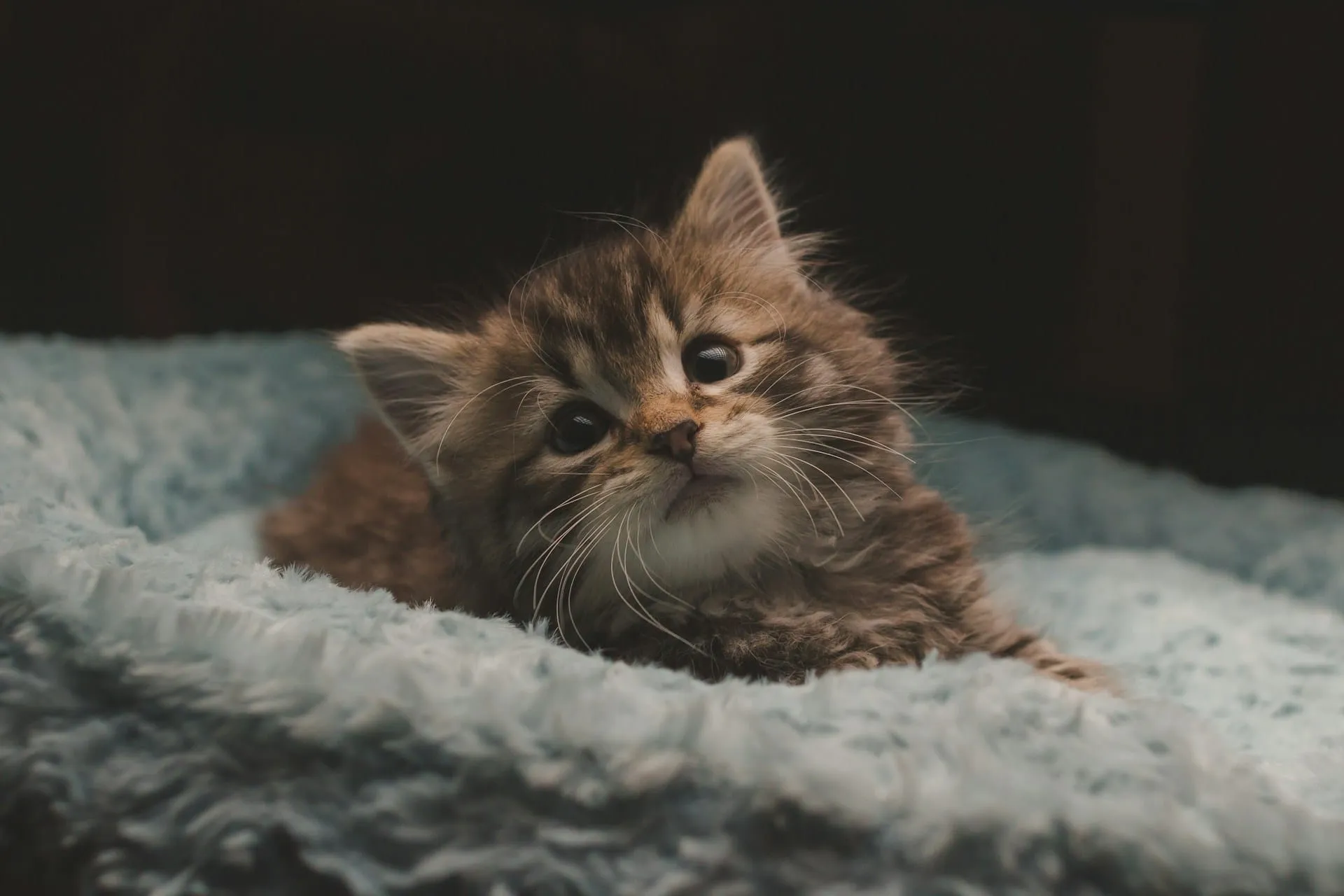
Losing a kitten, with their tiny paws and boundless energy, can create a wound that feels impossibly deep. That small, purring bundle of fur may have been in your life for only a brief time, but the space they filled in your heart was immense. If you’re reading this because you’ve recently lost a kitten, please know that your grief is valid, your pain is understood, and you are not alone in this journey.
The death of a kitten can feel particularly heartbreaking because of all the future moments you’ll never get to share: watching them grow, developing your unique relationship, and experiencing years of companionship that now won’t come to pass. That sense of lost potential adds an extra layer to your grief that can be difficult to process.
In this guide, we’ll walk together through understanding your grief, handling the immediate aftermath, finding ways to honor your kitten’s memory, and beginning the healing process. There’s no timeline for healing and no “right way” to grieve. We hope to offer some gentle guidance for the path ahead.
Table of Contents
Understanding the Unique Grief of Losing a Kitten
The Special Bond with a Young Cat
Kittens can capture our hearts from the moment they enter our lives. Their playful antics, innocence, and complete dependence on us create a powerful bond almost immediately. Whether you have had your kitten for days, weeks, or months, that connection forms quickly and runs deep.
Many people are surprised by how intensely they feel the loss of a kitten they’ve known for such a short time. This reaction is completely normal: the bond between humans and their animal companions isn’t measured in time but in the depth of love shared. Your kitten might have been small, but the love you gave each other was anything but.
Why the Loss of a Kitten Can Be Especially Painful
The death of a kitten often comes with unique challenges that can intensify grief:
- The element of surprise: Kittens generally represent new beginnings and future joy. Their loss feels particularly shocking and unfair.
- Feelings of responsibility: Even when you’ve done everything right, you might struggle with questions of “what if” and “could I have done more?”
- Lack of understanding from others: Some people might minimize your loss with comments like “at least you didn’t have them very long” or “you can always get another kitten.”
- The innocence factor: There’s something particularly heartbreaking about losing a young, innocent life with so much potential ahead.
The sudden loss of a young cat challenges our expectations about the natural order of life, making it particularly difficult to process emotionally. Many veterinary behaviorists note that the grief response can be just as intense for a kitten known for weeks as for an adult cat known for years.
Common Emotions You May Experience
When handling the death of a kitten, you might find yourself experiencing a range of emotions:
- Shock and disbelief: Even if your kitten was ill, their passing can feel impossible to accept.
- Deep sadness: The emptiness their absence leaves can be overwhelming.
- Guilt: Many pet parents question whether they could have prevented the loss.
- Anger: You might feel angry at circumstances, at yourself, at others, or even at your kitten for leaving you.
- Relief followed by guilt: If your kitten was suffering, you might feel relief that their pain has ended, followed by guilt for feeling relieved.
All of these emotions are normal parts of grief. There’s no “wrong” way to feel, and your emotions may change from moment to moment or day to day. Acknowledging these feelings rather than suppressing them is essential in the healing process.
Immediate Steps After Losing a Kitten
Handling the Practical Matters with Gentleness
Amid emotional pain, there are practical matters that need attention. Try to approach these with self-compassion:
- Deciding about remains: Consider whether you want to bury your kitten at home (if legally permitted in your area), choose cremation, or explore other options. There’s no right or wrong choice, only what feels right for you.
- Creating a private goodbye: If possible, give yourself time for a private farewell before any arrangements. This moment can be as simple or elaborate as feels right to you.
- Removing supplies: When you’re ready, decide what to do with your kitten’s belongings. Some find it healing to donate items to a shelter, while others prefer to store them away for now.
Remember that it’s okay to ask for help with these tasks. A friend or family member can make calls or arrangements while you focus on processing your emotions. Taking care of these practical matters can provide a sense of closure, but there’s no need to rush if you’re not ready.
Creating Space for Your Initial Grief
In the first days after losing your kitten, it’s important to permit yourself to grieve:
- Take time off if possible: Even a day to process your feelings can be beneficial.
- Limit obligations: Postpone non-essential commitments if you can.
- Create a comfort space: Surround yourself with photos of your kitten and items that bring you comfort.
- Express your feelings: Whether through talking, writing, crying, or creating art, find ways to release your emotions rather than bottling them up.
Your grief deserves space and acknowledgment. In our busy world, we’re often expected to move on quickly, especially from pet loss. Resist this pressure and allow yourself the time you need to honor your feelings and begin processing your loss.
Supporting Children Through the Loss
If there are children in your home, they may be experiencing their first encounter with death. This can be both challenging and an opportunity for important life lessons:
- Be honest but gentle: Explain what happened in age-appropriate language, avoiding euphemisms like “put to sleep,” which can be confusing.
- Validate their feelings: Let children know that all feelings are okay, whether sadness, anger, or confusion.
- Include them in memorialization: Allow children to participate in remembrance activities if they wish to.
- Watch for prolonged distress: While grief is normal, be attentive to signs that a child might need additional support.
Children may process grief differently than adults, sometimes moving in and out of sadness quickly or expressing their feelings through play or art rather than words. Following their lead while providing consistent support helps them navigate this challenging experience healthily.
Navigating the Days After Your Loss
Self-Care Practices for Grieving Pet Parents
Grief can be physically and emotionally exhausting. Taking care of yourself isn’t selfish. It’s necessary:
- Maintain basic routines: Try to eat regular meals, stay hydrated, and rest when possible.
- Move your body gently: Simple walks or stretching can help process emotions stored in the body.
- Set boundaries: It’s okay to limit exposure to people who don’t understand your grief.
- Find comfort: Whether through a warm bath, a favorite book, or time in nature, make space for activities that soothe you.
Grief can manifest physically as well as emotionally, resulting in fatigue, sleep disturbances, or changes in appetite. Attending to your physical needs creates a foundation that helps you weather the emotional aspects of loss. Even small acts of self-care can make a difference during this difficult time.
When to Seek Additional Support
Sometimes grief becomes overwhelming, and additional support is needed. Consider reaching out if:
- You’re struggling to function in daily life after several weeks
- You experience thoughts of harming yourself
- Your grief feels unmanageable, even with support from loved ones
- You feel isolated with no one who understands your pain
Resources that might help include:
- Pet loss support groups: Both online and in-person groups can connect you with others who truly understand.
- Therapy: Many therapists specialize in grief and pet loss.
- Pet loss hotlines: Some veterinary schools and organizations offer hotlines staffed by compassionate volunteers.
Seeking help is a sign of strength, not weakness. Many people find that connecting with others who understand pet loss provides validation and comfort that general support networks sometimes cannot offer.
Honoring Your Feelings Without Judgment
One of the most healing things you can do is to acknowledge your feelings without judgment:
- Release the “shoulds”: There’s no “correct” way to grieve or a timeframe for healing.
- Acknowledge the significance: Your kitten mattered, and your grief is proportionate to the love you shared.
- Be patient with yourself: Healing isn’t linear, and some days will be more complicated than others.
Self-compassion is essential during grief. The way you would comfort a friend who lost a beloved pet, with kindness, patience, and understanding, is how you deserve to treat yourself as you navigate this painful time.
Creating Meaningful Memorials for Your Kitten
Simple Ways to Honor Your Kitten’s Memory
Creating memorials can be a healing part of the grieving process:
- Plant a living memorial: A plant or tree can symbolize how love continues to grow.
- Create a photo collection: Gathering photos of your kitten in a special album preserves memories.
- Write a letter: Express everything you wish you could say to your kitten.
- Name a star: Having a star named after your kitten can be a beautiful way to feel they’re still shining down on you.
These memorials serve multiple purposes: they honor your kitten’s memory, provide a focal point for your grief, and over time, become sources of comfort rather than just reminders of loss. Even simple memorials can be significant when created with love.
Physical Remembrances and Keepsakes
Tangible items can provide comfort in moments when grief feels overwhelming:
- Paw print impressions: Having a paw print created before or shortly after your kitten’s passing provides a touching keepsake.
- Memory boxes: A special container for your kitten’s collar, favorite toy, or a lock of fur creates a sacred space for memories.
- Custom jewelry: Items that incorporate your kitten’s name or image can keep them close to your heart.
- Commissioned artwork: A painting or drawing of your kitten can capture their spirit beautifully.
Physical remembrances allow you to maintain a tangible connection with your kitten. Having something you can see or touch can provide comfort on difficult days and help you feel that your kitten’s presence remains with you in some form.
Rituals That Can Help in the Healing Process
Rituals create space for honoring your grief and celebrating your kitten’s life:
- Lighting a candle: Set aside time each week to light a candle in memory of your kitten.
- Memory sharing: Gather loved ones (in person or virtually) to share favorite memories of your kitten.
- Donation ritual: Donate to an animal shelter in your kitten’s name on special anniversaries.
- Annual remembrance: Mark the anniversary of your kitten’s passing or their adoption day with a special activity.
Beth, who lost her 3-month-old kitten Luna to feline infectious peritonitis, found healing in a simple weekly ritual: “Every Sunday evening, I light a small candle by Luna’s photo and spend a few minutes remembering something joyful about our time together. At first, it brought tears, but now it brings a sense of peace and gratitude for the time we had.”
Moving Forward While Honoring Your Bond
Understanding There’s No Timeline for Grief
One of the most important things to understand about pet grief is that it doesn’t follow a predictable timeline:
- Grief comes in waves: You may feel better for a while, then be surprised by an intense wave of grief months later.
- Triggers are normal: Certain sights, sounds, or anniversaries might unexpectedly bring grief to the surface.
- Healing happens gradually: Little by little, you’ll find that the pain becomes more manageable, even though the love remains.
The non-linear nature of grief can be confusing and frustrating. Understanding that setbacks are normal can help you be gentler with yourself when difficult days arrive, even after you thought you were “doing better.” These waves tend to become less frequent and less overwhelming with time.
Deciding When or If to Welcome Another Pet
The question of when, or if, to welcome a new pet is deeply personal:
- There’s no “right” time: Some people find healing in providing a home to another animal in need relatively soon, while others need more time.
- A new pet isn’t a replacement: Any future pet will be a different individual with their own personality.
- Listen to your heart: Only you can know when or if you’re ready to open your heart to another animal companion.
- Consider fostering: For some, providing temporary care for shelter animals can be a gentle way to test readiness.
This decision is yours alone, and you shouldn’t feel pressured either way. Some people honor their kitten’s memory by loving another animal in need, while others find different ways to carry their pet’s legacy forward. Both choices are valid expressions of your ongoing love for your kitten.
Keeping Your Kitten’s Memory Alive
Finding ways to honor your kitten’s memory can bring comfort as you move forward:
- Share stories: When it feels right, sharing stories about your kitten keeps their memory alive.
- Continue traditions: If you had special routines with your kitten, finding ways to honor these can be meaningful.
- Channel grief into purpose: Some find meaning in volunteering, advocating for animal welfare, or helping other grieving pet parents.
The relationship you had with your kitten doesn’t end with their death. It transforms into a different kind of bond based on memory and lasting love. Finding ways to honor this continuing bond acknowledges that your kitten remains a part of your life story, even as you move forward.
Finding Your Path Through Grief
The death of a kitten creates a journey of grief that’s uniquely yours. There will be difficult days when the absence feels unbearable, and gradually, there will be moments when memories bring smiles instead of only tears.
Your kitten’s life, however brief, mattered. The love you shared was real and important. The pain you feel is a reflection of the bond you created, and honoring that pain is part of celebrating the relationship you had.
Be gentle with yourself as you navigate this difficult path. Reach out for support when you need it, take things one day at a time, and know that while your kitten’s paws may have been small, their impact on your heart was immeasurable.
Though we may not have known your special kitten, we at Love, Baxter understand the profound pain of losing a beloved pet. We created this space from our own experience of loss, when our Boston Terrier Baxter passed in October 2024. Our overwhelming grief inspired us to create resources for others navigating the arduous journey of pet loss.
Remember that healing doesn’t mean forgetting. It means finding ways to carry your kitten’s memory forward with you, allowing the love you shared to continue shaping your life in beautiful ways.
Frequently Asked Questions About Losing a Kitten
Why does losing a kitten hurt so much when I only had them for a short time?
The intensity of grief isn’t measured by time spent together but by the depth of love shared. Kittens capture our hearts almost immediately through their playful antics, complete dependence on us, and innocent energy. The bond between humans and their animal companions forms quickly and runs deep. Your kitten may have been small and in your life for only a brief time, but the love you shared was immense. Additionally, losing a kitten carries unique pain: the shock of losing someone who represented new beginnings and future joy, the heartbreak of lost potential and all the moments you’ll never share, and the innocence factor that makes losing a young life feel particularly unfair. Many veterinary behaviorists note that the grief response can be just as intense for a kitten known for weeks as for an adult cat known for years. Your grief is completely valid and proportionate to the love you gave each other.
Is it normal to feel guilty after a kitten’s death?
Yes, feelings of guilt are extremely common after losing a kitten, even when you’ve done everything right. Many pet parents struggle with questions like “What if I had noticed symptoms sooner?” or “Could I have done more?” This guilt is a normal part of the grieving process, but it’s essential to recognize that kittens are vulnerable, and sometimes, despite our best care, tragic outcomes occur. Common emotions include shock and disbelief, deep sadness, guilt, anger (at circumstances, yourself, or others), and sometimes relief if your kitten was suffering, followed by guilt for feeling relieved. All of these emotions are normal parts of grief. Rather than suppressing these feelings, acknowledge them with self-compassion. Remember that you provided love and care to your kitten, and their time with you, however brief, was filled with the comfort of being cherished.
When is it appropriate to get another kitten after losing one?
There’s no universal “right time” to welcome a new pet after losing a kitten. It’s an entirely personal decision that only you can make. Some people find healing in providing a home to another animal in need relatively soon, while others need months or even years before they’re ready. It’s crucial to understand that a new pet isn’t a replacement for your kitten. Any future pet will be a different individual with their own unique personality and quirks. Listen to your heart and don’t feel pressured either way by others’ expectations or timelines. Some people honor their kitten’s memory by loving another animal in need, while others find different ways to carry their pet’s legacy forward through volunteering, advocacy, or memorial activities. Consider fostering as a gentle way to test your readiness if you’re uncertain. Both choosing to adopt again and choosing not to are valid expressions of your ongoing love for your kitten.
How can I handle people who minimize my grief over losing a kitten?
Unfortunately, some people may make dismissive comments like “at least you didn’t have them very long” or “you can always get another kitten,” which can intensify your pain. Remember that these comments typically stem from a lack of understanding about the human-animal bond rather than intentional cruelty. To protect yourself: set boundaries by limiting grief discussions to those who have shown themselves to be supportive, prepare simple responses like “I understand you might not relate, but this loss is very significant to me,” and permit yourself to step away from situations where your grief is being invalidated. Seek support from those who truly understand: other pet parents, online pet loss support groups, pet loss hotlines, or therapists who specialize in grief and pet loss. Your grief is valid regardless of how long you had your kitten, and you deserve support that honors the profound nature of your loss.
On this topic