







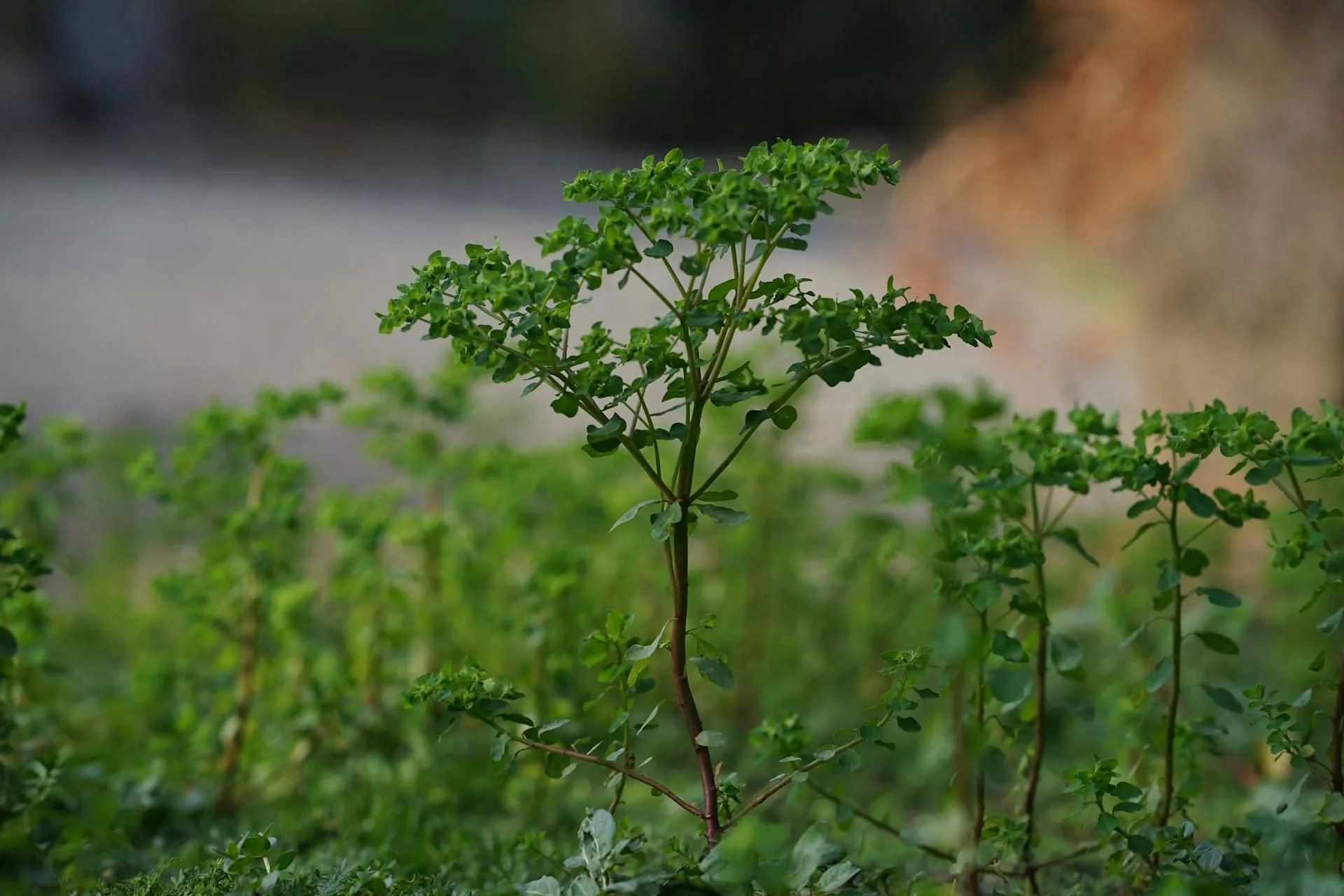
When we lost Baxter in October 2024, the overwhelming grief was accompanied by countless decisions we never imagined we’d have to make. Among them was how to honor his memory in a way that felt authentic to who he was and aligned with our values. For many pet parents who care deeply about environmental impact, choosing an eco-friendly pet burial becomes not just a practical decision, but a meaningful way to ensure beloved companions return to the earth gently.
The loss of a cherished pet is devastating enough without the added stress of navigating unfamiliar burial options. If you’re reading this, you’re likely facing one of the most difficult times in your life, and we want you to know that choosing an environmentally conscious farewell for your pet doesn’t have to be overwhelming. In fact, many pet parents find deep comfort in knowing their final act of love honors both their pet’s memory and the planet they shared together.
At Love, Baxter, we understand that every pet parent’s journey through loss is unique, and the way you choose to say goodbye should reflect the special bond you shared. This comprehensive guide will walk you through everything you need to know about eco-friendly pet burial options, helping you make informed decisions during this tough time.
The growing interest in sustainable pet memorials reflects our more profound understanding of environmental responsibility and our desire to make choices that honor both our pets and the world they inhabited. These options range from simple natural burials to more elaborate sustainable memorial gardens, each offering unique benefits for both the environment and your healing process.
Table of Contents
- 1What Is Eco-Friendly Pet Burial and Why Choose It
- 2Natural Pet Burial Options for Home and Cemetery
- 3Biodegradable Pet Caskets and Eco-Friendly Burial Materials
- 4Water Cremation for Eco-Friendly Pet Aftercare
- 5Memorial Gardens and Living Tributes for Sustainable Remembrance
- 6Legal Requirements and Regulations for Eco-Friendly Pet Burial
- 7Cost Comparison: Eco-Friendly vs Traditional Pet Burial Methods
- 8Planning Your Pet’s Eco-Friendly Memorial Service
- 9Frequently Asked Questions About Eco-Friendly Pet Burial
What Is Eco-Friendly Pet Burial and Why Choose It
Eco-friendly pet burial encompasses any burial method that minimizes environmental impact while providing a meaningful way to honor your pet’s life. Unlike traditional burial methods that may involve non-biodegradable materials or chemical preservation, green pet burial focuses on natural decomposition and returning your pet’s remains to the earth in the most gentle way possible.
Natural burial methods involve placing your pet’s remains directly in the earth or in biodegradable containers, allowing for complete natural decomposition. This approach eliminates the use of chemicals, non-biodegradable materials, or concrete vaults that can interfere with natural processes.
Sustainable memorial options extend beyond the burial itself to include living tributes like memorial trees, native plant gardens, or conservation land dedications. These choices create lasting, growing memorials that contribute positively to the environment while providing ongoing comfort to grieving families.
The environmental impact of traditional pet burial practices has become a growing concern for many families. Concrete vaults, metal caskets, and chemical preservation methods can persist in soil for decades or centuries, potentially affecting groundwater and local ecosystems.
When considering eco-friendly options, it’s important to remember that there’s no “right” or “wrong” choice, only what feels most meaningful to you and your family during this difficult time. These sustainable approaches often provide additional therapeutic benefits, as many families find comfort in knowing their pet’s final resting place contributes to new life and growth.
Natural Pet Burial Options for Home and Cemetery
Natural pet burial represents the most straightforward approach to eco-friendly pet burial. This method involves burying your pet’s remains without embalming chemicals, non-biodegradable caskets, or concrete burial vaults, allowing for complete natural decomposition.
Home burial considerations are often the first option many pet parents explore. If you have adequate property and local regulations permit, home burial can provide a deeply personal and immediate way to lay your pet to rest. Choose a location that holds special meaning, perhaps under your pet’s favorite tree or in a sunny spot where they loved to nap.
When planning a home burial, consider these essential steps:
- Dig the grave at least three feet deep to prevent disturbance by wildlife and ensure proper decomposition
- Wrap your pet in a natural fiber blanket, cotton sheet, or their favorite biodegradable item
- Create a simple ceremony to share favorite memories or place meaningful items like flowers or favorite toys in the grave
- Check local regulations before proceeding, as requirements vary significantly by location
- Consider seasonal factors that might affect soil conditions and digging
Pet cemetery natural burial sections are becoming increasingly available for families without suitable home burial space. These dedicated areas within pet cemeteries specifically accommodate natural burial practices, often featuring meadow-like settings with native plants rather than traditional manicured lawns.
Natural burial in pet cemeteries typically costs less than traditional burial options since it eliminates expenses like embalming, metal caskets, and concrete vaults. Many natural burial sections encourage or require biodegradable markers, creating a more woodland-like environment that many families find peaceful and comforting.
Conservation burial grounds represent an emerging option where pet burials directly support land conservation efforts. These locations combine natural burial practices with habitat restoration and preservation, ensuring your pet’s final resting place contributes to environmental protection for generations to come.
Biodegradable Pet Caskets and Eco-Friendly Burial Materials
For families who prefer the structure and ceremony of a traditional casket while maintaining environmental consciousness, biodegradable pet caskets offer an ideal compromise. These specially designed containers provide dignity and comfort during the burial process while ensuring complete natural decomposition.
Bamboo and wicker caskets are among the most popular eco-friendly options. Bamboo grows rapidly and requires no pesticides, making it an exceptionally sustainable choice. These caskets are sturdy enough for handling and ceremony while breaking down naturally within months of burial. Many pet parents appreciate the warm, natural appearance that feels more appropriate for celebrating their pet’s life than cold metal alternatives.
Cardboard and pressed wood options provide affordable biodegradable alternatives that can be personalized with photos, artwork, or written messages from family members. These materials decompose quickly and safely, and their lower cost makes eco-friendly pet burial accessible to more families during an already expensive time.
Natural fiber shrouds offer the simplest biodegradable option. Made from materials like cotton, linen, hemp, or wool, these burial shrouds can be beautifully decorated or kept elegantly simple. Many families choose to use a beloved blanket or create a special shroud using fabric that holds meaning.
Popular biodegradable burial container options include:
- Bamboo caskets that naturally break down within 6-12 months
- Wicker containers woven from sustainable willow or reed materials
- Cardboard caskets that can be personalized with artwork or messages
- Natural fiber shrouds made from organic cotton, linen, or wool
- Pressed wood options crafted from recycled materials
- Seagrass baskets that provide a rustic, natural appearance
Personalization possibilities with biodegradable options are virtually limitless. Unlike metal caskets that resist customization, natural materials can be painted, decorated, or modified to reflect your pet’s personality. Children often find comfort in helping create artwork for their pet’s casket, providing a meaningful way to participate in the farewell process.
Water Cremation for Eco-Friendly Pet Aftercare
While traditional flame cremation remains the most common choice for pet aftercare, several eco-friendly cremation alternatives are becoming available for environmentally conscious pet families. These methods significantly reduce environmental impact while still providing the convenience and memorialization options many families prefer.
Water cremation, also known as aquamation or alkaline hydrolysis, uses heated water and a small amount of alkali instead of flame. With a private service, your pet’s ashes come home just as they would after flame cremation.
It takes longer than flame cremation, about 18 to 20 hours according to PetMD. Providers say the ashes are softer and whiter than those from standard flame-based cremation, and the Cremation Association of North America says the process results in approximately 32% more cremated remains than flame-based cremation.
Water cremation for pets still isn’t offered everywhere. At the providers we checked in October 2026, private water cremation for a dog or cat ran about $115 to $500, depending on weight and location. A guide for veterinarians says the cost of aquamation is typically similar to that of flame cremation.
What Cornell’s veterinary college says about its environmental impact:
- Cornell’s veterinary college says it uses a tenth of the energy of flame cremation.
- Cornell says its own water cremation service produces 90 percent less greenhouse gas emissions than the traditional method.
Traditional cremation with carbon offsetting provides another option for families in areas where water cremation isn’t available. Some pet crematories now offer carbon offset programs that invest in environmental projects to counterbalance the emissions from traditional cremation processes.
Memorial Gardens and Living Tributes for Sustainable Remembrance
One of the most beautiful aspects of eco-friendly pet burial is the opportunity to create living memorials that honor your pet while contributing positively to the environment. These sustainable tributes provide ongoing comfort while creating lasting beauty that grows and changes over time.
Memorial tree planting offers the most symbolic living tribute. Choose a species native to your area that will thrive in your specific location and provide benefits to local wildlife. Many pet parents select trees that flower during meaningful times, perhaps their pet’s birthday or adoption anniversary, creating annual reminders of their special bond.
Consider your pet’s personality when selecting memorial trees. For energetic dogs who loved to run, consider fast-growing shade trees like oak or maple. For cats who enjoyed bird watching, flowering trees that attract birds like dogwood or cherry is appropriate. The key is choosing something that feels connected to your pet’s unique spirit.
Native plant memorial gardens create beautiful, low-maintenance tributes that support local ecosystems. Design gardens using plants native to your region that provide food and habitat for local wildlife. These gardens require less water and maintenance than traditional landscaping while creating meaningful spaces for reflection and remembrance.
Pollinator gardens dedicated to your pet’s memory serve multiple purposes: honoring your beloved companion while supporting crucial pollinator populations. Plant flowers that bloom throughout the growing season, ensuring continuous support for bees, butterflies, and other beneficial insects.
Conservation dedications allow families to support larger environmental causes in their pet’s name. Many organizations offer memorial programs where donations support habitat restoration, wildlife protection, or conservation research. These dedications create meaningful legacies that extend your pet’s positive impact on the world.
Living memorial options include:
- Memorial trees native to your region that provide wildlife habitat
- Pollinator gardens featuring bee and butterfly-friendly flowers
- Native plant gardens require minimal water and maintenance
- Conservation land dedications supporting habitat preservation
- Memorial benches made from sustainable materials in natural settings
- Herb gardens that provide an ongoing harvest for family use
- Rain gardens that help manage stormwater naturally
Legal Requirements and Regulations for Eco-Friendly Pet Burial
Understanding legal requirements and restrictions is crucial when planning any pet burial, particularly for home burial options. Regulations vary significantly by location, and what’s permitted in rural areas may be prohibited in urban settings.
Home burial regulations typically fall under local zoning laws, health department regulations, and sometimes homeowners’ association rules. Most jurisdictions require burial at specific depths, usually 3-4 feet minimum, and distances from water sources, property lines, and structures. Some areas prohibit home pet burial entirely, particularly in urban zones or areas with high water tables.
Before planning a home burial, contact your local health department, city planning office, or county clerk to understand specific requirements in your area. Many jurisdictions have detailed guidelines available online, but regulations can change, so verify current rules during your planning process.
Property ownership considerations become essential if you’re renting or planning to move. Landlords may prohibit pet burial on rental properties, and future property sales can be complicated by pet graves. Consider these factors carefully when deciding between home burial and other eco-friendly options.
Pet cemetery regulations for natural burial sections vary by state and facility. Most pet cemeteries must follow specific guidelines for natural burial areas, including restrictions on burial depths, marking systems, and maintenance practices. Ask detailed questions about long-term care and access policies when considering cemetery natural burial options.
Important legal considerations include:
- Local zoning laws that may restrict home pet burial
- Health department regulations regarding burial depth and location
- Homeowners’ association rules in planned communities
- Landlord permissions for rental properties
- Future property sale implications for home burial sites
- Pet cemetery licensing and natural burial section requirements
- Water table restrictions that may affect burial depth
- Distance requirements from wells, septic systems, and property lines
Documentation and permits may be required for specific burial methods or locations. Some areas require burial permits, veterinary certificates, or particular documentation of the cause of death. Your veterinarian can guide you through any required paperwork and help ensure compliance with local regulations.
Always prioritize legal compliance when planning your pet’s burial. Violations can result in fines, required exhumation, or other legal complications during an already difficult time.
Cost Comparison: Eco-Friendly vs Traditional Pet Burial Methods
Understanding the financial aspects of different burial options helps families make informed decisions that align with both their values and their budget. Contrary to common assumptions, eco-friendly pet burial options are often more affordable than traditional alternatives.
Natural burial cost advantages stem from eliminating expensive components like embalming, metal caskets, concrete vaults, and elaborate grave markers. Home burial costs primarily involve your time and effort, making it the most economical option where legally permitted.
Natural burial skips items like vaults and metal caskets, but prices vary by cemetery.
Biodegradable casket prices vary widely by material and maker, from simple cardboard to bamboo or wicker, so it helps to ask for current prices and compare what each one includes.
Providers say aquamation cost for pets is comparable to flame cremation cost, and PetMD notes that travel to a far-off provider can raise the price.
Memorial garden investments can range from minimal, such as planting a single memorial tree, to more substantial and elaborate native plant gardens. The beauty of living memorials is that they can be developed gradually over time, spreading costs and allowing the memorial to evolve with your healing process.
Costs for natural burial, caskets, and memorial plantings vary by location and provider, so a few local quotes will give you the most reliable numbers.
Long-term value considerations favor eco-friendly options in many cases. Memorial trees and gardens appreciate in value and beauty over time, while traditional grave markers may require maintenance and replacement. Living memorials also provide ongoing therapeutic benefits that continue long after the initial investment.
The hidden costs of traditional burial often include ongoing maintenance fees, marker replacement, and cemetery perpetual care charges. Eco-friendly options typically involve minimal ongoing expenses, making them more economical over time.
Planning Your Pet’s Eco-Friendly Memorial Service
The decision of how to say goodbye to your beloved pet is deeply personal, and there’s no universal “right” answer. What matters most is choosing an option that feels authentic to your relationship with your pet and provides comfort during your grief journey.
Eco-friendly pet burial options offer meaningful ways to honor your pet’s memory while making choices that align with environmental values. Whether you choose natural burial, biodegradable caskets, green cremation, or living memorials, the key is selecting an approach that brings you peace.
At Love, Baxter, we’ve seen countless families find comfort in knowing their final act of love honors both their pet’s memory and the planet.
Start planning by researching options available in your area and considering your family’s values, budget, and emotional needs. Don’t hesitate to ask questions of pet cemeteries, veterinarians, and memorial service providers. Most professionals understand the deep bond between pets and their families and are willing to help create meaningful farewells.
Creating a meaningful ceremony doesn’t require elaborate planning or expensive materials. Simple, heartfelt tributes often provide the most comfort. Consider involving children in age-appropriate ways, such as decorating a biodegradable casket or helping plant memorial flowers.
Planning considerations include:
- Involving family members and close friends who knew your pet well
- Choosing readings, poems, or music that reflect your pet’s personality
- Creating photo displays or memory books to share during the service
- Encouraging attendees to share favorite memories or stories
- Planning refreshments or gathering space for after the burial
- Preparing memorial keepsakes like seed packets or small plants for guests
Remember that your pet’s greatest legacy isn’t in how you say goodbye, but in the love you shared and the joy they brought to your life. Every tail wag, purr, and moment of companionship created a bond that transcends any physical memorial. The eco-friendly choice you make ensures that your final act of love honors both your pet’s memory and the world they made brighter with their presence.
We understand that every decision during pet loss feels overwhelming. Trust yourself to know what feels right for your family, and remember that choosing an environmentally conscious farewell is a beautiful way to ensure your pet’s legacy continues to nurture life and growth for years to come.
Your beloved companion deserves a farewell that reflects the love you shared and the values you hold dear. In choosing eco-friendly pet burial options, you’re ensuring that love continues to grow, literally and figuratively, long after you’ve said goodbye.
If you’d like a keepsake to go with it, our guide to making a dog paw print in plaster shows you how.
There are more ways to hold onto them than most people realize. Our aftercare and pet memorials hub walks through the options, from ashes to keepsakes to rituals that last.
Frequently Asked Questions About Eco-Friendly Pet Burial
What is eco-friendly pet burial, and why should I consider it for my beloved pet?
Eco-friendly pet burial encompasses any burial method that minimizes environmental impact while providing meaningful ways to honor your pet’s life, focusing on natural decomposition and returning your pet’s remains to the earth in the gentlest way possible. Unlike traditional burial methods that may involve non-biodegradable materials or chemical preservation, green pet burial eliminates the use of chemicals, non-biodegradable materials, or concrete vaults that can interfere with natural processes and persist in soil for decades or centuries, potentially affecting groundwater and local ecosystems. Natural burial methods involve placing your pet’s remains directly in the earth or in biodegradable containers, allowing for complete natural decomposition, while sustainable memorial options extend beyond burial itself to include living tributes like memorial trees, native plant gardens, or conservation land dedications that create lasting, growing memorials contributing positively to the environment. Many pet parents find deep comfort in knowing their final act of love honors both their pet’s memory and the planet they shared together, with these sustainable approaches often providing additional therapeutic benefits as families find peace knowing their pet’s final resting place contributes to new life and growth. The growing interest in sustainable pet memorials reflects our more profound understanding of environmental responsibility and desire to make choices that honor both our pets and the world they inhabited, with options ranging from simple natural burials to elaborate sustainable memorial gardens, each offering unique benefits for both the environment and your healing process. There’s no “right” or “wrong” choice when deciding how to say goodbye to your beloved pet, only what feels most meaningful to you and your family during this difficult time, with eco-friendly options providing ways to ensure that love continues to grow, literally and figuratively, long after you’ve said goodbye.
What are my options for natural pet burial, both at home and in cemeteries?
Natural pet burial represents the most straightforward approach to eco-friendly pet burial, involving burying your pet’s remains without embalming chemicals, non-biodegradable caskets, or concrete burial vaults to allow complete natural decomposition. Home burial considerations are often the first option many pet parents explore. If you have adequate property and local regulations permit, home burial can provide deeply personal and immediate ways to lay your pet to rest in locations that hold special meaning, perhaps under your pet’s favorite tree or in sunny spots where they loved to nap. Essential steps for home burial include digging graves at least three feet deep to prevent wildlife disturbance and ensure proper decomposition, wrapping your pet in natural fiber blankets, cotton sheets, or their favorite biodegradable items, creating simple ceremonies to share favorite memories or place meaningful items like flowers or favorite toys in graves, checking local regulations before proceeding since requirements vary significantly by location, and considering seasonal factors that might affect soil conditions and digging. Pet cemetery natural burial sections are becoming increasingly available for families without suitable home burial space, featuring dedicated areas within pet cemeteries that specifically accommodate natural burial practices, often featuring meadow-like settings with native plants rather than traditional manicured lawns. Natural burial in pet cemeteries typically costs less than conventional burial options because it eliminates expenses like embalming, metal caskets, and concrete vaults. Many natural burial sections encourage or require biodegradable markers, creating more woodland-like environments that many families find peaceful and comforting. Conservation burial grounds represent emerging options where pet burials directly support land conservation efforts, combining natural burial practices with habitat restoration and preservation to ensure your pet’s final resting place contributes to environmental protection for generations to come.
What are the available biodegradable caskets and eco-friendly material options?
For families who prefer the structure and ceremony of traditional caskets while maintaining environmental consciousness, biodegradable pet caskets offer ideal compromises that provide dignity and comfort during burial processes while ensuring complete natural decomposition. Bamboo and wicker caskets are among the most popular eco-friendly options because bamboo grows rapidly and requires no pesticides, making it exceptionally sustainable. These caskets are sturdy enough for handling and ceremony while breaking down naturally within months of burial. Many pet parents appreciate the warm, natural appearance that feels more appropriate for celebrating their pet’s life than cold metal alternatives. Cardboard and pressed wood options provide affordable, biodegradable alternatives that can be personalized with photos, artwork, or written messages from family members. These options decompose quickly and safely, making eco-friendly pet burial accessible to more families during already expensive times. Natural fiber shrouds offer the simplest biodegradable option, made from materials like cotton, linen, hemp, or wool that can be beautifully decorated or kept elegantly simple, with many families choosing to use beloved blankets or create special shrouds using fabric that holds meaning. Popular biodegradable burial container options include bamboo caskets that naturally break down within 6-12 months, wicker containers woven from sustainable willow or reed materials, cardboard caskets that can be personalized with artwork or messages, natural fiber shrouds made from organic cotton, linen, or wool, pressed wood options crafted from recycled materials, and seagrass baskets that provide rustic, natural appearances. Personalization possibilities with biodegradable options are virtually limitless, as natural materials can be painted, decorated, or modified to reflect your pet’s personality. Unlike metal caskets, which resist customization, this allows for a more personalized approach. Children often find comfort in helping create artwork for their pet’s casket, providing meaningful ways to participate in farewell processes.
How do eco-friendly cremation options like water cremation work, and what are the costs compared to traditional methods?
Water cremation, also known as aquamation or alkaline hydrolysis, uses heated water and a small amount of alkali instead of flame, and with a private service, your pet’s ashes come home just as they would after flame cremation. It takes longer, about 18 to 20 hours according to PetMD. Cornell’s veterinary college says it uses a tenth of the energy of flame cremation, providers say the ashes are softer and whiter than those from standard flame-based cremation, and more of them come home: the Cremation Association of North America puts it at approximately 32% more cremated remains than flame-based cremation. It still isn’t offered everywhere. At the providers we checked in October 2026, private water cremation for a dog or cat ran about $115 to $500, and providers say aquamation cost for pets is comparable to flame cremation cost. Understanding the financial aspects of different burial options helps families make informed decisions that align with both their values and budgets. Eco-friendly pet burial options are often more affordable than traditional alternatives, thanks to natural burial cost advantages that eliminate expensive components like embalming, metal caskets, concrete vaults, and elaborate grave markers. Costs for natural burial, caskets, and memorial plantings vary by location and provider, so a few local quotes will give you the most reliable numbers.
On this topic