







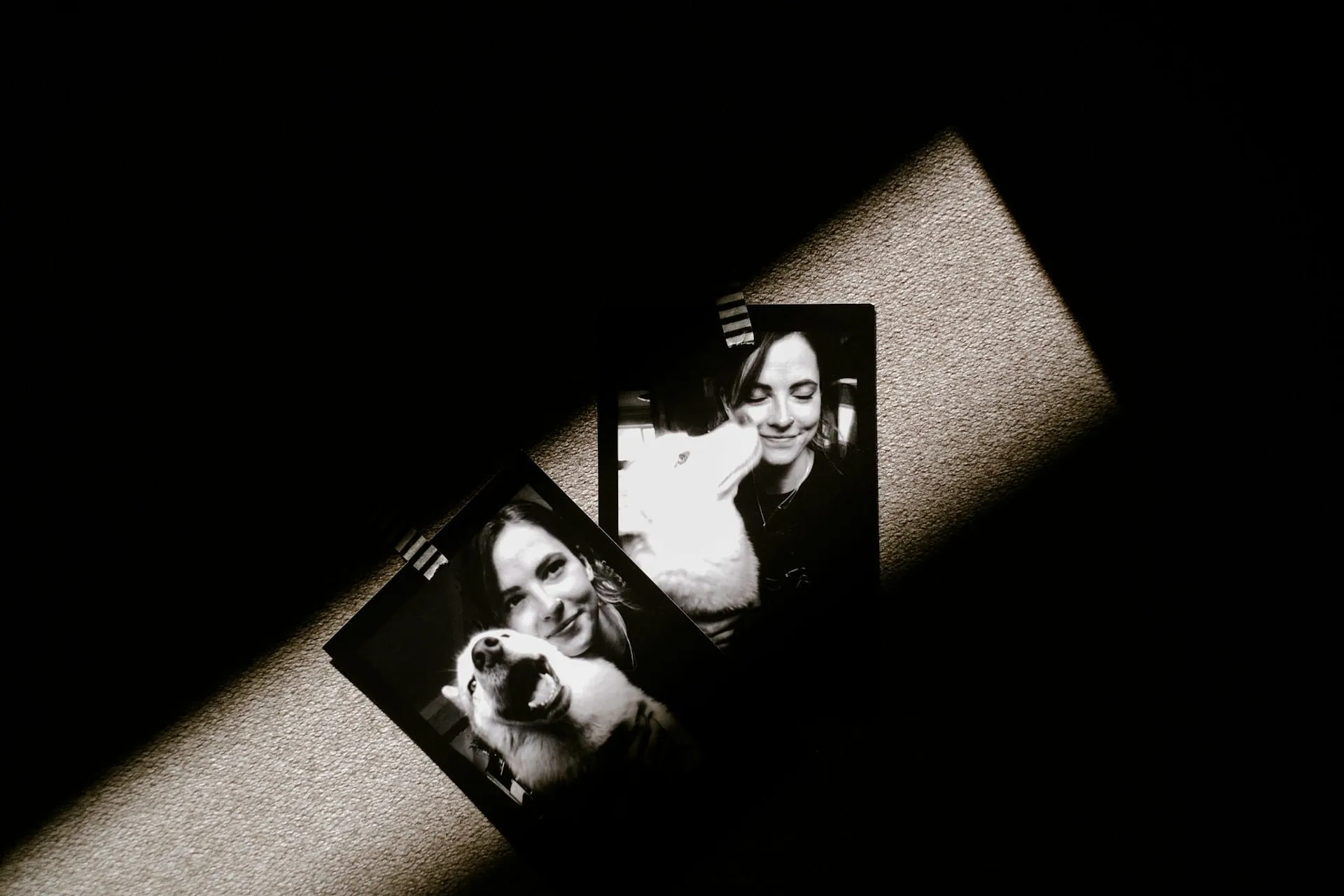
The little things—that’s what we miss most when our beloved pets are gone. The way your dog’s tail wagged when you grabbed the leash. How your cat’s purr vibrated against your chest during quiet Sunday mornings. The specific spot on the couch where they always curled up, leaving behind an invisible but permanent impression on your heart.
At Love, Baxter, we understand that grief often feels overwhelming when you lose a beloved pet. But within that pain are countless small, beautiful memories that deserve to be cherished and preserved. These aren’t the dramatic moments—they’re the everyday miracles that made your pet uniquely yours. The challenge isn’t just remembering them; it’s learning how to hold onto these precious fragments of your shared life in ways that bring comfort rather than overwhelming sadness.
We created Love, Baxter, after experiencing our own profound pet loss, and we know that your desire to preserve these memories isn’t just natural—it’s beautiful. Your pet’s legacy lives in these small moments, and there are gentle, meaningful ways to honor them that can bring healing to your grieving heart. Through our work supporting grieving pet parents, we’ve learned that preserving pet memories becomes a bridge between the love you shared and the love that continues even after they’re gone.
Table of Contents
- 1Why Small Pet Memories Matter Most During Grief
- 2Creating a Meaningful Pet Memory Collection
- 3Digital Methods for Preserving Pet Memories
- 4Transforming Pet Memories into Healing Rituals
- 5Navigating Difficult Emotions While Preserving Memories
- 6Building Your Personal Memory System
- 7Finding Long-Term Comfort in Preserved Pet Memories
- 8Frequently Asked Questions About How to Preserve Pet Memories After Loss
Why Small Pet Memories Matter Most During Grief
When we think about preserving pet memories, we often focus on the big moments—the day we brought them home, their first vet visit, or that perfect photo we captured. But the memories that truly sustain us through grief are usually much smaller: how they greeted you at the door, their favorite sleeping position, or that funny little quirk that made you laugh daily.
These small memories matter because they represent the texture of your daily life together. They’re the moments that, when strung together, create the beautiful tapestry of your bond. At Love, Baxter, we’ve seen how preserving these everyday moments provides comfort and helps pet parents process loss healthily.
Consider Emma, a nurse from Arizona, who shared with us how she thought she needed to remember the big moments with her golden retriever, Charlie. But what she actually missed most was how he used to steal her garden gloves and parade around the backyard with them. That silly, small habit brought her more joy to remember than any of the special occasions.
Creating a Meaningful Pet Memory Collection
Building Your Pet’s Memory Box
One of the most therapeutic ways to preserve pet memories is to create a physical memory box. This isn’t about preserving everything—it’s about choosing items that specifically remind you of those small, daily moments you shared. A well-curated memory box becomes a tangible connection to your pet’s spirit and the love you shared.
Your pet’s memory box should include items that transport you back to ordinary moments. Their favorite toy, especially if it shows wear from being loved, tells the story of countless play sessions. A piece of their bedding that still carries their scent can provide immediate comfort during difficult grief moments. Their collar or tags represent their identity and place in your family.
We recommend including a small jar of treats they loved, as the familiar sound of treats rattling can trigger happy memories of their excitement. Photos that capture everyday moments work better than posed shots because they show your pet’s authentic personality. Consider adding a handwritten list of their quirky habits and behaviors. These details might fade from memory over time, but they become precious reminders of what made your pet unique when written down.
Lisa, a teacher from Oregon, shared how she keeps a small catnip mouse in her memory box for her tabby cat, Oliver. The toy isn’t fancy or expensive, but she remembers how Oliver would carry it around like his baby every time she sees it. That simple memory brings her tremendous peace during her grief journey.
Writing Down the Little Details
Memory journals focused on small moments can become treasured keepsakes that become more precious over time. The goal isn’t to write a complete biography—it’s to capture those fleeting details that might fade as grief evolves. Writing about pet memories also provides a therapeutic outlet for processing emotions while creating something meaningful.
Start by documenting your pet’s morning routine, as these daily rituals often represent the foundation of your bond. Write about where they liked to sleep and in what position because these comfort-seeking behaviors show how safe they felt in your home. Record what made them excited besides the obvious things like food and walks—maybe it was the sound of your car in the driveway or the rustle of a specific treat bag.
Include the unique sounds they made that were special to them, from how they greeted you to their sleeping sounds. Document how they showed affection in their own special way, whether through specific behaviors, body language, or timing. Note their reactions to different weather or seasons, as these observations capture their personality and preferences.
Write in your own voice, as if you’re talking to a friend about your beloved companion. Don’t worry about perfect grammar or structure—the goal is to preserve the essence of who your pet was in those small, everyday moments that defined your relationship.
Digital Methods for Preserving Pet Memories
Creating a Photo Journey of Daily Life
While we often take hundreds of photos of our pets, the most meaningful ones for memory preservation usually capture everyday life rather than special occasions. These candid shots show your pet being authentically themselves—sleeping in funny positions, playing with favorite toys, or simply existing in your shared space.
Go through your phone and identify photos that show your pet’s personality and daily habits. Create a dedicated album called “Small Moments” with these everyday photos, and add captions that explain what was happening or what made that moment special. These captions become precious context as time passes and details begin to fade.
Consider organizing photos by themes like “morning routines,” “favorite sleeping spots,” or “playtime personalities.” This organization helps you rediscover forgotten moments and creates a comprehensive picture of your pet’s daily life and unique character.
Preserving Sounds and Movements
Recording your pet’s unique sounds creates incredibly comforting audio memories. Suppose you have recordings of your dog’s specific bark, your cat’s purr, or even a video of them doing something characteristically theirs. In that case, these become audio-visual time capsules that preserve their essence.
Michael, whose border collie Ruby passed away eight months ago, recorded a short video of her morning routine—how she’d stretch, yawn, and then immediately check her food bowl. He finds comfort in watching that thirty-second video whenever he misses her morning energy, describing it as having a little piece of their normal life together.
These recordings don’t need to be professionally made or lengthy. Even a quick video of your pet responding to their name or showing their unique personality quirks becomes precious over time.
Transforming Pet Memories into Healing Rituals
The Daily Memory Practice
Set aside five minutes daily to mentally revisit one small memory of your pet. This intentional practice isn’t about dwelling in sadness but actively choosing to honor their memory with purposeful remembrance. This gentle ritual helps integrate your pet’s memory into your ongoing life rather than boxing it away.
Sit quietly and select one small moment to remember fully. Maybe recall how they looked when sunlight hit their fur just right or how they tilted their head when you said their name. Allow yourself to experience that memory completely without judgment about your emotional response. Some days, this practice might bring tears, and that’s perfectly okay. On other days, it might bring a smile or peaceful contentment.
This practice helps you develop a healthy relationship with your pet’s memory, allowing grief to coexist with gratitude and love. Over time, many pet parents find this becomes a cherished part of their daily routine.
Memory Preservation Projects
Transform small memories into physical reminders that honor your pet’s unique personality. Custom photo books focused on everyday moments rather than special occasions create lasting tributes to your pet’s authentic self. These books tell the real story of your life together through ordinary moments that were actually extraordinary because of the love you shared.
Memory quilts, made from pieces of their bedding or old clothes they loved to sleep on, create functional memorials that provide comfort. Many pet parents find that having something made from their pet’s belongings gives them a tangible way to feel close to their companion.
Paw print or nose print keepsakes capture your pet’s unique physical signature. Many veterinary offices offer these services, and they become irreplaceable mementos of your pet’s individual identity. Consider personalized ornaments representing specific quirks or habits—these custom pieces become meaningful additions to holiday traditions or year-round reminders.
Navigating Difficult Emotions While Preserving Memories
When Pet Memories Feel Overwhelming
Sometimes, small memories hurt intensely because they remind us of what we’ve lost. It’s important to acknowledge that memory preservation doesn’t always feel good, especially during early grief stages. Your approach to remembering can and should evolve as your grief journey progresses.
If remembering feels overwhelming, start with just one small, positive memory per week rather than trying to preserve everything at once. Grief follows its own timeline, and your capacity for memory work will change as you heal.
Consider adapting your memory activities to match your emotional state. On good days, you can write detailed journal entries or organize photos. On difficult days, simply holding an item from their memory box might provide the right amount of connection. When feeling emotionally numb, looking at one photo and trying to remember the story behind it can gently reactivate your connection to positive memories.
Sharing Memories with Your Community
Don’t underestimate the healing power of sharing small memories with friends and family who knew your pet. These conversations often reveal memories you’d forgotten and help you realize how much your pet touched other people’s lives beyond your immediate family.
Consider creating a simple online memorial where friends can share their own small memories of your pet. You might discover moments others remember you’ve entirely forgotten, adding new dimensions to your understanding of your pet’s impact.
At Love, Baxter, we’ve seen how shared memories help validate the significance of your loss and remind you that your pet’s life mattered to others too. This community support becomes crucial during the lonelier aspects of pet grief.
Building Your Personal Memory System
Starting Small and Growing Gradually
You don’t need to create an elaborate memorial system immediately after your loss. Begin with one or two approaches that feel manageable in your current emotional state. For example, start with a simple memory box or commit to writing one small memory each week.
As you heal and your capacity for memory work grows, you should consider expanding your preservation efforts. Alternatively, you might discover that a simple approach best suits your personality and healing style. Both paths are valid and reflect your unique relationship with your pet and your grief process.
The key is allowing your memory preservation system to evolve naturally rather than forcing yourself into activities that feel overwhelming or inauthentic to your experience.
Including Complex Memories
Not every small memory needs to be purely happy. If your pet had quirks that sometimes frustrated you—like waking you up too early or stealing food from the counter—those memories are also part of their complete story. Including these slightly imperfect memories doesn’t diminish your love; it honors the fullness of who your pet really was.
These more complex memories often become some of the most cherished over time because they represent the reality of your relationship rather than an idealized version. Sometimes, the habits that once frustrated us become the quirks we miss most deeply.
Finding Long-Term Comfort in Preserved Pet Memories
Preserving small pet memories doesn’t eliminate grief—it ensures that the joy your pet brought to your life isn’t lost along with it. These memories bridge the love you shared and the love that continues even after they’re gone.
Over time, accessing these preserved memories becomes less painful and more comforting. The memory box that once brought tears might eventually bring smiles. The journal entries that felt impossible to write might become your most treasured possession.
At Love, Baxter, we believe there’s no right or wrong way to preserve memories. Some people need elaborate systems and detailed records. Others find comfort in simple rituals or a single meaningful keepsake. The best approach is whatever feels authentic to your relationship with your pet and supports your personal healing process.
Your pet’s small memories—their unique quirks, daily routines, and the countless tiny moments that made them special—are absolutely worth preserving. They’re proof of a real, significant love worthy of being remembered with intention and care. By holding onto these small memories, you’re not just preserving the past; you’re honoring a love that continues to be part of who you are.
Ultimately, these small memories become the threads that weave your pet’s spirit into the fabric of your ongoing life. They remind you that love doesn’t end when life does—it transforms into something precious that you carry forward, one small, beautiful memory at a time.
Deciding what comes after is its own kind of care. Our guide to aftercare and pet memorials covers the practical choices and the meaningful ones side by side.
Frequently Asked Questions About How to Preserve Pet Memories After Loss
Why do small, everyday memories of my pet matter more than the big moments when dealing with grief?
Small, everyday memories matter most during grief because they represent the texture of your daily life together and create the beautiful tapestry of your bond with your pet. While we often think about preserving big moments like the day we brought them home or special occasions, the memories that truly sustain us through grief are usually much smaller: how they greeted you at the door, their favorite sleeping position, or funny quirks that made you laugh daily. These small memories matter because they’re the moments that, when strung together, show the authentic personality of your pet and the reality of your relationship rather than idealized versions. They represent ordinary moments that were actually extraordinary because of the love you shared, like how your dog’s tail wagged when you grabbed the leash or how your cat’s purr vibrated against your chest during quiet mornings. These everyday miracles become precious fragments of your shared life that deserve to be cherished and preserved because they capture who your pet really was in their most natural state. The challenge isn’t just remembering them but learning to hold onto these memories in ways that bring comfort rather than overwhelming sadness, creating a bridge between the love you shared and the love that continues even after they’re gone.
What are the most effective ways to create a meaningful pet memory collection?
Creating a meaningful pet memory collection involves both physical and digital methods that focus on preserving everyday moments rather than just special occasions. Create a physical memory box filled with items that transport you back to ordinary moments: their favorite toy, worn from love, bedding still carrying their scent, a collar or tags representing their identity, a small jar of treats they loved for the familiar sound, and photos capturing everyday moments that show their authentic personality. Include a handwritten list of quirky habits and behaviors, as these details might fade from memory over time but become precious reminders of what made your pet unique. Memory journals focused on small moments become treasured keepsakes. Document morning routines, sleeping preferences and positions, what made them excited beyond obvious things, unique sounds they made, how they showed affection in their special way, and reactions to different weather or seasons. Write in your own voice, as if talking to a friend, without worrying about perfect grammar, since the goal is to preserve the essence of who your pet was. For digital preservation, create photo albums called “Small Moments” with everyday candid shots showing your pet’s personality, adding captions explaining what was happening or what made moments special. Record your pet’s unique sounds, such as specific barks, purrs, or videos of characteristic behaviors, as these audio-visual time capsules preserve their essence and become incredibly comforting over time.
How can I transform pet memories into healing rituals and cope when memories feel overwhelming?
Transform pet memories into healing rituals through daily memory practices and meaningful projects that help integrate your pet’s memory into ongoing life rather than boxing it away. Set aside five minutes daily to mentally revisit one small memory. Sit quietly, select a moment to remember fully, like how sunlight hit their fur or how they tilted their head when you said their name, and allow yourself to experience that memory completely without judging your emotional response. This intentional practice helps develop a healthy relationship with your pet’s memory, allowing grief to coexist with gratitude and love. Create memory preservation projects like custom photo books focused on everyday moments, memory quilts made from pieces of their bedding, paw print or nose print keepsakes capturing their unique physical signature, or personalized ornaments representing specific quirks. When memories feel overwhelming, remember that your approach to remembering can and should evolve as your grief progresses. Start with one small, positive memory per week rather than trying to preserve everything at once. Adapt memory activities to match your emotional state: on good days, write detailed journal entries; on difficult days, hold an item from their memory box; and when feeling emotionally numb, look at one photo and try to remember the story behind it. Share small memories with friends and family who knew your pet, as these conversations often reveal forgotten memories and help you realize how much your pet touched other people’s lives, providing community support during lonelier aspects of grief.
How should I approach building a personal memory system that works long-term?
Build a personal memory system by starting small and growing gradually, allowing your approach to evolve naturally rather than forcing yourself into overwhelming activities. Begin with one or two manageable approaches, such as a simple memory box or committing to write one small memory each week. Then, expand your preservation efforts as you heal and your capacity grows, or discover that simple approaches best suit your personality and healing style. Both paths are valid. Include complex memories, not just purely happy ones. If your pet had quirks that sometimes frustrated you, like waking you too early or stealing food, those memories are also part of their complete story, and including them honors the fullness of who your pet really was rather than an idealized version. These slightly imperfect memories often become some of the most cherished over time because they represent the reality of your relationship, and sometimes habits that once frustrated us become the quirks we miss most deeply. Remember, there’s no right or wrong way to preserve memories: some people need elaborate systems and detailed records, while others find comfort in simple rituals or single meaningful keepsakes, with the best approach being whatever feels authentic to your relationship and supports your personal healing process. Over time, accessing preserved memories becomes less painful and more comforting, with memory boxes that once brought tears eventually bringing smiles and journal entries that felt impossible to write becoming treasured possessions, proving that these small memories become threads weaving your pet’s spirit into the fabric of your ongoing life.
On this topic