







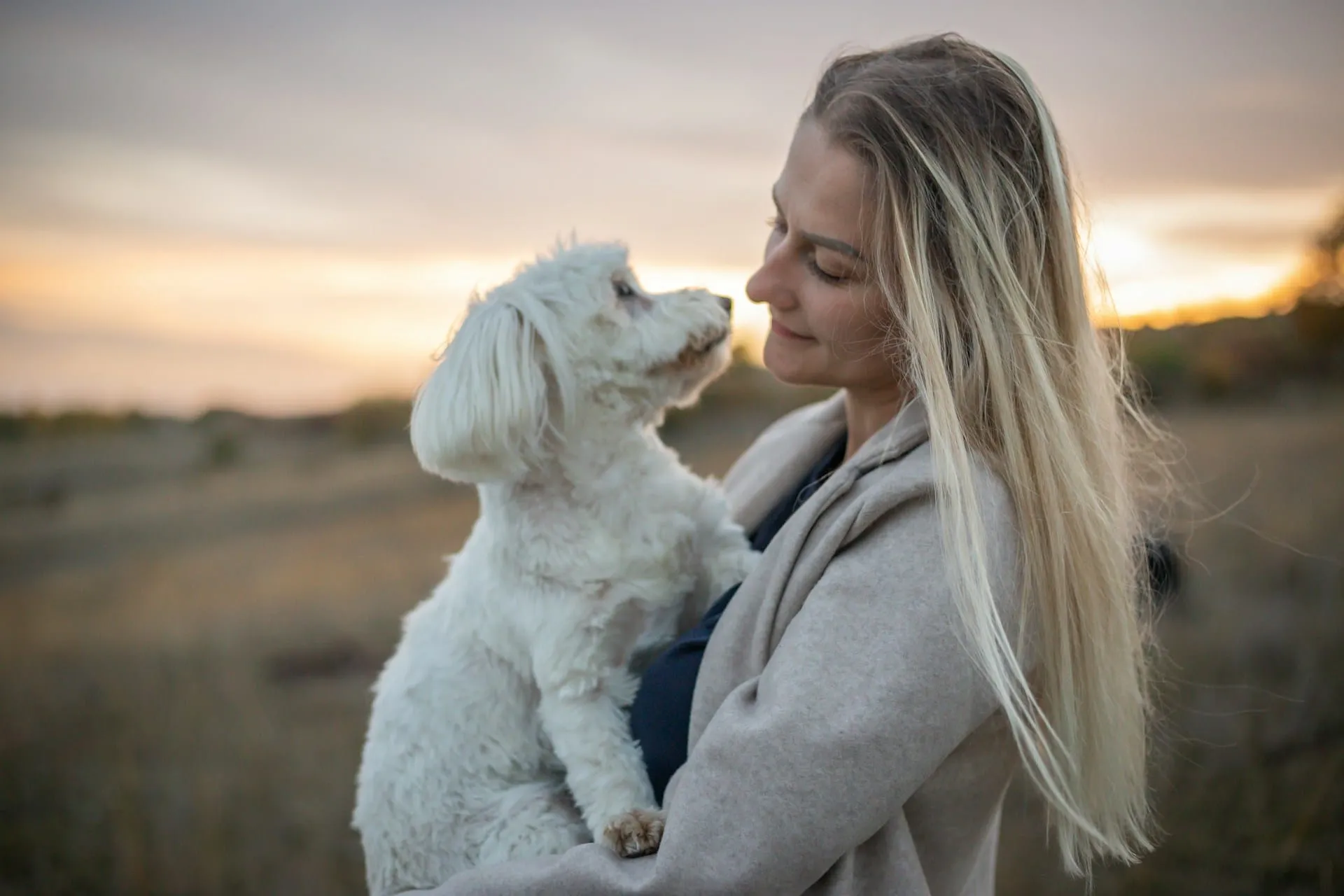
If one animal has felt like part of who you are, there’s a name people use for that bond: soul pet. Some say soul dog, soul cat, or heart dog. It’s a phrase from everyday life, borrowed from “soulmate,” and it means different things to different people.
That animal might be with you now, young or old, well or sick, or they might be gone. You might be trying to put a name to the bond, or wondering whether the word fits at all. Some people use it for more than one animal, and plenty of people never use it.
Research describes part of a bond like that, and we cover what it found without overstating it. After that, you’ll find what grieving a soul pet can be like, ways people keep a bond like this going, and what bringing another animal home can be like, for people who do.
Key Takeaways
- “Soul pet” borrows from the idea of a soulmate. It’s what some people call an animal they feel deeply bonded to, and researchers study part of that bond as attachment.
- After surveying people who are relatively dedicated to their dogs, one researcher concluded that some develop attachment bonds with them, and an Oregon State University study found that the cats it tested formed attachments to their caregivers much like children and dogs do. These studies looked only at dogs and cats, and people use the phrase for all kinds of animals.
- According to the AVMA, there’s no set pattern or series of stages for grieving a pet.
- Some people bring another animal home; others never do. For those who do, the Animal Humane Society notes, feeling ready can take days for some people and years for others.
- A bond with a pet can carry on after they’re gone, through memories, rituals or dreams. A review of pet-loss research found that for some people memorials and rituals eased grief, and for others a continuing bond could make it heavier, especially when people around them didn’t recognize the loss.
Table of Contents
- 1What Is a Soul Pet?
- 2Signs of a Soul Dog or Soul Pet
- 3Where a Soul Pet Bond Comes From
- 4Can You Have More Than One Soul Pet?
- 5When You’re Afraid of Losing Your Soul Pet
- 6Losing a Soul Pet: How the Grief Can Feel
- 7Loving Another Animal After Losing a Soul Pet
- 8Ways to Keep the Bond With Your Soul Pet
- 9How We Think About the Soul Pet Bond
- 10Frequently Asked Questions About Soul Pets
What Is a Soul Pet?
A soul pet is an animal you feel so bonded to that they seem like part of who you are. The term borrows from “soulmate,” and it’s a popular idea, not a research term. Soul dog, soul cat, and heart dog name the same kind of bond for one kind of animal.
What Is a Soul Dog or Heart Dog?
Soul dog is the same idea for a dog: a dog someone feels so bonded to that they seem like part of who that person is. Heart dog means much the same thing. Some people use the phrase for more than one dog over a lifetime, and some for a dog who was with them for a short time.
Is a Soul Dog a Spiritual Idea?
For some people, yes. The soul in soul dog can mean a spiritual connection, a sense that two souls found each other. For others, it’s simply the strongest word they have for how close the bond feels, with no belief attached.
Beliefs about animals and souls vary widely. Faith traditions answer the question in different ways, and some people hold personal beliefs, including that a pet’s spirit can return in another animal. The AVMA notes that during grief you may find yourself questioning your beliefs regarding pets and an after-life, and that it’s important to find the answers right for you. We don’t take a side on what’s true. Our guide to spirituality and beliefs around pet loss covers what different traditions say about animals, from Christianity to Buddhism.
Is There Science Behind the Soul Pet Bond?
Psychologists have started measuring how people view their dogs in these terms. In a 2025 study that hasn’t been peer-reviewed, researchers surveyed people in the US with dogs to gauge how strongly owners view their dog as a soulmate, using statements about companionship and closeness.
Researchers study one part of it as attachment. After asking nearly a thousand people who were relatively dedicated to their dogs whether they turned to them in times of emotional distress, one researcher concluded that some owners develop attachment bonds with their pet dogs. Some research looks at the bond from the animal’s side. Oregon State University researchers watched how cats behaved when their caregiver left a room and came back, and concluded that the cats they tested form attachments with their human owners that are similar to the bonds formed by children and dogs with their caretakers. These studies looked at dogs and cats, but people use “soul pet” for all kinds of animals.
Signs of a Soul Dog or Soul Pet
Signs people name for a soul dog or soul pet include a bond that clicked at first sight, a pet who seems to read your mood, a pet who seemed to choose you, and one who arrived when you needed them. Some of these line up with research on how animals pay attention to people. Others are questions of belief.
Some people describe love at first sight: a look across a shelter, a stray who wouldn’t leave the porch. Plenty of other bonds build slowly, over ordinary days.
Research has the most to say about a pet who seems to read your mood. In a small study, researchers at the University of Bari in Italy found that cats are able to cross-modally match pictures of emotional faces with their related vocalizations, including happy and angry human faces. Researchers at Goldsmiths, University of London, reported this: Dogs oriented toward their owner or a stranger more often when the person was pretending to cry than when they were talking or humming. Both studies were small, and neither can say what one animal understands or feels.
Then there’s the pet who chose you, or arrived at just the right time. Looking back, that can feel meant to be. Whether that was fate is a question of belief. Timing is easier to see: an animal who shows up in a hard season becomes part of how you got through it.
Lists like these describe some bonds. They can’t describe yours.
Where a Soul Pet Bond Comes From
A soul pet bond can grow from a mix of timing, daily life, and care: an animal who got you through a hard stretch, who’s part of your routines, or who you looked after through something difficult. You rarely plan it, and nobody can fully explain why one animal becomes this for one person.
Maybe they came into your life the season everything else fell apart, or right after you moved somewhere you didn’t know anyone. They were there for all of it.
Or it’s in the everyday. A cat who settles on your chest at night. A dog who leans their whole weight against your legs. For someone else, it’s a horse who rests their head against them, or a bird who saves one word just for them.
For some people, it’s care. The medicine schedule, the vet visits, the nights up with them when they don’t feel well. Looking after an animal through something hard can bring you closer together. Sometimes those hard months are the reason you know them so well.
Can You Have More Than One Soul Pet?
The idea has no limit. Some people have a soul pet as a child and another decades later. Some have two at the same time, and they’re nothing alike. And some love every animal they’ve shared a life with and never single one out.
If you have several animals now, you might feel closest to one, or close to each differently, and that can shift over the years.
In a family, one animal can be one person’s soul pet and mean something different to everyone else. That can make grief look different from one person to the next under the same roof. Someone might talk about them constantly, while someone else goes quiet.
When You’re Afraid of Losing Your Soul Pet
The fear of losing a soul pet can show up at any age or stage. If they’re getting older or sick, some people start grieving while their pet is still with them. That has a name: anticipatory grief. It can sit right alongside the good days, sometimes in the same afternoon.
A few things people do while their pet is getting older or sick:
- Some take photos and videos, including the ordinary ones: the sleepy ones, the messy ones, the way they look at you. Some record their sounds.
- Making room for what they enjoy, like a sunny spot, a favorite perch or patch of grass, or time close to you, can matter. If they’re eating, a favorite food can too.
- A vet can show you how to judge whether your animal is comfortable, what pain might look like in them, and when to call. A quality-of-life consultation with someone who focuses on end-of-life care is another option.
- If you have time and can face it, thinking through aftercare ahead, like whether you’d want burial or cremation, means it isn’t one more decision on the day itself.
Losing a Soul Pet: How the Grief Can Feel
Grief for a soul pet can turn up in the gaps they used to fill: the time of day that was theirs, the spot they claimed, the habit of checking on them before bed. There’s no set order. The AVMA says your journey of grief will not take on a prescribed pattern or series of stages. As the AVMA puts it, your grief is your grief.
A soul dog or soul cat, or any animal who felt that close, can also become part of your sense of who you are, and losing them can shake it. Part of your self-identity might come from being a pet owner, the AVMA notes, and other people may think of you in relation to your pet. That part of you can take time to find its footing.
If there are other animals at home, they may be a comfort, or a reminder that’s hard to look at, and sometimes both on the same day. You can lean on them, and give yourself space when you need it.
When People Don’t Understand the Loss of a Soul Pet
Pet grief doesn’t always get room from other people. Researchers who reviewed studies on pet loss found that grief experiences were further complicated because of disenfranchised grief, the kind of grief others don’t fully recognize. The same review notes that losing animals other than dogs and cats, such as fish and rats, hasn’t received the same recognition.
If someone brushes it off, you can keep your answer short: “[Pet’s name] matters to me, and I’d rather not talk about it right now.” Our guide to validating pet loss grief when others dismiss it has more ways to answer, if you want them.
Guilt After Losing a Soul Pet
Cornell’s veterinary college names guilt among the ways grief can show up: sadness, anger, frustration, guilt, numbness, loneliness, and more. Some people find it helps to say it out loud to someone they trust, or to write it down. Our guide to coping with guilt and regret after losing a pet goes further, with ways to work through it.
When Grief for a Soul Pet Isn’t Easing
If grief is making it hard to eat, sleep, or get through the day, and it isn’t easing, a grief counselor who understands pet loss can help, at any point. You don’t need a diagnosis to ask. For some people, grief does become something more: a 2026 study of adults in the UK found evidence that prolonged grief disorder can occur following the death of a pet, even though the diagnosis was written for the death of a person.
Where to Find Support After Losing a Soul Pet
Talking with people who’ve been through it can help. A pet loss support group puts you with people who’ve lost an animal too, in person or online. If you’d like one-on-one help, a pet loss grief counselor can walk you through it. We review every provider in our directory before their listing goes live.
Loving Another Animal After Losing a Soul Pet
Some people bring another animal home soon, some wait, and some never do. For people who do, the Animal Humane Society says that for some, feeling ready can take days, weeks, months, or even years. Cornell’s veterinary college says every animal, like every person, brings all of their uniqueness to a new owner. Being around animals can also mean fostering or volunteering at a shelter without bringing someone home for good. Our guide to deciding when, or if, to get a new pet after loss walks through what to think about, from timing to the rest of your household.
Comparisons with the one they lost come up for some people. Some give a new pet things of their own, like a new spot to sleep or a name all their own, and some carry something forward, like a name that honors the one before. The Animal Humane Society suggests cherishing their new quirks and personality, and a new bond can grow on its own terms.
Ways to Keep the Bond With Your Soul Pet
A bond with a soul pet can carry on after they’re gone. Researchers call this a continuing bond: keeping an emotional connection after a death. Rituals, memorials, memories, and dreams were identified as helpful coping mechanisms in a review of research on continuing bonds after a pet’s death. However, for some people, a continuing bond could make grief heavier. That’s a finding about groups of people, not a forecast for you.
Here are some ways people keep the connection:
- Letters to them about your day or anything you’d like them to know.
- Something that was theirs, kept close: a collar, a toy, a feather.
- A page of their own. Our online pet memorials are free, and our team puts the page together from the photos and stories you share. Memorial pages are public.
- A memorial tree in their name, a real tree planted at a restoration site, with a certificate that carries their name.
- Words of your own, for a memorial page, a card, or a stone: a nickname, a line about a habit of theirs you loved, or the one thing you’d most want to tell them.
- Physical keepsakes, like a paw or nose print, a clipping of fur, or jewelry that holds a little of their ashes.
- Small rituals, like lighting a candle on a date that was theirs, saying their name out loud, or going somewhere that was yours together.
Some people keep the bond quietly, with no ritual at all. Others describe feeling their pet close, or noticing signs. If that’s part of your experience, our guide to receiving signs from your pet after they’ve passed explores what people notice and what it can mean.
How We Think About the Soul Pet Bond
At Love, Baxter, we think soul pet, soul dog, and soul cat are useful words. They let people say how much an animal matters without adding “I know it’s just a pet,” whether that’s in a card, on a memorial page, or in a conversation with someone who didn’t understand.
Whatever you call them, and wherever you are with them right now, we’re here for you and for them.
Frequently Asked Questions About Soul Pets
What’s the difference between a soul pet and a heart dog?
Mostly the species. Heart dog and soul dog are phrases you’ll hear among dog people; soul cat is the version for cats, and soul pet covers any animal. None of these is a scientific term, just the words people reach for to describe a bond like this. People tend to pick whichever one best matches the bond they’re trying to describe. Some people use one of these words, several, or a name of their own.
Do pets know they’re your soul pet?
No one can say for sure what an animal understands about how much they mean to someone. Small studies suggest dogs and cats can pick up on human emotions, like noticing when someone is crying or matching a happy face with a happy voice. They looked at how animals respond to people’s emotions in general. None of this research can tell you what your own pet feels or felt, no matter what kind of animal they are. Some people feel sure their pet knows, or knew, and some aren’t sure.
How do I cope after losing my soul pet?
In the first days, some people find it’s enough to eat a little and rest when they can. Most other things can wait, and a vet or aftercare provider can tell you if one can’t. Some people put their pet’s things away right away, and some leave them where they are, for a while or for good. If there’s someone you can tell, letting them pass the news on can save you from explaining it over and over. Talking can help, whether with someone who knew your pet or with others who have lost an animal too. A counselor who specializes in pet loss is an option anytime. Go at whatever pace you can manage.
Will I see my soul pet again?
No one can promise that, and we won’t pretend to know. People answer it in very different ways. Some take comfort in their faith’s teaching about animals, some in the hope of being together again, some in the idea that a spirit can return in another life, and some in memory alone. Others hold a personal belief that doesn’t fit neatly into any one tradition. The AVMA encourages grieving people to find the answers that feel right for their own beliefs. Some people live with the question open.
How will I know if I’m ready for another pet after losing my soul pet?
Daily life is a good place to start. The Animal Humane Society suggests weighing your age, health, and activity level; living situation; finances; and everyone in the household, human and animal. It also helps to think about what a new animal would need from you in their first months, from settling in to vet visits to plain patience. If guilt comes up when you think about it, it can help to talk it through with a grief counselor or a friend who has been there. Some people know within days; others take much longer. A no today can become a yes later, or stay a no.
On this topic