







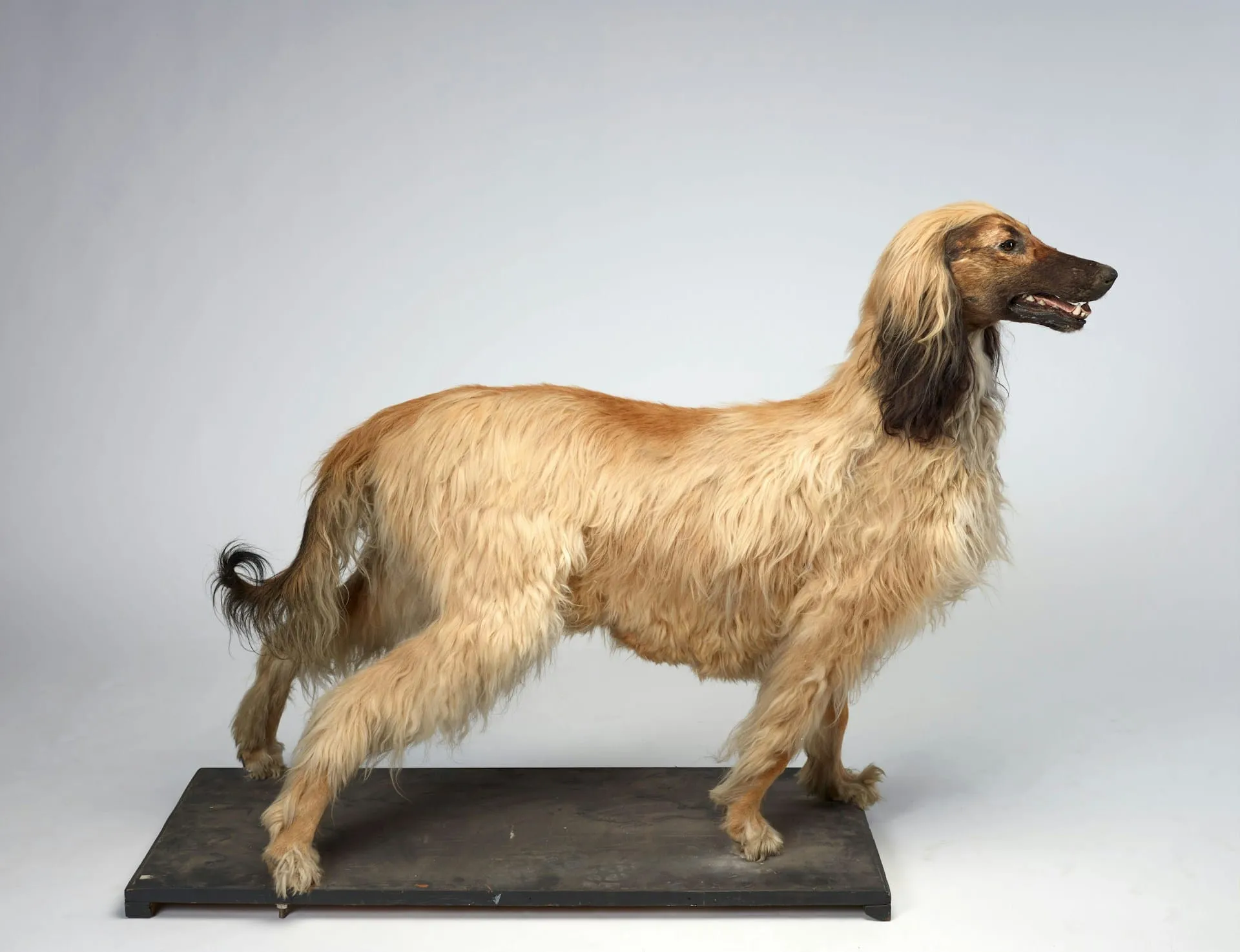
When we lost Baxter in October 2024, the overwhelming grief left us searching for ways to keep our beloved companion close. Many pet parents facing this heartbreaking moment consider pet taxidermy as a way to preserve their furry family member’s physical presence. At Love, Baxter, we understand this desire completely: the need to hold onto something tangible when everything else feels like it’s slipping away.
Pet taxidermy represents one of several pet preservation options available to grieving families, but it’s also one of the most misunderstood. Unlike the hunting trophies many people imagine, modern pet taxidermy focuses on capturing the gentle, loving expressions we remember most. Professional pet taxidermists understand they’re handling someone’s cherished family member, approaching their work with the reverence and care these relationships deserve.
The decision to explore pet taxidermy often emerges from pure love and the inability to imagine a final goodbye. We’ve created this comprehensive guide to help you understand the process, costs, timeline, and alternatives, ensuring you can make an informed decision during one of life’s most difficult moments. Every pet parent grieves differently, and there’s absolutely no judgment here, only compassionate information to support whatever choice feels right for your heart and family.
Understanding pet preservation through taxidermy requires honest information about what the process involves, what results you can expect, and whether this memorial option aligns with your family’s needs. This guide addresses the practical considerations while honoring the deep emotional significance of your decision. Pet taxidermy costs range significantly based on size and complexity, while the emotional investment remains immeasurable for families seeking this type of memorial.
Table of Contents
- 1Understanding the Pet Taxidermy Process and Timeline
- 2Pet Taxidermy Cost Factors and Pricing Guide
- 3Essential Questions Before Choosing Pet Taxidermy Services
- 4Realistic Expectations for Pet Taxidermy Results
- 5Alternative Pet Memorial and Preservation Options
- 6Making the Right Memorial Decision for Your Family
- 7Frequently Asked Questions About Pet Taxidermy
Understanding the Pet Taxidermy Process and Timeline
Pet taxidermy involves preserving your companion’s skin and recreating their physical form using specialized materials and artistic techniques. This pet preservation method differs significantly from what many people envision, requiring extensive knowledge of animal anatomy, artistic skill, and deep sensitivity to the emotional weight of the work.
Modern pet taxidermy focuses on capturing your companion’s unique personality and gentle expressions rather than creating static displays. Professional pet taxidermists spend considerable time studying photographs and discussing your pet’s distinctive characteristics: the way their ears perked up when hearing your voice, their favorite sleeping position, or that special look they gave when asking for treats.
The taxidermy process begins immediately after your pet’s passing, ideally within 24 hours. Your companion must be transported to the taxidermist as quickly as possible, or carefully wrapped and refrigerated if immediate transport isn’t feasible. Freezing should be avoided as it can damage skin and fur quality, affecting the final pet taxidermy results.
During the initial consultation, the taxidermist takes detailed measurements and photographs to ensure accuracy. Together, you’ll discuss positioning options and specific details about your pet’s appearance and personality. This conversation can feel emotionally overwhelming, but experienced pet taxidermists guide families through these decisions with patience and understanding.
The actual preservation work involves carefully removing and treating the skin while creating an internal form matching your pet’s exact size and build. Quality pet taxidermy includes realistic glass eyes selected to match your companion’s natural eye color and expression, careful attention to ear positioning, and precise recreation of facial features. The entire pet preservation process typically requires three to six months for completion.
Pet Taxidermy Cost Factors and Pricing Guide
Pet taxidermy cost varies significantly based on several factors, making it essential to understand pricing structures before committing to this memorial option. Size represents the primary cost factor, with small pets like birds or rabbits typically ranging from $500 to $800, while large dogs can cost $1,200 to $2,000 or more.
Cats generally fall within the $600 to $1,200 range for pet taxidermy, depending on size and pose complexity. Medium-sized dogs typically cost between $800 and $1,400, while breeds requiring special techniques or unusual positioning may increase costs further. Geographic location also influences pet taxidermy cost, with urban areas typically charging higher rates than rural locations.
The complexity of the desired pose significantly affects pet taxidermy cost. Simple sleeping or sitting positions cost less than dynamic poses or unusual positioning requests. Facial expression work, eye placement, and detailed fur arrangement require additional time and skill, potentially increasing the overall investment.
Additional pet taxidermy expenses may include:
- Rush fees for expedited service, often adding 50% to 100% to base costs
- Special positioning or custom mounting requests beyond standard options
- Custom base construction or display case creation for presentation
- Transportation fees if the distance requires professional shipping services
- Extended storage fees if pickup delays beyond the agreed-upon timeframes
Many taxidermists offer payment plans for pet preservation services, understanding that families often face financial strain during pet loss. Don’t hesitate to discuss payment options. Most professionals in this field recognize the circumstances their clients face and want to help make memorial options accessible during difficult times.
Essential Questions Before Choosing Pet Taxidermy Services
Selecting the right professional for pet preservation requires thorough research and asking specific questions to ensure quality results and compassionate service. Your choice of taxidermist will significantly impact both the final outcome and your emotional experience throughout the pet taxidermy process.
Request to see extensive portfolios of previous pet taxidermy work, specifically animals similar to yours in size, breed, and coat type. Quality taxidermists proudly display their work and provide references from other pet families they’ve served. Don’t feel uncomfortable requesting this information. You’re entrusting them with your beloved companion’s pet preservation.
Inquire specifically about their experience with pets versus wildlife, as pet taxidermy requires different skills and sensitivity compared to hunting trophies. Pet-focused taxidermists understand the emotional significance of their work and approach each pet preservation project with appropriate reverence and care.
Discuss facility conditions and storage procedures during the taxidermy process. You deserve assurance that your companion will be treated with dignity and respect throughout the entire experience. Professional taxidermists maintain clean, organized facilities and follow strict protocols for handling and storing pets during pet preservation.
Ask about their policy if you change your mind during the pet taxidermy process. Grief affects decision-making abilities unpredictably, and your feelings about pet preservation might shift as you move through your healing journey. Understanding your options provides peace of mind during an already uncertain time.
Clarify exactly what’s included in the quoted pet taxidermy cost and what constitutes additional charges. Some taxidermists include basic positioning and glass eyes in their pet preservation pricing, while others charge separately for these elements. Understanding the complete cost upfront prevents unexpected expenses during an emotionally vulnerable time.
Realistic Expectations for Pet Taxidermy Results
Understanding what pet taxidermy can and cannot achieve helps set appropriate expectations and prevents disappointment during your grief journey. While skilled taxidermists create remarkably lifelike representations through pet preservation, the result will differ from your living companion in several essential ways.
The texture and feel will be noticeably different from your pet’s living coat. Preserved fur feels drier and less soft than living fur, and the underlying structure lacks the warmth and flexibility of living tissue. Many families find this difference more significant than anticipated with pet taxidermy, while others focus on the visual similarity and find comfort in the familiar appearance.
Weight distribution changes significantly during the pet preservation process. The preserved pet will feel lighter and have different balance points than your living companion. If you enjoyed holding or cuddling your pet, the pet taxidermy result won’t provide the same physical experience you remember.
Pet preservation through taxidermy captures a specific moment in time, typically representing your pet in their healthiest, most vibrant state. However, if your companion experienced visible signs of aging or illness, discuss with your taxidermist how these characteristics will be addressed in the pet taxidermy process. Some families prefer maintaining these natural signs of their pet’s life journey, while others request idealized representation.
Facial expressions in pet taxidermy require particular attention and skill. The most successful pet preservation results capture your pet’s gentle, peaceful expression rather than attempting dramatic or unnatural poses. Bringing multiple photographs showing different expressions helps your taxidermist understand your companion’s personality and typical demeanor for accurate pet taxidermy recreation.
Environmental factors affect pet taxidermy results over time. Direct sunlight, humidity, and dust can gradually impact the appearance and preservation quality. Proper display conditions help maintain the pet preservation results for many years, but some natural aging should be expected even with quality pet taxidermy.
Alternative Pet Memorial and Preservation Options
While pet taxidermy represents one approach to pet preservation, several alternatives better suit your family’s emotional needs, practical circumstances, or budget considerations. Exploring these options ensures you choose the memorial approach that truly serves your healing journey beyond traditional pet taxidermy.
Pet freeze-drying offers another physical preservation method that some families prefer over traditional pet taxidermy. This pet preservation process removes moisture while maintaining your pet’s natural position and original form more closely than conventional taxidermy methods. Freeze-drying preserves your companion exactly as they were, including any imperfections or signs of aging that tell their life story.
The freeze-drying pet preservation process typically costs more than pet taxidermy and requires longer completion times, sometimes extending up to a year. However, the results maintain your pet’s natural weight and texture more closely than traditional pet taxidermy methods. Freeze-dried pets require careful handling and specific storage conditions to maintain preservation quality over time.
Memorial jewelry incorporating your pet’s ashes provides a portable way to keep your companion close while avoiding the practical challenges of physical pet preservation. Custom portrait artists can capture your pet’s personality and spirit through various mediums, from oil paintings to digital art, creating lasting tributes that celebrate their unique characteristics without requiring pet taxidermy.
Creating comprehensive memory boxes allows you to preserve your pet’s scent and tactile memories through their favorite toys, collar, blankets, and other cherished items. Many families find that these collections offer emotional comfort, being more practical and financially manageable than pet preservation options like taxidermy.
Pet memorial gardens offer living tributes that grow and change over time, symbolizing the continuing impact of your companion’s love. Planting memorial trees, creating dedicated garden spaces, or establishing flowering areas provides peaceful places for reflection and remembrance as alternatives to pet taxidermy.
At Love, Baxter, we offer various memorial options designed to honor your pet’s memory in ways that feel authentic to your relationship and supportive of your healing process. Sometimes, the perfect memorial celebrates the love and joy your pet brought rather than preserving their physical form through pet preservation methods.
Making the Right Memorial Decision for Your Family
Choosing between pet taxidermy and other memorial options requires honest reflection about what will genuinely support your healing during the grief journey. Consider your entire family’s feelings, including children who might feel confused or frightened by pet preservation results, and think realistically about your living situation and display space for pet taxidermy.
Take time to process this decision without pressure. Many taxidermists will store your pet temporarily while you consider pet preservation options, and grief significantly affects decision-making abilities. What feels essential immediately after loss might not provide the comfort you expected weeks or months later with pet taxidermy or other memorial choices.
Consider practical long-term factors beyond the immediate emotional appeal of pet preservation. Pet taxidermy requires ongoing care, appropriate display space, and consideration for future moves or life changes. Some families find these practical aspects more challenging than anticipated during their grief process, regardless of the pet taxidermy cost investment.
Talk openly with trusted friends, family members, or pet loss counselors about your feelings and concerns regarding pet preservation options. Sometimes verbalizing thoughts helps clarify what you truly need for healing. Online support groups for pet loss offer opportunities to learn from other families’ experiences with pet taxidermy and various memorial approaches.
If you ultimately decide pet taxidermy isn’t right for your family, please don’t feel guilty about changing direction. Your grief journey is uniquely yours, and the most important consideration is choosing memorials that bring genuine comfort and support your healing process, whether through pet preservation or alternative options.
Remember that your love for your pet, that desperate desire to keep them close, is beautiful and completely understandable. Whether that love leads toward pet preservation through taxidermy, alternative memorial options, or a combination of approaches, trust yourself to honor those feelings and make choices that serve your healing.
At Love, Baxter, we believe every cherished pet deserves to be remembered with love, and every pet parent deserves compassionate support during their grief journey. Whatever memorial path you choose, you’re honoring the incredible bond you shared with your beloved companion. That love remains the most important and lasting part of their legacy, transcending any physical memorial and living forever in your heart.
The decision about pet taxidermy ultimately reflects your unique relationship with your companion and your individual grief process. There’s no universally right or wrong choice, only what feels authentic and supportive for your specific situation and healing needs. Whether you choose pet preservation through taxidermy or explore alternative memorial options, the love that guides your decision honors your pet’s memory in the most meaningful way possible.
This is one way to remember them, and there are many more. Our aftercare and memorials hub is where the rest of them live.
Frequently Asked Questions About Pet Taxidermy
What exactly is pet taxidermy, and how does the process work?
Pet taxidermy involves preserving your companion’s skin and recreating their physical form using specialized materials and artistic techniques, focusing on capturing your pet’s unique personality and gentle expressions rather than creating static displays like hunting trophies. Modern pet taxidermy requires extensive knowledge of animal anatomy, artistic skill, and deep sensitivity to the emotional weight of the work. Professional pet taxidermists spend considerable time studying photographs and discussing your pet’s distinctive characteristics, such as how their ears perked up when hearing your voice or their favorite sleeping position. The process begins immediately after your pet’s passing, ideally within 24 hours. This requires your companion to be transported to the taxidermist quickly or carefully wrapped and refrigerated if immediate transport isn’t feasible. Freezing should be avoided, as it can damage skin and fur quality. During the initial consultation, the taxidermist takes detailed measurements and photographs to ensure accuracy while discussing positioning options and specific details about your pet’s appearance and personality. This conversation can feel emotionally overwhelming, but experienced taxidermists guide families through these decisions with patience and understanding. The actual preservation work involves carefully removing and treating the skin while creating an internal form matching your pet’s exact size and build, including realistic glass eyes selected to match your companion’s natural eye color and expression, careful attention to ear positioning, and precise recreation of facial features. The entire pet preservation process typically requires three to six months for completion, with the final result differing from your living companion in texture, weight distribution, and overall feel, though skilled taxidermists create remarkably lifelike visual representations that capture your pet’s peaceful expression and familiar appearance.
How much does pet taxidermy cost, and what factors affect the pricing?
Pet taxidermy cost varies significantly based on several factors, with size representing the primary cost determinant: small pets like birds or rabbits typically ranging from $500 to $800, cats generally falling within the $600 to $1,200 range, medium-sized dogs normally costing between $800 and $1,400, while large dogs can cost $1,200 to $2,000 or more. The complexity of the desired pose significantly affects cost since simple sleeping or sitting positions cost less than dynamic poses or unusual positioning requests, while facial expression work, eye placement, and detailed fur arrangement require additional time and skill, potentially increasing the overall investment. Geographic location also influences pricing, with urban areas typically charging higher rates than rural locations, and breeds requiring special techniques or unusual positioning may increase costs further. Additional expenses may include rush fees for expedited service, often adding 50% to 100% to base costs, special positioning or custom mounting requests beyond standard options, custom base construction or display case creation for presentation, transportation fees if distance requires professional shipping services, and extended storage fees if pickup delays beyond agreed-upon timeframes. Many taxidermists offer payment plans for pet preservation services, recognizing that families often face financial strain during pet loss. Don’t hesitate to discuss payment options, as most professionals in this field understand the circumstances their clients face and want to help make memorial options accessible during difficult times. Understanding complete costs upfront prevents unexpected expenses during emotionally vulnerable times. Therefore, clarify exactly what’s included in quoted prices and what constitutes additional charges, as some taxidermists include basic positioning and glass eyes in their pricing, while others charge separately for these elements.
What should I realistically expect from pet taxidermy results?
Understanding what pet taxidermy can and cannot achieve helps set appropriate expectations and prevents disappointment during your grief journey, with skilled taxidermists creating remarkably lifelike representations through pet preservation, though the result will differ from your living companion in several essential ways. The texture and feel will be noticeably different from your pet’s living coat since preserved fur feels drier and less soft than living fur, and the underlying structure lacks the warmth and flexibility of living tissue. Many families find this difference more significant than anticipated, while others focus on visual similarity and find comfort in familiar appearance. Weight distribution changes significantly during the preservation process, as the preserved pet will feel lighter and have different balance points than your living companion. If you enjoyed holding or cuddling your pet, the taxidermy result won’t provide the same physical experience you remember. Pet preservation captures a specific moment in time, typically representing your pet in their healthiest, most vibrant state. However, if your companion experienced visible signs of aging or illness, discuss with your taxidermist how these characteristics will be addressed. Some families prefer maintaining natural signs of their pet’s life journey, while others request idealized representation. Facial expressions require particular attention and skill, with the most successful results capturing your pet’s gentle, peaceful expression rather than attempting dramatic or unnatural poses. Bringing multiple photographs showing different expressions helps your taxidermist understand your companion’s personality and typical demeanor for accurate recreation. Environmental factors affect results over time, as direct sunlight, humidity, and dust can gradually impact appearance and preservation quality. However, proper display conditions can help maintain results for many years, although some natural aging is expected, even with quality work.
What alternative memorial options should I consider instead of or alongside taxidermy?
While pet taxidermy represents one approach to pet preservation, several alternatives might better suit your family’s emotional needs, practical circumstances, or budget considerations, ensuring you choose the memorial approach that truly serves your healing journey. Pet freeze-drying offers another physical preservation method that some families prefer, removing moisture while maintaining your pet’s natural position and original form more closely than conventional taxidermy methods, preserving your companion exactly as they were including any imperfections or signs of aging that tell their life story, though this process typically costs more and requires longer completion times, sometimes extending up to a year. Memorial jewelry incorporating your pet’s ashes provides a portable way to keep your companion close while avoiding practical challenges of physical preservation, while custom portrait artists can capture your pet’s personality and spirit through various mediums from oil paintings to digital art, creating lasting tributes that celebrate unique characteristics without requiring taxidermy. Creating comprehensive memory boxes allows you to preserve your pet’s scent and tactile memories through their favorite toys, collar, blankets, and other cherished items, with many families finding these collections offer emotional comfort while being more practical and financially manageable than preservation options. Pet memorial gardens offer living tributes that grow and change over time, symbolizing the continuing impact of your companion’s love through planting memorial trees, creating dedicated garden spaces, or establishing flowering areas that provide peaceful places for reflection and remembrance. The decision about pet taxidermy ultimately reflects your unique relationship with your companion and individual grief process, with no universally right or wrong choice, only what feels authentic and supportive for your specific situation and healing needs, whether you choose preservation through taxidermy or explore alternative memorial options that honor the incredible bond you shared.
On this topic