







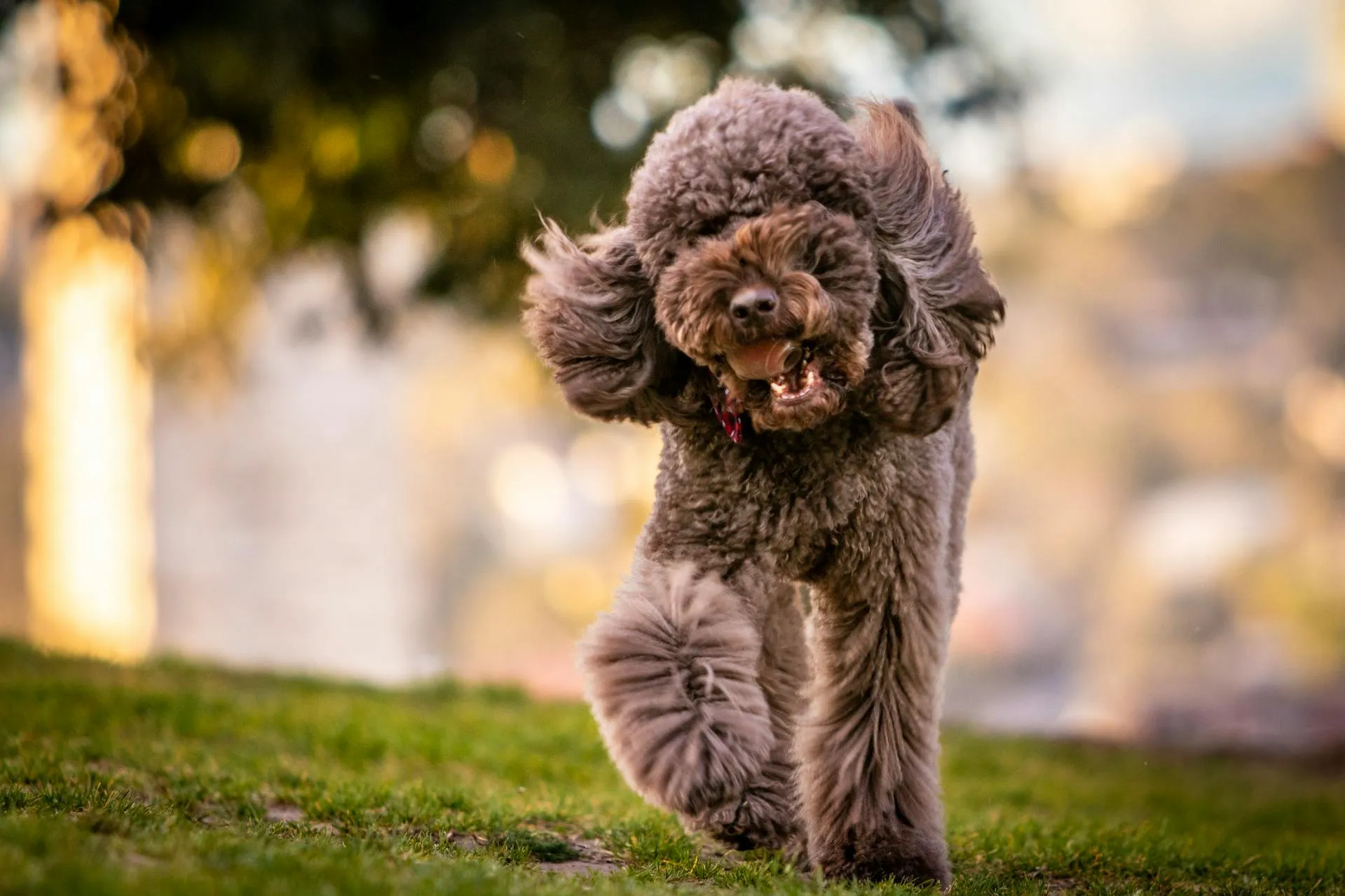
Time moves faster with a pet than most think. One day, you’re adjusting to life together, learning routines and rhythms. Soon, that animal is among the most constant presences you’ve known. They’ve seen you through job changes, hard seasons, and the quiet, ordinary days. Somehow, in all of that, years slip by without a single real photograph.
Pet photography isn’t just about capturing how your pet looks. It’s about documenting who they are and who you are together at every stage you share. Raleigh-based photographer Tara Lynn of Tara Lynn & Co. Photography has spent her career helping pet parents do this. She highlights three stages to capture: the welcome-home phase, the middle years, and the senior stage. These moments together create what no single session can: a complete picture of a life well loved.
If you’ve looked at an old photo and felt how much has changed, you know why this matters. If not, you will. Most pet parents realize this during grief, when it’s too late to go back. This post is about not waiting for that moment.
Key Takeaways
- Pet photography matters at every stage. Not just when your pet is trained, or when they’re sick. Each phase captures something the others can’t replace.
- The welcome home phase documents the beginning of your bond, a version of your pet that exists only once and will change faster than you expect.
- The middle years are the most often skipped in pet photography, and this is the stage people most regret missing.
- Senior pet photography is most meaningful before health issues, while your pet is comfortable, engaged, and in their own element.
- Photos from all three stages together tell a complete story, not of loss, but of a life fully shared and a love that showed up at every chapter.

Table of Contents
Stage One: The Welcome Home Phase
The early days with a new pet have a unique, recognizable texture. Everything is unfamiliar to both of you. Your pet learns your home’s sounds, the smell of your furniture, and your movements. You learn their habits, fears, how they sleep, what makes them anxious, and what makes them light up. This tenderness belongs to the beginning, and it doesn’t last as long as it seems it will.
One of the most common reasons people delay pet photography at this stage is that they want to wait until things settle. Until the puppy knows a few commands. Until the rescue cat is more comfortable with strangers. Until the chaos of the first weeks has evened out into something more manageable. Tara Lynn hears this often, and her response is simple: Your pet doesn’t need to sit and stay to be photographed beautifully.
What a kitten or puppy needs is simply to exist at this age, in this season of life with you. This season is brief and often catches people off guard. Puppies change so quickly that photos just a few months apart can look like two entirely different animals. Kittens grow into themselves almost overnight. The pet you have now, still learning the rules and still discovering who you are to them, will not be here for long. No amount of skill, patience, or talent can recreate this time later.
There’s also something worth capturing about this phase that goes deeper than size or appearance. The welcome home stage is about a connection that’s still being formed. The trust is being built one small moment at a time. A dog learning that this couch is safe, that this person comes back. A cat discovers that a lap is a good place to sleep. Photographs from this phase tell the story of where everything started, and years later, when your pet is the settled, confident presence at the center of your home, those early images will carry a weight that’s hard to put into words.
This applies whether you bring home a puppy, an adult rescue, a kitten, or a senior pet starting over in a new place. Every beginning is worth documenting. The early chapters of a relationship matter as much as those that follow.

Stage Two: The Middle Years of Pet Photography
The middle years feel like they’ll last forever. Your pet is healthy. Their personality is fully formed. They know your routines, moods, and even your tone of voice from across the house. They have their spot on the couch, their way of asking for dinner, and that look they give you when you’ve been gone too long. Life with them feels so solid, it’s easy to take for granted. There’s no obvious reason to think it won’t stay that way.
This is the phase that pet parents most often skip, and most often wish they hadn’t.
During the middle years, your pet is most themselves. Their quirks are on full display. You see their bond in small moments: how they track you through a room, how they settle when you sit down, or how they seem to know your schedule before you speak. All of this is captured by pet photography in these years—no urgency, no grief. Instead, it’s your animal, true to themselves, living in the world you’ve built together.
The problem is that these are also usually the busiest years. Work, family, travel, and the general pace of daily life. It’s easy to put off a photo session because everything is fine. There will always be time to do this later. Tara Lynn describes this plainly: life is usually busy during the middle years, which makes it easy to assume there will eventually be time to document it all. But these are often the years pet parents wish they had photographed more intentionally.
The phrase “I thought we had more time” belongs to this phase. It isn’t because the middle years went wrong, but because they ended, as all things do, and the photos weren’t there. If your pet is in their healthy, settled, personality-full middle years now, pause and notice it. While the goal isn’t to create worry, realize this version, so full of life and at home with you, deserves to be captured while it’s here.

Stage Three: Senior Pet Photography Before Urgency Sets In
Many pet parents first think seriously about photography when something changes. A diagnosis they weren’t expecting. A new medication on the counter. Their dog taking the stairs a little more carefully. Something shifts, and suddenly the desire to document them feels pressing in a way it never did before.
Tara Lynn says many messages start the same way. A pet parent has just received hard news and realized they lack photos of the two of them together. This recognition is painful, and it’s one of the most common things she encounters in her work. This pattern doesn’t have to keep repeating.
Senior pet photography is most meaningful when it happens before urgency arrives. When your pet is still comfortable, still engaged, still moving through their days with ease and presence. When there’s no pressure behind a session, personality comes through fully. Connection comes through fully. You’re not racing against anything. You’re simply there with your animal, capturing who they are in this chapter of life.
These sessions are not about documenting decline. They’re about celebrating presence. They honor everything your pet has been to you while they can still lean against you, still look up at the camera with calm, knowing eyes, and still wag their tail when you walk in. Senior pets carry a kind of settled depth that comes from years of shared life. That depth is worth capturing on its own terms. Not because something is wrong, but because something is right.
Photographing while your pet is comfortable and engaged gives the session a different quality. The photos capture their spirit, not the strain of a hard season. Many pet parents return to these images most often. Rather than marking an ending, they honor everything that came before: a life fully lived and a love present at every stage.

Meet Tara Lynn, a photographer you can trust.
How All Three Stages of Pet Photography Tell The Full Story
There’s something specific that happens when you look at photographs of a pet across their life with you. It’s not just watching them age. Sometimes it’s seeing the arc of something real. You see the uncertain puppy become the settled, middle-years dog who knows your voice from the next room. Finally, there’s the slower, softer senior who still finds their way to you. who still finds their way to you.
Tara Lynn describes this from her own experience with her dog, Baxter. “The difference between my dog Baxter in our family photos in 2022 and the photos we took one year later shows a significant change. Having those images from his final days displayed alongside years of photos at home reminds me that we were together until the end. We did not give up on him when his hips began to fail, when he needed prescription food, or when he became incontinent. Seen together, those photographs tell one of my favorite stories.”
That’s what a complete photographic record gives you. Not a memorial, not a document of decline, but a story. One where the love is visible at every chapter, where no stage was treated as less worthy of documentation than the others. The photographs tell a specific, irreplaceable truth: we were together the whole way through.
This is something we understand deeply at Love, Baxter. Our community was built around exactly this kind of love, the kind that shows up every day, through health and illness, through the easy years and the ones that take everything you have. Photographs are one of the ways love lives beyond what memory alone can hold. And the more stages you document, the more of that story you get to keep.

When to Schedule Pet Photography and Where to Begin
If you’re reading this and thinking about when to schedule your first or next pet photography session, the most honest thing we can offer is this: the right time is almost always sooner than it feels necessary.
For pet parents in the welcome home phase, the first few months are genuinely irreplaceable. If your pet has been home for a year or less, this is still the beginning. A session now captures what can’t be recreated later, regardless of your pet’s age or whether they’ve learned any commands.
If your pet is in their middle years, healthy, settled, and full of personality, there’s no natural prompt that will tell you it’s time. You have to decide intentionally. The absence of urgency is actually the sign that this is the right moment, not a reason to keep waiting.
If your pet is entering or already in their senior years, the guidance is simply not to wait for a health event to make the decision for you. Schedule while they’re comfortable and themselves. The photographs that result will reflect that ease in a way that photos taken under pressure simply can’t.
Working with a professional pet photographer makes a real difference. Not because everyday phone photos don’t matter, and they do, but because a skilled photographer brings patience and tools that produce images you’ll actually display and return to for years. If you’re in the Raleigh, North Carolina area, Tara Lynn of Tara Lynn & Co. Photography is someone we’d point you toward without hesitation. She brings genuine care and skill to this work, and she understands the emotional weight behind it. If you’re anywhere else in the country, the Love, Baxter pet photographer directory is the best place to start. Every photographer listed there understands not just how to take a great photo, but what these sessions actually mean to the families they’re working with.
If you’re reading this because something has already changed with your pet, or because you’re someone who thinks ahead about what loss might feel like someday, we want you to know that awareness isn’t something to push away. It’s love paying attention. Start wherever you are. The photos you take today are the ones you’ll be grateful for later.

Frequently Asked Questions About When To Do Pet Photography
Where can I find a pet photographer I can trust with these sessions?
The Love, Baxter pet photographer directory is the best place to start. Every photographer in our directory was chosen because they understand the emotional weight of what they’re documenting, not just how to take a technically good photo, but what it means to a family to have those images years down the road. If you’re specifically in the Raleigh, North Carolina area, Tara Lynn of Tara Lynn & Co. Photography is someone we trust and recommend without reservation. Beyond that, the most important thing to look for in any pet photographer is evidence that they’ve worked with animals at different life stages, including seniors, and that their portfolio reflects a real connection rather than just polished posing. Reading reviews from other pet parents, particularly those who’ve been through loss, can also tell you a lot about whether a photographer brings the right kind of care to this work. A great pet photography session doesn’t feel like a performance. It feels like an hour with someone who genuinely gets what your animal means to you, and that’s exactly the kind of photographer our directory is built to help you find.
Do I need a professional photographer, or are phone photos enough?
Phone photos are genuinely valuable, and we’d never suggest otherwise. They capture the everyday moments, your dog on the couch, your cat in the windowsill, the small interactions that make up most of a shared life, and those images have real meaning. Professional pet photography is different in what it can produce. A photographer who specializes in animals has the patience, experience, and equipment to work with your pet’s natural behavior rather than against it, resulting in images that are sharp, well-composed, and emotionally resonant, unlike casual phone photos. More practically, professional photos are the ones you’re most likely to print, frame, and display. The two approaches work best together: phone photos for the everyday, and professional sessions for the stages and moments you most want to hold on to. If cost is a consideration, one well-timed professional session per life stage is more valuable than many sessions you haven’t prioritized. A single high-quality senior portrait session, for example, can produce images that become among the most meaningful possessions a pet parent has. The investment tends to feel different once you understand what you’re actually documenting and what it will mean to have those images later.
How do I photograph a senior or less mobile pet without stressing them out?
Senior pets often make some of the most rewarding subjects precisely because they’re calmer and more settled than younger animals. A photographer with experience with senior pets knows how to create a session that works with your pet’s pace and physical comfort, rather than expecting your pet to perform on a timeline that doesn’t fit them. In practice, that might mean shorter sessions with more rest built in, working in familiar environments where your pet already feels safe, or focusing on quieter, connection-based images: your pet resting in their favorite spot, leaning against you, or simply being still, as older animals so often are. If your pet has mobility challenges or pain, a skilled photographer will account for that in how they position themselves and move, rather than asking your pet to hold positions that aren’t comfortable. It’s worth having a direct conversation with your photographer before the session about any health considerations, medications that affect energy levels, or situations that tend to cause anxiety. The goal of senior pet photography isn’t to capture your pet at their most athletic or most obedient. It’s to capture who they are right now, as they are. At this stage of life, that’s often the most moving thing of all, and it doesn’t require any performance from your pet to come through in the images.
Is it too late to schedule pet photos if I missed the puppy or kitten stage?
Not at all, and this is one of the most common concerns we hear from pet parents who are just beginning to think about documentation. Missing the puppy or kitten phase doesn’t mean you’ve lost your chance. It means the window right now is wherever your pet currently is, and that stage has its own irreplaceable qualities that can’t be recreated either. A pet in their prime adult years has a personality, a bond with you, and a specific way of being in the world that simply didn’t exist when they were young. Those things are worth capturing on their own terms, not as a consolation for something missed. The one stage where the prompt to act sooner carries more specific weight is the senior years, when physical changes can occur more quickly and the window for photography at your pet’s most comfortable and engaged state can narrow faster than expected. But even there, starting later than you’d like is far better than not starting at all. If your pet is healthy, settled, and present right now, regardless of their age or what stages came before, that is reason enough to schedule a session. The photos you take today will be the ones you’re glad you have someday. That’s true at every stage, no matter where you’re beginning.
How do I know when my pet has entered their senior years, and it’s time to prioritize photos?
The age threshold for “senior” varies by species and size. For dogs, large and giant breeds are generally considered seniors around age six or seven, while smaller breeds may not reach that stage until nine or ten or even later. For cats, the senior years typically begin around ten or eleven, though many indoor cats remain active and engaged well into their teens. That said, the prompt to prioritize senior pet photography doesn’t have to wait for a specific birthday. It should come when you start to notice the small, quiet signals that a new season is beginning: moving more slowly in the mornings, sleeping more deeply and more often, taking stairs with a little more care, a coat starting to lighten around the muzzle. These are the right signals to act on, because they tell you your pet is still comfortable and engaged while also telling you the window is shifting. Waiting for a diagnosis or health crisis to make the decision often means photographing under pressure, and that pressure changes the energy of a session in ways that are difficult to recover from. The images from a session taken before urgency arrived will look and feel different from those taken after. If your pet is in their later years and you’re reading this right now, that awareness is probably already telling you something worth listening to.
On this topic