







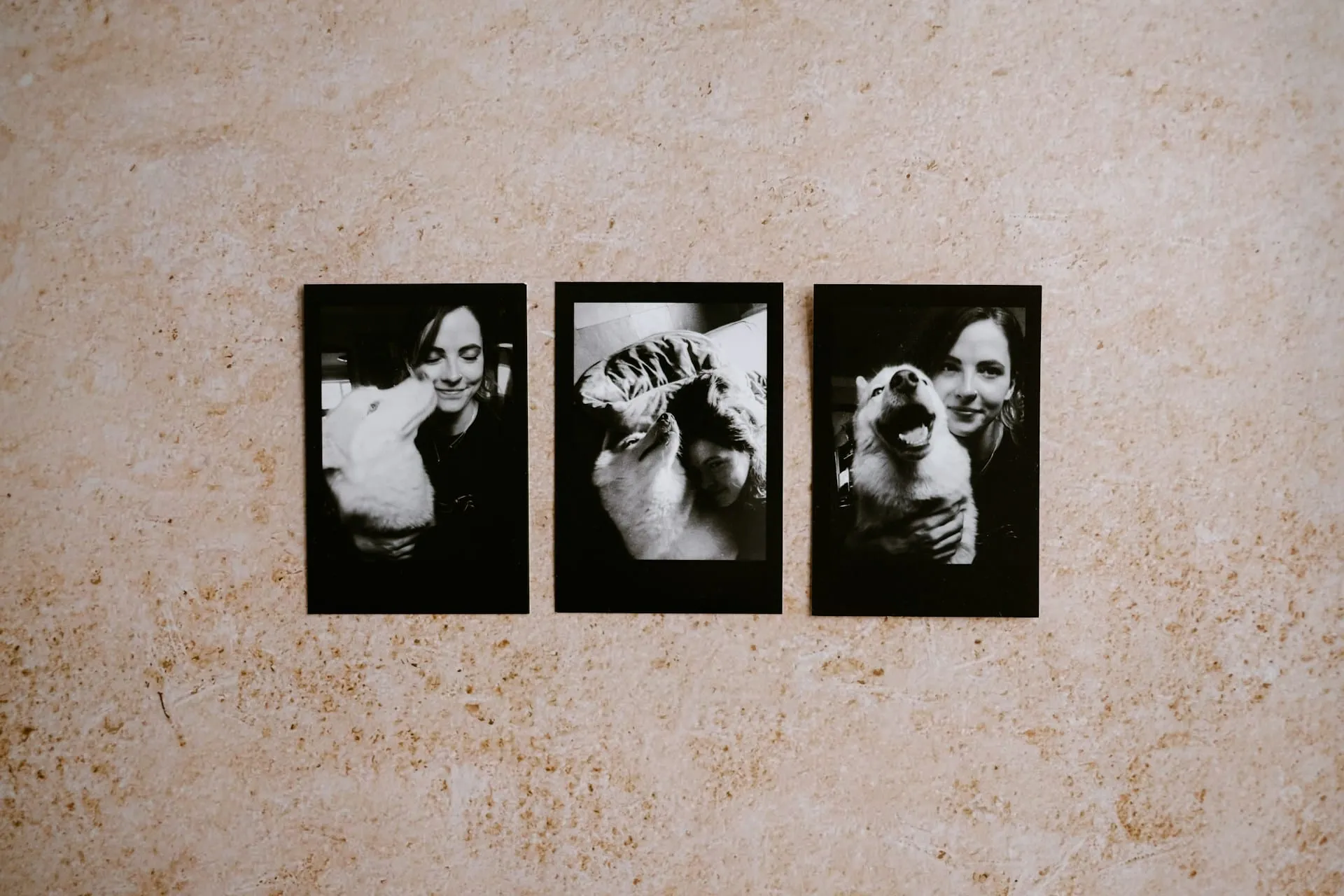
When the Love, Baxter team first learned about pet end-of-life photography after Baxter’s passing in October 2024, our hearts ached with the realization of what we’d missed. The thought of having professional, beautiful final photographs of our beloved Boston Terrier felt both comforting and devastating. We’d been so focused on his medical care and spending every precious moment with him that we hadn’t considered capturing those final days in a way that would honor his memory forever.
That experience sparked something important in our mission. As we built Love, Baxter to support other grieving pet parents, we realized how many families face this exact situation: wanting to preserve their pet’s dignity and their bond during the most difficult time, but not knowing that pet end-of-life photography exists or how powerfully it can support the grief journey.
Pet end-of-life photography isn’t just about taking pictures. It’s about creating a bridge between your life with your beloved companion and your life after their passing. These images become treasured keepsakes that validate your grief, celebrate your bond, and provide comfort during the darkest moments of pet loss. For many families, these final photographs become the most meaningful images they’ll ever own.
If you’re facing the difficult journey of saying goodbye to your pet, know that you’re not alone, and there are beautiful ways to honor this transition through memorial pet photography.
Table of Contents
- 1What Is Pet End-of-Life Photography and How Does It Work
- 2When to Schedule Pet End-of-Life Photography Sessions
- 3What to Expect During Your Pet End-of-Life Photography Session
- 4Choosing the Right Pet End-of-Life Photographer
- 5How Pet End of Life Photography Supports Your Grief Journey
- 6Supporting Your Family Through the Pet End of Life Photography Experience
- 7Making the Decision That’s Right for Your Family
- 8After the Session: What Comes Next
- 9Finding Peace in Beautiful Memories Through Pet End-of-Life Photography
- 10Frequently Asked Questions about Pet End-of-Life Photography: Healing Through Final Memories
What Is Pet End-of-Life Photography and How Does It Work
Pet end-of-life photography is a specialized service that allows professional photographers to capture the final days, hours, or moments with your beloved companion. Unlike regular pet photography sessions focused on playful action shots, end of life photography emphasizes the quiet, tender moments that define your relationship: the gentle touch of your hand on their fur, the peaceful expression as they rest in their favorite spot, or the way they still look at you with love even when they’re tired.
These photography sessions are designed around your pet’s comfort and energy levels. Professional pet photographers who specialize in end-of-life work understand that your companion may be moving more slowly, sleeping frequently, requiring medical equipment, or experiencing discomfort. The photographer works with your pet’s limitations, not against them, creating sessions that happen in your home where your pet feels most secure and structured around rest periods and your pet’s natural rhythms.
The emotional benefits of memorial pet photography extend far beyond simple documentation. When we lose a pet, we’re not just losing an animal; we’re losing a daily companion, a source of unconditional love, and often a family member who’s been with us through significant life changes. Pet end-of-life photography serves several essential emotional functions that support healthy grieving processes.
Validation of your bond comes through images that acknowledge your relationship with your pet as real, significant, and worthy of commemoration. In a society that sometimes minimizes pet loss, having professional photographs validates the depth of your connection and the legitimacy of your grief.
Creating positive final memories helps balance the difficult aspects of your pet’s decline. Instead of only remembering medical decisions or sadness, end-of-life photography creates peaceful, loving final memories that provide comfort throughout your grief journey. These images become touchstones of love rather than reminders of loss.
Preserving their personality remains essential even in the final days, as your pet retains the essence of who they’ve always been. Professional photography captures these subtle personality traits that might be missed in casual snapshots taken during such an emotional time, ensuring their unique spirit is remembered forever.
When to Schedule Pet End-of-Life Photography Sessions
Timing represents one of the most challenging aspects of end-of-life photography, and there’s no perfect formula. However, understanding the different stages can help you make the best decision for your family’s unique situation.
During the diagnosis phase, if your pet has been diagnosed with a terminal illness but remains relatively comfortable and mobile, this can be an ideal time for pet end-of-life photography. Your pet may still be able to sit comfortably in favorite locations, interact naturally with family members, display their personality without significant discomfort, and participate in gentle activities they enjoy. The benefits of early scheduling include more flexibility in location, timing, and activities, while your pet is likely to be more comfortable and responsive. This timing also allows for planning the session without the pressure of an immediate crisis.
As mobility decreases, many families choose to schedule sessions when their pet’s mobility becomes limited, but they remain alert and comfortable. This stage often yields significant photographs because the quiet, restful moments naturally create peaceful compositions. Your pet’s trust and contentment in your care become beautifully visible, while the focus shifts to emotional connection rather than physical activity. Family members often feel more present and connected during these calmer interactions.
In the final days, some families wait until their pet’s very last moments, wanting to capture the end of their time together. While this timing can create incredibly moving images, it requires a photographer experienced with very fragile pets, flexibility with timing, as sessions may need to be shortened or rescheduled, and an understanding that your pet’s comfort takes absolute priority. Additionally, emotional preparation is necessary for a potentially challenging experience.
Before euthanasia appointments, if you’ve made the difficult decision to help your pet pass peacefully through euthanasia, some photographers offer sessions immediately before the appointment. These sessions can be significant because you know these are truly the final photographs; the session can help you feel more prepared for the goodbye. Images often capture the peaceful dignity of your decision, and family members can focus on connection rather than medical concerns.
What to Expect During Your Pet End-of-Life Photography Session
Understanding what happens during a pet’s end-of-life photography session can help reduce anxiety and allow you to focus on the meaningful moments being captured. Professional photographers typically structure these sessions quite differently from standard pet photography to accommodate your companion’s special needs.
Professional pet photographers begin with a detailed consultation to understand your pet’s current condition and limitations, the locations that are meaningful to your family, the specific shots you hope to capture, the family members who should be included, and your pet’s daily routine and energy patterns. This conversation helps ensure the session is tailored to your pet’s needs and your family’s vision for their memorial photographs.
Session day flexibility becomes paramount because end-of-life photography sessions are structured around your pet’s comfort rather than a predetermined schedule. Multiple short sessions may be preferable to one long session if your pet tires easily, while natural lighting is often preferred to minimize the stress caused by camera flashes. Frequent breaks allow your pet to rest and ensure they remain comfortable throughout, with your pet’s behavior dictating the pace rather than any timeline.
Professional pet end-of-life photography typically captures several types of meaningful images. Individual portraits showcase your pet’s unique features and personality, while family groupings show the bonds between your pet and each family member. Detailed shots of paws, nose, ears, or other distinctive features preserve specific memories you want to keep forever. Environmental photos showcase your pet in their favorite spaces, and interaction images demonstrate the love and care they’re receiving during this challenging time.
Consider the story of Maria and her 14-year-old Golden Retriever, Sunny, who was battling cancer. During their session, the photographer captured Sunny resting peacefully in his favorite sunny spot by the kitchen window, individual family members gently stroking his fur, and close-up shots of his graying muzzle and kind eyes. These images later provided Maria’s family with beautiful memories of Sunny’s dignity and their love for him, rather than focusing on his illness.
Choosing the Right Pet End-of-Life Photographer
Not every pet photographer specializes in end-of-life sessions, and this distinction matters significantly for both the quality of your experience and the sensitivity of the approach. The specialized skills required for memorial pet photography differ considerably from those of standard pet photography sessions.
Specialized experience matters because photographers who specifically advertise end-of-life or memorial pet photography services understand how to work with pets who have limited mobility or energy. They understand the emotional weight of the situation for families and are aware of the technical considerations for photographing in medical environments. These professionals understand the importance of flexibility and patience during sessions and learn how to capture dignity and peace rather than focusing on illness.
When interviewing photographers for end-of-life sessions, consider asking several important questions. How many end-of-life pet sessions have you photographed? What is your approach when pets are very tired or uncomfortable? How do you handle sessions if my pet’s condition changes suddenly? What is your policy for rescheduling if needed? Can you provide examples of end-of-life work that has been granted permission from families? What is your turnaround time for delivering images?
Understanding costs and packages helps families prepare financially during an already expensive time. End-of-life pet photography sessions often cost more than standard pet photography because they require specialized experience and emotional sensitivity, greater time flexibility and potential rescheduling, often involve travel to your home or other meaningful locations, sometimes expedited editing and delivery, and additional emotional labor on the photographer’s part. Most families find this investment worthwhile given the irreplaceable nature of these final images.
Take the example of Jennifer and her 16-year-old cat, Whiskers, who chose a photographer specifically experienced in end-of-life sessions. When Whiskers became too tired during the session, the photographer suggested taking a break and returning the next day. This flexibility allowed them to capture beautiful images of Whiskers in his favorite sunny window seat without causing him stress, something a less experienced photographer might not have been able to offer.
How Pet End of Life Photography Supports Your Grief Journey
The true value of pet end-of-life photography becomes apparent in the weeks, months, and years following your pet’s passing. These images serve as powerful tools for healing and remembrance, extending far beyond the photography session itself.
Immediate comfort after loss comes through several essential ways. Visual proof of peaceful final moments can ease guilt or worry about their suffering, while reminders of love and connection persist beyond physical presence. These photographs become tangible comfort objects that can be held, displayed, or carried during difficult moments, and they provide beautiful images to share with friends and family who want to honor your pet’s memory.
Long-term grief support continues as your grief journey evolves, with these photographs providing ongoing comfort. Anniversary comfort can be found on difficult dates, such as your pet’s birthday or the anniversary of their passing, when having beautiful final images can provide solace rather than just painful memories. Storytelling opportunities arise as end-of-life photographs help you share your pet’s story with others in a way that honors both their life and your bond. Integration of memories occurs over time as these images help balance difficult memories of illness with peaceful, loving final moments. Many pet loss counselors recognize that maintaining a connection with deceased companions supports healthy mourning, and these photographs facilitate that ongoing relationship.
Creating memorial displays and keepsakes often centers around end-of-life photographs. Families frequently create framed prints in places of honor throughout their homes, photo books that tell the complete story of their final time together, digital displays that rotate through meaningful images, memorial jewelry featuring their pet’s image, and donation or tribute announcements that include their photo.
Consider how David and his family used their end-of-life photographs of their 13-year-old Border Collie, Scout. They created a beautiful memorial display in their living room featuring Scout resting peacefully in their garden, surrounded by smaller photos from throughout his life. During the difficult first months after Scout’s passing, David’s young daughter Emma would often sit by the display and talk to Scout’s photo, finding comfort in seeing him looking peaceful and loved rather than remembering only his final illness.
Supporting Your Family Through the Pet End of Life Photography Experience
Pet end-of-life photography sessions can be emotionally intense for everyone involved, including children, elderly family members, and other pets in your household. Preparing your family for this experience helps ensure everyone can participate meaningfully while feeling supported.
Preparing children for the session requires providing age-appropriate explanations about what is happening. Explain that these are special pictures to help the family remember their pet, and prepare them for the photographer’s presence and equipment. Let them know it’s okay to feel sad during the session, and allow them to participate as much or as little as they’re comfortable with. Consider having a trusted adult available to provide extra support if emotions become overwhelming.
Including other pets in your household requires careful consideration of multiple factors. Consider your other pets’ stress levels in new situations or with strangers present, and think about the dynamics between your pets. Some may provide comfort to a dying companion. In contrast, others may find the situation distressing. Evaluate the photographer’s experience with multiple pet sessions and their ability to manage complex group dynamics. Consider your other pets’ grief process and whether being included might support or complicate their adjustment.
For example, when Rebecca scheduled an end-of-life session for her 15-year-old Labrador, Max, she initially worried about including her younger dog, Bella. However, the photographer suggested including Bella in just a few shots since she had been Max’s constant companion. The resulting images of Bella gently lying next to Max became some of Rebecca’s most treasured photographs, showing the bond between her two dogs and providing Bella with positive final memories of her friend.
Making the Decision That’s Right for Your Family
Every family’s situation is unique, and pet end-of-life photography may not be the right choice for everyone. Understanding various factors can help you make the decision that best serves your family and your pet during this difficult time.
Consider your pet’s stress response to new people and situations, as some pets may find the presence of a photographer and equipment overwhelming during their vulnerable state. Evaluate your family’s emotional bandwidth during an already challenging time, recognizing that adding a photography session may feel overwhelming for some families.
Financial considerations during what may be an expensive medical period are crucial, as end-of-life photography represents an additional expense during a time when veterinary bills are likely to be mounting. Consider your relationship with photography and whether you find comfort in images, as some families prefer to keep their memories private rather than share them publicly.
The timing of your pet’s decline affects whether there’s a suitable window for photography that balances your pet’s comfort with your desire for meaningful images. Trust your instincts about what feels right for your family and your pet, remembering that there’s no wrong choice in this deeply personal decision.
Some families find tremendous comfort in end-of-life photography, while others prefer to keep their final moments completely private. Both choices honor your pet’s memory and your family’s needs in equally valid ways.
After the Session: What Comes Next
Understanding what happens after your pet’s life photography session can help you prepare emotionally for both the immediate aftermath and the long-term benefits of having these precious images.
Most professional photographers provide preview galleries within a few days to a week after the session, allowing you to see initial images while emotions are still fresh. High-resolution photos of your selected photographs come ready for printing and sharing, along with print release permissions so you can create memorial items wherever you choose. Many photographers also offer guidance on printing and display options that will preserve image quality over time, ensuring your memorial photographs remain beautiful for years to come.
Some photographers offer expedited delivery if your pet’s passing is imminent and you want images available for memorial services or sharing with family members who couldn’t be present for the session.
Once you receive your images, many families find comfort in creating tangible memorial pieces that honor their pet’s memory. Memorial photo books tell the story of your final time together in a format that can be shared and treasured. Canvas prints or metal prints create museum-quality wall displays that showcase your pet’s dignity and your family’s love. Digital photo frames cycle through meaningful images, providing ongoing comfort in your daily environment.
Memorial cards for veterinary staff or friends who supported you through your pet’s illness offer a way to share your gratitude along with your pet’s memory. Social media tributes allow your broader community to honor your pet’s memory and show support for your family during your grief journey.
Finding Peace in Beautiful Memories Through Pet End-of-Life Photography
At Love, Baxter, our team has learned that grief has no timeline, and healing takes a different form for every family. What we know for sure is that having beautiful, professional images of your final time with your beloved companion can provide comfort during the darkest moments of pet loss.
When we hear from families about how much their end-of-life photographs mean to them, how they’ve provided comfort during sleepless nights, brought smiles during tears, and helped them share their pet’s story with others, we’re reminded of why this decision can be so meaningful for those who choose it.
Your pet’s final chapter doesn’t have to be defined by illness or sadness. Pet end-of-life photography helps ensure it’s remembered as a time of love, dignity, and the unbreakable bond you’ve shared throughout their life. These sessions create a lasting testament to the joy your pet brought to your family and the love you provided in return.
Whether you’re considering this decision now or supporting someone else who is, remember that choosing to honor your pet’s final days with professional photography is an act of love that extends far beyond the session itself. These images become treasured family heirlooms that validate your grief, celebrate your bond, and provide comfort for years to come.
Your pet’s memory deserves to be preserved with the same love and care you’ve given them throughout their life. In those final photographs, their legacy of unconditional love lives on, bringing peace to your heart whenever you need it most. The investment in pet end-of-life photography becomes an investment in your healing journey, providing beautiful reminders of love that transcend loss.
Cremation, burial, keepsakes, and rituals all sit inside the same decision. Our aftercare and pet memorials guide compares them honestly.
Frequently Asked Questions about Pet End-of-Life Photography: Healing Through Final Memories
What exactly is pet end-of-life photography, and how is it different from regular pet photography?
Pet end-of-life photography is a specialized service that captures the final days, hours, or moments with your beloved companion, focusing on tender, quiet moments rather than playful action shots. Unlike regular pet photography, these sessions emphasize the gentle touch of your hand on their fur, peaceful expressions as they rest, and the way they still look at you with love even when tired. Sessions are designed around your pet’s comfort and energy levels, with photographers experienced in working with pets who may be sick or elderly, and may be moving slowly, sleeping frequently, or requiring medical equipment. The photographer works with your pet’s limitations in your home where they feel secure, structuring sessions around rest periods and natural rhythms. This creates peaceful, loving final memories that provide comfort throughout your grief journey, serving as touchstones of love rather than just reminders of loss.
When is the best time to schedule a pet end-of-life photography session?
There’s no perfect timing, but several stages work well depending on your situation. During the diagnosis phase, if your pet has a terminal illness but remains relatively comfortable and mobile, they can still sit in their favorite locations and display their personality without significant discomfort. As mobility decreases, many families opt for sessions when their pet’s mobility is limited. Yet, they remain alert and comfortable. These quiet, restful moments naturally create peaceful compositions that showcase trust and contentment. Some families wait until the final days, wanting to capture the very end of their time together, though this requires a photographer experienced with very fragile pets and maximum flexibility. Before euthanasia appointments, some photographers offer sessions immediately beforehand, helping families feel more prepared for goodbye while capturing the peaceful dignity of their decision. The key is striking a balance between your pet’s comfort and your desire for meaningful images.
How do I choose the right photographer for such a sensitive and important session?
Not every pet photographer specializes in end-of-life sessions, and this distinction matters significantly. Look for photographers who specifically advertise end-of-life or memorial pet photography services, as they understand how to work with pets that have limited mobility or energy and grasp the emotional weight that families experience. Ask important questions: How many end-of-life pet sessions have you photographed? What’s your approach when pets are very tired or uncomfortable? How do you handle sudden changes in condition? What’s your rescheduling policy? Can you show examples of previous work? What’s your turnaround time? End-of-life sessions often cost more than standard pet photography due to specialized experience, emotional sensitivity, time flexibility, potential travel to your home, and sometimes expedited delivery. However, most families find this investment worthwhile given the irreplaceable nature of these final images.
How does pet end-of-life photography actually help with the grief process?
These photographs serve multiple essential emotional functions that support healthy grieving. They provide validation of your bond, acknowledging your relationship as real and significant in a society that sometimes minimizes pet loss. They create positive final memories that balance the challenging aspects of your pet’s decline, offering peaceful and loving images rather than just focusing on medical decisions or sadness. The photos preserve your pet’s personality and essence even in their final days, capturing subtle traits that might be missed in casual snapshots during such an emotional time. Long-term, they provide anniversary comfort on difficult dates, storytelling opportunities to share your pet’s story with others, and help integrate memories by balancing difficult recollections with peaceful final moments. Many families create memorial displays, photo books, or keepsakes centered around these images, providing tangible comfort objects that can be held or displayed during the healing journey.
On this topic