
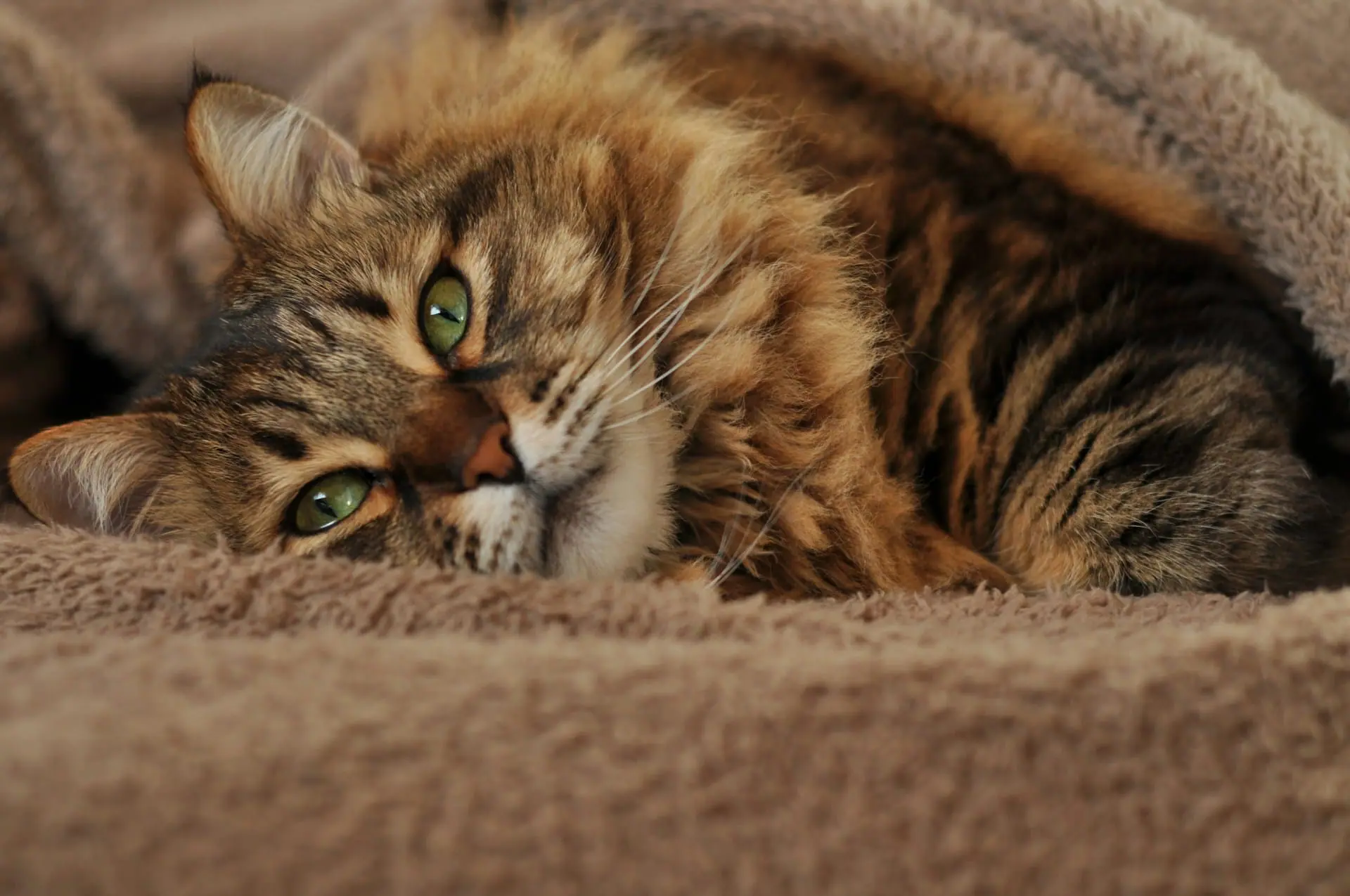
If you’re watching for the signs your cat is dying, you’re carrying one of the heaviest kinds of love there is, the kind that keeps paying attention even when it hurts. Cats are quiet about how they feel, and they tend to hide when they’re most vulnerable, so the changes near the end can be easy to miss or explain away. Knowing what to look for helps you see where your cat truly is, so you can keep them comfortable and be there for them.
This guide walks through the end-of-life signs that matter most in cats, from the quiet early shifts to the changes that mean the final hours are close. It also covers how to keep your cat comfortable, when to call your vet, and how to think about a peaceful goodbye. None of it replaces your veterinarian, who knows your cat’s health and can tell you what each change means. If you’re weighing the decision itself, our companion guide to knowing when it’s time to put your pet to sleep lays out the quality-of-life framework that applies here.
Key Takeaways
- Cats instinctively hide illness, so the earliest signs are often subtle: hiding more, eating less, grooming poorly, and moving differently.
- The most common end-of-life changes are loss of appetite and thirst, deep fatigue, weight loss with a hollow-looking face, and steady withdrawal from the family.
- Some signs point to the final hours: cold paws and ears, irregular or labored breathing, confusion, and loss of bladder or bowel control.
- Trouble breathing is always an emergency; call your vet or an emergency clinic right away rather than waiting.
- Comfort care, a warm quiet space, easy access to food, water, and the litter box, and vet-prescribed pain relief can keep a dying cat peaceful.
- You don’t have to walk this alone or wait for a frightening crisis; your vet can help you weigh quality of life and plan a gentle goodbye.
Table of Contents
- 1Understanding a Cat’s Natural End-of-Life Process
- 2Loss of Appetite and Thirst
- 3Extreme Fatigue, Weakness, and Sleeping More
- 4Hiding, Withdrawal, and Personality Changes
- 5Physical Signs Your Cat Is Dying
- 6Signs the Final Hours Are Near
- 7When to Call Your Vet and Weigh Quality of Life
- 8Comfort Care for Your Cat’s Final Days
- 9Frequently Asked Questions
Understanding a Cat’s Natural End-of-Life Process
Dying is rarely a single moment. For most cats, it’s a gradual winding down as the body’s systems slow and organs begin to shut down, which is why the signs tend to arrive in layers, a few at a time. Understanding the shape of it helps you read your cat instead of second-guessing every change.
The hard part with cats is that they’re built to hide weakness. A cat who feels awful will often get quieter and tuck themselves away, so the signals are softer than the ones a dog might give. That instinct is exactly why it helps to know the specific changes to watch for, because the earliest ones are easy to mistake for a cat simply slowing down with age. If you also have a dog, our guide to the signs your dog is dying covers how the same decline tends to look in dogs.
Dying or Just Having a Bad Stretch?
A single off day isn’t the end, and plenty of treatable illnesses can look frightening in the moment. What you’re watching for is a pattern that builds and doesn’t bounce back, several of the signs below arriving together and deepening over days or weeks. When you see that, it’s time for an honest conversation with your veterinarian, who can tell you whether you’re looking at something treatable or the natural end.
Loss of Appetite and Thirst
The most reliable sign for many families is a cat who stops eating and, eventually, stops drinking. Lap of Love, a veterinary practice devoted to end-of-life care, notes that dying pets lose interest in food or water as vital organ functions begin to shut down. Early on, your cat may pick at favorites or turn away from meals they used to love, then lose interest entirely.
Refusing food matters, but refusing water matters more and faster. A cat who won’t drink can dehydrate quickly, so a complete stop in water is a reason to call your vet the same day. If your cat still has good days ahead, your vet can help; if they don’t, knowing this sign helps you understand what’s happening.
Extreme Fatigue, Weakness, and Sleeping More
As the body conserves its remaining energy, a dying cat sleeps more and moves less. In an article reviewed by veterinarian Teresa Manucy, PetMD lists lethargy, a decline in activity, and reduced alertness as signs a cat is dying. Your cat may sleep in unusual spots, struggle to jump where they always jumped, or seem to fade out of the room even while they’re in it.
This is different from the ordinary slowing of old age. The fatigue near the end is deeper and usually comes with other changes, not on its own. When a cat no longer rouses for the things that always got them up, that’s worth noticing.
Hiding, Withdrawal, and Personality Changes
Because cats mask vulnerability, many pull away as they decline. Lap of Love describes dying pets becoming more distant, or sometimes more clingy, and often hiding or isolating themselves. A cat who always slept on your chest might disappear under the bed, or a formerly independent cat might suddenly want to be glued to you.
Personality can shift in other ways too. PetMD notes that a dying cat may show increased vocalization, abnormal aggression, or poor grooming. A cat that stops keeping its coat clean, snaps when you touch a sore spot, or cries at odd hours isn’t misbehaving; it’s telling you something is wrong.
Do Cats Really Go Off Alone to Die?
You may have heard that cats wander off to die alone, but that folklore gets the reason wrong. In an article by veterinarian Mary Gardner, PetMD explains that ailing cats seek out quiet, out-of-the-way places because they feel vulnerable, not because they understand death or have chosen to be alone. A sick cat hides to feel safe and conserve energy, and some wander off simply from the confusion of illness or old age. The takeaway is gentle but important: keep a declining cat indoors and somewhere you can reach them, so they stay warm, safe, and close instead of tucked away where you can’t help them.
Physical Signs Your Cat Is Dying
Alongside the behavior changes, the body shows its own signs. No single one is proof on its own, but together they paint a clearer picture.
Physical Changes to Watch For
- Weight loss and a hollow face. Lap of Love notes that cats can develop a distinctive, hollow facial appearance as they lose weight.
- Sunken eyes and dehydration. PetMD lists sunken eyes, dehydration, and low body temperature among the physical signs.
- Digestive upset. Vomiting and diarrhea are common as the body struggles.
- Breathing changes. Any labored, rapid, or open-mouth breathing is serious and needs a vet right away.
- An unkempt coat. A once-fastidious cat who stops grooming often looks greasy, matted, or dull.
If several of these are true and getting worse, your cat is telling you the illness has moved past a rough patch. That’s the moment to loop in your veterinarian.
Signs the Final Hours Are Near
Some changes suggest the very end is close, often within hours. Recognizing them can help you stay present and calm for your cat rather than caught off guard.
Lap of Love points to circulation changes as a late sign: as the heart weakens, poor circulation can leave the paws, ears, and gums cool to the touch and pale or bluish, which means the end is very near, possibly within minutes. In the days before, many pets lose control of their bladder or bowels, and breathing often turns irregular or shallow, sometimes with slow, deep gasps called agonal breaths. Your cat may also seem confused or disoriented. These changes look distressing, but they’re a normal part of the body letting go, and your being there still matters, even now.
When to Call Your Vet and Weigh Quality of Life
Your veterinarian is your most important partner through this. Some signs mean call now: struggling to breathe, collapse, a seizure, or pain that nothing eases all warrant an immediate call to your vet or the nearest emergency clinic. For the slower decline, your vet can tell you whether what you’re seeing is treatable or the natural end.
Our cat quality of life checklist gives you a simple way to track good days against bad ones, which turns a fog of worry into something you can actually see. And if the balance has tipped, euthanasia is best understood not as giving up but as a way to spare your cat a frightening final crisis, letting them go gently before suffering sets in. Our guide to knowing when to put your cat down walks through that decision in depth, and your veterinarian can help you judge the timing.
How the Decline Looks With Common Cat Illnesses
Many cats reach the end through a specific diagnosis, and each illness has its own trajectory. Your vet can tell you where your cat sits on it, and this is where the turning point tends to fall:
- Kidney disease. The most common path in older cats. Late-stage signs include refusing food, nausea, dehydration, and a deep weakness that fluids and medication no longer ease. Our guide to end-stage kidney failure in cats covers the later stages.
- Cancer. Comfort often holds for a while, then slips, with pain that outruns medication, trouble eating or breathing, and steady weight loss. Our cat cancer guide walks through what to expect.
- Hyperthyroidism. Manageable for a long stretch, but advanced or untreated disease strains the heart and drives severe weight loss and weakness. Our guide to feline hyperthyroidism explains what to expect.
- Heart failure. Watch for labored or open-mouth breathing, hiding, and collapse that medication can no longer control, which is a breathing emergency. Our overview of congestive heart failure explains the trajectory.
Comfort Care for Your Cat’s Final Days
Whether your cat is heading toward a natural death or you’re planning a peaceful goodbye, good comfort care can make their last chapter gentle. Much of it is simple, and your veterinarian can guide the rest.
Small things that help a dying cat feel safe and comfortable:
- Ask your vet about prescription pain relief and anti-nausea medication. Never give human pain relievers like ibuprofen or acetaminophen, which are deadly to cats even in tiny doses.
- Set up a warm, quiet, soft spot away from noise and other pets, somewhere your cat already feels safe.
- Bring everything within a step or two: food, fresh water, and a low-sided litter box they don’t have to climb into.
- Tempt their appetite with warm, aromatic food, and offer water by syringe only if your vet says it’s okay.
- Keep them clean and dry if they have accidents, use soft bedding to protect against pressure sores, and groom gently if they’ll allow it.
Most of all, let your cat set the terms. Some want to be held; some want quiet and space. Being near, speaking softly, and letting them feel your calm is the comfort that matters most.
Watching for the signs your cat is dying is an act of love, not morbidity, because it lets you give your cat what they need at the end instead of being blindsided. When the signs gather and the hard days start to outnumber the good ones, you’ll have a clearer sense of where your cat is, and your veterinarian can help you confirm it and plan what comes next.
However the end arrives, our guide to what to expect from in-home euthanasia can help you plan a peaceful goodbye at home; our guide to what happens to your pet’s body after death covers the practical side, and our resources on navigating pet loss will be here for the grief that follows. Your cat spent their life trusting you, and staying beside them now, clear-eyed and gentle, is the last and kindest thing you can give.
Frequently Asked Questions
What are the first signs your cat is dying?
The earliest signs are usually quiet, because cats instinctively hide when they feel their worst. Watch for a cat who starts eating less or turning away from favorite foods, drinking less, and sleeping far more than usual in out-of-the-way spots. Many begin to withdraw, hiding under beds or in closets, while a few do the opposite and become unusually clingy. Grooming often slips, so the coat looks greasy or matted, and you may notice steady weight loss that gives the face a hollow look. None of these alone proves your cat is dying, since treatable illnesses can cause the same changes. What matters is the pattern: several signs arriving together and deepening over days or weeks rather than bouncing back. When you see that, it’s time to call your veterinarian for an honest read on what’s happening.
Do cats know when they are dying?
No one can say for certain what a cat understands, but we do know they respond to how their body feels. As they weaken, many cats act on deep instinct: they seek quiet, hidden places, pull back from activity, and conserve energy. People often read that behavior as a cat “knowing,” though it may simply be their nature to retreat when they feel vulnerable. Some cats grow more affectionate near the end and want to stay close to their people, which is just as normal as hiding. What matters more than the philosophical question is meeting your cat where they are: if they want solitude, give them a safe, quiet spot, and if they want closeness, stay near. Your calm presence is a comfort either way. Follow your cat’s lead rather than forcing interaction.
Is my cat dying or just sick?
This is one of the hardest questions, and the honest answer is that you often can’t tell at home, because serious illness and the natural end can look very similar. Many treatable conditions, from infections to kidney disease flare-ups, cause appetite loss, hiding, and lethargy that can mimic dying. The difference usually shows in the trajectory: an illness that responds to treatment tends to improve, while the end-of-life decline keeps deepening despite good care. Give real weight to the serious red flags, especially any trouble breathing, which is always an emergency. The only way to know for sure is to have your veterinarian examine your cat, since they can run tests and tell you whether you’re facing something fixable or the natural end. Reaching out early gives your cat the best odds if it’s treatable, and gives you clarity if it isn’t.
Should I let my cat die naturally at home or consider euthanasia?
This is a deeply personal decision, and there’s no single right answer, only the one that spares your cat the most suffering. A natural death at home can be peaceful, but it can also turn into a distressing crisis if pain, breathlessness, or seizures set in, and those final hours are hard to predict. Euthanasia exists to prevent that kind of suffering, and many families find that a planned, gentle goodbye is kinder than waiting and hoping. Veterinarians who focus on end-of-life care are consistent that it’s better to act a little early than a day too late. Your vet can tell you honestly what your cat is likely experiencing and what the road ahead looks like. In-home euthanasia is also an option, letting your cat stay in their own space to the end. Whatever you choose, keeping your cat comfortable and being present is what matters most.
How long can a cat live after it stops eating and drinking?
There’s no reliable timeline because it depends on your cat’s underlying condition, age, and whether they’ve stopped eating only or also drinking. A cat can go without food longer than without water, so a complete stop in drinking is the more urgent sign and speeds the decline. Refusing all food and water can signal the body is shutting down, but how long that takes varies from cat to cat, and no one can predict it precisely. Appetite loss alone is sometimes reversible when a treatable problem is behind it, which is why a vet visit matters before you assume the worst. If your cat has stopped drinking entirely, call your veterinarian the same day. They can tell you whether comfort care, treatment, or a peaceful goodbye is the kindest next step, and help you keep your cat comfortable throughout.