







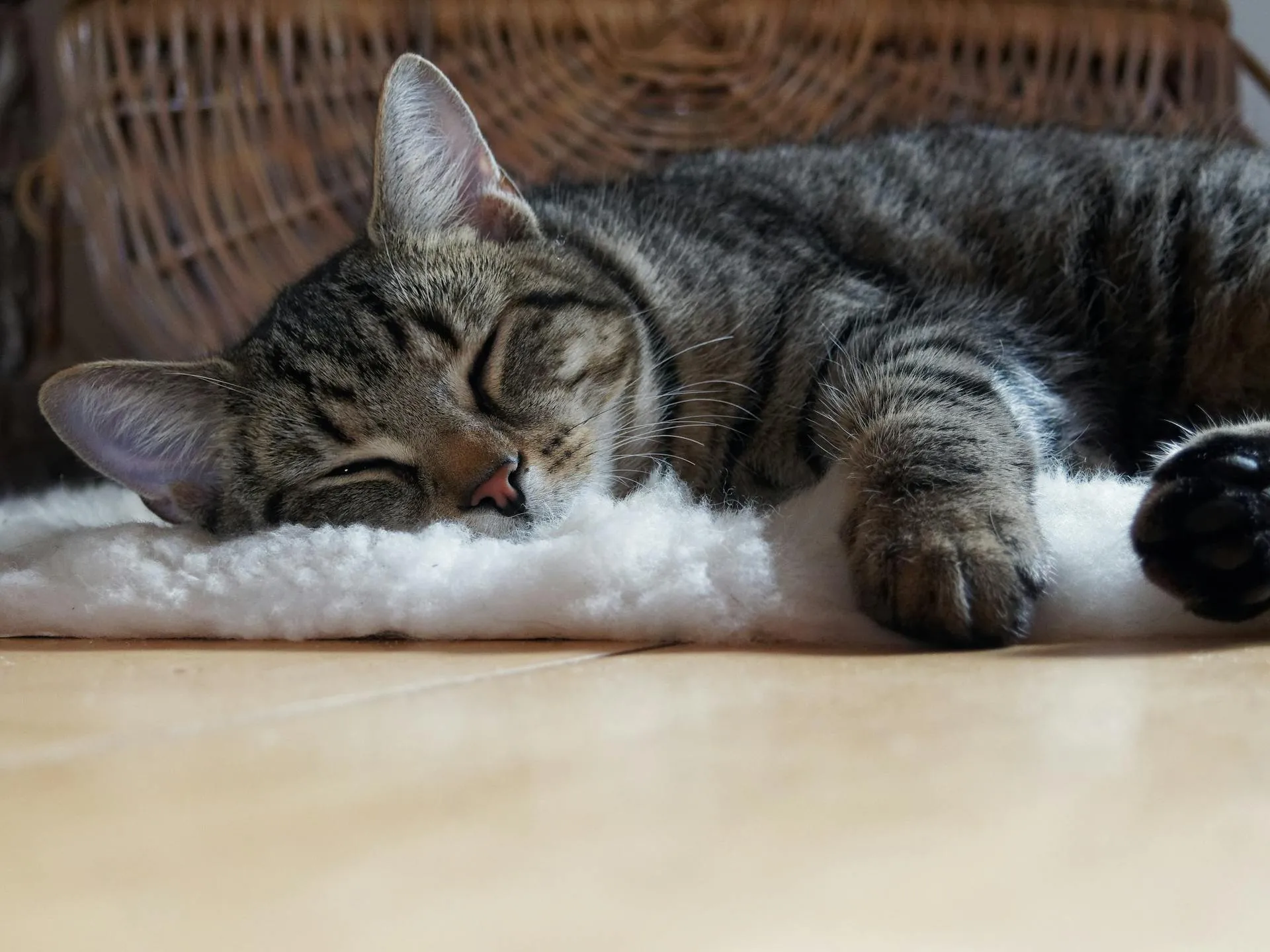
When you’re facing the heartbreaking decision to help your beloved pet pass peacefully, understanding every aspect of the euthanasia process can bring some comfort during an impossibly difficult time. One of the most important parts of this process is sedation before euthanasia, a compassionate step that many veterinarians recommend to ensure your pet’s final moments are as calm and peaceful as possible.
At Love, Baxter, we know how tough these decisions can feel. After saying goodbye to our own Baxter in October 2024, we understand the need for clear, honest information during end-of-life care. It’s more than a medical procedure: it’s your final act of love for your pet.
Let’s walk through what sedation before euthanasia actually means, why it’s used, and the questions you should feel empowered to ask your veterinarian. We want to help you feel as prepared as possible for this profound moment with your dog or cat.
Key Takeaways
- Sedation is the “gentle bridge” before the final injection. It’s given first to deeply relax your pet and reduce fear, stress, and discomfort.
- It usually works fast. Most pets become sleepy and calm within minutes, with full effect often in the 5–15 minute range (varies by pet and medication).
- It can make the entire experience more peaceful, especially for anxious pets. Muscles relax, breathing slows, and you typically get quieter, softer moments together before the final step.
- You can ask for it and plan around it. The post encourages pet parents to talk with their vet about sedation options and what to expect, step by step, so there are no surprises.
Table of Contents
- 1What Is Sedation Before Pet Euthanasia and How Does It Work
- 2Why Veterinarians Recommend Sedation Before Dog and Cat Euthanasia
- 3What to Expect When Your Pet Receives Sedation Before Euthanasia
- 4Critical Questions to Ask Your Veterinarian About Pet Euthanasia Sedation
- 5When Sedation Before Euthanasia Might Not Be Used
- 6Preparing Yourself for Your Pet’s Final Goodbye
- 7Support for Pet Parents Facing End-of-Life Decisions
- 8Frequently Asked Questions
What Is Sedation Before Pet Euthanasia and How Does It Work
Pre-euthanasia sedation is a medication given to your pet before the final euthanasia injection. Think of it as creating a gentle bridge between their current state and their peaceful passing. The sedation medication deeply relaxes your pet, reducing anxiety or fear and making the entire experience more comfortable for both you and your pet.
Understanding What Sedation Does to Your Dog or Cat
The sedation medication works quickly to calm your pet’s nervous system. Within minutes of receiving the injection, your pet will begin to feel drowsy and relaxed, similar to the sensation you might experience before falling into a deep, restful sleep. Their muscles relax, their breathing slows and deepens, and any anxiety or discomfort fades away.
Your pet won’t feel pain from the sedation itself. Most pets barely notice the small injection, especially if they’re already feeling unwell or if your veterinarian uses a tiny needle. Some veterinarians even apply a numbing cream to the injection site first, though this is rarely necessary given how quick and minor the sedation injection is.
The medications most commonly used for pre-euthanasia sedation include combinations of tranquilizers and pain relievers that work together to create a state of deep relaxation and comfort. Your pet’s consciousness gently fades as the sedation takes effect, allowing them to drift into peaceful sleep before the final injection.
The Timeline of the Pet Euthanasia Sedation Process
The sedation process follows a thoughtful, gentle timeline that gives you precious moments with your pet. First, your veterinarian will administer the sedation medication, usually through a small injection under the skin or into a muscle. This injection takes just seconds. Then comes the important part, waiting for the sedation to take full effect, which typically takes five to fifteen minutes, depending on your pet’s size, health condition, and the specific medication used.
During these precious minutes, you can hold your pet, talk to them, stroke their fur, and say everything you need to say. Many pet parents tell us these moments, though heartbreaking, become treasured memories because their pet was calm and comfortable, allowing for genuine connection rather than distress.
Once your pet is deeply sedated, sleeping peacefully and unaware, your veterinarian will administer the euthanasia solution. Because your pet is already unconscious from the sedation, they won’t feel the final injection at all. They simply continue sleeping and then peacefully slip away, unaware of the transition.
Why Veterinarians Recommend Sedation Before Dog and Cat Euthanasia
Most veterinarians strongly advocate for sedation before euthanasia, and once you understand the reasons why, you’ll likely feel the same way. This practice has become the standard of care in veterinary medicine because it prioritizes your pet’s emotional and physical comfort above all else.
How Sedation Creates a More Peaceful Pet Euthanasia Experience
Without sedation, the euthanasia process can sometimes be less peaceful than we’d hope. Pets who are anxious, in pain, or frightened may tense their muscles, making it harder for the veterinarian to place an IV catheter or administer the euthanasia solution smoothly. This can prolong the process and create stress for everyone involved, especially your pet.
Sedation eliminates these challenges entirely. Your pet drifts into a calm, sleepy state, unaware of their surroundings or any medical procedures. The veterinarian can work calmly and carefully, ensuring everything proceeds exactly as it should. This benefits not just your pet, but you as well, allowing you to focus on saying goodbye rather than worrying about technical difficulties.
Reducing Fear and Anxiety During Your Pet’s Final Moments
Even the most beloved, trusted veterinarian’s office can feel scary to a pet who’s not feeling well. Unfamiliar sounds, smells, and sensations can trigger anxiety in dogs and cats, especially if they associate the veterinary clinic with previous uncomfortable experiences, such as vaccinations or blood draws.
If you’re choosing at-home euthanasia, your pet will be more comfortable in familiar surroundings, but they may still sense that something unusual is happening. They pick up on our emotions too, our grief, our tension, our tears. Sedation allows your pet to relax completely before any of these factors can cause them distress.
Think about it this way. Sedation ensures your pet’s very last experience isn’t one of confusion or fear, but rather one of feeling safe, comfortable, and loved as they drift off to sleep in your arms. This is the gift of peace we can give them after a lifetime of unconditional love.
Creating Time for Meaningful Goodbyes
Here’s something we don’t talk about enough. Sedation before euthanasia gives you the gift of time. Those five to fifteen minutes after sedation but before the final injection become a sacred space where you can focus entirely on your pet without worrying about their distress or discomfort.
You can whisper all the things you need them to know. You can hold them close and feel their warmth. You can simply be together without the urgency of medical procedures happening. Many pet parents tell us these quiet moments of connection, even in grief, brought unexpected peace.
Consider the experience of pet parents like Marcus from Denver, whose thirteen-year-old Labrador mix, Copper, received sedation before his peaceful passing. Marcus shared that those ten minutes of holding Copper while he slept peacefully allowed him to say everything he needed to say without his dog showing any signs of stress or fear. That time became a cherished memory despite the profound sadness.
What to Expect When Your Pet Receives Sedation Before Euthanasia
Knowing exactly what you’ll see and experience can help you feel more prepared. The sedation process, while emotional, follows a predictable pattern that most pets move through peacefully.
Physical Changes You’ll Notice During Pet Sedation
After your veterinarian administers the sedation injection, you’ll notice changes in your pet within a few minutes. Their eyes may become heavy and start to close, though some pets’ eyes remain partially open even when fully sedated. Their breathing will slow, deepen, and become more regular. Their body will relax completely, and you’ll feel their muscles loosen if you’re holding them.
Some pets may become a bit wobbly on their feet before lying down, much as we might feel unsteady when very drowsy. Your veterinarian will help position your pet comfortably, usually lying on their side on a soft blanket. If you’re holding a smaller pet, they may simply relax completely in your arms without needing to be repositioned.
Your pet’s tongue might loll out slightly, and they may drool a bit. These are completely normal responses to deep sedation and don’t indicate discomfort. Think of it like how we might sleep with our mouth open when we’re deeply relaxed. Some pets may also release their bladder or bowels as their muscles fully relax. Your veterinarian will prepare for this possibility with absorbent pads.
Your Pet’s Level of Awareness and Comfort
Once the sedation takes full effect, your pet is essentially sleeping and unaware of what’s happening around them. They can’t hear you anymore in the way they normally would, but many pet parents find comfort in speaking to them anyway. There’s no harm in this, and we believe that expressing your love matters regardless of whether they can consciously process your words.
Your pet won’t feel any pain or anxiety at this stage. The sedation creates a state similar to being under general anesthesia, complete unconsciousness, and a lack of awareness. When the final euthanasia injection is given, your pet simply continues in this peaceful state and then passes away without ever waking up or experiencing discomfort.
The euthanasia solution itself works by stopping the heart and brain function, but your sedated pet has no awareness of this happening. From their perspective, if they had one at this point, they simply drifted off to sleep in the place they felt safest, surrounded by the people who loved them most.
Critical Questions to Ask Your Veterinarian About Pet Euthanasia Sedation
You have every right to understand exactly what will happen during your pet’s euthanasia, and good veterinarians welcome your questions. We recommend asking these essential questions about sedation before euthanasia to ensure you feel fully informed and comfortable with the process.
“Do you routinely use sedation before euthanasia, and if not, can we request it?”
Most veterinarians do use sedation as standard practice, but it’s worth confirming. If your veterinarian doesn’t typically sedate before euthanasia, you can absolutely request it, and they should honor your wishes. This is a reasonable expectation for compassionate end-of-life care.
“What sedation medication will you use, and how long does it take to work?”
Different sedatives work at different speeds and have varying effects. Understanding the timeline helps you know when you’ll have those final moments with your sedated but not yet gone pet. Most sedation takes between five and fifteen minutes to reach full effect.
“Will my pet feel any pain from the sedation injection?”
The honest answer is that most pets feel only a slight pinch, if anything at all. The needle used is typically very small, and the injection is quick. Knowing this can ease your worry about causing your pet additional discomfort in their final moments.
“How will I know when my pet is fully sedated and ready for the final injection?”
Your veterinarian will guide you through this, but understanding the signs can help you feel more confident about the timing. Look for complete muscle relaxation, deep sleep, no response to gentle touch, and steady, slow breathing. Your veterinarian will verify sedation depth before proceeding.
“Can I hold my pet during the sedation and euthanasia?”
In most cases, yes. Many veterinarians encourage this if it brings you comfort, though the positioning may need to be adjusted to ensure medical access. Some veterinarians prefer to administer the final injection with your pet on a table or floor for easier vein access, but you can usually remain very close and maintain physical contact.
“What if the sedation doesn’t seem to be working fully?”
Very rarely, a pet may need additional sedation, especially if they’re particularly anxious or if their metabolism processes the medication unusually. Your veterinarian should wait until sedation is complete before proceeding with euthanasia. Don’t hesitate to speak up if you feel your pet still seems aware or uncomfortable.
“Is there anything I should do or avoid doing during the sedation period?”
Your veterinarian can offer guidance on how to comfort your pet without interfering with the sedation process. Generally, gentle stroking, soft talking, and simply being present are all appropriate. Avoid sudden movements or loud noises that might startle a partially sedated pet.
Don’t hesitate to ask these questions even if you feel emotional or worried about taking up time. Your veterinarian understands that you’re making these decisions out of love, and they should be willing to explain every step of the process until you feel comfortable. This is a profound moment, and you deserve complete transparency and compassion.
When Sedation Before Euthanasia Might Not Be Used
While sedation before euthanasia is strongly recommended in nearly all situations, there are very rare circumstances where it might not be used or might be modified. Understanding these exceptions can help you make informed decisions if you encounter an unusual situation.
In emergency situations where a pet is already unconscious and suffering from a traumatic injury or severe medical crisis, a veterinarian may determine that sedation would delay critical intervention. However, even in emergencies, many veterinarians still administer sedation if the pet is conscious and aware. The goal is always to minimize suffering.
Some pet parents, though very few, may decline sedation if their pet is already deeply unconscious from illness and the veterinarian confirms that sedation wouldn’t add meaningful benefit. These situations are extremely rare and should be decided only after close consultation with your veterinarian, based on your pet’s specific condition.
If you have religious or personal beliefs that impact your preferences for your pet’s end-of-life care, discuss these with your veterinarian ahead of time. Most veterinarians can work within your framework while still prioritizing your pet’s comfort and dignity. Open communication about your values helps ensure the process aligns with both your beliefs and your pet’s welfare.
At Love, Baxter, we believe strongly that sedation before euthanasia represents the highest standard of compassionate care. Unless there are truly extraordinary circumstances, choosing sedation ensures your pet’s final experience is peaceful, comfortable, and free from fear. This is what our pets deserve after giving us their entire lives.
Preparing Yourself for Your Pet’s Final Goodbye
Understanding the sedation process intellectually is one thing. Being emotionally ready is something else entirely. There’s no way around it; this is going to hurt deeply. But knowing what to expect can help you feel more present for your pet, rather than being overwhelmed by uncertainty.
Consider having a trusted friend or family member with you for support. They can help you stay grounded and offer comfort while you focus on your pet. Some people find it helpful to prepare what they want to say to their pet beforehand, while others prefer to speak from their heart in the moment. There’s no right way to say goodbye, only your way.
You might want to bring a special blanket or toy that smells like home, especially if the euthanasia is taking place at a veterinary clinic. Many veterinarians will take paw prints or fur clippings if you’d like a physical memento. We can connect you with professionals who offer these services and other ways to honor your pet’s memory through our pet professional directory.
Remember that choosing euthanasia with sedation isn’t giving up on your pet. It’s giving them the gift of a peaceful, dignified death surrounded by love. When we lost Baxter, we were devastated, but we found some comfort in knowing his passing was as gentle as we could make it.
After your pet passes, give yourself permission to grieve fully. Pet loss grief is real grief, and sedation before euthanasia, while creating a peaceful passing, doesn’t make the loss hurt any less. We’re here to support you through every stage of this journey with resources designed specifically for grieving pet parents.
Support for Pet Parents Facing End-of-Life Decisions
Making end-of-life decisions for a beloved pet is one of the hardest things you’ll ever do. Understanding sedation before euthanasia helps you advocate for your pet’s comfort during their final moments and gives you the peace of mind that comes from knowing they didn’t suffer.
Your pet has given you unconditional love for their entire life. Ensuring they have a peaceful, pain-free passing surrounded by that same love is the final gift you can give them. Sedation makes that possible by removing fear, anxiety, and discomfort from their last experience.
We’re here for you at Love, Baxter, whether you’re preparing for this decision, going through it right now, or healing afterward. Your grief matters. Your pet’s life mattered. And you deserve support every step of the way through this profound loss.
If you’re looking for compassionate end-of-life care providers in your area, visit our professional directory to find veterinarians who specialize in peaceful at-home euthanasia and other end-of-life services. You can also explore our carefully curated memorial products in our pet memorial shop to find meaningful ways to honor your pet’s memory. We built these resources because we believe every pet parent deserves access to compassionate care and genuine support during life’s most difficult moments.
Sedation is one piece of a much larger set of choices. Our pet end-of-life planning hub covers the rest, from timing the decision to what happens afterward.
Frequently Asked Questions About Sedation Before Pet Euthanasia
What is sedation before euthanasia, and why is it used?
Pre-euthanasia sedation is a medication given to your pet before the final euthanasia injection that creates a gentle bridge between their current state and their peaceful passing. The sedation medication works quickly to deeply relax your pet, reducing anxiety or fear and making the entire experience more comfortable for both you and your pet. Within minutes of receiving the injection, your pet will begin to feel drowsy and relaxed, similar to the sensation before falling into a deep, restful sleep. Their muscles relax, their breathing slows and deepens, and any anxiety or discomfort fades away. Most veterinarians strongly advocate for sedation before euthanasia because it prioritizes your pet’s emotional and physical comfort above all else. Without sedation, pets who are anxious, in pain, or frightened may tense their muscles, making it harder for the veterinarian to place an IV catheter or administer the euthanasia solution smoothly, which can prolong the process and create stress for everyone, especially your pet. Sedation eliminates these challenges entirely, allowing your pet to drift into a calm, sleepy state, unaware of their surroundings or any medical procedures. This ensures your pet’s very last experience isn’t one of confusion or fear but rather one of feeling safe, comfortable, and loved as they drift off to sleep.
How long does sedation take to work before pet euthanasia?
The sedation process follows a thoughtful, gentle timeline that typically takes five to fifteen minutes to reach full effect, depending on your pet’s size, health condition, and the specific medication used. First, your veterinarian will administer the sedation medication, usually through a small injection under the skin or into a muscle, which takes just seconds. Then comes the important waiting period for the sedation to take full effect. During these precious minutes, you can hold your pet, talk to them, stroke their fur, and say everything you need to say. Many pet parents tell us these moments, though heartbreaking, become treasured memories because their pet was calm and comfortable, allowing for genuine connection rather than distress. Once your pet is deeply sedated and unaware, your veterinarian will administer the euthanasia solution. Because your pet is already unconscious from the sedation, they won’t feel the final injection. They simply continue sleeping and peacefully slip away, unaware of the transition. This timeline gives you the gift of time for meaningful goodbyes in a sacred space where you can focus entirely on your pet without worrying about their distress or discomfort.
Will my pet feel any pain from the sedation injection?
Your pet won’t feel pain from the sedation itself, and most pets barely notice the small injection. The honest answer is that most pets feel only a slight pinch, if anything at all, because the needle used is typically very small and the injection is quick. This is especially true if they’re already feeling unwell or if your veterinarian uses a tiny needle. Some veterinarians even apply a numbing cream to the injection site first, though this is rarely necessary given how quick and minor the sedation injection is. The medications most commonly used for pre-euthanasia sedation include combinations of tranquilizers and pain relievers that work together to create a state of deep relaxation and comfort. Your pet’s consciousness gently fades as the sedation takes effect, allowing them to drift into peaceful sleep before the final injection. Once the sedation takes full effect, your pet is essentially sleeping and unaware of what’s happening around them. When the final euthanasia injection is given, your pet simply continues in this peaceful state and then passes away without ever waking up or experiencing discomfort.
What will I see and experience when my pet is sedated before euthanasia?
After your veterinarian administers the sedation injection, you’ll notice changes in your pet within a few minutes. Their eyes may become heavy and start to close, though some pets’ eyes remain partially open even when fully sedated. Their breathing will slow, deepen, and become more regular. Their body will relax completely, and you’ll feel their muscles loosen if you’re holding them. Some pets may become a bit wobbly on their feet before lying down, much as we might feel unsteady when very drowsy. Your veterinarian will help position your pet comfortably, usually lying on their side on a soft blanket. Your pet’s tongue might loll out slightly, and they may drool a bit, which are completely normal responses to deep sedation and don’t indicate discomfort. Some pets may also release their bladder or bowels as their muscles fully relax, and your veterinarian will prepare for this possibility with absorbent pads. Once fully sedated, your pet is essentially sleeping and unaware of what’s happening around them. They can’t hear you anymore in the way they normally would, but many pet parents find comfort in speaking to them anyway. Your pet won’t feel any pain or anxiety at this stage, with the sedation creating a state similar to being under general anesthesia with complete unconsciousness and lack of awareness.
Can I hold my pet during sedation and euthanasia?
In most cases, yes, and many veterinarians encourage this if it brings you comfort. You can usually hold your pet, remain very close, and maintain physical contact throughout the process. However, the positioning may need to be adjusted to ensure medical access for administering the injections. Some veterinarians prefer to administer the final euthanasia injection with your pet on a table or floor for easier vein access, but you can typically remain very close beside them. This is one of the critical questions you should ask your veterinarian about pet euthanasia sedation to ensure you feel fully informed and comfortable with the process. Your veterinarian can offer guidance on how to comfort your pet without interfering with the sedation process. Generally, gentle stroking, soft talking, and simply being present are all appropriate. Avoid sudden movements or loud noises that might startle a partially sedated pet. Those five to fifteen minutes after sedation but before the final injection become a sacred space where you can whisper all the things you need them to know, hold them close and feel their warmth, and simply be together without the urgency of medical procedures happening.
On this topic