







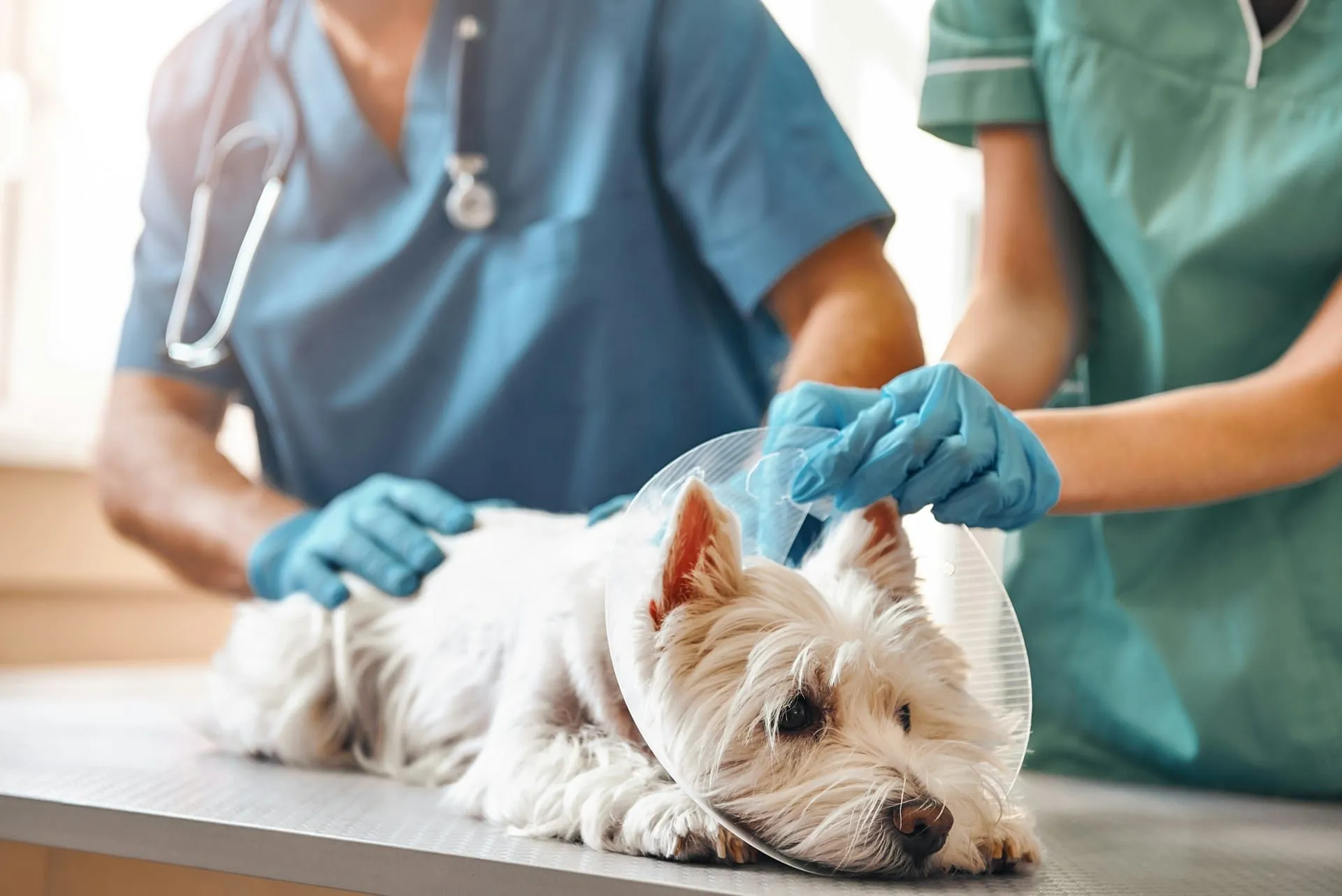
Every aftercare decision is about someone you love. The question of what happens to your pet next can come up in an exam room, on the phone from home, or weeks later, and it’s the same question for a cat, dog, rabbit, or horse. Your pet aftercare rights at a vet clinic depend on where you live, and the federal funeral rules written for people don’t cover pets.
In New York, the law requires a written list of your options and prices, if available, when you pay for aftercare, and Maryland adds its own rules on October 1, 2026. Wherever you live, you can ask for the same information, along with the name of the crematory or cemetery that will care for your pet. This guide covers what those two states require, what to ask anywhere else, and where to take a concern.
For anyone comparing providers, our pet cremation directory lists pet cremation providers, and a person on our team reviews each one before it goes live.
Key Takeaways
- In New York, the law calls for a written form listing each aftercare option and its price, if available, when you pay a vet to handle aftercare. If aftercare has already happened, you can ask the vet what they have on file and which crematory or cemetery they used.
- Starting October 1, 2026, Maryland adds its own rules, including requiring some vets to give families a written description of cremation services.
- Wherever you live, you can ask whoever is handling aftercare for your options and prices in writing, the provider’s name and, for cremation, the type and when any ashes will be back.
- You can raise a concern with the clinic, crematory, or cemetery handling your pet’s aftercare, or the one that did. State veterinary licensing boards take complaints about vets; New York’s Department of State can inspect a licensed pet crematory after a complaint, and from October 1, 2026, Maryland’s Consumer Protection Division can take complaints under its new law.
Table of Contents
- 1What Are Your Pet Aftercare Rights at a Vet Clinic?
- 2New York’s Pet Aftercare Form: What Does It Include?
- 3How Does Maryland’s Pet Cremation Law Help Families From October 2026?
- 4How Long Do Pet Ashes Take, and How Will You Know They’re Ready?
- 5Questions to Ask Your Vet About Aftercare
- 6Can You Arrange Pet Aftercare Yourself Instead of Through the Vet?
- 7Where Can You Take a Concern About a Vet or Pet Crematory?
- 8Planning Ahead for Your Pet’s Aftercare
- 9Frequently Asked Questions About Pet Aftercare Rights
What Are Your Pet Aftercare Rights at a Vet Clinic?
Your pet aftercare rights at a vet clinic come from state law, and New York and Maryland are the states we’ve found that spell them out. New York requires a written disclosure form when you pay for aftercare, and Maryland’s rules begin October 1, 2026.
We think New York’s form is a useful checklist, and in any state, you can ask for what it covers. Outside New York and Maryland, we haven’t found a law that requires a clinic to name its crematory or define its cremation types.
Aftercare is one of many decisions our pet end-of-life planning guides cover, and families often get most of their information from a vet: AVMA reporting calls veterinarians the primary source of information families have when choosing aftercare.
Does the FTC Funeral Rule Cover Pet Aftercare Rights?
No. The FTC’s Funeral Rule is why you can get a written, itemized price list when you visit a funeral home. Still, it’s written for human funerals: the goods and services used to care for and prepare deceased human bodies for burial, cremation or other final disposition. Pet cremation and burial fall outside it.
As of early 2026, two states have passed statutes regulating pet cremation separately from animal cremation: New York and Nevada, and Maryland passed its own law later that year. Nevada’s rules, as that article describes them, cover where pet crematories can operate.
New York’s Pet Aftercare Form: What Does It Include?
New York’s form, officially a pet disposal disclosure document, lists each aftercare option, what it costs (if a price is available), and how or where it’s carried out. The law requires the form when a vet, pet crematory, or pet cemetery handles your pet’s aftercare and you’re paying for it.
“Disposal” is the statute’s word, not ours, and it covers earth burial, entombment, inurnment, cremation or other means, so the form is about every aftercare choice, not just cremation. You can fill it out yourself, or a vet or pet cemetery can complete it with your verbal OK. If a clinic doesn’t recognize “aftercare form,” the official name may help.
New York’s rules reach well past dogs and cats. Its definition of a pet is any domestic animal that has been adapted or tamed to live in intimate association with people, and it includes rodents, fish, birds, snakes, turtles, lizards, frogs, and rabbits, so a hamster or a bearded dragon is covered too.
Can I Get the Crematory’s or Cemetery’s Name and Number?
In New York, yes, when you fill out the form yourself and arrange a paid cremation or burial through your vet. The vet must then give you the name, location and telephone number of the pet cemetery or pet crematorium and make sure a copy of the form stays with your pet.
If you’re still choosing, our guide to choosing a pet crematory covers tracking, cremation types, and timing. If your pet has already been cremated or buried and you never got the name, you can ask the vet which crematory or cemetery they used.
How Do I Get a Copy of My Pet’s Aftercare Form?
Whoever took your pet into their care, whether a vet, crematory, or cemetery, is the place to start. The law requires them to give a copy to the person who fills out the form and to retain a copy of said form. Ask them what they have on file. If a clinic no longer has a copy, the crematory or cemetery may have kept the one that went with your pet.
If the vet completed the form based on your verbal OK, you can ask for a copy: the law says the completed form must be sent to the pet owner if requested. The law also requires the vet to keep a record of your witnessed consent. Free aftercare may not have needed a form at all.
After a pet cemetery handles an individual cremation or burial, New York law adds one more piece of paper. Within ten days, the cemetery must send or give a written confirmation of the method, date, and place to you or the vet, depending on the instructions on the form. If you don’t remember getting one, ask the vet or the cemetery where it was sent.
How Does Maryland’s Pet Cremation Law Help Families From October 2026?
From October 1, 2026, Maryland crematories covered by the law have to give families a written description of their pet cremation services and a certificate with any returned ashes. The law applies only to a licensee that engages in the operation of a crematory and sells pet cremation to the public.
In this law, a licensee means someone licensed by the state’s funeral board. Vets who refer families or accept pets for cremation more than five times in a calendar year have to pass the description along when they refer a family or take a pet into their care. The description must clearly explain each pet cremation service the crematory offers, and it can’t include text, illustrations, a layout, or formatting that causes confusion about the nature of the pet cremation service. If you’re choosing now and aren’t sure whether you’ll get the ashes back, ask the crematory.
Maryland’s law defines three types, and our guide to communal vs private pet cremation compares two of them in more detail, including cost. Private cremation is the cremation of a single pet, the only pet in the chamber, with the ashes returned only to that pet’s family.
Individual-partitioned cremation means several pets share a chamber with physical barriers or set spaces keeping them apart, and each family gets their pet’s ashes back. Communal cremation means several pets are cremated together without separation, and no ashes are returned. Outside Maryland, communal services vary, and the crematory can tell you how its own works.
The certificate shows the date the cremation was completed and a statement, to the best of the crematory’s knowledge and belief, that the cremation and related services matched its written description, noting any exceptions. Whoever returns the ashes, such as the vet, adds a copy and a certificate of their own, also to the best of their knowledge and belief, that the ashes were returned as the crematory described. If the ashes come back without a certificate, ask the crematory whether it provides one. If the certificate raises questions, ask the crematory about it. Choosing a crematory now? Ask whether it’s covered.
How Long Do Pet Ashes Take, and How Will You Know They’re Ready?
Plan on a wait: it typically takes 1-2 weeks for your pet’s ashes to be returned, according to PetMD. For a private cremation through the clinic, PetMD says the crematory returns the ashes to the clinic, and the veterinary staff will notify you that the cremains are ready for pickup. You can also ask how they’ll reach you.
When you arrange aftercare, ask for a date range. If it’s taking longer than you expected, call the clinic, mention any timing you were given, and ask them to check with the crematory. If you arranged the cremation yourself, call the crematory directly, and ask whether you can collect the ashes there.
Questions to Ask Your Vet About Aftercare
These questions work in any state, and the first three cover the same ground as New York’s law. You can ask in the exam room, by phone, or by email, and ask for the answers in writing.
Pick the ones that matter to you:
- What are my options, and what does each one cost? Transport and, if ashes are returned, the container aren’t always in the first number.
- Which crematory or cemetery do you use? Its name and phone number let you call with your own questions.
- Is this private, partitioned, or communal cremation? Names vary from place to place. If aftercare has already happened, you can ask the crematory what its service included.
- How will my pet be identified? Ask what tag they use and how it stays with your pet. If aftercare has already happened, you can ask the crematory how it keeps pets identified.
- If ashes are coming back, when and how will you tell me? Agree on a date range and whether they’ll call, text, or email.
- Can I arrange aftercare myself instead? Families can call a crematory or cemetery directly, and the section on arranging it yourself covers how.
- Can I see my pet before cremation, or be there for it? Ask whether the crematory allows it and whether it costs extra.
What Does Pet Cremation Cost?
If you’d rather not keep ashes at home, communal cremation is one option. According to PetMD, it’s also the least expensive option, usually running between $50 and $200 depending on the size of the pet. Private cremation may run anywhere from $150 to $450, depending on the size of the pet, and this does not necessarily include the cost of the urn. Check what the quote covers.
Our guide to end-of-life vet costs covers how to plan and pay for aftercare. Cremation for a horse or livestock needs a facility that can take larger animals, and getting them there adds its own fees, PetMD notes.
If euthanasia is part of the plan, our list of questions to ask your vet before euthanasia puts several of these alongside the medical ones. It’s made to print or screenshot.
Can You Arrange Pet Aftercare Yourself Instead of Through the Vet?
Yes. A vet can handle the arrangements, or you can choose instead to handle them on your own, as CareCredit puts it. Some families take their pet home for burial, while others call a crematory directly or choose a pet cemetery.
If you don’t bring your pet yourself, you may have to pay a fee for transportation of your pet from the vet’s office to the crematorium, CareCredit notes. However, many vets have deals for their customers with cremation service providers that can help offset the cost of transportation. Ask the clinic whether that applies.
States and local governments set home burial rules, and our state-by-state guide to pet burial laws covers them. For a cemetery, our walkthrough on finding a pet cemetery near you covers what to look for. For cremation, call a crematory yourself, use the questions above, and ask whether they can bring your pet from home or the clinic.
Where Can You Take a Concern About a Vet or Pet Crematory?
Start with whoever is handling, or handled, your pet’s aftercare, whether that’s the clinic, the crematory, or the cemetery. Beyond that, your state’s veterinary licensing board takes complaints about vets, and in New York and Maryland, state offices also take some complaints about crematories.
A question can come up well after the fact: a price that doesn’t match, a wait that runs long, or something that doesn’t sit right. The AVMA suggests you talk to your veterinarian. Some state veterinary medical associations have peer review boards, and if significant concerns remain, you can submit a complaint to the state veterinary licensing board. According to the AAVSB, complaints go to the veterinary regulatory board in which the veterinarian or veterinary technician practices, and the AAVSB keeps a directory of boards.
New York requires that pet crematoriums be licensed by the New York Department of State, and the secretary of state can inspect any pet cemetery or crematorium periodically or upon receiving a complaint. You can file a concern about a licensed crematory there.
From October 1, 2026, Maryland’s Consumer Protection Division can accept complaints about a covered crematory. The new law makes a violation an unfair, abusive, or deceptive trade practice under the Maryland Consumer Protection Act, and investigating the complaints of aggrieved consumers is part of the division’s job.
Planning Ahead for Your Pet’s Aftercare
While your pet is still with you, the questions above let you learn your options from a vet or crematory, and the sections on New York and Maryland cover the pet aftercare rights those states set out.
Then write down what you’d choose, whether that’s private, partitioned, or communal cremation, burial, or something else, along with the provider’s name and number, who should handle the arrangements if you can’t, and where you’ll keep any form or certificate. Keep that page somewhere easy to find, or with someone you trust.
Our guide to what to include in an end-of-life plan walks through the rest of a plan. Our pet aftercare and memorials guides cover cremation, burial, and the ways families remember a pet afterward, whenever you want them.
Frequently Asked Questions About Pet Aftercare Rights
Will I get a certificate after my pet’s cremation?
Whether a certificate comes with the ashes depends on the crematory and the state. Maryland requires one when ashes are returned from a covered crematory starting October 1, 2026. New York’s law works differently: when a pet cemetery carries out an individual cremation or burial, it has to send or give written confirmation within ten days, attesting to the method, date, and place, to the family or the vet, whichever the form names. If you’re in New York and don’t recall receiving one, check with the vet or the cemetery about where it was sent. Neither state requires one for communal cremation. Whatever the state or the type of cremation, you can ask the crematory whether it issues one.
What paperwork should I keep after my pet’s aftercare?
Useful papers to keep include any aftercare form or written list of options and prices you were given, the crematory or cemetery’s name and phone number, and any receipt or itemized invoice. Add any certificate or written confirmation your state requires, along with any note from the clinic about when and how the ashes came back. In New York, a pet cemetery’s written confirmation after an individual cremation or burial belongs with the rest. A folder, an envelope in a drawer, or photos on your phone all work. If something is missing and you’d like it, ask the vet, crematory, or cemetery that handled it.
Do these rules apply if my pet died at home?
In New York and Maryland, often yes. New York’s disclosure form applies whenever you pay a vet, pet crematory, or pet cemetery to take on your pet’s aftercare, wherever your pet died, including after an in-home euthanasia visit. From October 1, 2026, Maryland’s rules follow the crematory and the vet’s referral, so they apply when a covered crematory handles the cremation, whether your pet died at home or at a clinic. Neither law covers a burial you carry out yourself on your own land, which falls under state and local burial rules instead. Whether an in-home vet takes your pet into their care or you call a crematory directly, the same questions apply.
Can I see my pet or be there for the cremation?
You can ask. Neither New York’s nor Maryland’s law makes it a right, so it depends on the crematory. CareCredit says that if you choose a private cremation, you can ask whether you can view it when it takes place. Families differ on whether they want to be there, and some would rather say goodbye at the clinic or at home. If it matters to you, find out which crematory will handle the cremation and call them directly before finalizing the arrangements. If they can’t accommodate it, ask whether a different crematory is an option.
On this topic