






If you’ve noticed your dog struggling to jump onto the couch or your cat sleeping more than usual, you’re not alone in your concern. Pet obesity has become one of the most common health issues we see in senior dogs and cats today, and it’s something we at Love, Baxter understand comes with complicated emotions. You love your pet deeply. That’s why you’re here looking for answers. The extra treats, the table scraps, the inability to resist those pleading eyes. It all comes from a place of love. But we also know you want your companion to live the longest, healthiest, happiest life possible. That’s love, too. Managing your pet’s weight isn’t about perfection or guilt; it’s about making informed, compassionate choices that add quality years to the time you have together. Whether you’re just beginning to worry about those extra pounds or you’re ready to take action, we’re here to help you understand obesity in pets and create a realistic weight management plan that works for your family.
Table of Contents
- 1Understanding the Scope of Pet Obesity in America
- 2Why Dogs and Cats Gain Excess Weight
- 3Health Consequences of Obesity in Dogs and Cats
- 4Creating an Effective Weight Management Plan
- 5Exercise Programs for Overweight Pets
- 6Addressing the Emotional Challenges of Pet Weight Loss
- 7Maintaining Your Pet’s Healthy Weight Long-Term
- 8Frequently Asked Questions About Pet Obesity and Weight Management
Understanding the Scope of Pet Obesity in America
Pet obesity isn’t simply about how your dog or cat looks, it’s a medical condition that affects nearly every system in their body. When we talk about obesity in pets, we’re referring to animals carrying 20% or more above their ideal body weight. For a dog that should weigh 50 pounds, that means anything over 60 pounds crosses into obesity territory. For cats, even a few extra pounds represent significant excess weight on their smaller frames.
The truth is, those extra pounds aren’t just cosmetic, they’re stealing precious time and comfort from your pet’s life. Overweight dogs and cats experience reduced mobility, chronic pain, shortened lifespans, and a diminished ability to enjoy the activities they once loved. We’ve seen it countless times: the senior dog who can’t climb stairs anymore, the cat who stops playing because movement hurts. These aren’t inevitable consequences of aging, they’re often the result of excess weight placing strain on joints, organs, and body systems that were never designed to carry that load.
Your pet can’t tell you when their joints ache or when they’re feeling breathless. They rely on you to recognize the signs and take action. That’s not a burden, it’s the beautiful responsibility that comes with loving an animal who depends on you entirely.
Recognizing Obesity in Your Dog or Cat
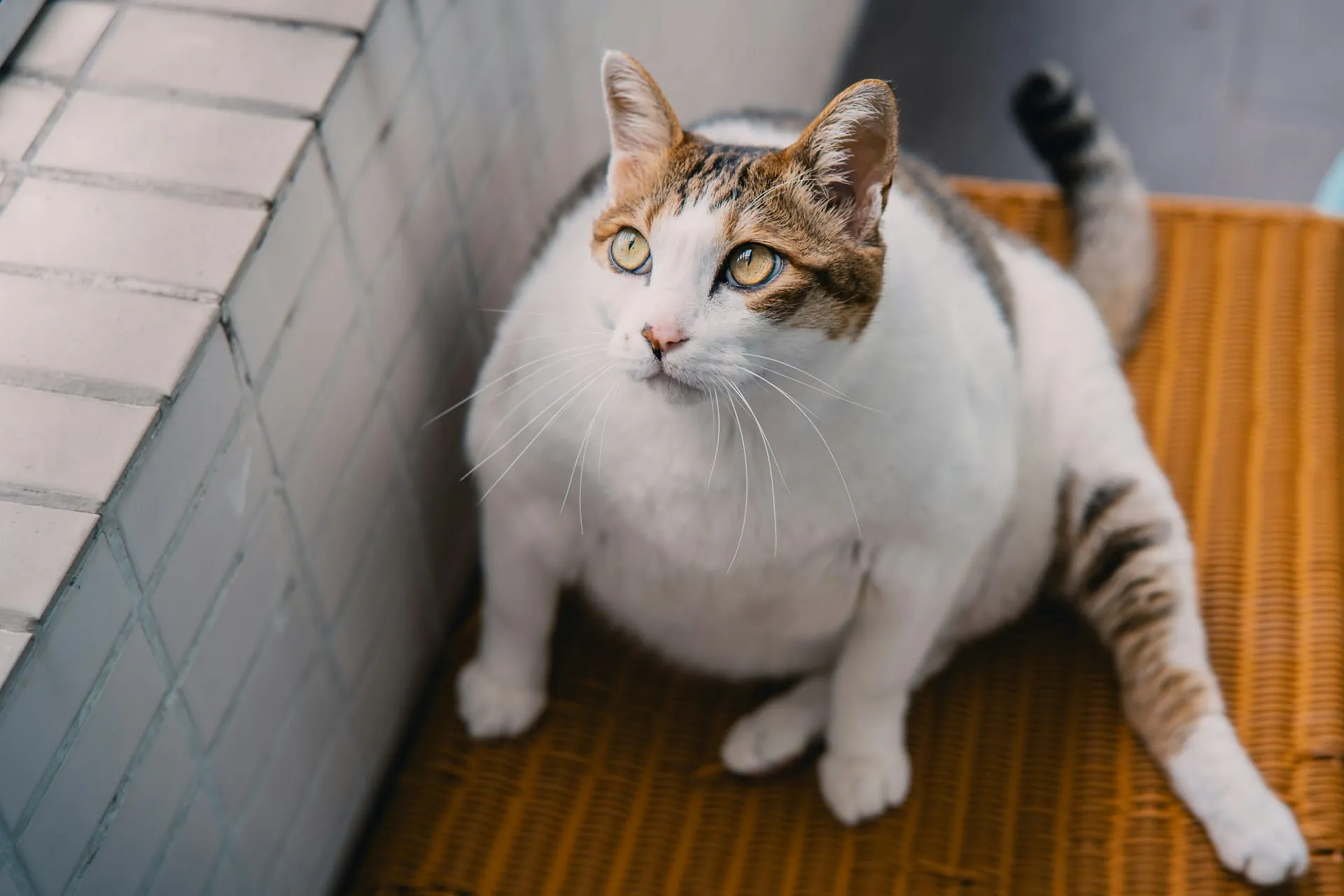
Sometimes, obesity develops so gradually that we don’t notice it. Your pet looks normal to you because you see them every day. Here’s what we look for when assessing whether a pet needs weight management:
- No visible waistline when viewed from above
- Ribs that cannot be easily felt under a layer of fat
- Abdominal sagging or a belly that hangs down
- Fat deposits over the hips, base of the tail, and neck
- Difficulty moving, reluctance to exercise, or excessive panting
- Reduced stamina during walks or play sessions
If you’re unsure whether your pet is overweight, run your hands along their sides. You should be able to feel their ribs without pressing hard, similar to feeling your knuckles when you make a gentle fist. If you can’t feel ribs at all, or if there’s a thick layer of padding, your pet likely needs to lose weight. We encourage every pet parent to have an honest conversation with their veterinarian about their pet’s body condition. It’s one of the most critical health discussions you can have.
Why Dogs and Cats Gain Excess Weight
Understanding why your pet gained weight is the first step toward helping them lose it. Obesity in pets rarely has a single cause, it’s usually a combination of factors that compound over time. At Love, Baxter, we believe in addressing root causes rather than just symptoms. Let’s explore what contributes to weight gain in our companions.
The Problem of Overfeeding and Portion Sizes
This is the most common culprit, and it’s one we completely understand. Pet food bags often recommend portions that are too large for less active pets. Add in treats, table scraps, and the occasional bite of your dinner, and your dog or cat may be consuming 30-50% more calories than they need. Many of us eyeball portions instead of measuring, and “just a little extra” at each meal adds up significantly over weeks and months.
Here’s something that surprised us when we started researching pet nutrition: just one small dog biscuit can represent 10% of a small dog’s daily caloric needs. For cats, a few extra kibbles at each feeding can mean the difference between maintaining weight and gaining a pound per year, and for a cat, that pound is like a human gaining 10-15 pounds.
Consider the story of Mango, a seven-year-old Labrador whose owner, Jennifer, couldn’t understand why he kept gaining weight. She was feeding him the recommended amount on the bag, but she wasn’t accounting for the training treats throughout the day, the bites of cheese when she made sandwiches, and the pieces of chicken at dinner. When Jennifer started tracking everything Mango consumed, she realized he was eating nearly double his caloric needs. Once she adjusted his total daily intake, including all treats and extras, Mango began losing weight steadily and his energy returned.
Lack of Physical Activity in Modern Pet Lifestyles
Our modern lives don’t always align with our pets’ exercise needs. Dogs that were bred to herd sheep or hunt are now spending eight hours alone at home. Indoor cats, separated from their natural instinct to hunt and explore, may move less than 100 feet per day. As pets age, we sometimes reduce their activity, thinking we’re being kind, when gentle, regular exercise is precisely what their bodies need.
The equation is simple: when caloric intake exceeds energy expenditure, weight gain is inevitable. But the solution isn’t always simple, especially when you’re juggling work, family, and the genuine challenges of exercising an overweight pet who may already be experiencing discomfort. We understand that finding time for daily walks or play sessions requires commitment, but the payoff in your pet’s quality of life is immeasurable.
Medical Conditions That Affect Pet Weight
Sometimes, weight gain has an underlying medical cause that needs to be addressed before any diet or exercise program will work effectively. Hypothyroidism in dogs, for example, slows metabolism and makes weight gain almost inevitable without proper thyroid hormone replacement. Cushing’s disease can increase appetite and alter how the body stores fat. Certain medications, including steroids and seizure medications, can increase appetite and promote weight gain as side effects.
This is why a veterinary consultation is essential before starting any weight loss program. You need to rule out medical causes and ensure you’re addressing the whole picture, not just symptoms. We’ve heard from pet parents who struggled for months trying to help their pets lose weight, only to discover an underlying condition was sabotaging their efforts. Getting the right diagnosis meant finally getting results.
Health Consequences of Obesity in Dogs and Cats
We wish we could soften this section, but we also believe you deserve to know the truth. Obesity in pets isn’t a minor cosmetic issue, it’s a serious medical condition with far-reaching consequences that affect both lifespan and quality of life.
Joint Disease and Mobility Problems
Excess weight places enormous stress on your pet’s joints, ligaments, and bones. Imagine carrying a 20-pound backpack everywhere you go. That’s what your overweight pet experiences every single day. Osteoarthritis develops earlier and progresses faster in obese pets. Hip dysplasia, a genetic condition many dogs are prone to, becomes exponentially more painful when complicated by obesity. For cats, extra weight makes jumping painful, and they’ll stop doing it, further reducing their activity and creating a vicious cycle of weight gain and decreased mobility.
Take Bella, a nine-year-old domestic shorthair cat who stopped greeting her owner, Marcus, at the door. Marcus assumed she was getting older and less interested in him. A veterinary exam revealed that Bella had gained 4 pounds over 2 years, nearly 40% of her ideal body weight, and that the excess weight was causing significant joint pain. After losing just two pounds over six months, Bella was back to her old self, jumping onto counters and playing with her favorite feather toy.
Cardiovascular and Respiratory Strain
Your pet’s heart has to work harder to pump blood through a larger body. Over time, this leads to heart disease and reduced cardiovascular function. Overweight pets also carry fat deposits around their chest and airways, making breathing more difficult. You might notice excessive panting in dogs or rapid breathing in cats. These aren’t just signs of being out of shape; they’re red flags that the respiratory system is under strain.
We’ve learned that even moderate weight loss can dramatically improve these symptoms. Dogs who could barely walk around the block without stopping to rest often show improved stamina within just a few weeks of weight loss. The heart doesn’t have to work as hard, breathing becomes easier, and suddenly, activities that seemed impossible become enjoyable again.
Diabetes, Liver Disease, and Cancer Risk
Obesity is a primary risk factor for diabetes in both dogs and cats, particularly cats. When pets carry excess weight, their bodies become insulin-resistant, leading to dangerous blood sugar fluctuations that require lifelong management. Obese pets are also at higher risk for pancreatitis, a painful and potentially life-threatening inflammation of the pancreas. Fatty liver disease is a serious concern in cats who are overweight, and it can develop rapidly if an obese cat stops eating for even a few days.
Perhaps most concerning is the connection between obesity and cancer. Research has shown that overweight pets have higher rates of certain cancers, including bladder cancer, mammary tumors, and mast cell tumors. While we can’t eliminate all cancer risk, maintaining a healthy weight is one of the most effective preventive measures we can take.
The research is clear and sobering: overweight pets live an average of 2.5 years less than healthy-weight pets. We share these realities not to frighten you, but because knowledge is power. Every pound your pet loses reduces these risks and improves their quality of life immediately.
Creating an Effective Weight Management Plan
Now for the hopeful part: weight loss in pets is absolutely achievable, and the health benefits begin almost immediately. You can do this, and your pet will feel better for it. At Love, Baxter, we’ve seen countless success stories from pet parents who committed to helping their companions achieve a healthy weight.
Starting With Professional Veterinary Guidance
Before making any changes, schedule a wellness exam with your veterinarian. This step is non-negotiable for safe, effective weight loss. Your veterinarian will assess your pet’s current body condition, rule out underlying medical issues that might be contributing to weight gain, and help you establish a realistic target weight. They’ll also determine a safe rate of weight loss, typically 1-2% of body weight per week for dogs and even slower for cats, who can develop serious liver problems if they lose weight too quickly.
Your veterinarian becomes your partner in this journey, someone who can monitor progress through regular weigh-ins and adjust the plan as needed. Don’t be embarrassed if your pet is significantly overweight. Veterinarians see this every single day and want to help, not judge. Being honest about feeding habits, treat frequency, and activity levels will help them create the most effective plan for your specific situation.
Calculating Daily Caloric Needs for Weight Loss
Your veterinarian will help you determine exactly how many calories your pet should consume daily for weight loss. This number is based on their target weight, not their current weight. For most pets, this means reducing current intake by 25-40%, which sounds dramatic but is necessary for steady, safe weight loss.
Measure every meal with a standard measuring cup, not the scoop that came with the food, not a coffee mug, but an actual measuring cup. We recommend keeping a food journal for the first few weeks to track everything your pet eats. This includes meals, treats, table scraps, food used for training, and even those little bites you give them while cooking. You might be shocked by how much your pet is actually consuming compared to what you thought they were eating.
Account for treats in the daily caloric total, limiting them to no more than 10% of daily calories. If your dog is food-motivated, switch to low-calorie options like baby carrots, green beans, small pieces of apple, or air-popped popcorn without butter or salt. For cats, try tiny amounts of cooked chicken breast or freeze-dried meat treats that provide protein without excessive calories.
Choosing the Right Food for Weight Management
Consider switching to a veterinary weight-management formula designed to help pets feel full while consuming fewer calories. These foods have higher protein and fiber content, which promote satiety and help preserve muscle mass during weight loss. The increased fiber helps your pet feel satisfied despite eating less, reducing the begging behavior that makes us feel guilty.
Some pets do well on their regular food in smaller amounts, but many benefit from weight-loss formulas. These specialized diets are formulated to provide complete nutrition despite the caloric restriction, ensuring your pet gets all necessary vitamins, minerals, and nutrients while shedding pounds.
Feed multiple small meals throughout the day rather than one or two large meals. This keeps your pet’s metabolism active and reduces the “I’m starving” behavior that makes us want to cave and give extra food. For cats, especially, several small meals more closely mimic their natural feeding pattern as hunters who would catch and eat multiple small prey throughout the day.
Exercise Programs for Overweight Pets
Exercise is the other half of the weight management equation, but here’s what we’ve learned through research and experience: you can’t out-exercise a bad diet. A 30-minute walk for your dog burns far fewer calories than you’d think, and it’s much easier not to give that extra treat than to try to burn it off through activity. Focus on nutrition first, then add appropriate exercise to accelerate weight loss and improve overall fitness.
Safe Exercise Options for Overweight Dogs
If your dog is significantly overweight, high-impact exercise such as running or jumping can strain already-stressed joints and cause injury. Start slowly with low-impact activities and gradually increase intensity as your dog loses weight and builds stamina:
- Short, frequent walks are better than one long walk for a deconditioned dog. Try three 10-minute walks daily instead of one 30-minute walk
- Swimming or hydrotherapy provides excellent cardiovascular exercise while the water supports your dog’s weight and eliminates joint stress
- Gentle play sessions with low-key games of fetch or tug, incorporating frequent rest breaks so your dog doesn’t overexert
- Indoor activities like hide-and-seek with treats, puzzle toys, or slow-paced games work well on extremely hot or cold days when outdoor exercise isn’t safe
Pay close attention to signs of fatigue or discomfort, including excessive panting, lagging behind, lying down, or limping. Never push through obvious pain or exhaustion. Remember that consistency matters more than intensity. Daily gentle activity will produce better results than occasional vigorous exercise.
Increasing Activity Levels in Overweight Cats
Cats present unique challenges because they’re less motivated by our approval and more motivated by predatory instincts. Getting a cat to exercise requires tapping into their natural hunting behaviors and making activity feel like play rather than forced exercise:
- Interactive wand toys with feathers or strings that mimic prey movements. Aim for two 10-15 minute play sessions daily
- Food puzzles that make your cat work for their meals, engaging their brain and body simultaneously
- Vertical spaces like cat trees and wall-mounted shelves that encourage climbing and exploration
- Laser pointers for chase games, but always end sessions with a physical toy they can catch to satisfy the hunting sequence and prevent frustration
- Catnip or silvervine to encourage playful activity in cats who respond to these natural stimulants
The goal isn’t to turn your cat into a marathon runner, it’s to increase their daily movement from nearly nothing to something that appropriately challenges them based on their current fitness level. Even 15 minutes of active play daily can make a significant difference in weight loss and overall health.
Addressing the Emotional Challenges of Pet Weight Loss
Let’s talk about what might be the most challenging part of pet weight management: our feelings. At Love, Baxter, we understand that feeding our pets feels like love. Treats represent connection, attention, celebration, and affection. When those pleading eyes look up at us, refusing feels genuinely cruel. We’ve been there too.
Redefining How We Show Love to Our Pets
Here’s what we remind ourselves: food is not the only way to show love, and it’s not even the best. In fact, overfeeding a pet you love is like letting a child eat only candy because it makes them happy in the moment. Real love sometimes means making choices our pets don’t initially understand, but that serve their long-term wellbeing.
Find new ways to express affection and bond with your pet. An extra walk together provides quality time and health benefits. A grooming session with gentle brushing can be incredibly bonding. A new toy shows you’re thinking about their happiness. Dedicated playtime gives them your undivided attention. Simply sitting together on the couch, petting them, and talking to them meets their need for connection without adding calories.
Your pet craves your attention and interaction far more than they crave food. The bond you build through play, training, and shared activities will be deeper and more meaningful than any treat could ever provide.
When family members struggle with the new routine, educate them about why these changes matter. Share what you’ve learned about the health risks of obesity in pets. Put a note on the treat jar with a reminder about your pet’s health goals. Get everyone in the household on the same page so your pet isn’t being secretly fed by well-meaning family members who don’t understand the bigger picture.
Celebrating Progress and Handling Setbacks
Weight loss is slow, and that’s okay. It’s actually better and safer for your pet. Celebrate every pound lost, every time your dog chooses to play instead of nap, every moment you see increased energy and joy. Take monthly photos to document visual changes you might not notice day to day when you see your pet regularly.
When you have setbacks, because you absolutely will, extend yourself the same compassion you’d offer a close friend. One day of overfeeding doesn’t undo weeks of progress. What matters is the overall pattern, the commitment to consistency, and the love that drives your determination to keep going even when it’s difficult.
We’ve heard from pet parents who felt like failures because they gave in and fed extra treats at a family gathering or couldn’t resist those begging eyes one evening. That’s being human, not failing. Tomorrow is always a fresh start to return to the plan.
Maintaining Your Pet’s Healthy Weight Long-Term
Once your pet reaches their target weight, the work transitions from weight loss to weight maintenance. You’ll increase their caloric intake slightly to match their new maintenance needs, but portion control and regular exercise need to remain permanent lifestyle changes, not temporary measures.
Schedule regular weigh-ins at your veterinary clinic, perhaps monthly at first, then every few months once weight is stable. Many veterinary offices will let you bring your pet in just for a quick weigh-in at no charge. These check-ins help you catch small weight gains before they become big problems again.
Think of this journey as a reset for your entire household’s relationship with pet food. The habits you’re building now: measured meals, daily exercise, treating with attention instead of food, and viewing your pet’s health as a priority. These become the new normal that keeps your pet healthy and active for years to come.
Consider Riley, a five-year-old Beagle who lost 12 pounds over eight months and has maintained his healthy weight for two years now. His owner, Sarah, says the first few months were challenging, but now the routine is second nature. She measures Riley’s food without thinking about it, keeps baby carrots in the fridge for treats, and their evening walks have become her favorite part of the day. Riley went from a lethargic, uncomfortable dog to one who plays with enthusiasm and can keep up on family hikes.
We know this journey isn’t easy. There will be days when you’re tired, when measuring food feels tedious, when giving in seems easier than staying strong. But every choice you make in favor of your pet’s health is an act of profound love. You’re giving them the gift of more time: time without pain, time with energy and vitality, time to be fully present in the life you share together.
At Love, Baxter, we believe the most significant expression of love is doing what’s best for our pets, even when it’s hard. Especially when it’s hard. Your pet trusts you to make these decisions on their behalf, and you’re showing up for them in the most critical way possible. Weight management in dogs and cats isn’t about perfection, it’s about consistent, compassionate choices that add up to a longer, healthier, happier life.
Baxter taught us so much about the depth of love between humans and their pets. Every day we spent with him was precious, and we wanted every single one of those days to be his best. That’s what drives us at Love, Baxter: helping you give your companion the longest, healthiest life possible so you can cherish every moment together.
If you’re struggling with the emotional weight of pet health challenges or facing difficult decisions about your pet’s care, remember that you’re not alone. We’re here with resources, support, and understanding for every stage of your journey with your beloved companion.
An underactive thyroid can also be behind weight gain. Our hypothyroidism in dogs guide covers the symptoms and treatment.
Frequently Asked Questions About Pet Obesity and Weight Management
How can I tell if my dog or cat is overweight or obese, and why does it matter?
Pet obesity isn’t simply about how your dog or cat looks but is a medical condition that affects nearly every system in their body, with obesity in pets referring to animals carrying 20% or more above their ideal body weight, meaning for a dog that should weigh 50 pounds, anything over 60 pounds crosses into obesity territory, while for cats even a few extra pounds represent significant excess weight on their smaller frames. Signs of obesity include no visible waistline when viewed from above, ribs that cannot be easily felt under a layer of fat, abdominal sagging or a belly that hangs down, fat deposits over the hips, base of the tail, and neck, difficulty moving or reluctance to exercise, excessive panting, and reduced stamina during walks or play sessions. You should be able to feel your pet’s ribs without pressing hard, as if you were feeling your knuckles when you make a gentle fist. If you can’t feel ribs at all, or if there’s a thick layer of padding, your pet likely needs to lose weight. Those extra pounds aren’t just cosmetic but are stealing precious time and comfort from your pet’s life, with overweight dogs and cats experiencing reduced mobility, chronic pain, shortened lifespans, and diminished ability to enjoy activities they once loved. Health consequences include joint disease and mobility problems with excess weight placing enormous stress on joints, ligaments, and bones causing osteoarthritis to develop earlier, cardiovascular and respiratory strain making the heart work harder and breathing more difficult, and increased risk of diabetes, liver disease, and cancer, with research showing that overweight pets live an average of 2.5 years less than healthy-weight pets, making weight management one of the most critical health interventions you can provide.
What causes dogs and cats to gain excess weight, and how can I address these factors?
Obesity in pets rarely has a single cause but is usually a combination of factors that compound over time, with the most common culprit being overfeeding and portion sizes since pet food bags often recommend portions that are too large for less active pets, and adding treats, table scraps, and occasional bites of your dinner means your dog or cat may be consuming 30-50% more calories than they need. Just one small dog biscuit can represent 10% of a small dog’s daily caloric needs, while for cats, a few extra kibbles at each feeding can mean the difference between maintaining weight and gaining a pound per year, which for a cat is like a human gaining 10-15 pounds. Lack of physical activity in modern pet lifestyles contributes significantly, since our modern lives don’t align with our pets’ exercise needs. Dogs bred to herd or hunt now spend 8 hours alone at home, and indoor cats, separated from their natural instinct to hunt, move less than 100 feet per day. Medical conditions that affect pet weight include hypothyroidism in dogs that slows metabolism, Cushing’s disease that increases appetite, and certain medications, including steroids and seizure medications, that can increase appetite and promote weight gain as side effects, making veterinary consultation essential before starting any weight loss program to rule out medical causes and ensure you’re addressing the whole picture. Understanding these root causes helps you create effective strategies including measuring every meal with a standard measuring cup, accounting for treats in daily caloric totals by limiting them to no more than 10% of daily calories, switching to low-calorie treat options like baby carrots or green beans, and keeping food journals to track everything your pet eats including meals, treats, table scraps, and training food.
How do I create an effective and safe weight management plan for my pet?
Weight loss in pets is absolutely achievable with the health benefits beginning almost immediately, but you must start with professional veterinary guidance by scheduling a wellness exam before making any changes, with your veterinarian assessing your pet’s current body condition, ruling out underlying medical issues, establishing a realistic target weight, and determining a safe rate of weight loss, typically 1-2% of body weight per week for dogs and even slower for cats who can develop serious liver problems if they lose weight too quickly. Calculate daily caloric needs for weight loss based on target weight rather than current weight, which for most pets means reducing current intake by 25-40%, and measure every meal with a standard measuring cup while keeping food journals for the first few weeks to track everything your pet eats, including meals, treats, table scraps, and training food. Consider switching to veterinary weight-management formulas designed to help pets feel full while consuming fewer calories, with higher protein and fiber content that promote satiety and help preserve muscle mass. Also, feed multiple small meals throughout the day rather than one or two large meals to keep your pet’s metabolism active and reduce begging behavior. Exercise programs should start slowly with low-impact activities for overweight dogs including short frequent walks, swimming or hydrotherapy, gentle play sessions, and indoor activities, while for cats use interactive wand toys mimicking prey movements, food puzzles that make them work for meals, vertical spaces encouraging climbing, laser pointers for chase games, and catnip to encourage playful activity, with the goal being to increase daily movement gradually based on current fitness level since consistency matters more than intensity.
How can I handle the emotional challenges of pet weight loss and maintain my pet’s healthy weight long-term?
The most challenging part of pet weight management often involves our feelings since feeding our pets feels like love, with treats representing connection, attention, celebration, and affection, making refusing those pleading eyes feel genuinely cruel, but real love sometimes means making choices our pets don’t initially understand but that serve their long-term wellbeing. Redefine how you show love to your pets by finding new ways to express affection and bond including extra walks together providing quality time and health benefits, grooming sessions with gentle brushing being incredibly bonding, new toys showing you’re thinking about their happiness, dedicated playtime giving them your undivided attention, and simply sitting together on the couch since your pet craves your attention and interaction far more than they crave food. Celebrate progress and handle setbacks by remembering that weight loss is slow and that’s okay since it’s actually better and safer for your pet, celebrating every pound lost and every increase in energy while taking monthly photos to document visual changes, and when you have setbacks extending yourself compassion since one day of overfeeding doesn’t undo weeks of progress with tomorrow always being a fresh start. Maintain your pet’s healthy weight long-term by transitioning from weight loss to weight maintenance once they reach target weight through slightly increasing caloric intake to match new maintenance needs while keeping portion control and regular exercise as permanent lifestyle changes, scheduling regular weigh-ins at your veterinary clinic to catch small weight gains before they become big problems, and thinking of this journey as a reset for your entire household’s relationship with pet food where the habits you’re building become the new normal that keeps your pet healthy and active for years to come.
On this topic