







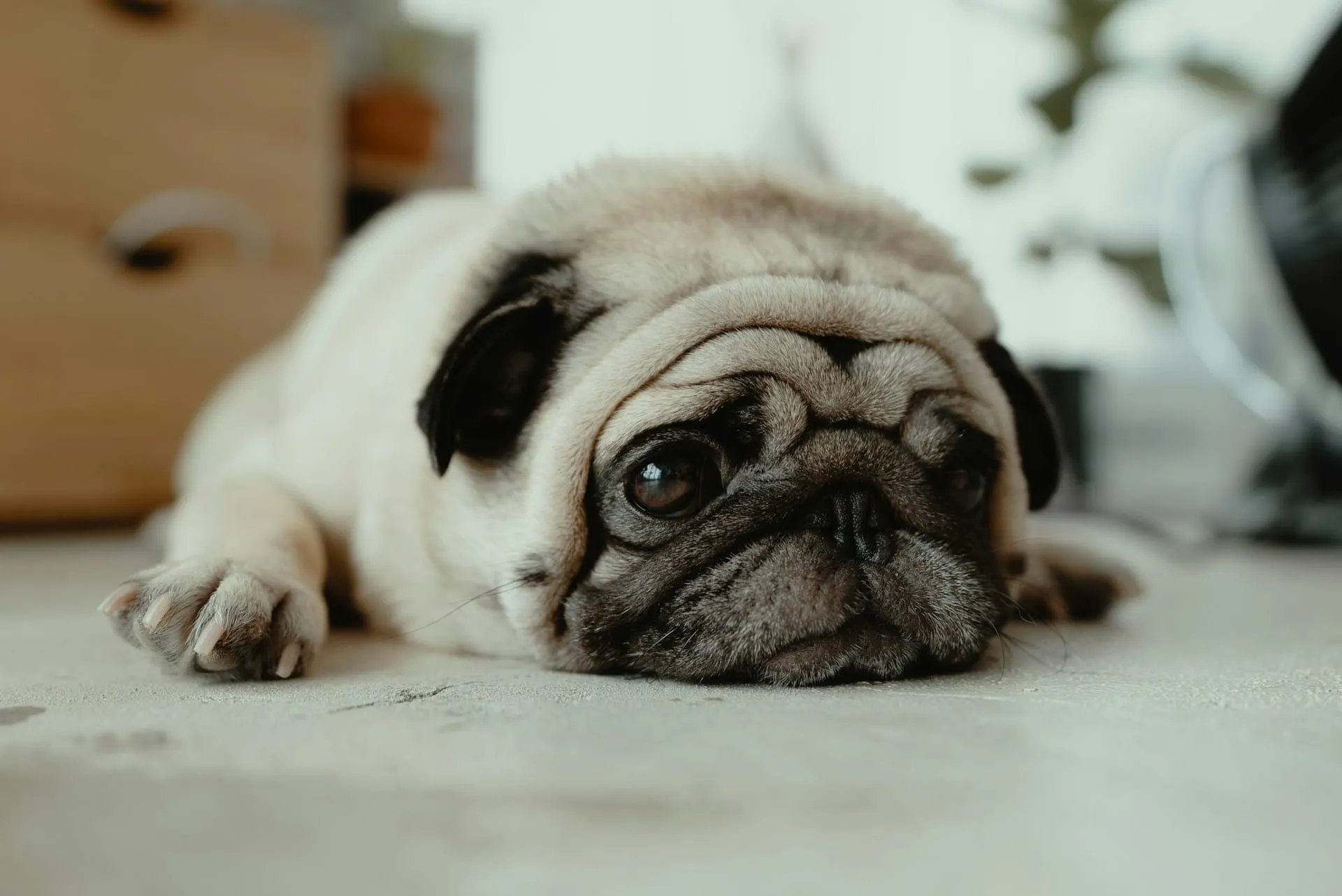
Getting a cancer diagnosis for your pet is one of the hardest things a pet parent can hear. And then treatment starts, and suddenly you’re managing medications, watching for side effects, counting the days between appointments, and trying to figure out if your dog or cat is feeling okay or if something is wrong. It’s a lot to carry.
Pet chemotherapy has come a long way. Veterinary oncologists approach it differently than human oncologists do, using lower doses calibrated to protect quality of life rather than pushing for maximum tumor response at all costs. Most pets tolerate treatment better than their owners expect. That doesn’t mean chemo is easy, nor does it mean your fear is unwarranted. It means there’s a real reason to take it one day at a time rather than catastrophize the whole road ahead.
According to AVMA data on cancer in pets, about one in four dogs will develop cancer, and nearly half of all dogs over age ten will receive a cancer diagnosis at some point. You are not alone in this. Thousands of pet parents are doing exactly what you’re doing right now: reading, researching, trying to be the best advocate they can be for an animal they love.
This guide is for the days between treatments, when you’re watching your pet sleep and wondering what’s normal. We want to give you honest, specific information so you spend less time spiraling and more time just being with your pet.
Key Takeaways
- Pets undergoing chemotherapy receive lower doses than human patients do, specifically to minimize side effects and preserve quality of life throughout treatment.
- According to the Cornell University College of Veterinary Medicine, side effects most commonly appear 2 to 5 days after treatment. Knowing this window helps you watch for symptoms at the right time rather than all the time.
- Serious side effects requiring hospitalization occur in fewer than five percent of pet chemotherapy patients. Most pets feel their best in the days immediately following treatment, then may experience a dip before recovering.
- What you feed your pet, how you manage their environment, and how closely you communicate with your oncology team all have a real impact on their experience during treatment.
- Anticipatory grief during cancer treatment is real and recognized. Feeling scared, sad, or already grieving while your pet is still here is not something to push away. It deserves attention, too.
Table of Contents
- 1What to Expect During Pet Chemotherapy
- 2Managing Nausea and Appetite During Chemo
- 3Keeping Your Pet Comfortable Between Treatments
- 4Signs That Warrant a Call to Your Vet
- 5Emotional Support During Treatment
- 6Nutrition During Chemotherapy
- 7Protecting Your Pet’s Immune System at Home
- 8How to Talk to Your Oncology Team
- 9What the Best Days During Treatment Look Like
- 10Frequently Asked Questions About Pet Chemotherapy
What to Expect During Pet Chemotherapy
Pet chemotherapy targets rapidly dividing cells, including cancer cells, to slow or stop tumor growth. The goal in veterinary oncology is almost always quality of life first. Your oncologist is not trying to make your pet sick to cure them. The protocols are specifically designed to allow most pets to maintain a good quality of life throughout treatment.
Dosing is lower than in human chemotherapy, and this is intentional. Human patients often push through severe side effects because the alternative is worse. Veterinary oncologists make different calculations. They adjust doses based on your pet’s weight, bloodwork, and response to each round, always asking whether the treatment is still effective.
Treatment protocols vary widely depending on the type of cancer. Some involve IV chemotherapy at a clinic. Others are oral medications given at home. Most protocols include regular bloodwork before each treatment to check white blood cell counts and kidney and liver function. That bloodwork isn’t just routine paperwork. It’s how your oncology team catches problems early and adjusts the plan before a side effect becomes serious.
The most important thing to know going in: your pet will not feel sick every day. Most pets have very good days during treatment, especially in the first day or two after chemotherapy. The side-effect window, if one occurs, typically falls between 2 and 5 days post-treatment, according to Cornell University College of Veterinary Medicine. After that window passes, most pets bounce back significantly. Understanding this cycle helps enormously. When your pet seems tired on day three, you can recognize it as part of the expected pattern rather than a sign that something has gone wrong.
Managing Nausea and Appetite During Chemo
Nausea and decreased appetite are among the most common side effects of pet chemotherapy. Not every pet experiences them, and severity varies. But they’re worth preparing for, because how you respond in those first hours matters.
Veterinary oncologists frequently prescribe anti-nausea medication to be given preemptively, before symptoms appear. If your pet has been sent home with ondansetron or another antiemetic, use it as directed. Don’t wait until your dog is vomiting to give it. The whole point of preventive medication is to stay ahead of the symptom rather than chase it.
When appetite drops, the instinct is to try everything. Rich foods, treats, anything to get them to eat. A few practical notes on this approach:
- Bland foods are generally easier on a sensitive stomach than rich or high-fat options. Plain boiled chicken and white rice are the standard go-to for a reason. It’s digestible, mild, and most dogs will eat it even when they’re off their regular food.
- Smaller meals more frequently are easier to manage than a full bowl twice a day. If your pet’s stomach is unsettled, a few tablespoons at a time is less likely to trigger vomiting than a full portion.
- Warming food slightly often makes it more appealing. The smell intensifies, and for a pet who’s feeling off, smell is sometimes what gets them eating when they otherwise wouldn’t.
- If your pet refuses food for more than 24 hours, that’s worth a call to your oncology team, not a reason to panic, but a data point they need to know.
Some pets actually do well with appetite stimulants prescribed by their oncologist. If your pet’s refusal to eat is becoming a pattern, ask about this option. Keeping weight on during treatment matters. A pet who stops eating can decline quickly, not from the cancer or the chemo, but from the malnutrition that follows.
Keeping Your Pet Comfortable Between Treatments
The days between treatments are when your role is the most important. Your oncology team sees your pet for a few hours every few weeks. You see them every day.
Comfort during treatment is less about special interventions and more about maintaining a stable, low-stress environment. Dogs and cats are sensitive to household stress, changes in routine, and their people’s emotional state. If you’re anxious every time you look at them, they feel it. This doesn’t mean pretending everything is fine. It means being present with them in a calm, ordinary way as much as you can.
Soft bedding matters more than usual. Some chemotherapy protocols cause temporary joint sensitivity or mild nausea that makes lying on a hard floor uncomfortable. An orthopedic bed or a folded blanket in their usual spot gives them somewhere comfortable to rest without having to seek it out. Keep their favorite resting areas accessible and warm.
Short, gentle activity is usually appropriate unless your oncologist has said otherwise. Your pet doesn’t need to skip walks entirely. Shorter, calmer outings are often fine and often welcome. Fresh air and a bit of movement support mood, digestion, and overall wellbeing. Watch how your pet responds after activity. If they’re tired quickly or seem reluctant, shorter and slower is the answer, not stopping altogether.
If you’re exploring complementary support alongside conventional treatment, our directory includes holistic and integrative therapy providers who work with pets in active treatment. Acupuncture, in particular, has a growing body of veterinary evidence supporting its use in managing nausea, pain, and fatigue. It’s not a substitute for your oncology team’s care, but it can be a meaningful addition for some pets.
Signs That Warrant a Call to Your Vet
Knowing which symptoms are expected and which ones cross a line is one of the most useful things you can have during treatment. Most oncology teams will give you a written list of red flag symptoms when you start. Keep it somewhere you can actually find it, taped to the fridge, saved in your phone, somewhere accessible at 11 pm when you’re worried and can’t think clearly.
General guidelines based on what veterinary oncologists consistently flag:
- A fever above 103.5 degrees Fahrenheit. This is one of the most critical warning signs during chemo because it can indicate neutropenia, a dangerous drop in white blood cells that can make infections life-threatening. Take your pet’s temperature if they seem suddenly lethargic or are just “not right.”
- Vomiting more than two or three times in a day, especially if it does not stop after 12 to 24 hours.
- Diarrhea that is severe, bloody, or that has lasted more than 24 hours.
- Complete refusal to eat or drink for more than 24 hours.
- Lethargy is so pronounced that your pet won’t get up, won’t respond to you normally, or seems unresponsive.
- Unusual bruising, unexplained bleeding, or pale gums.
Cornell University College of Veterinary Medicine notes that serious side effects requiring hospitalization occur in fewer than 5% of veterinary chemotherapy patients. But when they do occur, speed matters. If something feels wrong, call. Your oncology team would far rather hear from you at 10 pm and tell you it’s fine than have you wait until morning on something serious.
If you’re ever unsure whether your concern warrants a call, the answer is always to call. You are not being dramatic. You are not wasting anyone’s time. You are doing exactly what a good pet parent does.
Emotional Support During Treatment
Nobody talks enough about what this does to the person on the other side of the leash.
Watching a pet go through cancer treatment is genuinely hard. You’re making decisions about treatment, managing medications, watching for symptoms, calculating whether a bad day is a bad day or something worse. And underneath all of that, most pet parents in this situation are already grieving. Not the loss that may or may not come, but the version of your pet you had before the diagnosis. The walks were longer. The energy was different. The future felt more certain.
This is anticipatory grief, and it’s a real, documented emotional response. It’s not the same as giving up. It’s what happens when you love something enough to see clearly what’s at stake. You can be fully committed to treatment and still feel this weight. Those things coexist.
What we hear consistently from pet parents navigating cancer treatment is that the emotional isolation is one of the hardest parts. The people around them don’t always understand the weight of it. They say things like “but the treatment is going well, right?” as if going well means everything is okay. It isn’t. Going well means the cancer is responding. It doesn’t mean you’re not scared every time your dog has a quiet day.
If you need support for yourself during this time, our directory includes pet loss grief counselors who work with pet parents in exactly this situation, before the loss, during treatment, and when the future is still uncertain. You don’t have to wait until after to get support. You can also explore our resources on preparing for pet loss when you feel ready, at whatever pace makes sense for you.
Nutrition During Chemotherapy
What your pet eats during treatment has a real effect on how they tolerate it. This doesn’t mean you need a complicated nutritional protocol. It means a few specific things are worth paying attention to.
Protein is the priority. Cancer is a metabolic disease, and pets with cancer often have higher protein needs than healthy animals. At the same time, cancer cells preferentially consume simple carbohydrates. Many veterinary oncologists recommend lower-carbohydrate, higher-protein diets during treatment for this reason, though the evidence is still evolving, and individual recommendations should come from your team based on your specific pet’s cancer type and overall health.
A few practical nutrition guidelines for pets in treatment:
- Stick to foods your pet already knows and tolerates on non-nausea days. This is not the time to introduce novel proteins or experiment with new diets. Digestive disruption from a food change on top of chemotherapy side effects is an avoidable complication.
- Omega-3 fatty acids, particularly EPA and DHA found in fish oil, have some evidence supporting anti-inflammatory and potentially anti-tumor effects in dogs. Ask your oncologist whether fish oil supplementation is appropriate for your pet and, if so, at what dose.
- Avoid high-sugar treats and processed snacks during treatment. They’re not great for any dog or cat, and during cancer treatment, there’s even more reason to keep simple carbohydrates low.
- Keep fresh water available at all times and change it frequently. Hydration supports kidney function, which is particularly important during chemotherapy, as many drugs are processed by the kidneys.
If your pet’s appetite is significantly suppressed and you’re worried about weight loss, this is a direct conversation to have with your oncology team. Appetite stimulants, feeding tubes in severe cases, and dietary adjustments are all tools they can offer. Don’t manage significant weight loss on your own.
Protecting Your Pet’s Immune System at Home
Chemotherapy affects the bone marrow’s ability to produce white blood cells. This is the mechanism behind bone marrow suppression, one of the more serious potential side effects. When white blood cell counts drop, your pet is more vulnerable to infection. The practical steps you take at home can make a meaningful difference in preventing exposure during the most vulnerable periods.
The days most likely to yield the lowest white cell counts are typically 7 to 10 days after treatment, as per many common protocols. Your oncologist can tell you the expected nadir for your pet’s specific regimen. During that window:
- Avoid dog parks, boarding facilities, and other situations with high exposure to unfamiliar animals. Even healthy dogs carry bacteria and viruses that a compromised immune system may not be able to fight off.
- Keep your pet’s living area clean. Wash bedding more frequently. Clean food and water bowls daily. These are simple habits that reduce bacterial load in the environment.
- Be thoughtful about grooming. Routine grooming is fine, but be careful about cuts or skin irritation. Even small wounds can become significant infections when immune function is suppressed.
- Wash your hands before handling your pet’s medications or wounds. The basics matter here.
A note on handling chemotherapy drugs at home: if your pet is on oral chemotherapy, your oncologist will give you specific safety instructions. These drugs are active compounds and should be handled with gloves. The same applies to your pet’s waste in the days following IV chemotherapy. Your oncology team should walk you through this. If they haven’t, ask explicitly.
If you’re looking for ongoing support for chronic illness as your pet moves through treatment, our directory connects you with providers who specialize in supporting pets and their families through extended medical care.
How to Talk to Your Pet’s Oncology Team
Your relationship with your oncology team is one of the most important variables in how well treatment goes. Not just the medical part. The communication part.
Come to appointments with written notes. Symptoms you noticed, the dates they happened, how long they lasted, and how severe they were on a scale that makes sense to you. Vague descriptions like “she seemed off” are harder to act on than “she vomited twice on day three and didn’t eat on day four, then seemed back to normal by day five.” Specificity helps your vet make better decisions.
Ask the questions you’re embarrassed to ask. How long does this treatment usually work? What do we do when it stops working? What does a quality-of-life assessment look like at this stage? These are not morbid questions. They are responsible questions that every good pet parent deserves to have answered. A good oncology team will not flinch at them.
If you’re unsure about the goals of treatment, ask directly: “Are we trying to cure this, or are we trying to extend quality time?” Both are valid goals. They’re different goals. Knowing which one guides your team’s decisions helps you make sense of everything else they recommend.
Our quality-of-life consultation services are available if you want an independent assessment of your pet’s condition and what’s worth weighing as you make treatment decisions. These conversations don’t replace your oncology team. They supplement them. They give you a space to think through the harder questions with someone whose only job is to help you see clearly.
And when the conversation turns toward what comes next, our resources on what vets wish you knew about end-of-life care can help you understand what good palliative and hospice support looks like, if and when that becomes relevant. You don’t have to wait until you need that information urgently to start thinking about it.
What the Best Days During Treatment Look Like
Here’s something we want you to hear: there will be good days. Real ones.
Your pet will have mornings where they greet you the way they always have. Afternoons where they want a walk, or a game, or to settle against you on the couch and just be close. Moments where the cancer feels far away and you’re just together. Those days are real. They are not accidents. They are the reason veterinary oncology is designed the way it is.
The best days during treatment look like ordinary days. Your pet is eating breakfast. A slow walk around the neighborhood. An hour in a patch of sun. These things don’t require a good prognosis to be good. They’re good because they’re happening, because your pet is there, because you’re paying attention.
One of the consistent things we see with pet parents navigating cancer treatment is a tendency to spend the good days dreading the next hard one. The anticipatory grief is real, and it doesn’t disappear when things are going well. But it can steal the time you actually have. If your pet is having a good day today, that day is the one in front of you. It deserves your full attention.
Keep taking photos. Sit on the floor with them. Let the good day be a good day without making it carry the weight of everything that might come later.
If you’re already thinking about what comes after treatment, or after, our resources on the senior pet care journey and on understanding your options when cancer treatment ends are here when you need them. And if hospice care ever becomes the right path, our directory includes hospice pet care providers trained to make the transition as gentle as possible for your pet and you.
You’re doing the hard thing. And your pet is lucky to have someone doing it with them.
Frequently Asked Questions About Pet Chemotherapy
Do pets suffer during chemotherapy the way humans do?
Most pets tolerate chemotherapy significantly better than human patients do, and this is by design. Veterinary oncologists use lower doses than human oncology protocols, calibrated specifically to preserve quality of life. The goal is not maximum tumor suppression at any cost. It’s an effective treatment that still allows your pet to have good days. According to the Cornell University College of Veterinary Medicine, the most serious side effects requiring hospitalization occur in fewer than 5% of veterinary chemotherapy patients. When side effects do appear, they most commonly occur between 2 and 5 days after treatment and typically resolve on their own within a day or two. Nausea, decreased appetite, mild lethargy, and some loose stool are the most commonly reported effects. These are real and worth managing with your vet’s guidance, but they’re not the sustained suffering that many pet owners imagine when they first hear the word chemotherapy. Many dogs and cats continue to play, eat, go on walks, and behave normally throughout most of their treatment course. Your oncology team can provide a clear picture of what to expect based on your pet’s cancer type and protocol.
How do I know if my pet is in pain during cancer treatment?
Pets don’t show pain the way humans do. They don’t cry out or complain in ways that are easy to interpret. Instead, look for behavioral changes: reluctance to move or change positions, ears held flat or back, a hunched posture, a tightened or tucked abdomen, withdrawal from contact with you, a change in facial expression toward a more tense or pinched look, or unusual aggression when touched in certain areas. Decreased interest in food and water can also signal that something is wrong, though during chemotherapy, this is sometimes just nausea rather than pain specifically. A useful tool many veterinary oncologists recommend is an animal pain scale, such as the Colorado State University scale for dogs and cats, which provides a structured way to assess what you’re seeing at home and communicate it to your team. If something feels off, don’t wait for your next scheduled appointment. Call and describe specifically what you’re observing. Your oncology team would rather adjust the pain management plan early than have your pet endure unnecessary discomfort while waiting for the next visit.
Is it safe to let other pets and family members around a dog or cat on chemotherapy?
In most situations, yes, with some specific precautions. Your pet is not radioactive, and normal contact, petting, sleeping near them, playing with them, is generally safe for family members, including children. The primary safety concern is handling your pet’s waste in the days immediately after IV chemotherapy, as chemotherapy agents are excreted in urine and feces during that period. Your oncology team should provide specific guidance, but standard precautions typically include wearing gloves when cleaning litter boxes or picking up waste for about 48 to 72 hours after treatment, washing hands thoroughly after any contact, and keeping children from directly handling waste materials during that period. For oral chemotherapy drugs, the handling precautions are more significant. Always use gloves when handling the tablets or capsules, wash your hands thoroughly afterward, and store medications securely away from children and other pets. Other household pets can generally continue to interact with a pet undergoing chemotherapy. Still, you should minimize exposure to outside animals, particularly in the days around the expected nadir of white blood cells, when immune function is most suppressed.
What happens if my pet’s cancer stops responding to chemotherapy?
This is the question that many pet parents are afraid to ask out loud, and it’s one of the most important ones. When first-line chemotherapy stops working, there are often options to consider: switching to a different drug or protocol, enrolling in a clinical trial if one is available and appropriate, transitioning to a palliative approach that focuses on quality of life and comfort rather than tumor control, or moving into hospice care. The right path depends on the type of cancer, your pet’s overall health and resilience, how they’ve tolerated treatment so far, and what your own goals are for this stage. A good oncology team will lay out the realistic options without pushing you toward any particular one. If you’re not sure you’re getting a full picture of the options, a second opinion from another board-certified veterinary oncologist is completely reasonable, and any ethical oncologist will tell you so. Quality-of-life consultations, like those available through Love, Baxter’s directory, can also be a useful tool at this crossroads. They give you a space to think through what matters most for your pet right now, separate from the treatment decision itself. There is no single right answer. There is an answer that fits your pet, your values, and this specific moment.
How do I handle my own emotional state while my pet is in treatment?
Honestly and with the same care you’re giving your pet. The emotional weight of supporting a pet through cancer treatment is real, heavy, and frequently underacknowledged by the people around you. You may be grieving a version of your pet that existed before the diagnosis. You may be scared every time they have a quiet day. You may feel guilty when you catch yourself hoping treatment will work, so you don’t have to face harder decisions. All of this is part of what anticipatory grief looks like, and it’s valid. One of the things we hear most consistently from pet parents in this situation is that they felt like they weren’t allowed to fall apart because their pet needed them to be strong. But suppressing your own emotional experience doesn’t make you a better caregiver. It makes you feel more depleted. Let yourself feel what you’re feeling, ideally with someone who understands. A pet loss grief counselor, particularly one who works with anticipatory grief, can provide genuine support during treatment, not just after. You don’t have to wait for the worst to happen before you take your own emotional experience seriously. Getting support now means you’re more present for your pet today, and better prepared for whatever comes next.
On this topic