







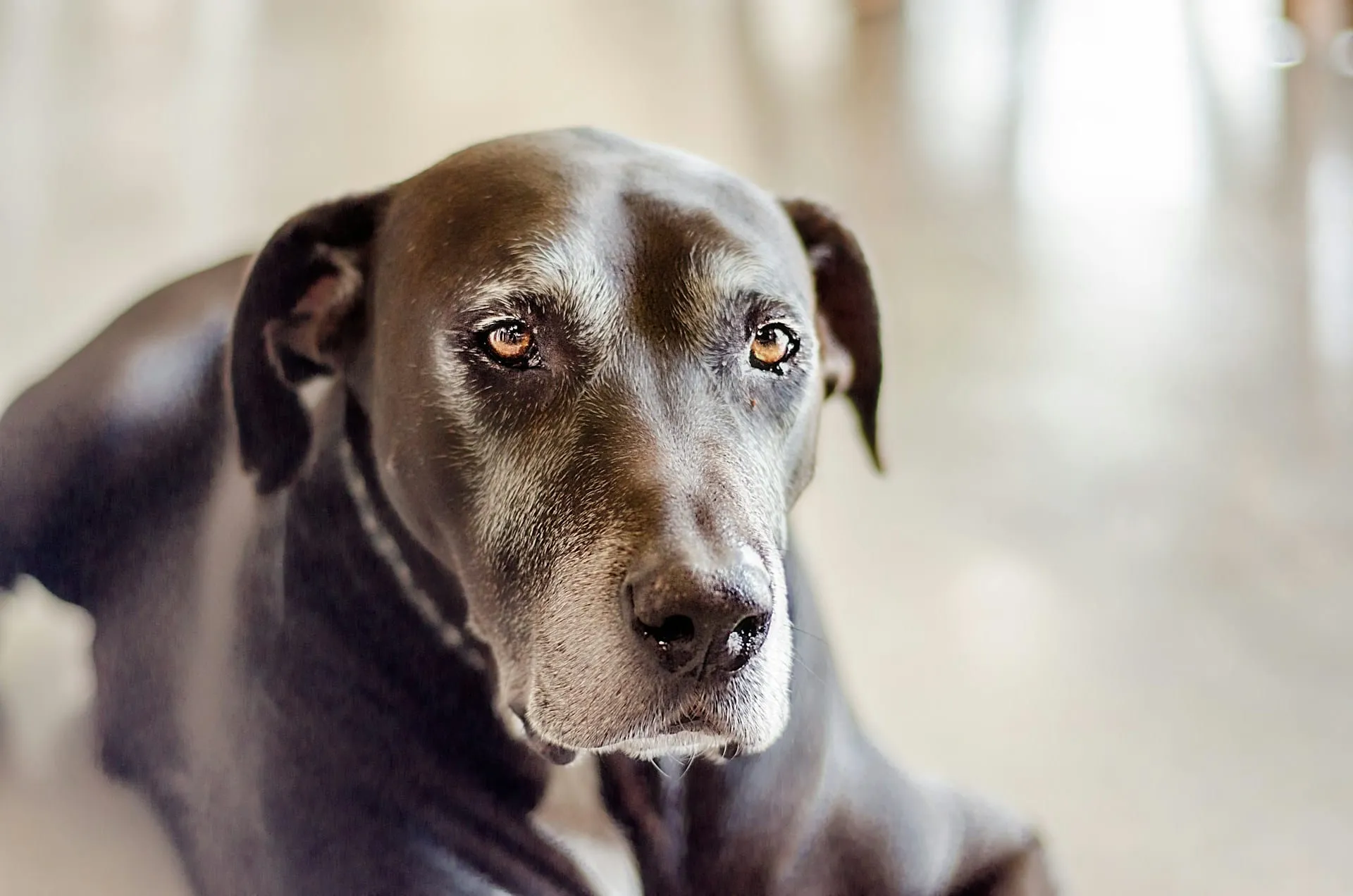
Coping when your dog is dying comes down to three things you can actually control: keeping them comfortable, making calm decisions with your vet, and taking care of yourself so you can be present for them. You can’t stop what’s coming, and no tip erases that pain. But you can shape these final weeks into something gentle for your dog and survivable for you, and that’s what the fifteen tips below are for.
The grief you’re feeling before your dog has even passed has a name: anticipatory grief. That heavy mix of sadness, dread, and desperate hope is a normal, valid response to losing a companion who’s still here, not a sign you’re giving up. It’s your heart starting to carry a weight it can see coming.
Every dog’s end-of-life journey looks a little different, but the same handful of strategies help most pet parents through it: comfort care, honest communication with your veterinary team, quality-of-life check-ins, memory-making, and real support for yourself. We’ve organized these fifteen tips into the four things that matter most right now, so you can find what you need without reading the whole thing if you don’t have the energy. Take what helps, leave the rest, and be gentle with yourself while you do it.
Key Takeaways
- The grief you feel before your dog dies is anticipatory grief, a normal response that reflects your bond, not a failure of hope or strength.
- Comfort care means shifting the goal from curing the illness to maximizing good days: controlling pain and anxiety, maintaining familiar routines, and providing a safe, soft environment.
- Quality-of-life tools, like a daily scoring scale used by the whole family, turn an overwhelming “is it time?” into something you can track and discuss with your vet.
- There’s no perfect moment for euthanasia, only a subjective window, and it’s a decision to make with your veterinarian based on your dog’s daily experience, not a single rule.
- Caring for a dying dog is exhausting; protecting your own sleep, food, and support isn’t selfish; it’s what lets you keep showing up for them.
Table of Contents
- 1Understanding Anticipatory Grief When Your Dog Is Dying
- 2Keeping Your Dying Dog Comfortable
- 3Taking Care of Yourself as the Caregiver
- 4Facing End-of-Life Decisions Without Panic
- 5Making the Remaining Time Meaningful
- 6Finding Peace in Your Dog’s Final Chapter
- 7Frequently Asked Questions About Coping When Your Dog Is Dying
Understanding Anticipatory Grief When Your Dog Is Dying
Anticipatory grief is the mourning that starts before the loss, while you’re still caring for your dog. It shows up as crying while you watch them sleep, anger at its unfairness, or guilt over decisions you haven’t even made yet. One of the most common things pet parents tell us is that they feel something’s wrong with them for grieving a dog who’s still breathing beside them. Nothing is wrong with you.
It also tends to arrive as a tangle of feelings that seem to contradict each other. Gratitude for one more morning can sit right beside the wish that their suffering would end. You might pray for more time while quietly knowing that letting go may be the kindest thing you’ll ever do for them. Holding both at once isn’t confusion; it’s love doing the hardest math there is. If you want to go deeper on this, our resources on pet anticipatory grief sit alongside everything below.
Keeping Your Dying Dog Comfortable
Comfort is the whole job now. These first tips are about making your dog’s world soft, safe, and as free of pain and fear as you and your vet can manage.
1. Their Comfort Zone Should Be Near the Family
Most dogs nearing the end want to be close to their people, not tucked away in a quiet back room. Set up a cozy spot in your bedroom or main living area where they can rest near the activity without being jostled by it. Soft orthopedic bedding, a familiar blanket that smells like home, and a favorite toy within reach go a long way toward helping them feel safe.
2. Make the Home Safe for Changing Mobility
As strength and coordination fade, small hazards become real risks. A few practical changes protect your dog from falls and strain and let them keep some independence:
- Lay non-slip rugs or runners over hardwood, tile, and other smooth floors where paws can slide out.
- Raise the food and water bowls so they don’t have to bend into painful joints to eat and drink.
- Block off stairs and ledges with a baby gate if their balance has gotten unreliable.
- Keep water, bedding, and a potty path close together so nothing requires a long or risky trip.
- Help them maintain a comfortable temperature, since dying dogs often struggle to regulate it, by using extra blankets in the cold or a cool, shaded spot in the heat.
You know your dog’s habits, so watch where they struggle over a day or two and adjust from there. The goal is a home they can move through without fear of the next step.
3. Manage Pain and Anxiety With Your Vet
Pain control is the backbone of comfort care, and it works best when you and your veterinary team stay ahead of it rather than chasing it. Dogs don’t always cry out when they hurt, so learn to read the quieter signals and report them, because you’re the one seeing your dog all day. Common signs of pain or distress include:
- Changes in breathing, like panting when they haven’t been active.
- Reluctance to move, get up, or shift position, or trouble settling comfortably.
- Restlessness and pacing, especially at night.
- Decreased appetite or a new resistance to being touched in certain spots.
- Unusual vocalizing, whining, or a general change in their normal behavior.
One thing veterinary hospice teams stress is that anxiety can be as distressing to a dying dog as physical pain, and the two often travel together. Panting, pacing, and whining that worsen at night are frequently driven by anxiety on top of pain, and anti-anxiety medication alongside pain relief can make a real difference. Talk with your vet about the full toolkit, from end-of-life pain management options to anything that eases fear, and keep a short daily log of what you notice so adjustments can happen quickly.
Taking Care of Yourself as the Caregiver
You cannot pour comfort into your dog from an empty tank. These tips are about keeping yourself standing, because your presence is the single most valuable thing you’re giving them right now.
4. Quality of Their Days Matters More Than the Number
When time is short, the instinct is to grab for more of it, but the deeper comfort usually comes from paying attention to the moments you still have. Notice what genuinely brings your dog joy now, and let go of activities they can no longer enjoy without guilt. A dog who once lived for long hikes might now be perfectly content lying in a patch of sun, and meeting them there instead of mourning the hikes is its own kind of love.
5. Lean on People Who Understand
Isolation makes this so much heavier, so let people in. Reach out to friends and family who understand what your dog means to you, and don’t be afraid to gently educate those who don’t quite get it. Online pet loss communities are worth their weight in gold here, because they’re full of people who would never tell you it’s “just a dog” or suggest you replace them. Accept the practical offers too, the dropped-off meal, the errand run, the hour of dog-sitting so you can breathe.
6. Protect Your Own Basics
Grief and caregiving both burn through your reserves, so the boring fundamentals matter more than usual. Keeping yourself functional is part of caring for your dog well, not a distraction from it:
- Eat something regularly, even when your appetite is gone, and lean on food friends bring by.
- Stay hydrated, since stress and crying dehydrate you faster than you’d think.
- Protect your sleep, even if that means asking someone to watch your dog so you can rest without listening for every sound.
- Move your body a little, a short walk or some stretching, to burn off the stress hormones.
- Keep one or two real conversations going, even if they’re all about your dog right now.
If the grief starts to feel unmanageable or you can’t function day to day, that’s a sign to reach for more support, not to push harder alone. Watching for the signs of pet caregiver fatigue in yourself is part of the job.
7. Consider Professional Grief Support Now, Not Later
You don’t have to wait until after your dog is gone to talk to someone. Pet loss counselors understand anticipatory grief and the specific weight of end-of-life decisions, and getting support during this phase can help you process guilt and conflicting feelings before they harden. If it would help to talk with someone who truly gets it, you can connect with a pet loss grief counselor while your dog is still with you.
Facing End-of-Life Decisions Without Panic
The decisions ahead are the hardest part of this for most people. Making them a little earlier and a little more deliberately, with your vet beside you, is how you keep panic and guilt from driving choices that should come from love.
8. Shift From Treatment to Comfort Care
There’s a point where the kindest goal stops being a cure and becomes the best possible quality of life for the time that’s left. The American Veterinary Medical Association frames end-of-life care as exactly this: keeping a pet with a terminal condition comfortable until they die or are euthanized, while giving you time to make decisions and adjust. Making that shift isn’t giving up. It’s choosing your dog’s comfort over interventions that may add stress without adding good days. Talk with your vet about what a pet hospice approach would look like for your dog.
9. A Quality-of-Life Scale Takes Out the Guesswork
When the “is it time?” question feels impossible to answer, a structured quality-of-life tool turns it into something you can actually track. Veterinary hospice groups offer simple scales that let several family members score your dog’s good and bad days over time, which is far more reliable than a single gut feeling on a hard afternoon. The factors worth watching include:
- Whether they can still enjoy basic pleasures like eating a favorite food and being near the family.
- Whether pain is being controlled well, or breaking through the medication.
- Mobility, and whether they can get up, move, and posture to relieve themselves.
- Appetite and hydration, and whether they’re gaining or losing weight.
- The simple ratio of good days to bad days over the past week or two.
Print a scale, keep it somewhere visible, and have the household fill it in daily or weekly. Our good-days-and-bad-days tracking template makes it easy to get started, and the pattern it reveals is a concrete thing to bring to your vet.
10. Talk About Euthanasia Before It’s a Crisis
This is the conversation everyone wants to avoid, and having it early is a gift to your future self. Veterinary hospice providers are honest that there’s no perfect moment, only a subjective window that might be days, weeks, or months, and that the goal is preventing suffering rather than waiting until it’s undeniable. Ask your vet what to expect, what your location options are, and how aftercare works, so that if the day comes, you’re making a decision from a place of understanding rather than panic. This is a personal choice, made with your veterinarian, based on your dog’s daily experience and your own values, and there’s no single right answer that fits every family. If it helps to see the whole process laid out, our guide to preparing for pet euthanasia walks through it gently.
Making the Remaining Time Meaningful
Alongside the caregiving and the decisions, there’s room for tenderness and even a strange kind of beauty in these last weeks. These tips are about filling the time with connection and building something you’ll be glad to hold onto later.
11. Keep Small Daily Rituals
Rituals give shape to chaotic, painful days, and they don’t need to be elaborate. A slow morning grooming session, a few quiet minutes together before the house wakes up, soft music in the evening, or simply saying out loud the things you’re grateful for can become anchors. Later, these small ceremonies often turn into some of the memories that comfort you most, because they were about presence rather than panic.
12. Capture the Memories That Matter
Preserving a few pieces of your dog while they’re here can be a quiet comfort, as long as it enhances your time together instead of turning every moment into a photo shoot. Choose whatever feels natural rather than trying to document everything:
- A paw print in clay or ink, which becomes a keepsake you can hold long after.
- A short audio or video clip of their particular sounds, the greeting bark, the contented sigh, the way they breathe asleep.
- A written letter to them, saying the things you want said while you can still say them.
- A handful of unhurried photos in their favorite spots, aiming for peaceful over posed.
The point isn’t a perfect archive. It’s a few tangible things that hold their personality, chosen without pressure. Our guide to preserving pet memories has more gentle ideas if you want them.
13. Include the Whole Family, Kids, and Other Pets
When a dog is dying, everyone in the household is grieving, including the smallest and the four-legged. Give children an honest, age-appropriate explanation without frightening detail, and let them help with gentle care, like soft petting or sitting nearby, so their love has somewhere to go. Other pets often sense the change too, so keep their routines steady, give them extra attention, and let them stay close to their companion if it seems to comfort them rather than distress them.
14. Say What You Need to Say
Never underestimate your voice, your hands, and your presence in these final days. Keep talking to your dog, telling them about the joy they’ve brought, naming favorite memories out loud, thanking them for the life you shared. Many pet parents find real peace in gently letting their dog know it’s okay to rest when the dog is ready. Trust your instinct about what your particular dog finds soothing, because no one knows them as you do, and simply lying beside them may be the greatest comfort you can offer.
15. Plan a Memorial When You’re Ready
Thinking about how you’ll honor your dog can feel premature, but for many people, it brings comfort and a sense of purpose during a helpless time, and it never means giving up hope. The options run from living tributes to keepsakes you carry with you, and there’s no right way to choose, only what reflects your dog and your bond:
- Plant a tree or memorial garden in a spot they loved, so the loss grows into something living.
- Commission a custom portrait or build a shadow box that holds their collar, tags, and a favorite toy.
- Give a donation or start a small fund in their name to a cause that fits their spirit.
- Put together a memory book or wear a piece of keepsake jewelry to keep them close day to day.
Let the choice be personal rather than performative. The best memorial is simply the one that feels like them.
Finding Peace in Your Dog’s Final Chapter
Coping when your dog is dying asks more of you than almost anything else you’ll do as a pet parent, and the fact that you’re here, planning and reading and trying to get it right, is proof your dog is deeply loved. Your presence and care matter more than any single treatment or perfect decision. Being with them through this is the gift.
Expect the days to swing without warning, from unexpected peace to waves of grief, from feeling like you’re handling it to feeling like you’re not. That’s all normal, and none of it means you’re doing this wrong. Your dog’s final chapter is still part of their whole, joyful life story, and the loving care you’re giving right now is part of what made that story good.
The road ahead is hard, but it’s also a kind of sacred, and you don’t have to walk it alone. Every comfort you provide, every calm decision made from love, and every tear you shed honors the bond you built together. That bond doesn’t end when they do. It stays with you, changed but unbroken.
Frequently Asked Questions About Coping When Your Dog Is Dying
What is anticipatory grief, and is it normal to feel it before my dog dies?
Anticipatory grief is the mourning that begins before a loss actually happens, and yes, it’s completely normal. When you know your dog is dying, your heart starts processing the loss while they’re still here, which can look like crying while they sleep, anger at the unfairness, or guilt about decisions ahead. It often arrives as contradictory feelings at once, like being grateful for another day while also wishing their suffering would end, and holding both is a sign of love rather than confusion. Naming it as anticipatory grief helps, because many pet parents feel something is wrong with them for grieving a dog who’s still breathing beside them. There’s nothing wrong with you. Focusing on quality time, leaning on people who understand, and being gentle with yourself all help you carry it. If it becomes overwhelming, a pet loss counselor who works with anticipatory grief can give you tools before the loss, not just after.
How do I keep my dying dog comfortable at home?
Comfort care means shifting the goal from fixing the illness to giving your dog the best possible days, and most of it happens at home. Set up a soft, familiar resting spot near the family so they don’t feel isolated, and make the space safe with non-slip rugs, raised bowls, and clear, short paths to water and the door. Stay ahead of pain by learning the quieter signs, such as panting, restlessness, reluctance to move, or changes in normal behavior, and reporting them to your vet promptly. Keep in mind that anxiety can distress a dying dog as much as pain, and it often worsens at night, so ask your vet about calming medication alongside pain relief. Help them hold a comfortable temperature, since dogs near the end often can’t regulate it well. A short daily log of appetite, mobility, and mood helps your veterinary team adjust the plan quickly. Above all, your calm, familiar presence is a form of comfort no medication can replace.
How do I know when it’s time to consider euthanasia?
There’s no perfect moment, and veterinary hospice providers are honest that what exists instead is a subjective window that might last days, weeks, or months. The most useful approach is a quality-of-life assessment, a simple scale the whole family can use to score your dog’s good and bad days over time, which is far more reliable than one gut feeling on a hard afternoon. Watch whether they can still enjoy basic pleasures like eating and being near you, whether pain is genuinely controlled, and how the ratio of good days to bad days is trending. Bring that pattern to your veterinarian, who can help you weigh it against your dog’s specific condition. The goal most vets describe is preventing suffering rather than waiting until it’s undeniable, but this remains a deeply personal decision tied to your values and your dog’s daily experience. Talking it through with your vet before it becomes urgent means that if the day comes, you can decide from a place of understanding rather than panic. There’s no single right answer that fits every dog and every family.
How do I take care of myself when my dog is dying?
Caring for a dying dog is physically and emotionally exhausting, and protecting your own basics isn’t selfish; it’s what lets you keep showing up for them. Try to eat regularly even when grief kills your appetite, stay hydrated, and guard your sleep, even if that means asking someone to watch your dog for a few hours so you can rest. A little movement, like a short walk, helps burn off stress hormones and steady you. Let people help with meals, errands, and dog-sitting, and lean on those who understand the depth of this bond rather than those who minimize it. Online pet loss communities can be a lifeline because everyone there gets it. If the grief starts interfering with daily functioning, that’s a signal to reach for professional support, not to push harder alone. You matter in this too, and running yourself into the ground doesn’t serve your dog.
What are meaningful ways to spend my dog’s final days?
The most meaningful thing you can do is simply be present, so let go of any pressure to make these days grand. Keep small daily rituals, like a gentle grooming session, quiet time in the sun, or soft music in the evening, since these become the memories that comfort you later. Capture a few pieces of them without turning every moment into a photo shoot, whether that’s a paw print, a short audio clip of their sounds, or a letter to them saying what’s in your heart. Include the whole family, give children honest, age-appropriate ways to help, and keep other pets’ routines steady so they can grieve too. Keep talking to your dog, thanking them and telling them they’re loved, and trust that lying beside them may be the greatest comfort of all. When you feel ready, planning a memorial, like a tree in a favorite spot or a keepsake that holds their spirit, can give your love somewhere to go. None of it needs to be perfect, only genuine.
On this topic