







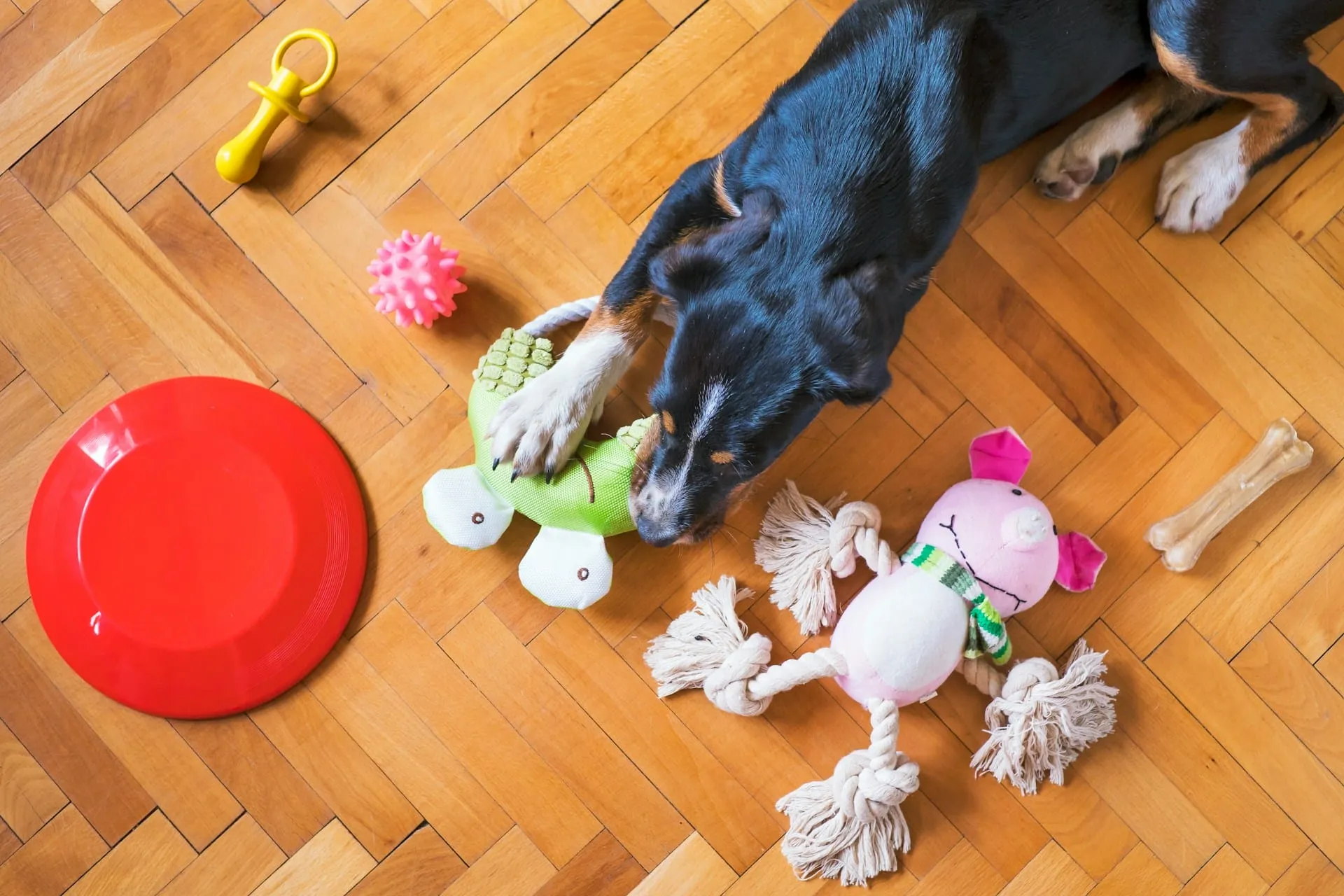
When we lost Baxter in October 2024, one of the most overwhelming aspects of our grief wasn’t just the silence where his bark used to be. It was walking past his food bowls, seeing his favorite toy in the corner, and facing the reality of all his belongings that suddenly had no purpose. If you’re reading this, you’re likely facing similar questions about your beloved companion’s items, wondering what to keep, what to let go of, and whether it’s okay to use some of these things with a future pet eventually.
At Love, Baxter, we understand that deceased pet items carry immense emotional weight. They’re not just objects: tangible connections to countless memories, daily routines, and the love you shared. The decision of what to do with pet belongings is deeply personal, and there’s no timeline or “right way” to navigate this process. We’re here to offer gentle guidance as you work through these difficult but necessary decisions.
Every pet parent knows that our furry family members leave behind more than just memories. They leave behind a whole collection of items that were part of their daily life and, by extension, ours. From the food bowl that signaled dinner time to the worn tennis ball that brought endless joy, these pet items after death can trigger intense emotions. Some days, seeing these items might bring comfort, reminding you of happy moments and your pet’s unique personality. On other days, they might feel like painful reminders of loss. Both reactions are completely normal and valid.
Table of Contents
- 1Understanding the Emotional Impact of Pet Belongings After Death
- 2Deceased Pet Items That Can Safely Be Reused
- 3When to Replace Rather Than Reuse Pet Items
- 4Timing Decisions About Deceased Pet Items
- 5How Reusing Pet Items Supports Healing
- 6Creating Memorial Spaces While Moving Forward
- 7Moving Forward with Love and Intentional Choices
- 8Frequently Asked Questions About Deceased Pet Items
Understanding the Emotional Impact of Pet Belongings After Death
The relationship with our deceased pet items often evolves. What feels impossible to touch today might become a source of healing months from now. Conversely, items that initially bring comfort might later feel too painful to keep around. We’ve learned from our own experience and connecting with other grieving pet parents that there’s no pressure to make immediate decisions about what to do with these belongings.
Take Jessica from Long Island, whose 8-year-old Pug Donny passed away from cancer. She initially couldn’t bear to see his tennis ball collection but found comfort six months later in donating them to a local shelter. Similarly, Robert from Austin kept his 14-year-old cat Luna’s favorite blanket for two years before feeling ready to use it as a memorial display piece. Every pet parent’s journey with their pet belongings after death is unique.
The key is allowing yourself to feel whatever comes up and making decisions at your own pace. Some pet parents find it helpful to:
- Box up items immediately to create emotional space for processing grief while preserving options for later decisions
- Leave everything exactly as it was for a period that feels right, allowing natural progression through grief stages
- Sort items gradually over weeks or months, making decisions as emotional readiness develops
- Involve family members in decision-making to ensure everyone’s grief process is honored
Neither approach is wrong. It’s about what serves your healing process best. The goal isn’t to forget or move on from your deceased pet but rather to create space in your life for processing grief while honoring the love that came before.
Deceased Pet Items That Can Safely Be Reused
When you’re eventually ready to consider welcoming another pet into your family, you might wonder which of your deceased pet items can be safely and appropriately reused. From both practical and emotional perspectives, several categories of pet belongings transition well to a new companion.
Food and Water Bowls for Future Pets
Stainless steel, ceramic, and high-quality plastic food and water bowls represent some of the most practical pet items after death to consider reusing. These everyday essentials, especially if they’re in good condition, don’t need to be replaced unless you prefer starting fresh. Many pet parents find comfort in the continuity these items provide, a way of honoring their deceased pet while caring for their new companion.
Proper preparation for reusing feeding bowls:
- Wash thoroughly with hot, soapy water to remove all residue and bacteria
- Follow up with a pet-safe disinfectant to ensure complete sanitization
- Run stainless steel bowls through a hot dishwasher cycle for extra cleaning power
- Inspect for any cracks, chips, or damage that could harbor bacteria or injure a new pet
- Consider the size appropriateness for your future pet’s needs
Jennifer from Miami successfully reused her 12-year-old Beagle Charlie’s stainless steel bowls with her new puppy, Scout. The familiar bowls helped her feel connected to Charlie’s memory while establishing new feeding routines with Scout. The practical aspect of reusing pet items allowed her to invest in other new items Scout needed while honoring Charlie’s legacy.
Travel Carriers and Crates Worth Keeping
Pet carriers, travel crates, and kennels represent significant investments that can serve a new pet well, provided they’re the appropriate size and in good structural condition. These deceased pet items rarely carry the same emotional weight as toys or bedding, making them practical candidates for reuse with proper preparation.
Essential steps for preparing carriers and crates:
- Inspect thoroughly for any structural damage, rust, or worn latches that could compromise safety
- Clean all surfaces with pet-safe disinfectant, paying special attention to corners and crevices
- Replace any soft inserts, padding, or bedding that might retain odors, which could be confusing to a new pet
- Check that ventilation holes are clear and unobstructed for proper airflow
- Ensure the size and weight capacity match your future pet’s needs
Marcus from Denver kept his 9-year-old German Shepherd Thor’s large travel crate, which had cost over $200. After Thor’s passing, Marcus thoroughly cleaned and inspected the crate before using it to help his new rescue dog, Bella, adjust to her new home. The sturdy construction and familiar setup made the transition easier for Marcus and Bella.
Leashes and Walking Equipment
Well-made leashes, especially those in good condition, can be transferred to a new pet, assuming they’re the appropriate size and strength rating for your future companion. However, collars often carry more emotional significance, as they were intimately connected to your pet’s daily identity and adventures together.
Considerations for reusing walking equipment:
- Evaluate the wear and tear on clips, handles, and stitching for safety concerns
- Ensure the length and strength rating match your new pet’s size and pulling tendencies
- Check for any fraying or weak spots that could lead to breakage during walks
- Consider the emotional significance: some items may be better kept as memorial pieces
- Test all moving parts, like retractable mechanisms or clip functions
Lisa from Phoenix chose to reuse Thor’s high-quality leather leash with her new rescue dog, Cooper, while keeping Thor’s collar as a memorial item displayed with his photo. This approach allowed her to maintain practical functionality while preserving the most emotionally significant pet belongings after death as remembrance pieces.
When to Replace Rather Than Reuse Pet Items
While many deceased pet items can be safely reused, some pet belongings are better replaced when welcoming a new companion. This decision isn’t just about cleanliness. It’s also about giving your new pet their own identity and avoiding potential emotional triggers during your continued healing process.
Toys and Comfort Items Need Fresh Starts
Plush toys, squeaky toys, and comfort items like blankets or beds often carry strong scents and emotional associations that make them challenging pet items after death to transition to a new companion. These belongings were intimately connected to your pet’s play style, comfort routines, and unique personality traits.
Reasons to start fresh with toys and comfort items:
- Worn toys may have safety hazards like loose squeakers, exposed stuffing, or small parts
- Strong scent associations can be confusing or stressful for a new pet adjusting to their environment
- Play patterns and preferences vary significantly between individual pets
- Emotional associations for pet parents can interfere with bonding with a new companion
- Hygiene concerns with items that can’t be thoroughly sanitized
Rachel from Seattle discovered that her 6-year-old Labrador Milo’s favorite rope toy was too emotionally charged to use with her new puppy, Oliver. Instead, she created a memory box with Milo’s special toys while purchasing new ones that would become uniquely Oliver’s. This approach helped her process grief while allowing Oliver to develop his own play preferences.
Bedding and Soft Furnishings Require Replacement
Pet beds, blankets, and other soft furnishings often retain strong scents and can be challenging to sanitize thoroughly. More importantly, these comfort items were specifically shaped by your pet’s sleeping habits, body size, and temperature preferences. Reusing pet items like bedding can prevent a new pet from establishing their own comfort zones.
Why new bedding supports both pets and parents:
- Different pets have varying comfort needs based on size, age, and health conditions
- Orthopedic requirements may differ significantly between your previous and future pets
- Fresh bedding eliminates potential allergens or irritants that could affect a new pet
- New items help establish routines that belong uniquely to your developing relationship
- Memorial keeping of one special blanket while starting fresh maintains an emotional connection
David from Chicago kept one of his 15-year-old cat Whiskers’ favorite blankets as a memorial piece while purchasing a new bed and bedding set for his adopted kitten, Patches. This balance allowed him to honor Whiskers’ memory while ensuring Patches had fresh, appropriately sized comfort items for healthy development.
Timing Decisions About Deceased Pet Items
One of the most critical aspects we emphasize at Love, Baxter is that there’s no timeline for deciding what to do with pet belongings after loss. Some pet parents feel ready to sort through items within weeks, while others need months or years to face this emotional task. Both approaches are completely valid and should be respected.
Healthy approaches to timing your decisions:
- Immediate sorting works for some parents who find that action helps process grief actively
- Gradual processing allows emotional readiness to develop naturally over time
- Professional storage gives you time to heal without pressure to decide immediately
- Family involvement can provide support while ensuring everyone’s grief process is honored
- No timeline pressure from well-meaning friends or family members should influence your choices
If you’re not ready to reuse pet items, that’s perfectly acceptable. Many grieving pet parents find it helpful to box up their pet’s belongings and store them somewhere safe. This approach removes daily emotional triggers while preserving options to revisit these items when you’re emotionally prepared.
When you welcome a new pet, you might discover that your feelings about reusing items have evolved significantly. Items that once felt too painful to use might now feel like beautiful ways to honor your deceased pet’s memory while caring for your new companion. Conversely, you may prefer starting completely fresh; that choice is equally valid and healing.
How Reusing Pet Items Supports Healing
For some pet parents, thoughtfully reusing certain deceased pet items becomes a meaningful part of healing. When approached mindfully, reusing practical items can feel like honoring your pet’s memory while continuing the cycle of love and care that defines responsible pet ownership.
Positive aspects of thoughtful reuse:
- Creates a sense of continuity between past love and future care
- Allows practical items to continue serving their intended purpose
- Reduces waste while honoring your pet’s memory through continued use
- Provides a tangible connection between your previous and current pet relationships
- Demonstrates that love for animals continues even as individual relationships evolve
Many pet parents tell us that using their deceased pet’s food bowls or leashes with a new companion creates meaningful continuity, a feeling that love for pets continues even as individual relationships end. This doesn’t mean you’re trying to replace your deceased pet or that you love them any less. Instead, it reflects an understanding that the capacity to love and care for animals is something to be celebrated and continued.
Michelle from Tampa found profound meaning in using her 11-year-old Border Collie Ruby’s food bowls with her new rescue dog, Jasper. The familiar routine of filling those same bowls helped Michelle feel that Ruby’s legacy of love continued while allowing Jasper to receive the same level of devoted care.
However, it is crucial to be honest with yourself about your motivations and emotional responses. If reusing items feels like you’re trying to recreate your previous relationship or if it prevents you from bonding authentically with your new pet, it might be healthier to start fresh with new belongings.
Creating Memorial Spaces While Moving Forward
One beautiful approach that many pet parents find healing involves creating a dedicated memorial space for pet items after death that are too emotionally significant to reuse but too precious to discard. This strategy allows you to honor your pet’s memory tangibly while creating clear boundaries between memorial items and practical items that might serve a future pet.
Meaningful memorial space ideas:
- Shadow boxes displaying favorite toys, collars, and photos in an artistic arrangement
- Dedicated shelves featuring your pet’s most cherished belongings alongside memorial candles or plants
- Memory boxes containing special items that can be opened when you want to feel close to your pet
- Framed displays combining your pet’s collar with their favorite photo and perhaps their paw print
- Garden memorials incorporating weather-resistant items like tags or small toys among memorial plants
A memorial space serves multiple healing purposes. It allows you to process grief while opening your heart to the possibility of loving another pet. Deceased pet items become tangible reminders that the bond you shared was real and significant and will always be part of your story.
Kevin from Boston created a beautiful shadow box featuring his 13-year-old cat Smokey’s collar, his favorite feather toy, and a small photo. This memorial display allowed Kevin to honor Smokey’s memory daily while using Smokey’s practical items, like carriers and bowls, with his new kitten, Ziggy. The clear distinction between memorial and practical items helped Kevin process grief while welcoming new love.
Moving Forward with Love and Intentional Choices
Deciding what to do with pet belongings represents one of many challenging aspects of pet loss. Still, it’s also an opportunity to thoughtfully consider how you want to honor your pet’s memory while opening your heart to future possibilities. Whether you choose to reuse items, start completely fresh, or take a mixed approach, the most crucial consideration is that your decisions feel authentic to your unique healing journey.
Guiding principles for your decisions:
- Trust your emotional instincts about what feels right for your healing process
- Remember that there’s no external pressure to make choices quickly or in any particular way
- Consider how your decisions align with honoring your pet’s memory meaningfully
- Think about what approach will best support bonding with a future pet
- Allow your choices to evolve as your grief process naturally progresses
At Love, Baxter, we believe that love for animals doesn’t diminish when shared. It multiplies beautifully. The love you gave to your deceased pet, the routines you shared, and even the items you used together can all become part of a beautiful legacy that continues bringing comfort and care to animals in need.
When you’re ready, whether in weeks, months, or years, know that whatever choices you make about deceased pet items are valid and meaningful. Your deceased pet’s greatest legacy isn’t in their belongings but in the love they taught you to give and receive. That love lives on in every act of kindness you show to animals, whether caring for a new pet with reused items that carry forward a tradition of love or starting fresh with new items that represent hope and new beginnings.
If you’re looking for a place to start, our navigating pet loss hub pulls together everything we’ve written for people going through this.
Frequently Asked Questions About Deceased Pet Items
What should I do with my deceased pet’s belongings, and is there a timeline I should follow?
There’s no timeline or “right way” to navigate decisions about your deceased pet’s belongings. These items carry immense emotional weight as tangible connections to memories, daily routines, and the love you shared. The relationship with these items often evolves: what feels impossible to touch today might become a source of healing months from now. At the same time, items that initially bring comfort might later feel too painful to keep around. Both reactions are completely normal and valid. Some pet parents find it helpful to box up items immediately to create emotional space while preserving options for later decisions, leave everything exactly as it was for a period that feels right, sort items gradually over weeks or months as emotional readiness develops, or involve family members in decision-making to honor everyone’s grief process. The goal isn’t to forget or move on from your pet but rather to create space for processing grief while celebrating the love that came before. Allow yourself to feel whatever comes up and make decisions at your own pace without pressure from well-meaning friends or family members who may not understand your unique grieving process.
Which of my pet’s items can be safely reused with a future pet?
Several categories of pet belongings can transition well to a new companion from both practical and emotional perspectives. Food and water bowls made of stainless steel, ceramic, or high-quality plastic can be reused after washing thoroughly with hot soapy water, followed by pet-safe disinfectant, hot dishwasher cycles, and inspection for cracks or damage. Travel carriers and crates represent significant investments that can serve a new pet well, provided they’re the appropriate size and structurally sound. Inspect for damage, clean thoroughly with disinfectant, replace soft inserts that might retain odors, and ensure proper ventilation. Well-made leashes in good condition can be transferred, provided they have an appropriate size and strength rating. However, collars often carry more emotional significance, as they are intimately connected to your pet’s daily identity. When reusing items, evaluate wear and tear for safety concerns, ensure size appropriateness for your new pet’s needs, and consider emotional significance. Some items may be better kept as memorial pieces. The key is proper preparation through thorough cleaning and safety inspection, while being honest about your emotional responses to using these items with a new companion.
Which items should I replace rather than reuse when getting a new pet?
Some pet belongings are better replaced when welcoming a new companion, both for practical and emotional reasons. Plush toys, squeaky toys, and comfort items like blankets or beds often carry strong scents and emotional associations that make them challenging to transition: worn toys may have safety hazards like loose squeakers or exposed stuffing, strong scent associations can be confusing for new pets, and emotional associations can interfere with bonding. Pet beds, blankets, and soft furnishings retain strong scents and can’t be thoroughly sanitized, plus they were specifically shaped by your previous pet’s sleeping habits and size preferences. Different pets have varying comfort needs based on size, age, and health conditions, so fresh bedding eliminates potential allergens and helps establish routines that belong uniquely to your developing relationship. Starting fresh with toys and comfort items allows your new pet to develop their own play preferences without confusion from previous scents or emotional baggage. This approach supports both pets and parents by ensuring appropriate sizing, eliminating health concerns, and helping establish new routines. At the same time, you can keep one special item as a memorial piece to maintain an emotional connection.
How can I honor my pet’s memory while making decisions about their belongings?
Creating a dedicated memorial space for emotionally significant items that are too precious to discard but too meaningful to reuse allows you to honor your pet’s memory while creating clear boundaries between memorial and practical items. Memorial space ideas include shadow boxes displaying favorite toys, collars, and photos; dedicated shelves featuring cherished belongings alongside memorial candles or plants; memory boxes containing special items you can open when wanting to feel close to your pet; framed displays combining collars with photos and paw prints; or garden memorials incorporating weather-resistant items among memorial plants. This approach serves multiple healing purposes by allowing grief processing while opening your heart to loving another pet, making deceased pet items tangible reminders that your bond was real and will always be part of your story. For some pet parents, thoughtfully reusing practical items becomes meaningful healing: creating continuity between past love and future care, allowing items to continue serving their intended purpose, and demonstrating that love for animals continues even as individual relationships evolve. The most crucial consideration is that your decisions feel authentic to your unique healing journey, trusting your emotional instincts about what feels right while remembering there’s no external pressure to make choices quickly or in any particular way.
On this topic