







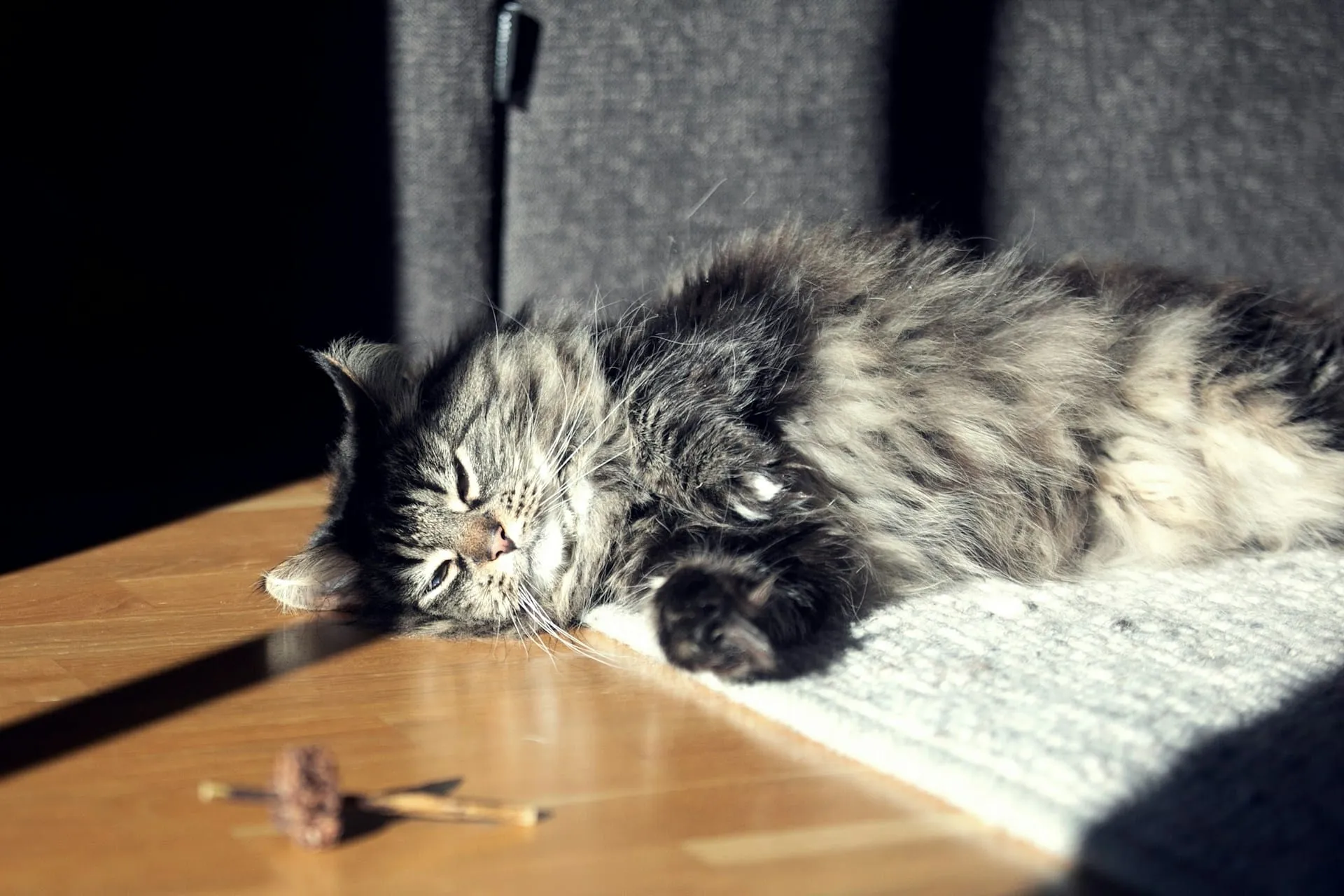
When your vet tells you your cat has tested positive for FIV or FeLV, the weight of that diagnosis can feel heavy. You might wonder what it means for your cat’s future, how much time you have together, and what kind of life they’ll have going forward. The truth is that many cats with either virus go on to live good, meaningful lives. The path ahead is different from what you expected, but it’s not a dead end.
A positive FIV or FeLV diagnosis doesn’t mean your cat is dying tomorrow. It means you now have specific information about their health, which helps you make better decisions about their care. Some cats live for many years after diagnosis. Others face a shorter timeline. What matters most right now is understanding what your cat needs, recognizing the differences between these two viruses, and knowing how to catch problems early before they become serious.
This guide walks you through what FIV and FeLV are, how they differ, what to expect regarding life expectancy, and exactly how to care for your cat day-to-day. We’ve also included the most common questions we hear from families in your situation, because anticipatory grief is real and valid, and you deserve clear answers.
Key Takeaways
- FIV spreads through deep bite wounds and typically progresses slowly; FeLV spreads through casual contact and can progress more rapidly, with a generally more serious prognosis.
- Cats with FIV often live to 15-16 years or beyond with proper indoor care; FeLV-positive cats typically have shorter lifespans, though outcomes vary widely.
- FIV-positive cats need vet exams every 6 months; FeLV-positive cats need exams every 3-4 months to catch secondary infections early.
- Stress, nutrition, and environment directly affect immune function. A calm, enriched indoor space is as important as medication.
- Quality-of-life assessment and anticipatory grief work are both part of responsible care for a cat with either diagnosis.
Table of Contents
- 1Understanding FIV and FeLV in Cats
- 2Life Expectancy After a Cat FIV or FeLV Diagnosis
- 3Veterinary Care for FIV and FeLV Positive Cats
- 4Nutrition and Home Environment for Immunocompromised Cats
- 5Preventing Secondary Infections in Cats with FIV or FeLV
- 6Recognizing Decline and Quality of Life in Cats with FIV or FeLV
- 7Your Cat Still Has Good Days Ahead
- 8Frequently Asked Questions About Cat FIV and FeLV
Understanding FIV and FeLV in Cats
FIV and FeLV are both viruses that affect your cat’s immune system, but they work differently, spread differently, and progress at different rates. Understanding these differences shapes how you’ll approach care and what you should realistically expect for your cat’s future.
What Is FIV in Cats?
FIV stands for Feline Immunodeficiency Virus. It’s a lentivirus, which means it gradually weakens your cat’s immune system. Think of it as a slow-moving condition that compromises your cat’s ability to fight off infections and disease.
FIV spreads only through deep bite wounds. A scratch won’t transmit it. Sharing food, water, or litter bowls won’t transmit it. Casual grooming won’t. Only deep bite wounds carry the risk, which is why FIV is most common in intact male cats who roam outdoors and get into fights.
The critical fact: FIV cannot infect humans. You cannot catch this from your cat. Your cat cannot catch it from anything it comes into contact with in your home. Once they have it, it stays with them, but it’s not a virus you’ll pass to other people in your household.
What Is FeLV in Cats?
FeLV stands for Feline Leukemia Virus. It’s a retrovirus that affects your cat’s bone marrow and blood cells. FeLV is more contagious than FIV and also more serious.
FeLV spreads through casual contact. Your cat can contract it through saliva (grooming, shared food and water bowls), urine, feces, and sometimes through the air if cats are sneezing in close proximity. This is why FeLV spreads so much more readily than FIV, especially in multi-cat homes.
FeLV is known for triggering secondary cancers, particularly lymphoma. It can also cause anemia, immune suppression, and other serious complications. The prognosis is generally more guarded than FIV, though this depends on whether the virus remains latent or progresses to an active, progressive form.
How FIV and FeLV Differ
The main differences boil down to transmission, progression, and prognosis. FIV spreads only through deep bite wounds and progresses slowly. FeLV spreads through everyday contact and can progress faster. A cat with FIV who lives indoors away from fights may never transmit it to anyone else. A cat with FeLV can potentially transmit it to other cats through normal, gentle interaction.
FIV-positive cats often live relatively normal lifespans, sometimes to 15-16 years or beyond. FeLV-positive cats typically have shorter lifespans, though the range is wide and depends on factors like whether the virus is latent or progressive, the cat’s age, overall health, and how quickly secondary infections develop.
Both require vigilant veterinary care and careful attention to stress, nutrition, and environment. Both benefit from staying indoors. Both need quick action when symptoms appear. But your cat’s specific diagnosis shapes your specific care plan.
Life Expectancy After a Cat FIV or FeLV Diagnosis
This is the question every pet parent asks first: How long do we have? The honest answer is that statistics exist, but they’re not certainties. They’re averages across many cats with different genetics, ages, health histories, and home environments. Your cat is an individual, and their outcome depends on many factors within your control.
FIV Life Expectancy
Cats with FIV can live to 15-16 years or longer with indoor living, consistent veterinary care, good nutrition, and a low-stress environment. Many FIV-positive cats live out what feels like a normal lifespan. They’re not in a race against time the way you might fear.
What matters most for FIV-positive cats is preventing secondary infections. Because their immune systems are weakened, even mild infections can become serious problems if caught late. This is why regular vet exams matter so much. Your vet catches the small things before they become emergencies.
Stress suppresses immune function, so a calm environment directly extends life. Indoor-only living prevents injuries from fights and exposure to other serious illnesses. High-quality nutrition supports immune function. A quick response to any symptoms prevents secondary infections from taking hold.
FeLV Life Expectancy
FeLV statistics are harder to pin down because outcomes vary so widely. Roughly 50% of cats with progressive FeLV pass within 2-3 years. But other cats with FeLV live for many years, especially if the virus remains latent rather than progressing to an active stage.
The key variable is whether your cat has latent or progressive FeLV. A vet can sometimes determine this with additional testing, though not always. Latent FeLV means the virus is present but not actively replicating, which can improve your cat’s prognosis. Progressive FeLV means the virus is actively attacking the immune system, increasing the likelihood of secondary complications developing quickly.
Even with progressive FeLV, every cat’s timeline is different. Some cats develop complications within months. Others stay relatively stable for years before symptoms intensify. Your job isn’t to predict the future. It’s about monitoring your cat closely, catching problems early, supporting their immune system, and prioritizing quality of life over the number of days.
Veterinary Care for FIV and FeLV Positive Cats
Consistent vet care becomes your best tool for catching problems early and keeping your cat comfortable. The schedule is more frequent than for healthy cats, and the exams are more thorough.
FIV-positive cats should see their vet every 6 months with bloodwork to monitor their immune status. FeLV-positive cats should be seen every 3-4 months, also with bloodwork. These aren’t just wellness checks. Your vet is watching for early signs of secondary infections, anemia, or other complications that become serious fast in immunocompromised cats.
Between vet visits, watch for any changes. Appetite changes, increased lethargy, respiratory symptoms such as coughing or sneezing, vomiting, diarrhea, or behavioral changes all warrant a call to your vet. Don’t wait for the next scheduled exam if something shifts. Early intervention makes a real difference.
Talk with your vet about what secondary infections to watch for, specifically. For FIV cats, respiratory infections and oral infections are common. For FeLV cats, watch for anemia, lymphoma symptoms, and urinary infections. Knowing what to watch for means you’ll notice it sooner.
Nutrition and Home Environment for Immunocompromised Cats
What you feed your cat and how you structure their daily environment directly affect their immune function. This isn’t abstract wellness philosophy. It’s a biological fact.
Feeding Your FIV or FeLV Positive Cat
High-quality commercial cat food is appropriate for cats with either virus. Look for food formulated for adult or senior cats with named meat sources listed first. Your vet can recommend a specific brand if you’re unsure.
Do not feed raw diets to immunocompromised cats. Raw diets carry a higher risk of bacterial and parasitic infections. For a cat with a weakened immune system, those infections become serious fast. The risk outweighs any potential benefit.
Some cats with FIV or FeLV lose appetite or have difficulty eating if their mouths or throats become infected. If your cat is struggling to eat, discuss soft food options or pate-style food with your vet. Sometimes warming the food slightly also helps with appetite.
Keep fresh water available at all times. Hydration matters for immune function and overall comfort. If your cat isn’t drinking well, ask your vet about adding water to their food or using a cat water fountain, which some cats prefer.
Creating a Low-Stress, Enriched Environment
Stress directly suppresses immune function. A stressed cat is one whose body is working against itself. Your goal is to create an environment where your cat feels safe, engaged, and calm.
Enrichment matters. Window perches let your cat watch the world outside. Puzzle feeders keep their minds active. Vertical climbing spaces give them choices about where to be in your home. Quiet resting spots in low-traffic areas provide refuge when needed.
Consistency also matters. Try to keep feeding times, play times, and routine interactions stable. Predictability helps cats feel safe. If you have multiple cats, your FIV- or FeLV-positive cat will benefit from some quiet time alone each day, when they’re not competing for resources or managing social stress.
Keep your home temperature stable and humidity moderate. Extreme heat or cold stresses the body. Keep your cat indoors away from other cats, especially if they have FeLV, which spreads through casual contact.
Preventing Secondary Infections in Cats with FIV or FeLV
Secondary infections are the biggest threat to your cat’s health after an FIV or FeLV diagnosis. Because their immune system is compromised, infections that might be minor in a healthy cat become serious problems. Prevention is your strongest tool.
Keep your cat indoors. This prevents exposure to outdoor pathogens, fights wounds, and prevents contact with other cats who might carry different viruses. Outdoor time means risk. Indoor life means control.
Stay current on parasite prevention. Fleas, ticks, and intestinal parasites all stress the immune system and open doors to secondary infections. Ask your vet which parasite prevention products are safe and effective for your cat’s specific diagnosis.
Dental care matters more than you might think. Dental disease leads to mouth infections that are hard for immunocompromised cats to fight off. Brush your cat’s teeth if they’ll tolerate it. Ask your vet about dental checks at each visit and professional cleaning if recommended.
Keep your cat’s living space clean without going overboard. Regular litter box cleaning prevents exposure to pathogens. Clean food and water bowls daily. You don’t need to sterilize everything, but basic cleanliness prevents unnecessary exposure.
If your cat shows signs of infection (fever, lethargy, changes in appetite or bathroom habits, discharge from eyes or nose), contact your vet right away. With a weakened immune system, waiting a few days can turn a manageable infection into a serious problem.
Recognizing Decline and Quality of Life in Cats with FIV or FeLV
At some point, conversations shift from prevention and management to quality-of-life assessment. This might happen months into the diagnosis or years from now. Your job is to notice when it’s starting to happen and ask the right questions.
Daily Quality of Life Signs
Ask yourself these questions regularly: Is your cat still doing the things they enjoy? Are they playing, exploring, resting in their favorite spots? Is their pain managed? Are they eating and drinking adequately? Are good days outnumbering bad days?
You might track this more formally using a daily quality-of-life tracking tool for cats. Some families find it helpful to write down good days and hard days. Over time, a pattern becomes clear. You’re not trying to predict the future. You’re observing the present.
Even on good days, a cat still enjoys meals, seeks affection, explores their environment, and expresses themselves through normal cat behavior. A cat having bad days is withdrawn, not eating, in pain, or struggling to function. When bad days outnumber good days, conversations with your vet become more important.
When to Talk with Your Vet About End-of-Life Care
These conversations don’t mean euthanasia is imminent. They mean asking your vet: What might cause my cat to decline? What symptoms should I watch for? What’s the prognosis for my cat’s specific diagnosis? Are there palliative care options? When would you recommend considering euthanasia?
Your vet knows your cat’s medical history and specific diagnosis better than anyone. They can provide information about what to expect and the options available. Palliative and hospice care options exist for cats, and they’re worth understanding even if you don’t use them immediately.
If your cat is struggling with chronic pain, secondary infections, or persistent symptoms that aren’t responding to treatment, ask your vet about pain management options. Sometimes addressing specific symptoms dramatically improves quality of life. Sometimes it becomes clear that further interventions aren’t helping.
You don’t need to have all the answers right now. You just need to stay in conversation with your vet and stay aware of your cat’s actual day-to-day experience.
Your Cat Still Has Good Days Ahead
An FIV or FeLV diagnosis changes the conversation you have with your cat’s future, but it doesn’t end it. Many cats with either virus go on to have years of good days. Years of playing, eating, sleeping in sunbeams, and being exactly what they’ve always been: your cat.
What changes is that you’re now intentional about their care in ways you might not have been before. You schedule regular vet visits. You pay attention to their environment and stress levels. You notice symptoms early. You prioritize their comfort and quality of life. This intentionality doesn’t mean their life is diminished. It means you’re doing everything you can to support the life they have.
The grief you’re feeling right now is real and valid. You’re grieving the future you expected, the worry you now carry, and the timeline you didn’t choose. That’s a real loss, even if your cat is healthy right now. Anticipatory grief while caring for a sick cat is part of the process. It’s not a weakness. It’s love.
But alongside that grief, there’s also the actual present. Today, your cat is probably still eating, moving, and being themselves. That matters. Those days matter. Hold both things: the grief and the goodness of right now.
If you’re finding the emotional weight of this diagnosis heavy, chronic illness support for pet families is available. You don’t have to carry this alone. Families who are walking this path understand what you’re feeling, and talking to them or to a grief counselor can help.
Frequently Asked Questions About Cat FIV and FeLV
What is the difference between FIV and FeLV in cats?
FIV (Feline Immunodeficiency Virus) spreads only through deep bite wounds and progresses slowly, weakening the immune system over time. FeLV (Feline Leukemia Virus) spreads through casual contact, such as shared food bowls and grooming, and sometimes through the air. FeLV is more contagious and typically has a more serious prognosis, with increased risk of secondary cancers like lymphoma. FIV-positive cats often live relatively normal lifespans when kept indoors and monitored closely. FeLV-positive cats generally have shorter lifespans, though outcomes vary widely depending on whether the virus is latent or progressive. The key differences are the transmission method and progression rate, which shape how you approach care and what timeline to expect.
How long can cats live with FIV or FeLV?
Cats with FIV can live to 15-16 years or beyond with proper indoor care, regular veterinary visits, good nutrition, and a low-stress environment. Many FIV-positive cats live out what feels like a normal lifespan. For FeLV, the timeline is more variable. Roughly 50% of cats with progressive FeLV pass within 2-3 years, but other cats live for many years, especially if the virus remains latent rather than actively replicating. Individual outcomes depend on many factors, including the cat’s age at diagnosis, overall health, genetics, and the specific form of the virus. These are statistics, not certainties. Your cat’s individual timeline depends on multiple factors within your control, including how closely you monitor them and how quickly you catch secondary infections.
Can cats with FIV or FeLV live with other cats?
FIV-positive cats can safely live with other cats in the same home because FIV only spreads through deep bite wounds. Normal grooming, shared litter boxes, and shared food bowls do not transmit FIV. However, FeLV-positive cats should not live with FeLV-negative cats because FeLV spreads through casual contact, such as saliva, shared bowls, and even airborne transmission. If you have an FeLV-positive cat, they should be separated from any FeLV-negative cats in your home. If you have multiple cats, ask your vet about testing any other cats to determine their FeLV status so you can manage living arrangements safely.
What are the symptoms of FIV and FeLV in cats?
Early symptoms of both FIV and FeLV can be subtle and similar. Watch for appetite changes, increased lethargy, respiratory symptoms such as coughing or sneezing, vomiting, diarrhea, and behavioral changes, such as hiding more than usual. With FIV, oral infections and respiratory infections are common as the immune system weakens. With FeLV, anemia and secondary cancers like lymphoma become concerns. Symptoms in both cases typically worsen gradually over time, though FeLV can progress more rapidly. Some cats show few symptoms for a long time after diagnosis, while others develop complications more quickly. Any noticeable change in eating, energy level, bathroom habits, or appearance warrants a call to your vet, especially in an immunocompromised cat.
How do I care for a cat with FIV or FeLV?
The foundation of care is regular veterinary visits (every 6 months for FIV cats, every 3-4 months for FeLV cats), keeping your cat indoors, providing high-quality commercial food, and staying current on parasite prevention. Support your cat’s immune system by minimizing stress through a calm, enriched environment with window perches, puzzle feeders, and quiet resting spots. Watch closely for any symptoms and contact your vet immediately if something changes. Maintain consistent routines and keep your cat separated from other cats if they have FeLV. Avoid raw diets, as they pose infection risks. Focus on your cat’s quality of life by ensuring they are eating, comfortable, and still doing things they enjoy. Work with your vet to develop a care plan specific to your cat’s diagnosis, and don’t hesitate to ask about pain management or palliative care options if your cat’s condition changes.
On this topic