







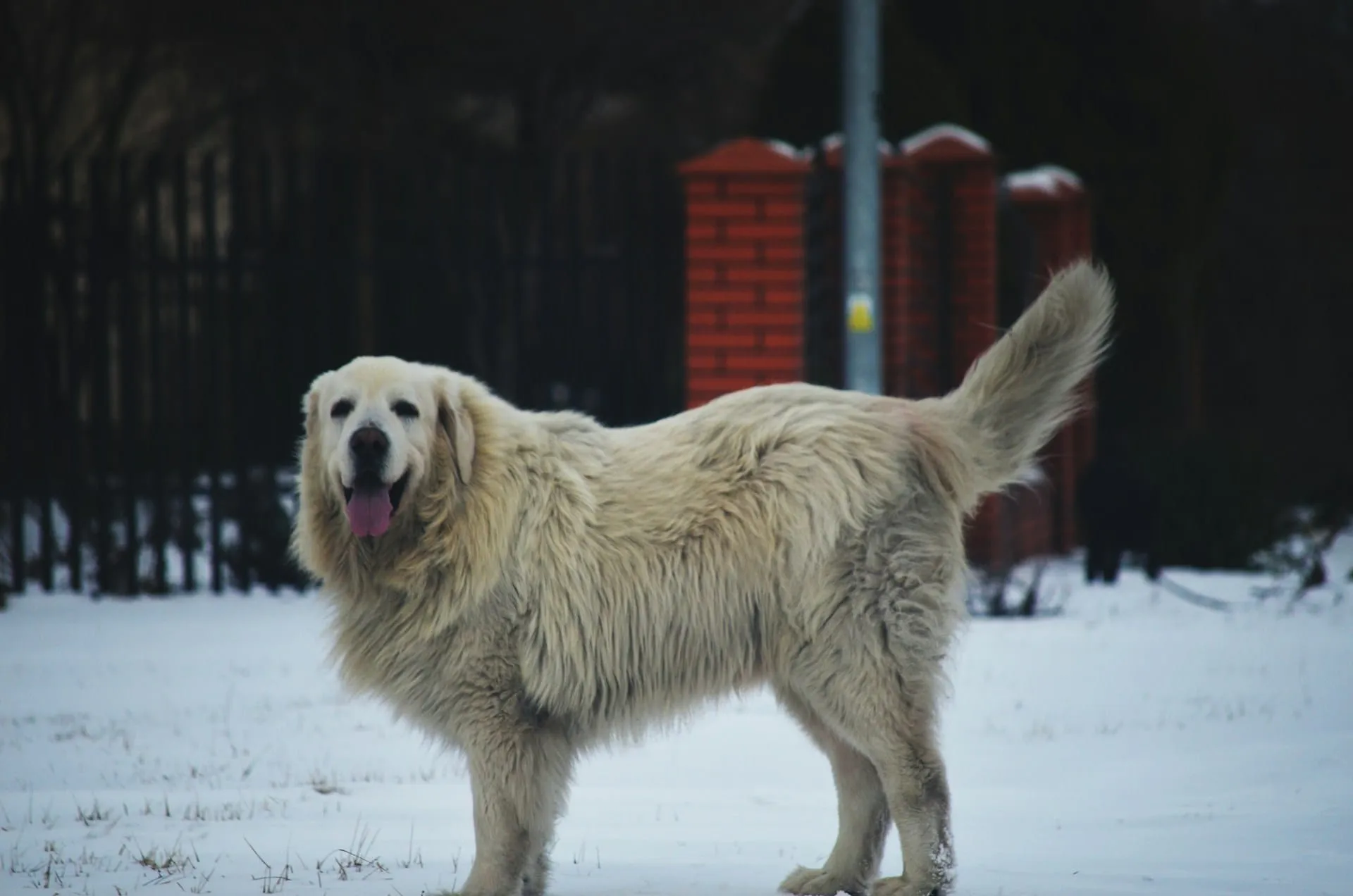
Watching your large senior dog struggle with everyday movements breaks our hearts at Love, Baxter. We understand the overwhelming emotions of seeing your once-energetic German Shepherd hesitate at the stairs or your beloved Golden Retriever avoiding their favorite walks. When Baxter began showing signs of aging, we learned firsthand how the right mobility aids for large senior dogs can transform both their comfort and quality of life.
The reality is that large breed dogs face unique mobility challenges as they age. Their size and weight stress joints already dealing with arthritis, hip dysplasia, or other age-related conditions. However, today’s senior dog mobility solutions have advanced tremendously, offering hope and genuine relief for both dogs and their families.
At Love, Baxter, we’ve researched and experienced the journey of supporting senior dogs through mobility challenges. This comprehensive guide covers the most effective mobility aids for large senior dogs, from wheelchairs that restore freedom to simple ramps that eliminate daily struggles. We aim to help you make informed decisions that honor your dog’s dignity while extending their golden years with joy and comfort.
The key to success with senior dog mobility aids lies in early recognition of needs and gradually introducing supportive equipment. Rather than waiting until mobility becomes severely limited, we encourage families to consider assistance when the first signs of struggle appear. This proactive approach maintains muscle strength, preserves confidence, and often prevents more serious complications down the road.
Table of Contents
- 1Recognizing When Your Large Senior Dog Needs Mobility Support
- 2Dog Wheelchairs: Restoring Freedom and Independence
- 3Mobility Slings: Targeted Support for Daily Activities
- 4Ramps and Steps: Eliminating Barriers for Large Senior Dogs
- 5Additional Senior Dog Mobility Solutions for Large Breeds
- 6Choosing the Right Senior Dog Mobility Solutions
- 7Introducing Mobility Aids Successfully
- 8Maintaining Quality of Life with Senior Dog Mobility Aids
- 9Frequently Asked Questions About Best Mobility Aids for Large Senior Dogs
Recognizing When Your Large Senior Dog Needs Mobility Support
Understanding when to introduce mobility aids for large senior dogs requires careful observation of subtle behavior and movement pattern changes. Large breed dogs often mask discomfort well, making it crucial for us as pet parents to recognize early warning signs before mobility becomes severely compromised.
Common indicators that signal the need for mobility support include:
- Reluctance to climb stairs or jump into vehicles
- Taking longer to rise from lying down, especially after sleep
- Shortened walks or early fatigue during exercise
- Hesitation before jumping onto furniture or into cars
- Stiffness that’s more pronounced in the morning or after rest
- Limping or favoring one leg, even intermittently
- Reduced enthusiasm for activities they once enjoyed
Large breed dogs like Labradors, German Shepherds, and Golden Retrievers are particularly susceptible to hip dysplasia and elbow arthritis. These conditions benefit tremendously from early intervention with senior dog mobility solutions. The weight and size of these breeds create additional stress on already compromised joints, making supportive aids essential rather than optional.
We’ve found that the most successful outcomes occur when families introduce mobility aids gradually and positively for large senior dogs. This approach allows dogs to maintain existing strength while receiving support where they need it most. Early intervention also preserves the psychological benefits of independence and continued participation in family activities.
Dog Wheelchairs: Restoring Freedom and Independence
Dog wheelchairs for large breeds represent one of the most transformative senior dog mobility aids available today. These remarkable devices can restore your dog’s ability to run, explore, and participate fully in family life, even when hind leg weakness significantly limits their natural movement.
Modern mobility aids for large senior dogs include sophisticated wheelchair designs that accommodate the unique needs of bigger dogs. Unlike smaller breeds, large dogs require reinforced frames, enhanced weight distribution, and careful attention to proportional sizing to ensure comfort and effectiveness.
Rear-support wheelchairs are the most commonly needed type for large senior dogs, particularly those dealing with degenerative myelopathy, severe hip dysplasia, or hind leg weakness. These senior dog mobility solutions support the back portion of your dog’s body while allowing full use of their front legs for propulsion and steering. We’ve seen remarkable transformations in dogs who regain their enthusiasm for outdoor adventures once properly fitted with rear-support wheelchairs.
Front-support wheelchairs address the less common but equally challenging situation of front leg mobility issues. Large breeds with elbow dysplasia or shoulder injuries often benefit from these specialized mobility aids for large senior dogs that support the front portion while allowing normal hind leg function.
Full-support wheelchairs provide comprehensive assistance for dogs with mobility challenges affecting all four legs. While these represent the most extensive senior dog mobility aids, they can be life-changing for dogs with widespread neurological or orthopedic conditions.
Proper fitting and gradual introduction are key to success with dog wheelchairs for large breeds. We recommend working with veterinary rehabilitation specialists who understand the unique requirements of larger dogs and can ensure optimal comfort and function.
Mobility Slings: Targeted Support for Daily Activities
Mobility slings for large dogs offer an excellent intermediate solution between complete independence and wheelchair dependence. These versatile senior dog mobility aids provide targeted assistance while allowing your dog to maintain much of their natural movement and muscle engagement.
Front-end support slings are particularly valuable for large breeds dealing with elbow arthritis or shoulder problems. These mobility aids for large senior dogs reduce weight-bearing stress on painful front joints while maintaining your dog’s ability to walk and navigate independently. The key features to look for include padded chest pieces that distribute weight evenly and adjustable straps for proper fit.
Rear-end support slings are among the most popular senior dog mobility solutions for large breeds with hip dysplasia, arthritis, or general hind leg weakness. These slings support the hindquarters and pelvis, allowing dogs to use their front legs while receiving assistance with their back end during walks, stair navigation, or vehicle entry.
We particularly appreciate how mobility slings for large dogs work well for transitional periods when your dog needs occasional assistance but isn’t ready for more comprehensive mobility aids. They’re also excellent for specific situations like navigating stairs or getting into cars, even when your dog moves well on level surfaces.
The effectiveness of these senior dog mobility aids depends heavily on proper fit and consistent use. Quality slings feature wide, padded straps that won’t cut into sensitive areas and handles positioned for optimal leverage and control.
Ramps and Steps: Eliminating Barriers for Large Senior Dogs
Dog ramps for large breeds address one of the most common challenges facing senior dogs: the need to jump up or down from heights that create joint stress and potential injury. These essential mobility aids transform previously difficult obstacles into manageable pathways.
Vehicle ramps often represent the first senior dog mobility solutions that families purchase and for excellent reasons. Helping an 80-pound Labrador into an SUV becomes increasingly challenging for both dog and owner as aging progresses. Quality vehicle ramps feature non-slip surfaces, fold for convenient storage, and support significant weight while maintaining gentle inclines that reduce joint stress.
We’ve found that dog ramps for large breeds work best when the incline remains gradual enough to accommodate your dog’s comfort level. Steeper isn’t necessarily better, especially for dogs with significant mobility challenges or those just beginning to adapt to mobility aids.
Indoor ramps serve multiple purposes throughout your home, making favorite spots accessible without the jarring impact of jumping. Furniture ramps allow your senior dog to continue sleeping on beds or couches, while longer ramps can replace steps leading to decks or patios. These mobility aids for large senior dogs often prevent more serious injuries that could result from missed jumps or awkward landings.
Outdoor ramps require weather-resistant construction and excellent traction in wet conditions. Some families install permanent ramps to replace steps, while others prefer portable options that can be repositioned as needed. The key is ensuring these senior dog mobility solutions provide stable, secure footing in all weather conditions.
Additional Senior Dog Mobility Solutions for Large Breeds
Beyond the primary categories of wheelchairs, slings, and ramps, several other mobility aids for large senior dogs can significantly enhance comfort and function. These supplementary senior dog mobility solutions often work synergistically with major mobility aids to provide comprehensive support.
Orthopedic beds and supportive bedding provide crucial joint support during rest periods when healing and comfort are most important. Large senior dogs spend considerable time lying down, making proper support essential for maintaining joint health and reducing morning stiffness.
Toe grips and traction aids improve stability on smooth floors, reducing the fear of slipping that often limits senior dogs’ willingness to move confidently. Many large dogs become hesitant to walk on hardwood or tile floors as their grip strength diminishes, making these simple senior dog mobility aids surprisingly effective.
Harnesses designed for mobility assistance offer better control and support than traditional collars. This is particularly important for large breeds where leverage and support matter significantly. Look for harnesses with lifting handles and padding that distribute pressure evenly across your dog’s chest and back.
Heated therapy pads and joint supplements complement physical mobility aids by addressing underlying pain and inflammation. While not mobility devices themselves, these supportive treatments often improve the effectiveness of wheelchairs, slings, and ramps by reducing discomfort that might otherwise limit your dog’s willingness to move.
Choosing the Right Senior Dog Mobility Solutions
Selecting appropriate mobility aids for large senior dogs requires careful consideration of your dog’s specific condition, progression rate, and personality. The most effective senior dog mobility solutions match your dog’s current needs while accommodating potential changes over time.
Assessment factors include:
- Degree of mobility limitation and affected areas
- Your dog’s weight and size requirements
- Indoor versus outdoor usage needs
- Progressive conditions that may worsen over time
- Your dog’s temperament and adaptability
- Budget considerations for quality equipment
We recommend starting with less invasive senior dog mobility aids like ramps and progressing to more comprehensive solutions as needed. This gradual approach allows your dog to adapt comfortably while maintaining as much independence as possible.
Professional guidance from veterinary rehabilitation specialists can be invaluable, particularly for large breeds where proper fit and function are crucial for safety and effectiveness. Many specialists offer trial periods or fitting services that ensure optimal results.
Introducing Mobility Aids Successfully
The success of mobility aids for large senior dogs depends heavily on proper introduction and consistent positive reinforcement. Large breeds often require more time to adapt due to their size and the mechanical aspects of operating mobility equipment designed for their weight and proportions.
Successful introduction strategies include:
- Start with short, positive sessions in familiar environments
- Use high-value treats and enthusiastic praise during the adaptation
- Allow your dog to investigate new equipment before fitting
- Practice fitting procedures when your dog is relaxed and comfortable
- Gradually increase session length as comfort develops
- Maintain patience and consistency throughout the process
We’ve observed that most large senior dogs adapt well to senior dog mobility solutions when the process remains positive and gradual. Dogs quickly learn to associate their mobility aids with restored freedom and enjoyable activities, creating positive reinforcement cycles that encourage acceptance.
For families dealing with initial resistance, remember that some dogs need additional time to trust new equipment, particularly if they’re experiencing pain or anxiety about movement. Working with professionals experienced in mobility aids for large senior dogs can provide valuable guidance during challenging adaptation periods.
Maintaining Quality of Life with Senior Dog Mobility Aids
The ultimate goal of mobility aids for large senior dogs extends beyond simple physical support to encompass emotional wellbeing, continued social interaction, and preservation of the human-animal bond that defines our relationships with our beloved companions.
Through our experience with Baxter and countless conversations with other families, we’ve learned that the right senior dog mobility solutions can dramatically extend the quality time you share together. Dogs who might otherwise become sedentary and withdrawn often regain enthusiasm for walks, playtime, and family activities when proper support eliminates pain and restores confidence.
Long-term considerations for mobility aid success include:
- Regular equipment maintenance and adjustments as your dog’s condition evolves
- Continued veterinary monitoring to address underlying conditions
- Adaptation of home environment to maximize accessibility
- Ongoing physical therapy or rehabilitation exercises as appropriate
- Emotional support for both dog and family during transition periods
The journey of caring for a large senior dog with mobility challenges isn’t always easy, but it’s filled with opportunities to demonstrate love through thoughtful adaptation and unwavering support. At Love, Baxter, we believe that dogs deserve to maintain dignity, comfort, and joy throughout their golden years.
Remember that you’re never alone in this journey. The community of families navigating similar challenges offers tremendous support, and professional resources continue to expand as awareness of senior dog mobility needs grows. Your large senior dog’s tail may wag a little differently than before, but with the right mobility aids, it can continue wagging with genuine happiness and contentment.
Every moment of comfort we provide, every adaptation that restores joy, and every day we extend their quality of life, it becomes a precious gift that honors the unconditional love our dogs have given us throughout their lives.
Frequently Asked Questions About Best Mobility Aids for Large Senior Dogs
How do I recognize when my large senior dog needs mobility support, and what are the early warning signs?
Large breed dogs often mask discomfort well, making it crucial to recognize subtle changes in behavior and movement patterns before mobility becomes severely compromised. Common indicators include reluctance to climb stairs or jump into vehicles, taking longer to rise from lying down (especially after sleep), shortened walks or early fatigue during exercise, hesitation before jumping onto furniture or into cars, stiffness more pronounced in the morning or after rest, limping or favoring one leg even intermittently, and reduced enthusiasm for previously enjoyed activities. Large breeds like Labradors, German Shepherds, and Golden Retrievers are particularly susceptible to hip dysplasia and elbow arthritis, conditions that benefit tremendously from early intervention with mobility aids. The weight and size of these breeds create additional stress on already compromised joints, making supportive aids essential rather than optional. The most successful outcomes occur when families introduce mobility aids gradually and positively. This approach allows dogs to maintain existing strength while receiving support where needed most. Early intervention preserves the psychological benefits of independence and continued participation in family activities, preventing more serious complications down the road. Rather than waiting until mobility becomes severely limited, consider assistance when the first signs of struggle appear to maintain muscle strength and preserve confidence.
What are the main types of mobility aids available for large senior dogs, and how do they work?
Dog wheelchairs represent one of the most transformative mobility aids, with rear-support wheelchairs being most commonly needed for large senior dogs dealing with degenerative myelopathy, severe hip dysplasia, or hind leg weakness. These devices support the back portion while allowing full front leg use for propulsion and steering. Front-support wheelchairs address less common front leg mobility issues, while full-support wheelchairs provide comprehensive assistance for dogs with widespread mobility challenges. Mobility slings offer intermediate solutions between independence and wheelchair dependence: front-end support slings help with elbow arthritis or shoulder problems, while rear-end support slings assist with hip dysplasia or hind leg weakness. Dog ramps eliminate barriers by transforming difficult obstacles into manageable pathways. Vehicle ramps are often the first purchase for families, helping large dogs into SUVs, while indoor/outdoor ramps make favorite spots accessible without the impact of jumping. Additional aids include orthopedic beds providing crucial joint support during rest, toe grips improving stability on smooth floors, mobility-assistance harnesses offering better control than traditional collars, and heated therapy pads complementing physical aids by addressing underlying pain. The key to success lies in proper fitting and gradual introduction, often working with veterinary rehabilitation specialists who understand the unique requirements of larger dogs.
How do I choose the right mobility aid for my large senior dog’s specific needs?
Selecting appropriate mobility aids requires careful consideration of your dog’s specific condition, progression rate, and personality, with the most effective solutions matching current needs while accommodating potential changes over time. Assessment factors include degree of mobility limitation and affected areas, your dog’s weight and size requirements, indoor versus outdoor usage needs, progressive conditions that may worsen, your dog’s temperament and adaptability, and budget considerations for quality equipment. Start with less invasive aids like ramps and progress to more comprehensive solutions as needed. This gradual approach allows comfortable adaptation while maintaining maximum independence. Professional guidance from veterinary rehabilitation specialists can be invaluable, particularly for large breeds where proper fit and function are crucial for safety and effectiveness, with many offering trial periods or fitting services ensuring optimal results. Consider your dog’s specific conditions: rear-support wheelchairs work well for hip dysplasia or hind leg weakness, mobility slings provide targeted assistance for specific activities like stairs or car entry, ramps address jumping challenges without joint stress, and supplementary aids like orthopedic bedding and traction devices complement primary mobility solutions. Quality equipment designed specifically for large breeds ensures durability, proper weight distribution, and comfort necessary for successful long-term use.
How can I successfully introduce mobility aids to my large senior dog and maintain their quality of life?
Successful introduction depends on proper technique and consistent positive reinforcement, with large breeds often requiring more adaptation time due to their size and the mechanical aspects of equipment designed for their weight. Begin with short, positive sessions in familiar environments, using high-value treats and enthusiastic praise. Allow your dog to explore new equipment before fitting, practice fitting procedures when your dog is relaxed, and gradually increase session length as comfort develops. Maintain patience and consistency throughout the process. Most large senior dogs adapt well when the process remains positive and gradual. Dogs quickly learn to associate mobility aids with restored freedom and enjoyable activities, creating positive reinforcement cycles encouraging acceptance. The ultimate goal extends beyond physical support to encompass emotional wellbeing, continued social interaction, and preservation of the human-animal bond. Long-term considerations include regular equipment maintenance and adjustments as your dog’s condition evolves, continued veterinary monitoring to address underlying conditions, home environment adaptation to maximize accessibility, ongoing physical therapy or rehabilitation exercises as appropriate, and emotional support for both dog and family during transition periods. Remember that the right mobility aids can dramatically extend quality time shared together, with dogs who might otherwise become sedentary often regaining enthusiasm for walks, playtime, and family activities when proper support eliminates pain and restores confidence.
On this topic