







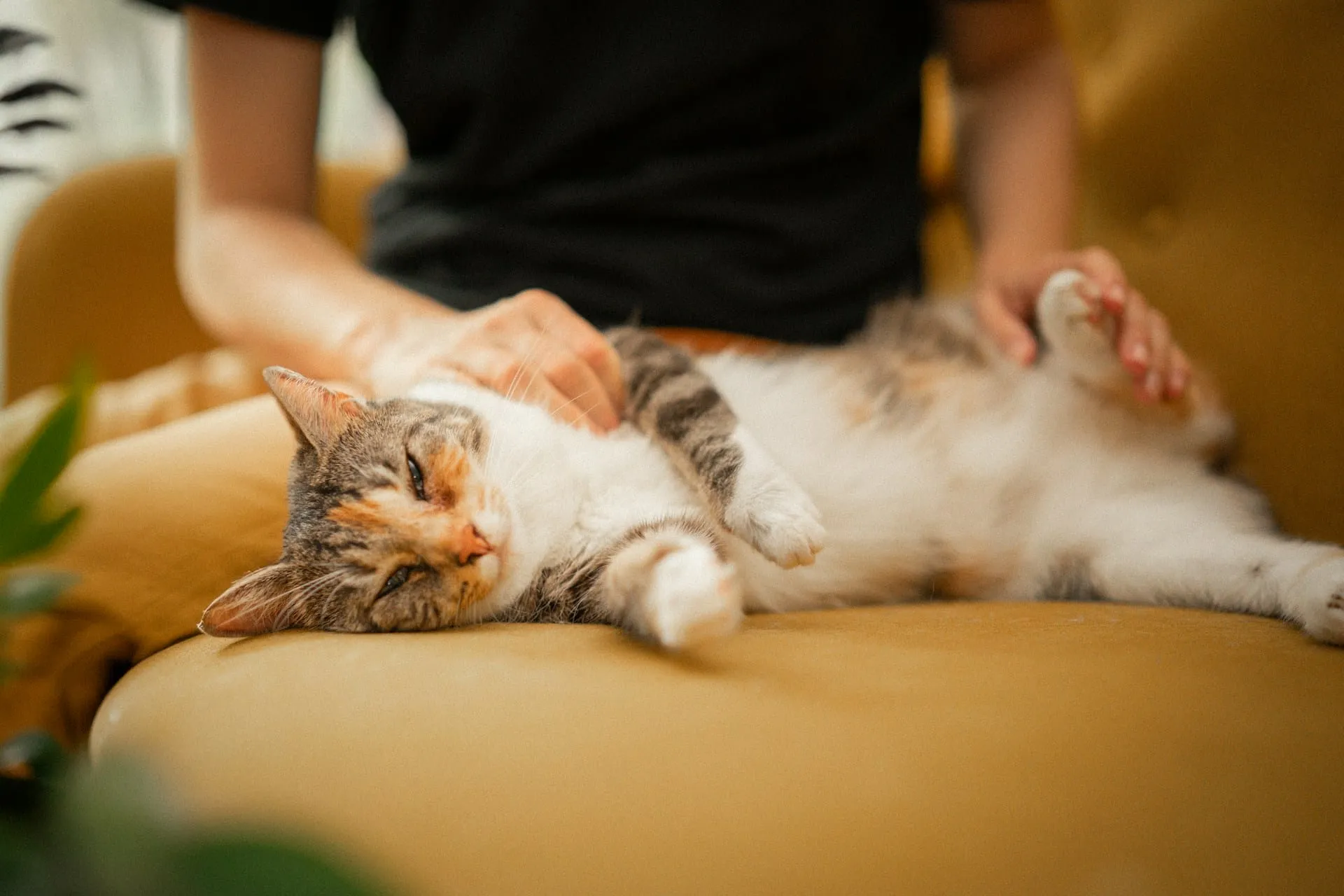
If you’ve watched your pet struggle with anxiety, age, or illness, you’ve probably gone looking for anything gentle that might ease them, and somewhere in that search you likely ran into Reiki. People describe it in glowing, almost miraculous terms, which can make it hard to tell what’s real. So let’s be straight from the start. Animal Reiki for pets isn’t a cure, and we won’t pretend it is. What it can be is a calm, safe, quiet practice that helps an anxious or hurting animal relax and has real value of its own.
We care too much about you and your pet to sell you magic. This guide gives you the honest version: what Reiki actually is, what the science does and doesn’t show, where it can genuinely help, and the one firm rule that keeps it safe: it belongs beside real veterinary care, never instead of it. If you’re drawn to gentle comfort practices in general, our piece on finding comfort in the stars after pet loss comes from the same honest place.
Key Takeaways
- Reiki is a gentle, hands-on or hands-near relaxation practice. It isn’t a medical treatment and won’t cure disease.
- The science is thin. There’s no proof it treats any condition, but the better studies do point to real relaxation and less anxiety.
- It’s considered safe, which is a big part of why it can be a nice addition for an anxious, senior, or recovering pet.
- The one hard rule: Reiki is a complement to veterinary care, never a substitute. Don’t let it delay real treatment.
- Much of the benefit is simply calm, unhurried, loving attention, and you can offer that at home for free.
Table of Contents
- 1What Animal Reiki for Pets Actually Is
- 2What the Science Really Says
- 3Why It Can Still Help Your Pet, and You
- 4Inside a Real Reiki Session for Your Pet
- 5Gentle, Reiki-Style Calm at Home
- 6Which Pets It Tends to Suit
- 7A Complement to Vet Care, Never a Replacement
- 8Finding a Practitioner Without Getting Taken
- 9A Gentle Practice, Held Honestly
- 10Frequently Asked Questions
What Animal Reiki for Pets Actually Is
Animal Reiki for pets is a hands-on or hands-near relaxation practice adapted from a Japanese technique, where a practitioner rests their hands lightly on or just above your animal in a calm, quiet setting. The idea is to soothe, not treat, and it involves no needles, force, or restraint.
The Idea Behind Animal Reiki for Pets
The National Center for Complementary and Integrative Health, part of the NIH, describes Reiki as a complementary approach in which practitioners place their hands lightly on or just above someone to help facilitate the person’s own healing response. Practitioners believe they’re guiding a subtle energy, and honestly, the science doesn’t back the existence of that energy field. That doesn’t automatically make the experience worthless, though. Strip away the theory and what’s left is a still, gentle, unhurried session with a calm human, which is something most anxious or unwell animals respond well to on its own terms.
What the Science Really Says
Here’s where we part ways with the breathless claims you’ll see elsewhere. Reiki has been studied, mostly in people rather than pets, and the honest summary is that the evidence is limited and mixed, with a genuine bright spot around relaxation.
The NIH’s review is blunt: Reiki hasn’t been clearly shown to be effective for any health-related purpose, and most of the research hasn’t been high quality. So anyone promising that Reiki will shrink a tumor or fix a failing organ is selling you something. That said, the picture isn’t all empty. A University of Minnesota review notes that the stronger studies support Reiki’s ability to reduce anxiety and pain and to help induce relaxation, even while the field stays early and the studies stay small. Read together, that’s the truthful takeaway: not a treatment for disease, but a plausible way to help a stressed body settle.
Why It Can Still Help Your Pet, and You
You don’t have to believe in energy fields for a Reiki session to do some good, because most of what makes it helpful isn’t mysterious at all. It comes down to calm, and calm is genuinely powerful for a frightened, aging, or aching animal carrying more stress than their body can easily hold.
Think about what a session actually delivers: a quiet room, dimmed noise, slow movements, and a person offering nothing but patient, gentle attention for twenty or thirty minutes. That’s a near-perfect recipe for lowering stress, and a less stressed animal often rests better, eats a little easier, and carries less tension in a sore body. The bond in the room matters too, for both of you. Sitting in that stillness with your pet can steady your own nerves in a hard season, which is worth more than it sounds. If you find that gentle rituals help you cope, our reflection on the Rainbow Bridge and finding comfort lives in the same tender territory.
Inside a Real Reiki Session for Your Pet
A professional session is quieter and far less dramatic than the words energy healing might lead you to picture, and that plainness is exactly the point. Knowing what a good session actually looks like helps you tell a grounded, animal-led practitioner apart from a theatrical one who’s mostly selling atmosphere.
Most sessions happen in a quiet space where your pet can move around rather than being held in place. The practitioner settles in, often starting a few feet away, and either rests their hands gently on your animal or holds them just above the body, following the pet’s lead on how much contact feels okay. Good practitioners let a nervous animal approach and retreat as it likes, keep the mood unhurried, and read your pet’s body language the whole time. A session usually runs twenty to forty minutes, and many animals drift toward sleep. If your pet stays tense or wants no part of it, a good practitioner stops, because forcing it would undo the entire purpose.
Gentle, Reiki-Style Calm at Home
You don’t need a certificate or a belief system to give your pet the calm part of Reiki, which is arguably the part that matters most. The home version is simply intentional, unhurried, gentle presence, and it costs nothing.
Pick a quiet moment and a soft spot, put your phone away, and slow your own breathing down first, since animals borrow our tension. Rest a hand lightly on your pet if they enjoy touch, or sit close if they don’t, and let the moment be slow and undemanding with no agenda beyond being near them. A few unhurried minutes like this, especially at the same time each day, can become a small ritual that steadies both of you. Caring for a sick or aging animal is depleting, and tending to your own frayed nerves is part of the job. Our guide to caring for yourself through a hard season can help you refill your own tank, so you have more calm and patience left to give the pet who’s leaning on you.
Which Pets It Tends to Suit
Reiki isn’t aimed at any one diagnosis, because it isn’t treating a diagnosis at all. It tends to suit animals carrying a lot of stress in their bodies, and a few common situations fit this quiet, undemanding kind of attention especially well and do the most good.
Anxious pets, like a trembling rescue adjusting to a new home or a dog who unravels during thunderstorms, often settle with calm, predictable attention. Senior animals stiff with age can enjoy quiet company and gentle touch, even as their bodies slow. And for pets in the final chapter, Reiki can be a soft, loving way to be present without asking anything of them. If you’re walking that last stretch, our guides to the signs a senior dog is nearing the end and to coping with anticipatory grief can walk beside you and help you make sense of what these last weeks may hold.
A Complement to Vet Care, Never a Replacement
This is the one part of this guide we’d underline twice. Reiki can sit alongside your pet’s medical care, but it must never replace it, and any practitioner who suggests otherwise is one to walk away from.
The American Veterinary Medical Association is clear that complementary and integrative approaches should meet the same standards as the rest of veterinary medicine, which means they support real care rather than replacing diagnosis and treatment. So if your pet has a lump, a limp, a cough, or a change in eating, drinking, or breathing, that’s a veterinarian’s job first. Use Reiki for what it honestly offers: comfort and calm, and let your vet handle the medicine. The two work best hand in hand, with the medical care doing the treating and the Reiki helping your pet feel a little more at ease through it.
Finding a Practitioner Without Getting Taken
Because animal Reiki isn’t licensed or regulated, quality varies wildly, and the field attracts some overblown promises. A little skepticism protects both your pet and your wallet.
The clearest red flag is anyone who claims Reiki can cure a disease, replace medication, or make surgery unnecessary. Look for practitioners who talk about relaxation and comfort, work alongside your veterinarian, and describe letting your pet opt in and out rather than restraining them. Ask about their training, ask how they handle an animal that says no, and trust your read on whether they seem grounded or grandiose. A good practitioner will never pressure you or bad-mouth your vet, and they’ll be the first to tell you that Reiki is a comfort measure, not a cure.
A Gentle Practice, Held Honestly
Animal Reiki for pets sits in an honest middle ground. It won’t heal what ails your companion, and no one who cares about you should tell you it will. What it can offer is calm, safe, gentle presence, and for an anxious, aging, or fragile animal, that comfort is a real and worthy thing.
So if a quiet, hands-near ritual helps your pet settle and helps you feel close to them, that’s reason enough, as long as it rides alongside good veterinary care rather than standing in for it. Keep the vet in charge of the healing, and let Reiki be what it truly is, a small act of calm love. However this season unfolds, our wider hub on pet loss is here whenever you need somewhere to turn.
Frequently Asked Questions
Does animal Reiki actually work?
It depends entirely on what you mean by work. As a medical treatment, no. Federal health reviewers have found no solid proof that Reiki treats any condition, and no scientific evidence for the energy field it’s said to move. As a relaxation practice, the picture is friendlier, because the stronger studies suggest it can ease anxiety and coax a body toward a calmer state. So it won’t cure your pet’s illness, but it may genuinely help a stressed or hurting animal feel more settled. Treat it as comfort care, not medicine, and your expectations will be right.
Is Reiki safe for dogs and cats?
Yes, in itself it’s considered very safe, since it involves nothing more than a calm person resting their hands lightly on or near your pet in a quiet space. There are no drugs, needles, or force involved, and the NIH notes that Reiki hasn’t been shown to cause harm. The only real danger is indirect: relying on Reiki instead of veterinary care for a pet who actually needs medical treatment. Used as a comfort practice alongside your vet’s care, it carries essentially no risk. A good practitioner will also let your pet move away at any point, so the session never becomes stressful.
Can Reiki replace my pet’s medication or vet visits?
No, absolutely not, and this is the most important thing to understand. Reiki complements veterinary medicine, never replaces it. The American Veterinary Medical Association expects complementary therapies to meet the same bar it sets for other veterinary care, so they’re meant to support real treatment, not replace it. If your pet is sick, injured, or showing new symptoms, a veterinarian needs to lead. Any Reiki practitioner who tells you to stop a medication or skip the vet is giving dangerous advice, and that’s your cue to leave. Let the medicine do the healing and let Reiki help your pet relax.
What happens during an animal Reiki session?
A session is quiet and low-key by design. It usually happens in a calm room where your animal can wander freely rather than being restrained. The practitioner settles in, often beginning a few feet away, then works with a light touch or with hands hovering just over the body, always taking cues from how your animal responds. Sessions generally last twenty to forty minutes, and many pets relax deeply or even drift off to sleep. If your pet stays anxious or clearly wants no part of it, a thoughtful practitioner will stop, because a forced session defeats the entire purpose of the practice.
Can I do Reiki on my own pet at home?
You can absolutely offer your pet the calming heart of it without any training or certification. Choose a quiet moment, silence your phone, and slow your own breathing, since pets tend to mirror our tension. Rest a hand lightly on them if they like touch, or sit close by if they don’t, and let a few unhurried minutes pass with no goal beyond being present together. Doing this at the same time each day can turn it into a small, steadying ritual for both of you. Whether or not you believe in energy, the calm, focused attention is real, and that’s what helps.
On this topic