







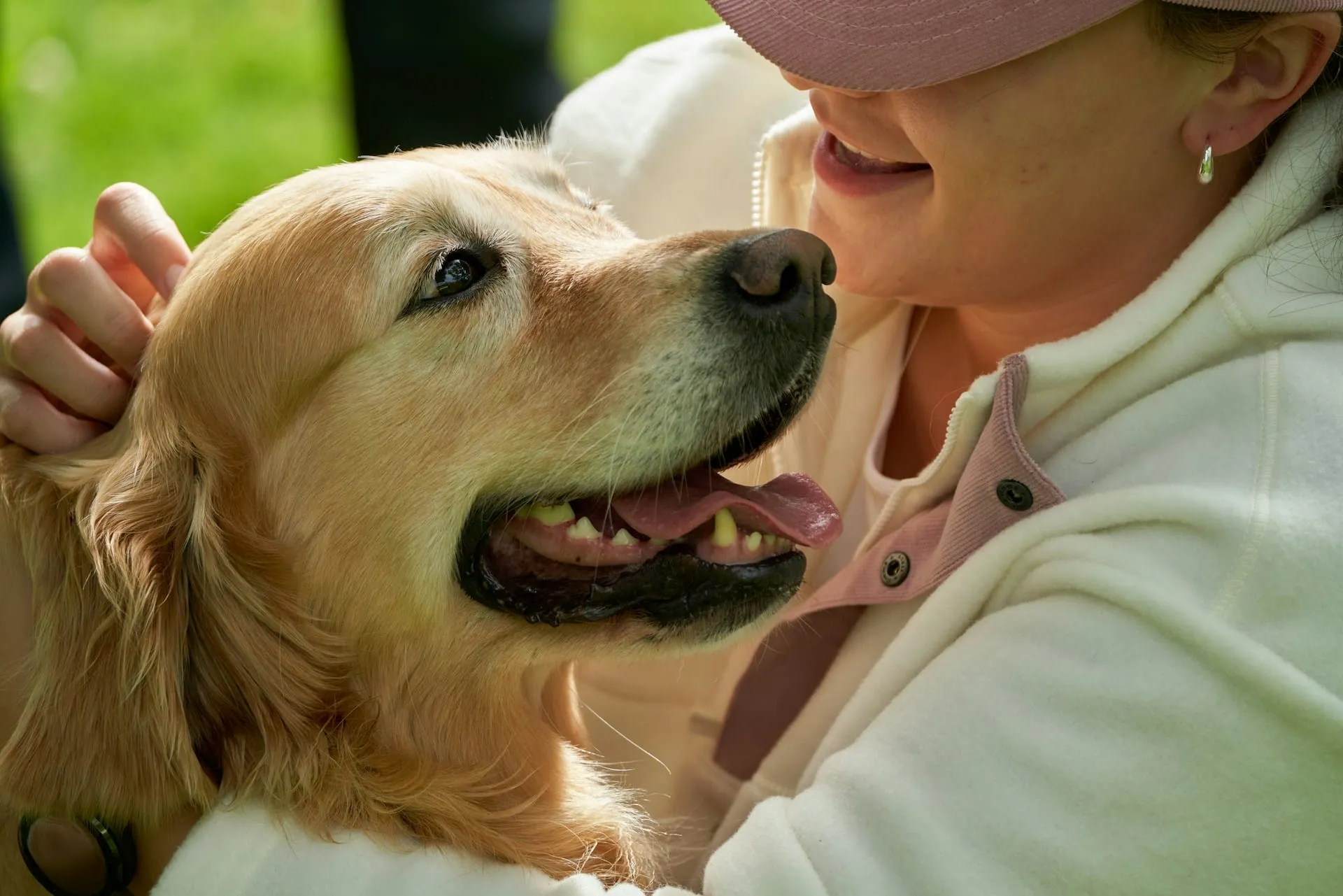
The sleepless nights. The constant checking to make sure they’re still breathing. The way your heart drops every time they seem a little more tired than usual. Suppose you’re caring for a senior pet or one facing a terminal diagnosis. In that case, you know this feeling intimately: that heavy, persistent ache that settles in your chest long before you have to say goodbye.
This is anticipatory grief, and if you’re experiencing it, you’re not alone. More importantly, you don’t have to navigate this painful journey without support. At Love, Baxter, we understand that anticipatory grief is real, and we’ve seen firsthand how the proper support can transform an isolating experience into one of healing and connection.
Table of Contents
- 1Understanding Anticipatory Pet Grief
- 2Professional Support Options for Anticipatory Pet Grief
- 3Online Communities and Support Groups
- 4Self-Care Strategies During Anticipatory Grief
- 5Supporting Your Pet Through Their Journey
- 6When to Seek Professional Help for Anticipatory Grief
- 7Building Your Support Network
- 8Finding Hope Amid Anticipatory Grief
- 9You Don’t Have to Face Anticipatory Pet Grief Alone
- 10Frequently Asked Questions about Support for Anticipatory Pet Grief
Understanding Anticipatory Pet Grief
Anticipatory grief is the mourning process that begins before an actual loss occurs. When your beloved companion is aging, ill, or facing end-of-life decisions, you may find yourself grieving not just their current condition but the inevitable goodbye that lies ahead.
This type of grief is incredibly common among pet parents, yet it’s rarely discussed openly. You might feel guilty for mourning a pet who’s still alive, or worry that you’re somehow “giving up” on them by acknowledging their mortality. These feelings are completely normal and valid.
What anticipatory pet grief might look like:
- Persistent sadness or anxiety about your pet’s future that affects your daily functioning
- Difficulty sleeping or concentrating as worry consumes your thoughts
- Feeling emotionally drained from constant vigilance about your pet’s condition
- Guilt about enjoying moments with your pet while knowing they’re declining
- Fear about making end-of-life decisions that feel overwhelming and permanent
- Overwhelming thoughts about life without your beloved companion
Why Pet Loss Grief Is So Profound
The bond we share with our pets is pure, unconditional, and deeply personal. They’re our daily companions, our comfort, our family. They greet us at the door, sleep beside us, and offer unwavering loyalty through life’s ups and downs.
When facing their loss, whether imminent or anticipated, the grief can be as profound as losing a human loved one. Yet many pet parents are made to feel like they should “move on” or that their grief isn’t legitimate. This societal misunderstanding of pet loss can leave you feeling isolated and unsupported during one of life’s most difficult experiences.
Professional Support Options for Anticipatory Pet Grief
Pet Loss Counselors and Therapists
Many mental health professionals specialize in pet loss and anticipatory grief. These counselors understand the unique aspects of the human-animal bond and provide essential support during this difficult time.
What pet loss counselors offer:
- Individual therapy sessions focused specifically on pet loss and anticipatory grief
- Coping strategies for managing anxiety and depression related to your pet’s condition
- Guidance on end-of-life decision-making without judgment or pressure
- Support for the entire family, including children who may be struggling with anticipatory grief
To find a qualified pet loss counselor, search for professionals certified by organizations like the Association for Pet Loss and Bereavement or ask your veterinarian for referrals in your area.
Veterinary Social Workers
Some veterinary practices employ social workers who specialize in helping families navigate difficult medical decisions and anticipatory grief. These professionals bridge the gap between medical care and emotional support.
How veterinary social workers help:
- Explain your pet’s condition and prognosis in understandable terms
- Facilitate family discussions about care decisions and treatment options
- Provide emotional support during veterinary visits and difficult conversations
- Connect you with additional resources in your community for ongoing support
Love, Baxter’s Anticipatory Grief Support
At Love, Baxter, we understand that anticipatory grief is real, and we’ve created specialized support for pet parents facing this difficult journey. Our Anticipatory Grief Support for Pet Parents program offers compassionate guidance before the goodbye.
What makes our support different:
- Expert-Led Support: Our offerings are guided by compassionate professionals explicitly trained in pet loss and grief counseling
- Flexible Support Options: Whether you prefer one-on-one sessions, group support, or self-paced resources, we offer support that fits your needs and schedule
- Community That Gets It: Our online space connects you with people who genuinely understand what you’re going through, no need to explain or justify your pain
- Gentle, Ongoing Guidance: From weekly emails to deep-dive workshops, we help you make sense of your grief, one small step at a time
Online Communities and Support Groups
Virtual Pet Loss Support Groups
Many organizations offer online support groups specifically for anticipatory grief. These groups provide structured support with professional guidance and peer connection.
Benefits of virtual support groups:
- Regular meetings with others in similar situations who understand your experience
- Moderated discussions led by grief professionals who can guide conversations constructively
- Safe spaces to share fears and concerns without judgment from those who understand
- 24/7 online forums for immediate support when grief feels overwhelming
Social Media Communities and Forums
Facebook groups, Reddit communities, and other social platforms host active pet loss support communities where you can connect with others experiencing anticipatory grief.
What these communities offer:
- Real-time support from people who understand exactly what you’re going through
- Practical advice for daily caregiving challenges and difficult decisions
- Encouragement from others who’ve walked this path and found healing
- Safe spaces to share updates about your pet’s condition without explanation
Self-Care Strategies During Anticipatory Grief
Mindfulness and Present-Moment Awareness
Anticipatory grief often involves racing thoughts about the future. Mindfulness practices can help you stay grounded in the present moment with your pet.
Simple mindfulness exercises for anticipatory grief:
- Spend five minutes each day just watching your pet breathe and being present with them
- Practice gratitude by listing three things you love about your pet each morning
- Use guided meditation apps explicitly designed for grief support and anxiety
- Try gentle yoga or stretching while your pet rests nearby, creating calm energy
Journaling and Memory Keeping
Writing can be a powerful tool for processing anticipatory grief and preserving precious memories.
Effective journaling approaches:
- Keep a daily journal of your pet’s good and challenging days to track patterns
- Write letters to your pet expressing your love, fears, and hopes for their comfort
- Create lists of favorite memories to revisit during challenging moments
- Document your pet’s personality quirks and behaviors while they’re still with you
Physical Self-Care During Grief
Grief takes a significant physical toll, so prioritizing your health becomes crucial during this time.
Essential self-care practices:
- Maintain regular sleep schedules despite worry and anxiety about your pet
- Eat nutritious meals even when your appetite is low due to stress and grief
- Engage in gentle exercise like walking, which your pet might still enjoy too
- Stay hydrated and limit alcohol consumption, which can worsen depression
Supporting Your Pet Through Their Journey
Quality Time Activities
Focus on activities your pet can still enjoy comfortably, adapting to their current physical limitations.
Meaningful activities for senior or ill pets:
- Gentle grooming sessions, if they find them comforting and relaxing
- Short, easy walks in favorite locations at your pet’s pace
- Quiet time together watching the sunset, or simply being present
- Offering favorite treats (veterinarian-approved) that still bring them joy
- Simply sitting together and offering physical comfort through gentle touch
Creating Meaningful Memories
Consider ways to honor your relationship while you still can, creating lasting mementos of your time together.
Memory-making ideas:
- Take photos and videos of everyday moments, not just special occasions
- Make paw print impressions in clay or ink for permanent keepsakes
- Record your pet’s unique sounds like purring, barking, or specific vocalizations
- Create a scrapbook of your favorite adventures and quiet moments together
- Write down funny stories and personality traits that make your pet unique
When to Seek Professional Help for Anticipatory Grief
While anticipatory grief is normal, certain signs indicate you might benefit from professional support beyond self-care strategies.
Red flags that warrant professional help:
- Persistent inability to function in daily life, work, or relationships
- Thoughts of self-harm or not wanting to continue living
- Complete withdrawal from friends, family, or activities you once enjoyed
- Severe depression or anxiety that interferes with basic functioning
- Substance abuse as a coping mechanism for emotional pain
Building Your Support Network
Communicating with Family and Friends
Help your loved ones understand what you’re going through so they can provide meaningful support.
Effective communication strategies:
- Explain that anticipatory grief is a real and valid experience, not a dramatic overreaction
- Share specific ways they can support you, such as checking in or helping with daily tasks
- Let them know it’s okay to ask about your pet’s condition and your emotional state
- Ask for practical help with daily tasks when grief feels overwhelming
Involving Children in the Process
If you have children, age-appropriate conversations about anticipatory grief can help them process their own emotions.
Supporting children through anticipatory pet grief:
- Explain why you might seem sad or worried, normalizing these emotions
- Prepare them emotionally for the eventual loss with honest, gentle conversations
- Include them in caring for the pet in meaningful, age-appropriate ways
- Help them process their own anticipatory grief with patience and understanding
Finding Hope Amid Anticipatory Grief
Anticipatory grief doesn’t mean you’ve given up hope or stopped fighting for your pet. Instead, it’s a natural response to loving someone so deeply that the thought of losing them feels unbearable.
Remember that feeling, this grief means you’ve experienced something beautiful: an unconditional love that has enriched your life immeasurably. While the pain of anticipatory grief is real and complex, it’s also a testament to the profound bond you share with your companion.
Sarah, a Love, Baxter community member, shared her experience: “When my 14-year-old golden retriever Max was diagnosed with cancer, I thought I was going crazy with worry. Finding other pet parents who understood anticipatory grief helped me realize I wasn’t alone. The support helped me focus on making Max’s remaining time as comfortable and loving as possible.”
You Don’t Have to Face Anticipatory Pet Grief Alone
Anticipatory grief is a journey that no pet parent should have to walk alone. Whether you find support through professional counseling, online communities, or comprehensive programs like those we offer at Love, Baxter, the most crucial step is reaching out.
Your grief is valid. Your love is profound. And your journey toward healing, both now and in the future, deserves compassionate support every step of the way.
At Love, Baxter, we believe that no pet parent should have to grieve alone. Our anticipatory grief support meets you where you are, offering flexible options from one-on-one sessions to group support and self-paced guidance. Because sometimes, the most important thing is simply knowing that someone understands.
Your beloved companion may be approaching their final chapter, but your love story will continue forever. Let us help you honor that love with the support and care you both deserve during this difficult time.
Frequently Asked Questions about Support for Anticipatory Pet Grief
What is anticipatory pet grief, and is it normal to feel this way before my pet has died?
Anticipatory grief is the mourning process that begins before an actual loss occurs, and it’s incredibly common among pet parents with aging, ill, or terminally diagnosed pets. This grief might manifest as persistent sadness about your pet’s future, difficulty sleeping due to constant worry, feeling emotionally drained from vigilance about their condition, or overwhelming thoughts about life without them. You might feel guilty for mourning a pet who’s still alive or worry that you’re “giving up” on them, but these feelings are completely normal and valid. Anticipatory grief reflects the depth of your bond with your pet and your awareness of their mortality. It’s actually a testament to the profound love you share: the pain comes from knowing how much losing them will hurt because of how much they mean to you.
Where can I find professional help specifically for anticipatory pet grief?
Several professional support options specialize in anticipatory pet grief. Pet loss counselors and therapists certified by organizations like the Association for Pet Loss and Bereavement offer individual therapy focused on pet loss, provide coping strategies for managing anxiety and depression, offer guidance on end-of-life decisions, and offer family support, including support for children. Many veterinary practices employ social workers who help explain your pet’s condition, facilitate family discussions about care decisions, provide emotional support during difficult conversations, and connect you with community resources. Love, Baxter offers specialized Anticipatory Grief Support led by professionals trained in pet loss counseling, with flexible options including one-on-one sessions, group support, and self-paced resources. You can also find virtual support groups through various organizations that provide structured support with professional guidance and peer connections.
How do I explain to family and friends what I’m going through so they can better support me?
Help your loved ones understand that anticipatory grief is a real and valid experience, not a dramatic overreaction to normal pet aging. Explain that you’re not “giving up” on your pet but processing the reality of their mortality while they’re still alive. Share specific ways they can support you, such as checking in on your emotional state, asking about your pet’s condition, or helping with daily tasks when grief feels overwhelming. Let them know it’s okay to mention your pet and ask how you’re both doing. Educate them about the profound nature of the human-animal bond and how pets are family members whose anticipated loss deserves the same compassion as any significant grief. If you have children, include age-appropriate conversations about why you might seem sad or worried, helping them process their own anticipatory grief with patience and understanding.
When should I seek professional help for anticipatory grief?
While anticipatory grief is normal, certain signs indicate you need professional support beyond self-care strategies. Seek help if you experience persistent inability to function in daily life, work, or relationships; thoughts of self-harm or not wanting to continue living; complete withdrawal from friends, family, or activities you once enjoyed; severe depression or anxiety interfering with basic functioning; or substance abuse as a coping mechanism. Additionally, suppose anticipatory grief prevents you from enjoying any moments with your pet or making necessary decisions about their care. In that case, professional support can help you process these emotions while still being present for your companion. Remember that seeking help doesn’t mean you’re weak or love your pet less. It means you’re taking care of yourself so you can better care for them during this difficult time.
On this topic